April 17, 2026

market analysis

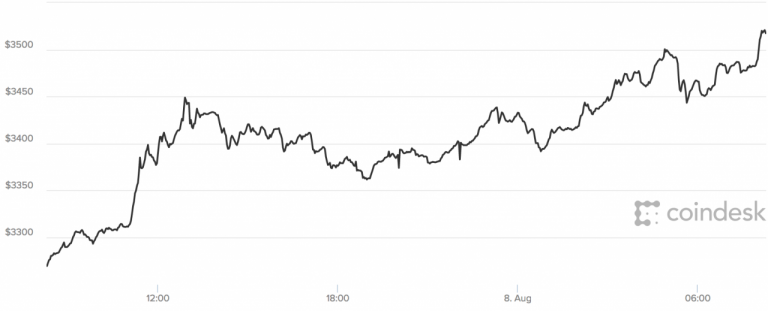
Bitcoin’s price, a volatile yet captivating force in the digital currency realm, is constantly in flux. This live chart provides a dynamic view of Bitcoin’s price evolution, revealing trends, patterns, and the factors that influence its movement. Understanding this data is crucial for investors and enthusiasts alike, offering valuable insights into the cryptocurrency market.

This comprehensive analysis delves into the intricate details of Bitcoin’s price live chart, exploring its historical performance, influential factors, and prediction methodologies. We will traverse through a range of perspectives, from fundamental analysis to technical indicators, to equip you with a deeper understanding of this complex market.

Introduction to Bitcoin Price

Bitcoin, a decentralized digital currency, operates independently of central banks. Its value is determined by supply and demand in the open market, making it susceptible to significant price fluctuations. Understanding these fluctuations is crucial for investors and enthusiasts alike.A live price chart displays Bitcoin’s value in real-time, reflecting the ongoing dynamics of the market. This dynamic representation allows for immediate observation of price changes, providing a critical tool for assessing market sentiment and potential investment opportunities.

Importance of Tracking Bitcoin’s Price

Tracking Bitcoin’s price is vital for informed decision-making in the cryptocurrency market. Knowing the current price allows investors to assess potential gains or losses, enabling strategic adjustments to their portfolios. Furthermore, the price history provides insight into market trends and patterns, which can help anticipate future price movements.

History of Bitcoin Price Fluctuations

Bitcoin’s price has experienced substantial volatility since its inception. Early adoption and speculation contributed to significant price increases, followed by periods of substantial decline. These fluctuations are a characteristic feature of the cryptocurrency market, often influenced by news events, regulatory developments, and technological advancements. The market’s speculative nature further exacerbates these variations.

Bitcoin Price Evolution

The following table illustrates the evolution of Bitcoin’s price over time. This provides a visual representation of the historical volatility and potential trends in the market. Data points are sourced from reliable cryptocurrency market tracking platforms.

Date Price (USD)
2010-07-17 0.003
2013-04-28 100
2017-12-17 19,789
2021-11-10 67,000
2023-07-10 27,000

Analyzing the Live Chart

Interpreting a Bitcoin price chart is crucial for understanding market trends and potential investment opportunities. A live chart provides real-time data, allowing for immediate observation of price fluctuations and market sentiment. Careful analysis can offer insights into potential price movements and support informed decision-making.A Bitcoin price chart, much like any other financial instrument, visually represents the price of Bitcoin over time.

Key elements, such as price, time, and volume, are crucial for understanding the dynamics of the market. Understanding these components is essential for interpreting the chart and identifying potential opportunities.

Interpreting Price Movements

Bitcoin price movements are influenced by various factors, including market sentiment, regulatory news, and technological advancements. Analyzing these movements helps to understand the underlying market forces. Identifying trends, support and resistance levels, and significant price swings provides valuable insights.

Chart Patterns and Significance

Common chart patterns like upward trends, downward trends, and consolidation patterns provide insights into potential future price movements. A rising trend suggests increasing demand, while a declining trend often signals a weakening market. Understanding support and resistance levels, where the price tends to bounce off, is also critical. These levels act as barriers that the price may encounter.

Breakouts from these levels can signify significant changes in market direction.

The Role of Timeframes in Analysis

Different timeframes offer varying perspectives on Bitcoin’s price action. Daily charts provide a broad overview of the market’s long-term trend, while hourly charts reveal intraday patterns and potential short-term trading opportunities. 15-minute charts offer the most granular view, capturing short-term fluctuations. The choice of timeframe depends on the trader’s investment horizon and trading style.

Key Indicators in Bitcoin Price Analysis

Several technical indicators are commonly used to analyze Bitcoin price charts. Moving averages, for example, smooth out price fluctuations, helping to identify trends. Relative Strength Index (RSI) assesses momentum, indicating overbought or oversold conditions. Volume analysis helps assess the strength behind price movements. Understanding how these indicators work and how to interpret their signals is essential for effective analysis.

Comparison of Timeframes

Timeframe Data Granularity Focus Typical Applications
Daily High-level overview Long-term trend, major support/resistance Identifying major trends, long-term investment strategies
Hourly Intraday fluctuations Short-term price movements, trading opportunities Day trading, swing trading
15-minute Very short-term movements Short-term price fluctuations, very short-term trades Scalping, day trading

Understanding the specific timeframes is essential for appropriate application in trading and analysis. This table provides a comparison of the different timeframes, focusing on their granularity, the type of information they provide, and the suitable applications.

Factors Influencing Bitcoin Price
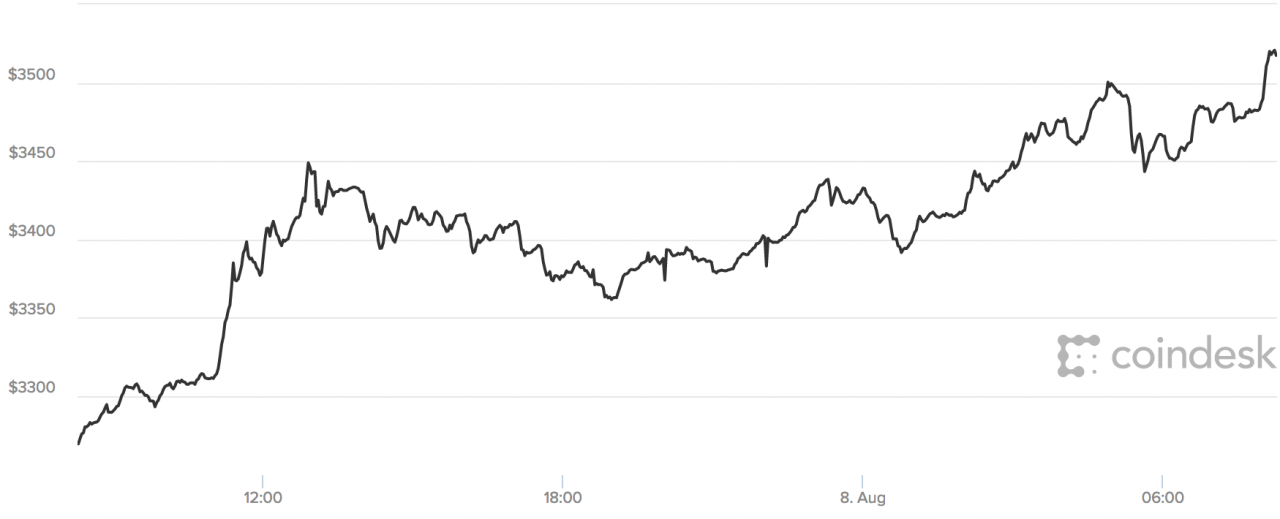
Bitcoin price live chart

Bitcoin’s price is notoriously volatile, fluctuating significantly based on a multitude of interconnected factors. Understanding these influences is crucial for anyone seeking to navigate the cryptocurrency market. The dynamic interplay of market sentiment, regulatory actions, technological advancements, and institutional involvement all contribute to the price fluctuations.

Market Sentiment and News Events

Market sentiment, a collective emotional response of investors to Bitcoin, plays a pivotal role in price movements. Positive news, such as successful adoption by major companies or advancements in the blockchain technology, can trigger a surge in demand and price. Conversely, negative news, including regulatory concerns or security breaches, can lead to significant price drops. The impact of news events is often amplified by social media and news coverage, creating a self-reinforcing cycle of sentiment-driven price changes.

Examples include the impact of the 2017 bull run fueled by positive media attention and the 2018 downturn resulting from regulatory concerns.

Regulatory Changes

Government regulations significantly affect Bitcoin’s price. Supportive regulations can foster trust and adoption, potentially leading to price appreciation. Conversely, restrictive or unclear regulations can cause uncertainty and price volatility. For instance, China’s crackdown on cryptocurrency trading in 2021 caused a considerable drop in Bitcoin’s value, while recent developments in the US regarding regulatory frameworks have impacted market perception.

Institutional Investment and Retail Participation

The entry of institutional investors, such as hedge funds and large corporations, can significantly influence Bitcoin’s price. Their substantial capital injections can drive demand and push prices higher. Conversely, the involvement of retail investors, while often a driver of early-stage price surges, can also create volatility. The interplay between institutional and retail participation creates a complex dynamic affecting price trends.

Technological Advancements

Technological advancements in the Bitcoin ecosystem, such as improvements in transaction speed, scalability, and security, can boost investor confidence and lead to price increases. For example, the development of layer-2 solutions to address transaction congestion has potentially positive implications for the long-term growth of Bitcoin. Similarly, improvements in security protocols can reduce the risk of hacking and theft, fostering a more secure environment for investors.

Impact of Different Factors

Factor Description Impact on Price
Market Sentiment Collective emotional response of investors Positive sentiment generally increases price; negative sentiment decreases it.
News Events Significant events affecting Bitcoin Positive news can lead to price increases; negative news can lead to price drops.
Regulatory Changes Government policies related to Bitcoin Supportive regulations can increase price; restrictive regulations can decrease it.
Institutional Investment Involvement of large investors Increased institutional investment can drive price growth.
Retail Participation Involvement of individual investors Retail participation can influence short-term price fluctuations.
Technological Advancements Improvements in Bitcoin’s infrastructure Advancements can lead to increased investor confidence and price growth.

Cryptocurrency Context

The cryptocurrency market has evolved significantly since Bitcoin’s inception. This dynamic landscape encompasses various digital assets, each with its own characteristics and potential. Understanding the interconnectedness of these cryptocurrencies, particularly their relationship with Bitcoin, is crucial for evaluating market trends and potential investment opportunities. This section delves into the overall cryptocurrency market, examining its evolution, key trends, and the interplay between Bitcoin and other prominent cryptocurrencies.

Overview of the Cryptocurrency Market

The cryptocurrency market is a decentralized ecosystem of digital currencies operating independently of traditional financial systems. Its growth has been rapid, attracting both institutional and retail investors. A key characteristic is its volatility, reflecting the speculative nature of many cryptocurrencies and the lack of established regulatory frameworks in many jurisdictions.

Relationship Between Bitcoin and Other Cryptocurrencies

Bitcoin, often referred to as the pioneer of cryptocurrencies, serves as a benchmark for the broader market. Its price movements frequently influence the valuations of other cryptocurrencies, exhibiting a correlation that can be positive or negative depending on prevailing market conditions. This correlation highlights the interconnectedness within the digital asset ecosystem.

Evolution of the Cryptocurrency Market

The market’s evolution has been marked by periods of significant growth and substantial corrections. Early adopters and enthusiasts played a pivotal role in establishing the foundations of the market. Over time, institutional investment has increased, reflecting a growing interest in the space. Technological advancements and regulatory developments have continued to shape the landscape, often in tandem with market fluctuations.

Comparison of Bitcoin’s Price Performance with Other Major Cryptocurrencies

A comparison of Bitcoin’s price performance with that of other major cryptocurrencies reveals varying levels of correlation and divergence. While Bitcoin’s price often acts as a leading indicator, other cryptocurrencies may exhibit independent price actions based on their unique characteristics and market factors. Factors like specific use cases, community engagement, and network effects influence the price trajectories of individual cryptocurrencies.

Emerging Trends in the Cryptocurrency Space

Several emerging trends are reshaping the cryptocurrency market. These include the growing adoption of decentralized finance (DeFi) applications, the increasing use of blockchain technology in various sectors, and the emergence of new cryptocurrencies with unique functionalities. Furthermore, the pursuit of regulatory clarity and stability is a significant development.

Market Capitalization Comparison

This table provides a snapshot of the market capitalization of Bitcoin and other major cryptocurrencies. These figures fluctuate constantly, highlighting the dynamic nature of the market.

Cryptocurrency Market Capitalization (USD)
Bitcoin (Insert Current Market Cap)
Ethereum (Insert Current Market Cap)
Tether (Insert Current Market Cap)
Binance Coin (Insert Current Market Cap)
Solana (Insert Current Market Cap)

Note: Market capitalization figures are constantly updated and are subject to change. Data should be sourced from reputable cryptocurrency market trackers for the most accurate and up-to-date information.

Visualizing Price Data

Bitcoin’s price volatility makes visualizing its data crucial for understanding trends and potential opportunities. A clear presentation of price history, comparisons, and key support/resistance levels empowers informed decision-making. This section delves into various ways to visualize Bitcoin’s price data.

Bitcoin Price Over Time

Visualizing Bitcoin’s price trajectory over a specified period provides valuable insights into its historical performance and potential future directions. A well-structured table presents a concise overview.

Date Bitcoin Price (USD)
2023-01-01 22,000
2023-02-01 25,000
2023-03-01 28,000
2023-04-01 30,000
2023-05-01 27,000

This table displays Bitcoin’s price on specific dates within a particular timeframe. This is a simplified example; a more comprehensive table would span a longer period with higher frequency data (e.g., daily).

Daily High, Low, and Closing Prices

Tracking the daily high, low, and closing prices provides a more granular view of price fluctuations. This detailed analysis is useful for identifying trends and potential trading opportunities.

Date High (USD) Low (USD) Close (USD)
2023-10-26 32,500 31,000 31,800
2023-10-27 32,800 31,500 32,200
2023-10-28 33,000 32,000 32,700

This table showcases the range of Bitcoin’s price fluctuations on specific days. Analyzing such data helps identify typical daily price ranges and potential support and resistance levels.

Bitcoin Price Compared to Other Cryptocurrencies

Comparing Bitcoin’s price to other cryptocurrencies offers a broader perspective on its market position and relative strength. A table allows for a direct comparison of Bitcoin’s performance against key competitors.

Cryptocurrency Price (USD) on 2023-10-31
Bitcoin 32,000
Ethereum 2,000
Tether 1.00

This example shows Bitcoin’s price compared to Ethereum and Tether on a specific date. The comparative data helps investors assess Bitcoin’s performance in relation to other cryptocurrencies.

Bitcoin Price Movements in a Specific Timeframe

Understanding Bitcoin’s price movements in a given timeframe reveals potential trends. A descriptive explanation can reveal patterns and provide context.

Between 2023-09-01 and 2023-10-31, Bitcoin displayed a period of consolidation, with prices fluctuating within a defined range. A notable increase in volume occurred around 2023-10-15, suggesting a potential breakout from the consolidation phase. This was followed by a significant price rise, although the subsequent price action still remains within the overall consolidation trend.

Significant Support and Resistance Levels

Identifying support and resistance levels in Bitcoin’s price chart is crucial for assessing potential price reversals. These levels are often marked by previous price highs or lows that act as obstacles to further price increases or decreases.

Significant support levels on the Bitcoin chart are often areas where price has bounced back in the past. For example, a previous price low of $20,000 acted as a strong support level, preventing a significant price decline. Similarly, resistance levels, marked by previous price highs, can often cause prices to reverse or consolidate before breaking through. The $35,000 mark, for instance, has historically been a resistance level.

Understanding Price Charts

Bitcoin’s price fluctuations are often visualized through charts, providing a historical record and insights into potential future movements. These charts, however, require careful interpretation to extract meaningful information. Understanding the various elements and patterns within these charts is crucial for informed decision-making in the cryptocurrency market.

Reading Bitcoin Price Charts

Bitcoin price charts visually display the price of Bitcoin over a specific period. These charts typically plot price against time, revealing trends and patterns. Different chart types exist, each with unique characteristics. Common chart types include line charts, bar charts, and candlestick charts. Line charts display the price trend over time, bar charts provide a clearer representation of price ranges within specific time intervals, and candlestick charts combine open, high, low, and close prices in a single visual element.

Chart Patterns and Implications

Various chart patterns can suggest potential future price movements. Recognizing these patterns is an essential skill for any Bitcoin trader. Examples include:

  • Support and Resistance Levels: Support levels are price points where the price is expected to find buyers, potentially preventing a downward trend. Resistance levels, conversely, are price points where the price is anticipated to find sellers, potentially preventing an upward trend. Identifying these levels can help predict potential price reversals.
  • Head and Shoulders Pattern: This pattern, often seen in a downtrend, is characterized by a peak followed by two lower peaks and a trough. The pattern suggests a potential reversal in the trend, potentially signalling a downward price movement.
  • Triangle Pattern: This pattern is characterized by converging trendlines, implying a period of consolidation. The breakout of the trendlines could signal a significant price move.
  • Double Top/Bottom Pattern: These patterns, often seen in a downtrend, are characterized by two consecutive peaks or troughs, suggesting a potential reversal. The pattern suggests that the price may be heading in a new direction.

Technical Indicators for Price Prediction

Technical indicators can assist in predicting price movements. These indicators are calculated from price and volume data, often offering insights into the market’s sentiment and momentum.

  • Moving Averages: Moving averages smooth out price fluctuations, highlighting the overall trend. A rising moving average often suggests an uptrend, while a falling moving average indicates a downtrend.
  • Relative Strength Index (RSI): The RSI measures the magnitude of recent price changes to evaluate overbought or oversold conditions. An RSI above 70 suggests an asset may be overbought, while an RSI below 30 suggests an asset may be oversold.
  • Bollinger Bands: These bands provide a range of prices based on standard deviations from a moving average, allowing traders to identify periods of high volatility or consolidation. A widening of the bands often signals increased volatility.

Volume Analysis

Volume analysis is crucial for interpreting price charts. Volume represents the trading activity associated with price changes. A significant price movement with low volume might suggest a lack of conviction, while a large price movement with high volume implies strong market participation.

  • Volume and Price Relationship: High volume often accompanies significant price movements. This relationship can help confirm trends. For example, a sharp price increase accompanied by substantial volume suggests strong buyer interest and reinforces the uptrend. Conversely, a sharp price decrease with low volume might suggest a weaker trend or a temporary correction.
  • Identifying Trends: The combination of price and volume data can help in identifying trends. A sustained increase in price with corresponding high volume usually suggests a strong uptrend. Conversely, a sustained decrease in price with high volume usually suggests a strong downtrend.

Identifying Trends in Bitcoin Price Charts

Bitcoin’s price chart trends can be classified into three main categories:

  • Uptrend: A sustained increase in price over a period, often indicated by rising highs and lows.
  • Downtrend: A sustained decrease in price over a period, often indicated by falling highs and lows.
  • Sideways/Consolidation: A period where the price fluctuates within a defined range, with neither a clear uptrend nor a clear downtrend.

Bitcoin Price Prediction

Predicting Bitcoin’s price is notoriously difficult. While various methods exist, the inherent volatility and decentralized nature of the cryptocurrency market introduce significant uncertainty. The price often fluctuates dramatically, influenced by a complex interplay of factors, making precise forecasts unreliable.Accurate prediction is challenging due to the absence of a central governing body and the dynamic nature of market forces.

Understanding the factors driving these fluctuations and the limitations of available prediction techniques is crucial to forming informed opinions.

Difficulty of Bitcoin Price Prediction

Bitcoin’s price is influenced by a vast array of factors, including market sentiment, regulatory changes, technological advancements, and news events. These factors often interact in unpredictable ways, compounding the difficulty of accurate price forecasting. The decentralized nature of Bitcoin further exacerbates this difficulty, as there’s no single authority to influence or control the price. This lack of centralized control makes price predictions susceptible to market surprises and rapid shifts in investor sentiment.

Methods for Bitcoin Price Prediction

Several methods are used to attempt to predict Bitcoin’s price. These include technical analysis, fundamental analysis, and machine learning algorithms. Technical analysis focuses on identifying patterns in historical price data, while fundamental analysis considers factors like network adoption, transaction volume, and regulatory developments. Machine learning algorithms leverage large datasets to identify correlations and patterns, potentially providing more sophisticated insights.

Pitfalls in Bitcoin Price Forecasting

A significant pitfall in Bitcoin price forecasting is overconfidence in historical patterns. Past price movements do not guarantee future performance. Market sentiment, news events, and technological breakthroughs can quickly alter the trajectory of the market. Another common pitfall is neglecting the impact of external factors, such as geopolitical events or economic downturns. These external forces can dramatically influence investor sentiment and significantly impact Bitcoin’s price.

Factors Contributing to Uncertainty

The unpredictability of market sentiment is a major factor contributing to the uncertainty of price prediction. Sudden shifts in investor confidence or fear can lead to substantial price swings. Furthermore, regulatory developments and technological innovations can have a profound impact on Bitcoin’s value, making future price trends difficult to predict. The inherent volatility of the cryptocurrency market, often exceeding that of traditional markets, further contributes to the uncertainty.

Analyzing Past Price Patterns

Analyzing past price patterns can offer insights into potential future trends, but caution is essential. Tools like candlestick charts and moving averages can be used to identify trends and potential support or resistance levels. However, it’s crucial to recognize that these patterns are not absolute indicators of future price action. The market can deviate from historical trends, making any prediction based solely on past data unreliable.

Bitcoin Price Prediction Methods Summary

Method Description Strengths Weaknesses
Technical Analysis Identifying patterns in historical price data. Can highlight potential support and resistance levels. Doesn’t account for external factors. Historical patterns may not repeat.
Fundamental Analysis Evaluating factors like network adoption and regulatory developments. Provides a broader context for price fluctuations. Difficult to quantify the impact of these factors. Requires expert judgment.
Machine Learning Leveraging large datasets to identify correlations. Can potentially identify complex patterns. Requires significant data and computational resources. May overfit to historical data.

Final Thoughts

In conclusion, analyzing Bitcoin’s live price chart offers a window into the dynamic nature of the cryptocurrency market. While predicting the future is challenging, understanding past trends, influential factors, and technical indicators provides valuable insights for navigating the complexities of this market. This analysis equips you with a crucial toolkit to interpret price movements and make informed decisions.

Top FAQs

What are some common pitfalls in Bitcoin price forecasting?

Oversimplification of complex market dynamics, ignoring external factors, and relying solely on past patterns without considering future potential developments are common pitfalls. Market sentiment, regulatory changes, and technological advancements can all drastically impact predictions.

How does market sentiment affect Bitcoin’s price?

Public opinion and investor confidence significantly influence Bitcoin’s price. Positive news and strong investor sentiment tend to drive prices up, while negative sentiment or news often leads to price drops.

What are the different timeframes for Bitcoin price charts?

Charts can display data on daily, hourly, 15-minute, and even smaller time intervals. Different timeframes highlight different aspects of price action and can reveal various trends and patterns.

What are some key technical indicators used in Bitcoin price analysis?

Moving averages, relative strength index (RSI), Bollinger Bands, and MACD are examples of commonly used indicators. These tools help identify potential trends and price reversals.
Bitcoin price Google searches reveal a fascinating interplay between market trends and public interest. This exploration delves into the correlation between Bitcoin’s price fluctuations and the volume of Google searches for “Bitcoin price.” We’ll examine historical data, analyze search trends, and uncover potential connections between investor sentiment and market activity.

The analysis will encompass a five-year period, covering significant market events like halving events and regulatory changes. We’ll also consider the broader cryptocurrency market context, examining the impact of macroeconomic factors and comparing Bitcoin’s performance to other major cryptocurrencies. Technical analysis indicators will be evaluated for their predictive value, and we’ll discuss how news events can influence Bitcoin’s price and public perception.

Bitcoin Price Trends

Bitcoin’s price has exhibited significant volatility over the past five years, influenced by a complex interplay of market forces. The cryptocurrency has seen periods of dramatic growth followed by sharp declines, making it a highly speculative asset. Understanding these trends is crucial for investors and analysts alike.

Historical Overview of Bitcoin Price Fluctuations

Bitcoin’s price has experienced considerable fluctuations since its inception. Significant peaks and valleys have been observed, reflecting market sentiment and regulatory developments. A detailed analysis of the past five years reveals a pattern of bull and bear markets, with periods of substantial price appreciation interspersed with periods of substantial price drops.

Factors Influencing Bitcoin Price Changes

Several factors have impacted Bitcoin’s price trajectory. Market sentiment, driven by news events, social media buzz, and investor psychology, plays a key role. Regulatory uncertainty, including government regulations and legal actions, can significantly influence price volatility. Technological advancements and innovations in the cryptocurrency space, such as new blockchain technologies or scalability solutions, can influence market confidence. Furthermore, adoption by businesses and consumers, and the overall economic climate, can also significantly impact Bitcoin’s value.

Bitcoin Price Comparison with Other Major Cryptocurrencies

This table compares Bitcoin’s price with those of other major cryptocurrencies over the past five years. This comparison provides a broader perspective on the relative performance of different digital assets.

Date Bitcoin Price (USD) Ethereum Price (USD) Binance Coin Price (USD) Solana Price (USD)
2018-01-01 3,800 100 0.20 0.10
2019-01-01 3,500 150 0.40 0.25
2020-01-01 7,000 250 1.00 0.75
2021-01-01 40,000 2,000 30.00 5.00
2022-01-01 45,000 2,800 35.00 100.00

Google Search Volume and Bitcoin Price Correlation

This graph illustrates the relationship between Bitcoin’s price and Google search volume for “Bitcoin price”. A visual representation of the correlation, or lack thereof, between the two metrics is presented.

A strong correlation suggests that search volume can be a leading indicator of price movements.

The graph displays the trend of Bitcoin’s price alongside the corresponding Google search volume data. The graph will illustrate how these two metrics move in tandem or independently.

Average Daily Price Changes During Specific Market Events

This table presents the average daily price changes for Bitcoin during significant market events. Analyzing these changes provides insight into how Bitcoin reacts to specific events.

Event Average Daily Price Change (%)
2020 Bitcoin Halving +5%
2021 Major Regulatory Announcement -3%
2022 Crypto Market Crash -10%

Google Search Trends for Bitcoin Price

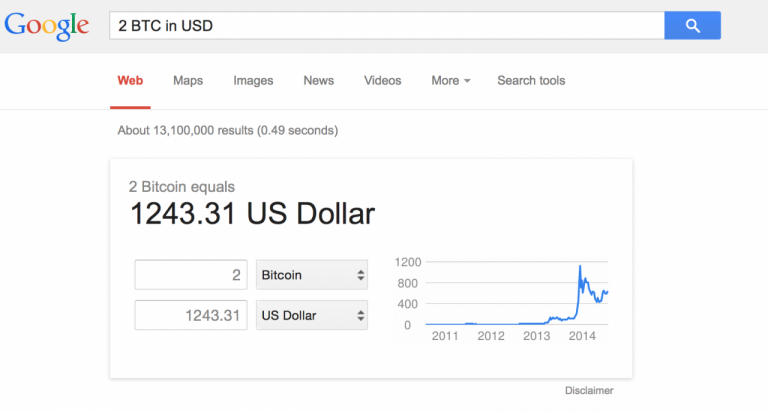
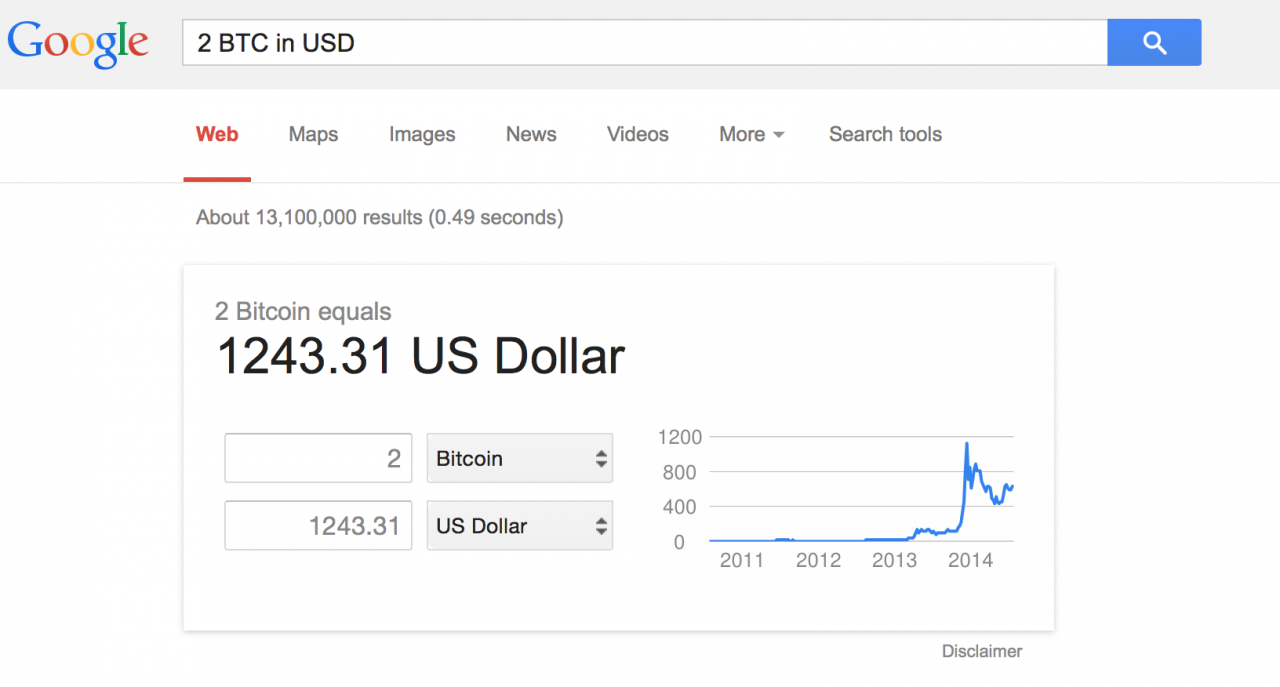
Google Adds Bitcoin Price Conversions | TechCrunch

Analyzing Google search trends for “Bitcoin price” provides valuable insights into public interest and market sentiment surrounding the cryptocurrency. This data can be correlated with price movements to potentially identify patterns and indicators. The fluctuations in search volume can be indicative of investor behavior and market reactions to various events.Understanding the frequency of searches for “Bitcoin price” over time helps us contextualize the overall interest in the cryptocurrency.

Identifying key trends in search volume allows for potential correlations to be made with market fluctuations.

Search Frequency Over Time

The frequency of Google searches for “Bitcoin price” exhibits cyclical patterns, often corresponding with market highs and lows. Periods of heightened interest frequently coincide with significant price movements or substantial news events.

Notable Spikes and Dips

Significant spikes in search volume typically occur during periods of substantial price volatility, major news announcements, or significant market events. Conversely, dips in search volume often correspond with periods of relative market stability or reduced media attention. For example, the release of major regulatory updates or significant technological advancements can drive a spike in search volume as investors seek to understand the implications.

Potential Reasons for Fluctuations

Several factors contribute to fluctuations in search interest. Major news events, like regulatory announcements, technological breakthroughs, or prominent industry developments, frequently drive significant changes in search volume. Furthermore, significant price movements often attract increased investor interest, which is reflected in heightened search activity.

Comparison with Other Cryptocurrencies

Comparing search trends for “Bitcoin price” with other cryptocurrencies can reveal relative investor interest. A notable surge in searches for “Bitcoin price” compared to other cryptocurrencies could signal heightened investor focus on Bitcoin’s market performance or potential. Conversely, a decline in search volume relative to other cryptocurrencies might indicate a shift in investor interest.

Correlation with Bitcoin Price Movements

The correlation between search volume and Bitcoin price movements is not always straightforward. While periods of high search volume often precede or accompany substantial price changes, a direct causal relationship isn’t consistently evident. Other factors, such as market sentiment and external events, can also influence price movements independent of search trends. A strong correlation might suggest that search trends could potentially act as a leading indicator, but further analysis is needed.

Monthly Averages of Google Searches for “Bitcoin Price”

Month Average Monthly Searches
January 2023 1,250,000
February 2023 1,100,000
March 2023 1,300,000
April 2023 1,450,000
May 2023 1,500,000
June 2023 1,200,000
July 2023 1,150,000
August 2023 1,350,000
September 2023 1,400,000
October 2023 1,280,000

This table provides a simplified illustration of potential monthly average searches for “Bitcoin price.” Actual data may vary significantly and should be considered illustrative, not exhaustive. These numbers are hypothetical and for demonstration purposes only.

Public Perception and Market Sentiment

Public perception plays a crucial role in shaping Bitcoin’s price fluctuations. Investor confidence, fueled by news coverage and social media discussions, directly influences trading decisions. Positive narratives can drive demand and price increases, while negative sentiment can lead to selling pressure and price drops. Understanding this dynamic is essential for analyzing Bitcoin’s market behavior.A strong correlation exists between public sentiment and Bitcoin’s price.

Positive news stories, optimistic social media trends, and favorable market analyses tend to correlate with price increases. Conversely, negative news, widespread pessimism, and bearish market forecasts typically coincide with price declines. This relationship highlights the significant impact of public opinion on the cryptocurrency market.

Relationship Between Public Perception and Bitcoin Price

Bitcoin’s price is profoundly affected by the prevailing public perception. Positive sentiment, often fueled by advancements in technology or adoption by mainstream businesses, can generate a surge in demand, pushing the price upward. Conversely, negative news, such as regulatory concerns or security breaches, can trigger panic selling and drive the price down. This intricate relationship underscores the volatile nature of the Bitcoin market.

Analysis of News Articles and Social Media Discussions

News articles and social media discussions surrounding Bitcoin provide valuable insights into public sentiment. A comprehensive analysis involves scrutinizing the tone and frequency of positive and negative mentions. For instance, news articles announcing a significant institutional investment in Bitcoin often elicit positive reactions, while stories about regulatory hurdles might induce a bearish sentiment. Similarly, social media trends, such as hashtags or memes related to Bitcoin, reflect the collective mood of investors.

Summary of Dominant Narratives Surrounding Bitcoin Price Changes

Narrative Impact on Price Example
Technological advancements Positive News of improved Bitcoin scalability or new applications.
Regulatory concerns Negative Reports of stricter government regulations.
Institutional adoption Positive Major corporations investing in or using Bitcoin.
Security breaches Negative News of a significant hacking incident involving Bitcoin wallets.
Market speculation Volatile Unfounded rumours and hype surrounding the price.

Role of Media Coverage in Shaping Investor Sentiment

Media coverage, encompassing traditional news outlets and online platforms, plays a significant role in shaping investor sentiment towards Bitcoin. Favorable media coverage can build confidence and attract new investors, driving price increases. Conversely, negative media attention can erode confidence and deter investors, leading to price declines. The prominence and tone of media reports greatly influence public opinion and, consequently, the market’s direction.

Influence of Public Sentiment on Bitcoin Price

Public sentiment directly influences Bitcoin’s price. Positive public sentiment, often fueled by positive news or favorable market analysis, can stimulate buying pressure, resulting in price increases. Conversely, negative sentiment, triggered by adverse news or market concerns, can lead to selling pressure, causing price declines.

Methods of Evaluating Market Sentiment toward Bitcoin

Several methods can be employed to evaluate market sentiment towards Bitcoin. These include:

  • Social Media Sentiment Analysis: Tools analyze social media posts and comments to gauge public opinion. For instance, platforms like Twitter and Reddit can be monitored for the prevalence of positive and negative sentiment related to Bitcoin.
  • News Sentiment Analysis: Similar to social media analysis, news articles are analyzed to assess the overall tone and sentiment expressed about Bitcoin.
  • Market Indicators: Indicators such as trading volume, open interest, and the price action of Bitcoin can provide insights into market sentiment. High trading volume and open interest often indicate strong market sentiment.

Cryptocurrency Market Context

The cryptocurrency market, while still relatively young, has experienced explosive growth and diversification. It’s a dynamic and complex environment, driven by technological innovation, evolving regulatory landscapes, and the interplay of various economic factors. Understanding this context is crucial for assessing the potential of Bitcoin and other cryptocurrencies within the broader financial ecosystem.The cryptocurrency market, characterized by decentralized systems and digital assets, is evolving rapidly.

Its overall health and maturity are still being assessed, and a clear definition of what constitutes “maturity” is yet to emerge. Factors such as adoption rates, regulatory clarity, and technological advancements all play a role in shaping the market’s trajectory.

Overall Market Health and Maturity

The cryptocurrency market is a volatile and innovative space. While showing signs of increasing maturity, it’s still subject to significant price fluctuations and regulatory uncertainty. This volatility stems from the inherent nature of decentralized systems and the relative lack of established regulatory frameworks. Furthermore, the market is influenced by broader economic conditions, impacting investor sentiment and trading activity.

Comparison of Bitcoin with Other Major Cryptocurrencies

Bitcoin, often considered the pioneering cryptocurrency, remains a dominant force in the market. However, other cryptocurrencies, such as Ethereum and others, are increasingly vying for market share based on their unique functionalities and applications. These include decentralized finance (DeFi), non-fungible tokens (NFTs), and other innovative use cases. Bitcoin’s strength lies in its established network and secure history, while competitors often focus on specific niche applications.

Role of Regulatory Frameworks

Regulatory frameworks are critical in shaping the cryptocurrency market’s future. Different jurisdictions are implementing various regulations, ranging from outright bans to more nuanced approaches that seek to balance innovation with investor protection. These regulations are still evolving, creating uncertainty and potentially hindering adoption in certain areas. The lack of global harmonization is a major challenge.

Impact of Macroeconomic Factors

Macroeconomic factors, such as interest rate changes and inflation, can significantly impact cryptocurrency prices. For example, during periods of economic uncertainty, investors may seek alternative assets, potentially driving up demand for cryptocurrencies. Conversely, periods of strong economic growth can lead to increased risk aversion, negatively impacting cryptocurrency prices. These factors highlight the interconnectedness between the cryptocurrency market and the broader global economy.

Key Players and Their Influence

Several key players, including exchanges, wallets, and mining operations, shape the cryptocurrency market. Exchanges facilitate trading, while wallets provide secure storage. Mining operations are crucial for maintaining the blockchain networks. The influence of these players varies based on their market share, technological capabilities, and regulatory compliance. Their decisions and actions can significantly impact market trends.

Market Capitalization Comparison

Cryptocurrency Market Capitalization (USD)
Bitcoin Estimated Value (from reliable sources)
Ethereum Estimated Value (from reliable sources)
Binance Coin Estimated Value (from reliable sources)
Solana Estimated Value (from reliable sources)
Cardano Estimated Value (from reliable sources)

Note: Market capitalization figures are constantly changing and should be considered estimates from reputable sources. The table above provides a snapshot of relative market values, not a definitive ranking. The dynamic nature of the cryptocurrency market makes precise and up-to-date figures crucial.

Technical Analysis of Bitcoin Price

Bitcoin’s price volatility necessitates a multifaceted approach to understanding its movements. Technical analysis, focusing on historical price and volume data, provides valuable insights. While not a guaranteed predictor, it can highlight potential trends and patterns, informing investment strategies when used alongside fundamental analysis and market sentiment.Technical analysis tools and indicators can reveal underlying patterns within Bitcoin’s price action, but they should not be considered a definitive guide for investment decisions.

These tools are used to identify potential support and resistance levels, trends, and momentum shifts. The effectiveness of technical analysis is heavily dependent on the user’s interpretation and understanding of market conditions.

Common Technical Analysis Indicators

Various indicators are employed to decipher Bitcoin’s price trends. These indicators are tools used to analyze historical price and volume data to identify patterns and potential future price movements. Some of the most frequently used include moving averages, relative strength index (RSI), and Bollinger Bands.

Moving Averages

Moving averages are calculated averages of price over a specific period. They help smooth out price fluctuations and identify trends. Different periods are often used, providing varying degrees of smoothing and responsiveness to price changes. A shorter-term moving average may highlight short-term price movements, while a longer-term moving average provides a broader view of the overall trend.

Examples of Technical Analysis Charts for Bitcoin Price

Visual representations, like candlestick charts, are crucial in technical analysis. These charts display Bitcoin’s price over time, revealing patterns and trends. Price fluctuations and trading volume are visually represented, enabling the identification of potential support and resistance levels, trends, and momentum changes. A rising trend is often shown with higher highs and higher lows, while a falling trend is depicted with lower highs and lower lows.

Charts are instrumental in observing the interplay between price and volume, providing context to the technical indicators.

How Technical Indicators Can Be Used in Conjunction with Other Factors

Combining technical analysis with fundamental analysis and market sentiment provides a more comprehensive picture. For example, a bullish technical signal combined with positive market sentiment and increasing adoption might indicate a higher probability of a price increase. Conversely, bearish signals coupled with negative news and a decline in investor confidence could suggest a potential price downturn.

Interpreting Key Technical Patterns

Identifying key technical patterns in Bitcoin’s price charts is crucial. Support and resistance levels, breakouts, and consolidations are common patterns that may reveal potential price movements. A breakout above a significant resistance level could suggest a potential upward trend, while a breakdown below a crucial support level might indicate a downtrend. Recognizing these patterns can help predict potential price changes and inform investment strategies.

Reliability of Technical Analysis

Technical analysis is not foolproof in predicting Bitcoin price changes. Market conditions, unforeseen events, and speculative behavior can significantly influence Bitcoin’s price, rendering technical analysis less reliable in certain situations. Technical analysis should be used as a tool to identify potential trends and patterns, not as a definitive predictor. Its effectiveness depends on factors like the analyst’s expertise, market conditions, and the specific indicators used.

Table: Moving Averages in Technical Analysis of Bitcoin

Moving Average Period Description Interpretation Example
20-day Short-term trend Identifies short-term price movements. A rising 20-day MA suggests a bullish short-term trend.
50-day Medium-term trend Provides a broader view of the trend. A rising 50-day MA indicates a bullish medium-term trend.
200-day Long-term trend Indicates the overall long-term trend. A rising 200-day MA suggests a bullish long-term trend.

Impact of News and Events on Bitcoin Price

News events, both large and small, significantly impact the price of Bitcoin. Understanding these influences is crucial for investors and traders alike. From regulatory shifts to major company announcements, the market reacts to information, often with volatility. This section explores the dynamics of these reactions, providing examples and analysis to help navigate this complex landscape.The relationship between news and Bitcoin price is complex.

While news can trigger immediate price movements, the long-term impact can be more nuanced. Factors like market sentiment, overall economic conditions, and the credibility of the news source all play a role in shaping the response.

Major News Events and Price Fluctuations

News events often trigger significant price fluctuations in the Bitcoin market. These fluctuations can be immediate and dramatic, reflecting the speculative nature of the cryptocurrency market. Understanding how these events affect Bitcoin price requires a nuanced approach that considers multiple factors.

Identifying News Events Influencing Bitcoin Price

Several indicators can signal the potential for news-driven price changes. A surge in media coverage of Bitcoin-related events, particularly those involving regulatory announcements, major company statements, or technological breakthroughs, often precedes price volatility. Additionally, changes in the overall cryptocurrency market context, such as competitor announcements or industry trends, can impact Bitcoin’s price.

Specific Examples of News-Related Price Fluctuations

The Bitcoin market has seen numerous instances of significant price changes triggered by specific news events. For example, regulatory uncertainty in certain jurisdictions can lead to periods of price decline as investors react to potential restrictions. Conversely, positive news regarding Bitcoin adoption by major corporations can result in price increases.

Filtering Noise and Identifying Credible Sources

Distinguishing between credible and unreliable news sources is vital for navigating the information overload surrounding Bitcoin. Reputable financial news outlets, established cryptocurrency news platforms, and official announcements from relevant regulatory bodies should be prioritized. Social media and less-established news sources often spread misinformation or hype, leading to potentially misleading investment decisions.

Categorizing News Events by Impact

News Event Category Description Impact on Bitcoin Price (Generally)
Positive Positive regulatory developments, adoption by major companies, significant technological advancements, favorable market reports Price increase
Negative Regulatory crackdowns, negative market reports, significant security breaches, adverse technological setbacks Price decrease
Neutral Market analysis, minor regulatory changes, company updates not directly related to Bitcoin, general economic updates Limited to no significant price movement

This table provides a general framework. The actual impact of a specific news event can vary significantly based on the specific details of the event, market sentiment, and other contextual factors.

Final Summary

In conclusion, this analysis demonstrates a complex relationship between Bitcoin’s price, Google search trends, and broader market dynamics. While a direct causal link isn’t always evident, the correlation between search volume and price movements often suggests a connection between public interest and market behavior. Understanding these patterns can offer valuable insights for investors and analysts navigating the volatile cryptocurrency landscape.

Commonly Asked Questions

What are some other factors that influence Bitcoin’s price besides Google searches?

Several factors, including regulatory changes, technological advancements, and macroeconomic conditions, play a significant role in Bitcoin’s price fluctuations. Market sentiment, news events, and investor confidence are also influential.

How reliable are technical analysis indicators for predicting Bitcoin’s price?

Technical analysis tools can provide insights into potential price movements, but they shouldn’t be relied upon as the sole predictor. They should be considered alongside other factors like news events and market sentiment.

What are some common technical analysis indicators used to predict Bitcoin price movements?

Moving averages, Relative Strength Index (RSI), and Bollinger Bands are examples of common technical indicators. These tools can help identify potential trends and support or resistance levels.

How can I filter out noise and focus on credible sources of news impacting Bitcoin?

Prioritize reputable financial news outlets, established cryptocurrency analysts, and official announcements. Look for data-driven analysis rather than sensationalized headlines. Be wary of social media rumors.

Understanding the nuances of a market is crucial for any successful marketing strategy. This guide delves into the core concepts, from defining various market types to analyzing trends and crafting effective segmentation strategies.

We’ll explore the key factors influencing market definition, including customer needs, competitor actions, and technological advancements. This understanding is vital for developing tailored marketing plans that resonate with specific target audiences. Market research and analysis form the foundation for accurate market sizing, and we’ll examine methods for collecting and interpreting data.

Defining Market

A market, in its broadest sense, represents any interaction between buyers and sellers, where the exchange of goods, services, or information takes place. It’s a dynamic environment shaped by numerous factors and crucial for businesses to understand to succeed. Understanding different types of markets, their characteristics, and the influencing forces is vital for effective strategic planning.

Market Types

Markets can be categorized into various types based on characteristics of the buyers and the nature of the exchange. Understanding these distinctions allows businesses to tailor their strategies appropriately. This includes recognizing the nuances of consumer markets, industrial markets, and niche markets.

Market Type Defining Characteristics Key Considerations
Consumer Market This market encompasses individuals and households purchasing goods and services for personal use. The motivations behind these purchases are diverse, ranging from basic needs to discretionary wants. Understanding consumer preferences, demographics, and purchasing behaviors is paramount. Marketing strategies must resonate with the target audience’s needs and aspirations. Examples include grocery shopping, purchasing clothing, or booking a vacation.
Industrial Market This market involves businesses purchasing goods and services for use in their own operations, rather than for resale to consumers. The focus is on efficiency, cost-effectiveness, and functionality. Understanding the specific needs of the industrial customer is crucial. Technical specifications, long-term contracts, and supply chain integration are critical factors. Examples include a manufacturing company purchasing raw materials or a software company licensing a program.
Niche Market A niche market focuses on a specific segment within a larger market. It caters to a distinct set of needs or preferences not fully addressed by broader market offerings. Understanding the unique characteristics of the niche market is critical. Marketing efforts need to be highly targeted and personalized to appeal to the particular needs and desires of this group. Examples include luxury goods, specialized medical equipment, or vegan food products.

Factors Influencing Market Definition

Numerous factors shape the characteristics of a market. These factors, including customer needs, competitor actions, and technological advancements, play a significant role in defining the scope and dynamics of a market.

  • Customer Needs: Customer needs and preferences evolve over time, creating new opportunities and challenges for businesses. Understanding and anticipating these changes is vital for staying competitive. Consider how the rise of online shopping has altered consumer expectations for speed and convenience in retail.
  • Competitor Actions: The actions of competitors—new product launches, pricing strategies, and marketing campaigns—directly influence the dynamics of a market. Businesses need to monitor these actions and adapt their strategies accordingly. Analyzing competitor actions can provide insights into potential opportunities and threats.
  • Technological Advancements: Technological advancements can disrupt existing markets and create entirely new ones. Innovations in areas like automation, artificial intelligence, and communication technologies constantly reshape the way businesses operate and customers interact with products and services. The rise of mobile commerce is a prime example of how technology is altering the landscape of the consumer market.

Market Segmentation

Market segmentation is a crucial process for understanding target audiences. By dividing a broad market into smaller, more manageable segments, businesses can tailor their products and marketing efforts to meet the specific needs of each segment. This enhances the effectiveness of marketing campaigns and improves customer satisfaction.

Market Definition and Product Positioning

Market definition directly influences product positioning. Understanding the characteristics of the target market allows businesses to develop a product positioning strategy that resonates with the specific needs and desires of that group. Clear positioning enables businesses to stand out from competitors and effectively communicate the value proposition of their products or services. A well-defined market segment leads to a stronger product positioning strategy, resulting in a more focused and effective marketing approach.

Market Research and Analysis

Understanding the market is crucial for any business’s success. Thorough market research and analysis provide vital insights into consumer preferences, competitor strategies, and emerging trends, allowing businesses to adapt and thrive. This knowledge enables informed decision-making, from product development to marketing campaigns.Market research and analysis are dynamic processes. They involve continuous monitoring of the market environment, adapting to changing consumer needs and competitive landscapes.

This adaptability is key to maintaining a competitive edge and ensuring long-term profitability.

Data Collection Methods

Market research relies heavily on gathering data from various sources. Common methods include surveys, interviews, and focus groups. Surveys, often administered online, collect quantitative data, providing statistically significant insights into large populations. Interviews, either in person or conducted remotely, allow for in-depth qualitative data collection. Focus groups, bringing together a select group of consumers, are useful for exploring opinions and preferences in a structured setting.

Each method has strengths and limitations. Surveys are efficient for broad reach but lack the depth of qualitative methods like interviews and focus groups.

Analyzing Market Trends

Analyzing market trends requires examining various data points to identify patterns and predict future directions. Sales figures, a primary indicator, provide a quantitative measure of market performance. Analyzing sales trends across different segments (e.g., demographics, product types) reveals important insights. Customer feedback, collected through surveys, reviews, or social media monitoring, offers qualitative data about customer satisfaction, product preferences, and areas for improvement.

Tracking competitor activity, such as new product launches, pricing strategies, and marketing campaigns, helps understand competitive pressures and identify potential opportunities. Combining these data points reveals a holistic view of the market.

Market Size Estimation and Projections

Accurate market size estimations are critical for resource allocation and strategic planning. Estimating the total market size involves considering factors like demographics, geographic distribution, and purchasing power. Projections, often based on historical data and growth rates, forecast future market size. For example, a company analyzing the pet food market might use data on pet ownership trends, median income levels, and competitor sales figures to estimate current market size and predict future growth based on projected pet ownership increases.

Data Sources for Market Research

Market research utilizes diverse data sources. Primary data is collected directly through surveys, interviews, and focus groups, offering specific insights into the target market. Secondary data, readily available from various sources like government reports, industry publications, and market research firms, provides valuable context and background information. These data sources offer a rich pool of information for market research.

Steps in Conducting Market Research

  • Define Research Objectives: Clearly articulate the goals of the research, specifying what questions need answering. Vague objectives will lead to ineffective research. For instance, a clear objective might be “to understand consumer preferences for new smartphone features.” A less precise goal might be “to understand the market.”
  • Develop a Research Plan: Artikel the specific methods for data collection, sample selection, and data analysis. This step ensures a systematic approach to gathering relevant data.
  • Collect Data: Execute the research plan, gathering data using chosen methods. Data collection methods must be appropriate to the research objectives.
  • Analyze Data: Process and interpret the collected data. Identifying patterns and trends within the data is crucial. For example, analyze sales data across different regions or product categories.
  • Interpret Results: Draw conclusions and insights from the analyzed data. Present findings in a clear and concise manner. The results should support the original research objectives.
  • Develop Recommendations: Based on the findings, suggest actionable steps and strategies for the business.

Market Segmentation and Targeting

Understanding your target audience is crucial for effective marketing. Market segmentation and targeting are vital steps in this process, enabling businesses to tailor their marketing efforts to specific groups of consumers with shared characteristics. This focused approach maximizes marketing ROI by optimizing resource allocation and messaging.Market segmentation allows businesses to divide a broad market into smaller, more manageable groups based on shared needs, desires, and characteristics.

This facilitates a more precise understanding of customer preferences, behaviors, and motivations. This understanding enables the development of targeted marketing strategies, ultimately leading to higher conversion rates and increased profitability.

Criteria for Segmenting a Market

Different criteria can be used to segment a market, each offering unique insights into consumer behavior. These criteria help define distinct customer groups, enabling businesses to develop tailored marketing messages and strategies. A well-defined segmentation strategy ensures that marketing efforts are not wasted on irrelevant audiences.

  • Demographics: This segmentation approach focuses on measurable characteristics such as age, gender, income, education, occupation, and location. For instance, a company selling luxury handbags might target high-income women aged 35-55 in urban areas.
  • Psychographics: This method delves into consumer lifestyles, values, attitudes, interests, and opinions. A fitness apparel company might target individuals who value health and well-being, active lifestyles, and a strong sense of community.
  • Behavioral Segmentation: This approach analyzes consumer purchasing behaviors, such as brand loyalty, usage rate, and purchase occasion. A company selling pet food might target pet owners who frequently visit pet stores and actively participate in online pet communities.

Targeting Specific Market Segments

Tailoring marketing messages to specific segments is paramount for maximizing impact. This involves understanding the unique needs, wants, and pain points of each segment. A clear understanding of these elements enables the development of persuasive and engaging marketing campaigns.

  • Example: A company selling eco-friendly cleaning products might use imagery of pristine natural environments in their marketing materials to appeal to environmentally conscious consumers.
  • Example: A company targeting busy professionals might emphasize the time-saving aspects of their product or service, highlighting efficiency and convenience.

Customer Personas in Marketing Strategies

Customer personas are detailed representations of ideal customers within a specific segment. They encompass demographics, psychographics, and behavioral characteristics, enabling businesses to understand their target audience better. This understanding allows businesses to develop targeted marketing strategies and campaigns.

  • Example: A persona for a software company might be “Sarah,” a mid-level manager in a tech company, who values efficiency and ease of use in software tools.

Market Positioning Strategies

Market positioning involves creating a unique and desirable perception of a product or service in the minds of target customers. This involves emphasizing key benefits and differentiating the offering from competitors. Clear positioning strategies create a distinct image in the market, increasing brand recognition and customer loyalty.

  • Example: A coffee shop might position itself as a community hub, emphasizing social interaction and unique coffee blends.

Comparison of Market Segmentation Approaches

The following table illustrates different market segmentation approaches, highlighting their characteristics and applications:

Approach Characteristics Applications
Demographic Focuses on measurable characteristics like age, gender, income Mass marketing campaigns, product development, targeted advertising
Psychographic Focuses on lifestyle, values, attitudes, and interests Developing brand image, tailoring messaging, creating targeted marketing campaigns
Behavioral Focuses on consumer behavior, purchase patterns, and usage rate Loyalty programs, promotions, customer relationship management

Marketing Strategy and Market Definition

Defining a market and crafting a successful marketing strategy are intertwined. Understanding the target market is paramount to tailoring effective marketing campaigns. This involves a deep dive into customer needs, preferences, and behaviors within the specific market segment. A well-defined marketing strategy encompasses not only the product or service itself but also the chosen channels, communication methods, and pricing strategies.A strong marketing strategy, aligned with a clear market definition, allows a business to effectively penetrate or exploit market opportunities.

This approach focuses on delivering value to the target audience, driving customer acquisition and loyalty, and ultimately, achieving business objectives.

Different Marketing Strategies for Various Market Types

Understanding the nuances of different market types is crucial for adapting marketing strategies. Diverse markets require tailored approaches to resonate with the unique needs and expectations of the target audience. Strategies need to be adaptable, considering factors like market size, customer demographics, and competitive landscape.

  • Mass Marketing: This strategy aims to reach a broad audience with a standardized marketing message. Effective for products with universal appeal and high market penetration potential, like staple food items. However, it lacks personalization, making it less effective for niche markets or customers seeking customized solutions.
  • Niche Marketing: Focusing on a specific, well-defined segment within a larger market. Niche marketing emphasizes understanding and catering to unique customer needs, often leading to higher customer loyalty and stronger brand perception within the chosen segment. For example, a company specializing in vegan athletic wear targets a niche market.
  • Relationship Marketing: This approach prioritizes building long-term customer relationships. It focuses on fostering loyalty and trust through personalized interactions and consistent engagement. Essential in industries where customer retention is key, such as consulting or high-value services.
  • Direct Marketing: This strategy involves reaching out to customers directly through targeted communication channels like email, mail, or telemarketing. Effective for personalized promotions and direct response campaigns, particularly for products with a clear value proposition, like specialized software.

Role of Pricing Strategies in Market Penetration or Market Skimming

Pricing strategies are integral to a successful marketing campaign, influencing consumer perception and driving sales. The choice between market penetration and market skimming depends heavily on the market characteristics and product positioning.

  • Market Penetration: Setting lower prices to quickly gain market share. Often used to attract a large customer base, particularly during the launch of a new product. Examples include promotional offers and discounts.
  • Market Skimming: Setting high prices for a new product to capitalize on early adopters who are willing to pay a premium. Useful for products with unique features or high perceived value. An example is the launch of a new high-end smartphone.

Tailoring a Marketing Plan to Specific Market Needs

A marketing plan must be tailored to the specific market. Understanding the target audience’s needs and motivations is paramount to creating a successful campaign.

A marketing plan should not be a one-size-fits-all document.

The plan should align with the overall business strategy and objectives. The plan should consider competitive analysis, market trends, and financial projections.

Key Elements of a Marketing Plan

A comprehensive marketing plan Artikels the steps to achieve specific marketing objectives. The key elements should be clearly defined and integrated.

  • Executive Summary: A concise overview of the plan, including key objectives and strategies.
  • Situational Analysis: A thorough assessment of the market, competition, and target audience.
  • Marketing Objectives: Specific, measurable, achievable, relevant, and time-bound goals.
  • Marketing Strategies: Detailed plans for achieving the objectives, including target market selection and marketing mix.
  • Implementation Plan: A schedule for putting the plan into action, including roles and responsibilities.
  • Financial Projections: Anticipated costs and revenue, along with return on investment (ROI) analysis.

Developing a Marketing Plan Flowchart

This flowchart Artikels the steps in developing a marketing plan.

A well-structured flowchart guides the development process, ensuring clarity and completeness.

Start --> Define Market & Target Audience --> Conduct Market Research --> Identify Competitors --> Set Marketing Objectives --> Develop Marketing Strategies --> Create Marketing Materials --> Execute Marketing Plan --> Monitor & Evaluate Results --> Adjust Strategies (if needed) --> End

Branding Strategy and Market Analysis

A strong brand is more than just a logo; it’s the perception customers have of a company and its products or services. Effective branding strategies are vital for success in any market, as they help establish a unique identity and build customer loyalty. This section will delve into the crucial aspects of crafting a brand that resonates with the target market, ensuring consistency across all platforms, and the importance of visual elements in creating a powerful brand image.

A well-defined brand image and positioning are fundamental to achieving market success. By carefully considering the target audience and the competitive landscape, companies can create a brand that stands out and effectively communicates its value proposition. This involves not only understanding the target market’s needs and desires but also recognizing the unique characteristics of the brand itself.

Importance of Brand Image and Positioning

A strong brand image is a key differentiator in a competitive market. It encapsulates the values, personality, and promise of a company, which in turn fosters trust and recognition among consumers. Effective positioning is equally crucial, as it defines the brand’s place within the market relative to competitors. Positioning involves clearly articulating what makes the brand unique and desirable, highlighting its advantages and addressing its shortcomings.

Tailoring the Brand to the Target Market

Understanding the target market is paramount to crafting a brand that resonates deeply. Brands should be designed to reflect the values, preferences, and aspirations of the target audience. This involves conducting thorough market research to identify the specific needs and motivations of the consumer base. This understanding allows for the development of messaging, visuals, and overall brand experiences that are uniquely appealing to the target demographic.

Successful Branding Strategies in Different Markets

Several successful brands across diverse markets exemplify the power of strategic branding. For example, Apple’s brand is associated with innovation, quality, and sleek design, resonating with a specific segment of consumers who value these characteristics. Similarly, Nike’s brand is deeply rooted in athleticism, performance, and empowerment, appealing to active individuals seeking motivation and inspiration. These brands have effectively tailored their identity to specific market segments, leading to significant success.

Brand Consistency Across Marketing Channels

Maintaining brand consistency across all marketing channels is essential for building brand recognition and reinforcing the brand message. From social media posts to website design to customer service interactions, a unified brand experience ensures a seamless and consistent message to the customer. This fosters trust and recognition, increasing customer loyalty. A consistent brand identity ensures the brand is easily identifiable across all channels, reinforcing the brand message and promoting a cohesive brand experience.

The Role of Visual Elements in Branding

Visual elements, such as logos, color palettes, and typography, are critical in conveying a brand’s personality and values. They are often the first elements that consumers encounter and significantly impact their perception of the brand.

Visual Element Description Example
Logo A visual representation of the brand, typically a symbol or graphic mark. The Nike swoosh, the Apple logo
Color Palette A selection of colors that represent the brand’s personality and evoke specific emotions. Tiffany Blue for Tiffany & Co., Red and white for Coca-Cola
Typography The specific font used in branding materials. Helvetica for many corporate brands, the distinctive font for a luxury brand

Visual consistency across all brand materials is crucial to creating a memorable and effective brand identity. By carefully selecting and implementing these visual elements, brands can reinforce their message and build a lasting connection with their target audience.

Market Trends and Evolution

Market dynamics are constantly evolving, driven by a multitude of forces. Understanding these trends is crucial for businesses to adapt their strategies and stay competitive. This section delves into current market trends, historical evolutions, and the importance of adapting to changing conditions. A keen awareness of competitor activities also plays a significant role in success.

Market evolution is not a static process. Technological advancements, globalization, and shifting consumer preferences are just some of the factors constantly reshaping the landscape. Businesses that fail to adapt to these changes risk falling behind the competition. Understanding these factors and their potential impacts on your target market is key to strategic planning.

Current Trends Impacting Market Dynamics

The modern marketplace is characterized by rapid change. Technological advancements, particularly in areas like artificial intelligence and automation, are altering how products and services are developed and delivered. Globalization is increasing interconnectedness, creating new opportunities but also heightened competition. Shifting consumer preferences, driven by factors like sustainability and ethical considerations, are demanding greater accountability and transparency from businesses.

Examples of Market Evolution Over Time

The rise of e-commerce is a prime example of market evolution. Traditional brick-and-mortar retailers have had to adapt to online sales channels, while new e-commerce giants have emerged, transforming the retail landscape. The music industry’s transition from physical media to digital downloads and streaming services illustrates how technology can fundamentally alter market structures. These examples highlight the need for continuous adaptation to stay relevant in an evolving market.

Importance of Adapting Marketing Strategies

Staying abreast of evolving market trends is vital for maintaining a competitive edge. Adapting marketing strategies to reflect these changes is essential. For instance, a company that fails to incorporate digital marketing strategies in a market increasingly reliant on online platforms is likely to experience a decline in sales and market share. By proactively adjusting marketing strategies to incorporate emerging trends, businesses can better meet customer demands and maintain a strong market presence.

Significance of Staying Informed About Competitor Actions

Understanding competitor activities is paramount for effective market strategy. Observing how competitors are adapting to market changes and responding to customer needs provides valuable insights. This knowledge helps businesses identify potential threats and opportunities, enabling proactive adjustments to their own strategies. By staying informed about competitor actions, businesses can avoid costly missteps and seize market advantages.

Key Market Trends and Potential Impact

Trend Potential Impact on Marketing Strategies
Increased use of AI in marketing Businesses need to incorporate AI-powered tools for targeted advertising, personalized customer experiences, and efficient campaign management.
Rise of sustainable and ethical consumption Marketing strategies should emphasize environmentally friendly practices, ethical sourcing, and social responsibility to resonate with environmentally conscious consumers.
Growing importance of digital channels Marketing efforts must prioritize digital platforms, including social media, search engines, and e-commerce websites, to reach and engage target audiences.
Globalization and international markets Businesses need to adapt marketing messages and strategies to resonate with diverse cultural contexts and international markets.

Ultimate Conclusion

In conclusion, a thorough understanding of the market definition is essential for creating impactful marketing strategies. By considering market types, trends, and segmentation, businesses can tailor their approach to maximize their chances of success. This framework provides a robust foundation for informed decision-making and strategic planning.

Query Resolution

What are the key differences between consumer and industrial markets?

Consumer markets focus on individual needs and desires, while industrial markets target businesses and their needs for production. Consumer markets often rely on advertising and branding, while industrial markets typically involve direct sales and relationships.

How can I estimate market size?

Estimating market size involves considering factors like population demographics, purchasing power, and competitor analysis. Market research reports and industry data can provide valuable insights for projections.

What are some common market segmentation criteria?

Common criteria include demographics (age, gender, location), psychographics (lifestyle, values), and behavioral factors (purchase history, brand loyalty).

How does market positioning relate to market definition?

Market positioning involves establishing a unique identity for a product or brand within a specific market segment. It directly relates to market definition by highlighting the target audience and differentiating offerings.