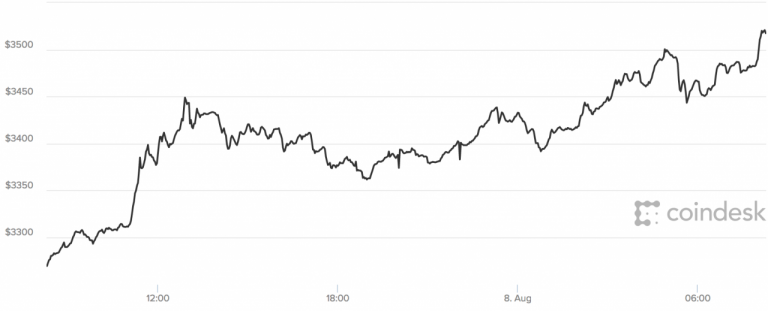
Bitcoin’s price, a volatile yet captivating force in the digital currency realm, is constantly in flux. This live chart provides a dynamic view of Bitcoin’s price evolution, revealing trends, patterns, and the factors that influence its movement. Understanding this data is crucial for investors and enthusiasts alike, offering valuable insights into the cryptocurrency market.
This comprehensive analysis delves into the intricate details of Bitcoin’s price live chart, exploring its historical performance, influential factors, and prediction methodologies. We will traverse through a range of perspectives, from fundamental analysis to technical indicators, to equip you with a deeper understanding of this complex market.
Introduction to Bitcoin Price
Bitcoin, a decentralized digital currency, operates independently of central banks. Its value is determined by supply and demand in the open market, making it susceptible to significant price fluctuations. Understanding these fluctuations is crucial for investors and enthusiasts alike.A live price chart displays Bitcoin’s value in real-time, reflecting the ongoing dynamics of the market. This dynamic representation allows for immediate observation of price changes, providing a critical tool for assessing market sentiment and potential investment opportunities.
Importance of Tracking Bitcoin’s Price
Tracking Bitcoin’s price is vital for informed decision-making in the cryptocurrency market. Knowing the current price allows investors to assess potential gains or losses, enabling strategic adjustments to their portfolios. Furthermore, the price history provides insight into market trends and patterns, which can help anticipate future price movements.
History of Bitcoin Price Fluctuations
Bitcoin’s price has experienced substantial volatility since its inception. Early adoption and speculation contributed to significant price increases, followed by periods of substantial decline. These fluctuations are a characteristic feature of the cryptocurrency market, often influenced by news events, regulatory developments, and technological advancements. The market’s speculative nature further exacerbates these variations.
Bitcoin Price Evolution
The following table illustrates the evolution of Bitcoin’s price over time. This provides a visual representation of the historical volatility and potential trends in the market. Data points are sourced from reliable cryptocurrency market tracking platforms.
| Date | Price (USD) |
|---|---|
| 2010-07-17 | 0.003 |
| 2013-04-28 | 100 |
| 2017-12-17 | 19,789 |
| 2021-11-10 | 67,000 |
| 2023-07-10 | 27,000 |
Analyzing the Live Chart
Interpreting a Bitcoin price chart is crucial for understanding market trends and potential investment opportunities. A live chart provides real-time data, allowing for immediate observation of price fluctuations and market sentiment. Careful analysis can offer insights into potential price movements and support informed decision-making.A Bitcoin price chart, much like any other financial instrument, visually represents the price of Bitcoin over time.
Key elements, such as price, time, and volume, are crucial for understanding the dynamics of the market. Understanding these components is essential for interpreting the chart and identifying potential opportunities.
Interpreting Price Movements
Bitcoin price movements are influenced by various factors, including market sentiment, regulatory news, and technological advancements. Analyzing these movements helps to understand the underlying market forces. Identifying trends, support and resistance levels, and significant price swings provides valuable insights.
Chart Patterns and Significance
Common chart patterns like upward trends, downward trends, and consolidation patterns provide insights into potential future price movements. A rising trend suggests increasing demand, while a declining trend often signals a weakening market. Understanding support and resistance levels, where the price tends to bounce off, is also critical. These levels act as barriers that the price may encounter.
Breakouts from these levels can signify significant changes in market direction.
The Role of Timeframes in Analysis
Different timeframes offer varying perspectives on Bitcoin’s price action. Daily charts provide a broad overview of the market’s long-term trend, while hourly charts reveal intraday patterns and potential short-term trading opportunities. 15-minute charts offer the most granular view, capturing short-term fluctuations. The choice of timeframe depends on the trader’s investment horizon and trading style.
Key Indicators in Bitcoin Price Analysis
Several technical indicators are commonly used to analyze Bitcoin price charts. Moving averages, for example, smooth out price fluctuations, helping to identify trends. Relative Strength Index (RSI) assesses momentum, indicating overbought or oversold conditions. Volume analysis helps assess the strength behind price movements. Understanding how these indicators work and how to interpret their signals is essential for effective analysis.
Comparison of Timeframes
| Timeframe | Data Granularity | Focus | Typical Applications |
|---|---|---|---|
| Daily | High-level overview | Long-term trend, major support/resistance | Identifying major trends, long-term investment strategies |
| Hourly | Intraday fluctuations | Short-term price movements, trading opportunities | Day trading, swing trading |
| 15-minute | Very short-term movements | Short-term price fluctuations, very short-term trades | Scalping, day trading |
Understanding the specific timeframes is essential for appropriate application in trading and analysis. This table provides a comparison of the different timeframes, focusing on their granularity, the type of information they provide, and the suitable applications.
Factors Influencing Bitcoin Price
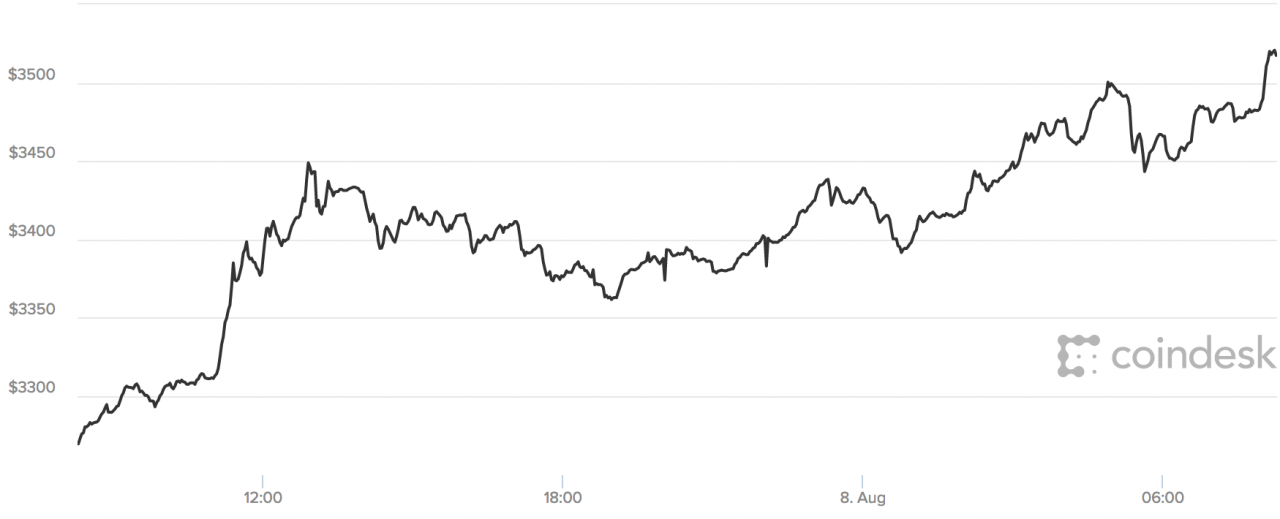
Bitcoin’s price is notoriously volatile, fluctuating significantly based on a multitude of interconnected factors. Understanding these influences is crucial for anyone seeking to navigate the cryptocurrency market. The dynamic interplay of market sentiment, regulatory actions, technological advancements, and institutional involvement all contribute to the price fluctuations.
Market Sentiment and News Events
Market sentiment, a collective emotional response of investors to Bitcoin, plays a pivotal role in price movements. Positive news, such as successful adoption by major companies or advancements in the blockchain technology, can trigger a surge in demand and price. Conversely, negative news, including regulatory concerns or security breaches, can lead to significant price drops. The impact of news events is often amplified by social media and news coverage, creating a self-reinforcing cycle of sentiment-driven price changes.
Examples include the impact of the 2017 bull run fueled by positive media attention and the 2018 downturn resulting from regulatory concerns.
Regulatory Changes
Government regulations significantly affect Bitcoin’s price. Supportive regulations can foster trust and adoption, potentially leading to price appreciation. Conversely, restrictive or unclear regulations can cause uncertainty and price volatility. For instance, China’s crackdown on cryptocurrency trading in 2021 caused a considerable drop in Bitcoin’s value, while recent developments in the US regarding regulatory frameworks have impacted market perception.
Institutional Investment and Retail Participation
The entry of institutional investors, such as hedge funds and large corporations, can significantly influence Bitcoin’s price. Their substantial capital injections can drive demand and push prices higher. Conversely, the involvement of retail investors, while often a driver of early-stage price surges, can also create volatility. The interplay between institutional and retail participation creates a complex dynamic affecting price trends.
Technological Advancements
Technological advancements in the Bitcoin ecosystem, such as improvements in transaction speed, scalability, and security, can boost investor confidence and lead to price increases. For example, the development of layer-2 solutions to address transaction congestion has potentially positive implications for the long-term growth of Bitcoin. Similarly, improvements in security protocols can reduce the risk of hacking and theft, fostering a more secure environment for investors.
Impact of Different Factors
| Factor | Description | Impact on Price |
|---|---|---|
| Market Sentiment | Collective emotional response of investors | Positive sentiment generally increases price; negative sentiment decreases it. |
| News Events | Significant events affecting Bitcoin | Positive news can lead to price increases; negative news can lead to price drops. |
| Regulatory Changes | Government policies related to Bitcoin | Supportive regulations can increase price; restrictive regulations can decrease it. |
| Institutional Investment | Involvement of large investors | Increased institutional investment can drive price growth. |
| Retail Participation | Involvement of individual investors | Retail participation can influence short-term price fluctuations. |
| Technological Advancements | Improvements in Bitcoin’s infrastructure | Advancements can lead to increased investor confidence and price growth. |
Cryptocurrency Context
The cryptocurrency market has evolved significantly since Bitcoin’s inception. This dynamic landscape encompasses various digital assets, each with its own characteristics and potential. Understanding the interconnectedness of these cryptocurrencies, particularly their relationship with Bitcoin, is crucial for evaluating market trends and potential investment opportunities. This section delves into the overall cryptocurrency market, examining its evolution, key trends, and the interplay between Bitcoin and other prominent cryptocurrencies.
Overview of the Cryptocurrency Market
The cryptocurrency market is a decentralized ecosystem of digital currencies operating independently of traditional financial systems. Its growth has been rapid, attracting both institutional and retail investors. A key characteristic is its volatility, reflecting the speculative nature of many cryptocurrencies and the lack of established regulatory frameworks in many jurisdictions.
Relationship Between Bitcoin and Other Cryptocurrencies
Bitcoin, often referred to as the pioneer of cryptocurrencies, serves as a benchmark for the broader market. Its price movements frequently influence the valuations of other cryptocurrencies, exhibiting a correlation that can be positive or negative depending on prevailing market conditions. This correlation highlights the interconnectedness within the digital asset ecosystem.
Evolution of the Cryptocurrency Market
The market’s evolution has been marked by periods of significant growth and substantial corrections. Early adopters and enthusiasts played a pivotal role in establishing the foundations of the market. Over time, institutional investment has increased, reflecting a growing interest in the space. Technological advancements and regulatory developments have continued to shape the landscape, often in tandem with market fluctuations.
Comparison of Bitcoin’s Price Performance with Other Major Cryptocurrencies
A comparison of Bitcoin’s price performance with that of other major cryptocurrencies reveals varying levels of correlation and divergence. While Bitcoin’s price often acts as a leading indicator, other cryptocurrencies may exhibit independent price actions based on their unique characteristics and market factors. Factors like specific use cases, community engagement, and network effects influence the price trajectories of individual cryptocurrencies.
Emerging Trends in the Cryptocurrency Space
Several emerging trends are reshaping the cryptocurrency market. These include the growing adoption of decentralized finance (DeFi) applications, the increasing use of blockchain technology in various sectors, and the emergence of new cryptocurrencies with unique functionalities. Furthermore, the pursuit of regulatory clarity and stability is a significant development.
Market Capitalization Comparison
This table provides a snapshot of the market capitalization of Bitcoin and other major cryptocurrencies. These figures fluctuate constantly, highlighting the dynamic nature of the market.
| Cryptocurrency | Market Capitalization (USD) |
|---|---|
| Bitcoin | (Insert Current Market Cap) |
| Ethereum | (Insert Current Market Cap) |
| Tether | (Insert Current Market Cap) |
| Binance Coin | (Insert Current Market Cap) |
| Solana | (Insert Current Market Cap) |
Note: Market capitalization figures are constantly updated and are subject to change. Data should be sourced from reputable cryptocurrency market trackers for the most accurate and up-to-date information.
Visualizing Price Data
Bitcoin’s price volatility makes visualizing its data crucial for understanding trends and potential opportunities. A clear presentation of price history, comparisons, and key support/resistance levels empowers informed decision-making. This section delves into various ways to visualize Bitcoin’s price data.
Bitcoin Price Over Time
Visualizing Bitcoin’s price trajectory over a specified period provides valuable insights into its historical performance and potential future directions. A well-structured table presents a concise overview.
| Date | Bitcoin Price (USD) |
|---|---|
| 2023-01-01 | 22,000 |
| 2023-02-01 | 25,000 |
| 2023-03-01 | 28,000 |
| 2023-04-01 | 30,000 |
| 2023-05-01 | 27,000 |
This table displays Bitcoin’s price on specific dates within a particular timeframe. This is a simplified example; a more comprehensive table would span a longer period with higher frequency data (e.g., daily).
Daily High, Low, and Closing Prices
Tracking the daily high, low, and closing prices provides a more granular view of price fluctuations. This detailed analysis is useful for identifying trends and potential trading opportunities.
| Date | High (USD) | Low (USD) | Close (USD) |
|---|---|---|---|
| 2023-10-26 | 32,500 | 31,000 | 31,800 |
| 2023-10-27 | 32,800 | 31,500 | 32,200 |
| 2023-10-28 | 33,000 | 32,000 | 32,700 |
This table showcases the range of Bitcoin’s price fluctuations on specific days. Analyzing such data helps identify typical daily price ranges and potential support and resistance levels.
Bitcoin Price Compared to Other Cryptocurrencies
Comparing Bitcoin’s price to other cryptocurrencies offers a broader perspective on its market position and relative strength. A table allows for a direct comparison of Bitcoin’s performance against key competitors.
| Cryptocurrency | Price (USD) on 2023-10-31 |
|---|---|
| Bitcoin | 32,000 |
| Ethereum | 2,000 |
| Tether | 1.00 |
This example shows Bitcoin’s price compared to Ethereum and Tether on a specific date. The comparative data helps investors assess Bitcoin’s performance in relation to other cryptocurrencies.
Bitcoin Price Movements in a Specific Timeframe
Understanding Bitcoin’s price movements in a given timeframe reveals potential trends. A descriptive explanation can reveal patterns and provide context.
Between 2023-09-01 and 2023-10-31, Bitcoin displayed a period of consolidation, with prices fluctuating within a defined range. A notable increase in volume occurred around 2023-10-15, suggesting a potential breakout from the consolidation phase. This was followed by a significant price rise, although the subsequent price action still remains within the overall consolidation trend.
Significant Support and Resistance Levels
Identifying support and resistance levels in Bitcoin’s price chart is crucial for assessing potential price reversals. These levels are often marked by previous price highs or lows that act as obstacles to further price increases or decreases.
Significant support levels on the Bitcoin chart are often areas where price has bounced back in the past. For example, a previous price low of $20,000 acted as a strong support level, preventing a significant price decline. Similarly, resistance levels, marked by previous price highs, can often cause prices to reverse or consolidate before breaking through. The $35,000 mark, for instance, has historically been a resistance level.
Understanding Price Charts
Bitcoin’s price fluctuations are often visualized through charts, providing a historical record and insights into potential future movements. These charts, however, require careful interpretation to extract meaningful information. Understanding the various elements and patterns within these charts is crucial for informed decision-making in the cryptocurrency market.
Reading Bitcoin Price Charts
Bitcoin price charts visually display the price of Bitcoin over a specific period. These charts typically plot price against time, revealing trends and patterns. Different chart types exist, each with unique characteristics. Common chart types include line charts, bar charts, and candlestick charts. Line charts display the price trend over time, bar charts provide a clearer representation of price ranges within specific time intervals, and candlestick charts combine open, high, low, and close prices in a single visual element.
Chart Patterns and Implications
Various chart patterns can suggest potential future price movements. Recognizing these patterns is an essential skill for any Bitcoin trader. Examples include:
- Support and Resistance Levels: Support levels are price points where the price is expected to find buyers, potentially preventing a downward trend. Resistance levels, conversely, are price points where the price is anticipated to find sellers, potentially preventing an upward trend. Identifying these levels can help predict potential price reversals.
- Head and Shoulders Pattern: This pattern, often seen in a downtrend, is characterized by a peak followed by two lower peaks and a trough. The pattern suggests a potential reversal in the trend, potentially signalling a downward price movement.
- Triangle Pattern: This pattern is characterized by converging trendlines, implying a period of consolidation. The breakout of the trendlines could signal a significant price move.
- Double Top/Bottom Pattern: These patterns, often seen in a downtrend, are characterized by two consecutive peaks or troughs, suggesting a potential reversal. The pattern suggests that the price may be heading in a new direction.
Technical Indicators for Price Prediction
Technical indicators can assist in predicting price movements. These indicators are calculated from price and volume data, often offering insights into the market’s sentiment and momentum.
- Moving Averages: Moving averages smooth out price fluctuations, highlighting the overall trend. A rising moving average often suggests an uptrend, while a falling moving average indicates a downtrend.
- Relative Strength Index (RSI): The RSI measures the magnitude of recent price changes to evaluate overbought or oversold conditions. An RSI above 70 suggests an asset may be overbought, while an RSI below 30 suggests an asset may be oversold.
- Bollinger Bands: These bands provide a range of prices based on standard deviations from a moving average, allowing traders to identify periods of high volatility or consolidation. A widening of the bands often signals increased volatility.
Volume Analysis
Volume analysis is crucial for interpreting price charts. Volume represents the trading activity associated with price changes. A significant price movement with low volume might suggest a lack of conviction, while a large price movement with high volume implies strong market participation.
- Volume and Price Relationship: High volume often accompanies significant price movements. This relationship can help confirm trends. For example, a sharp price increase accompanied by substantial volume suggests strong buyer interest and reinforces the uptrend. Conversely, a sharp price decrease with low volume might suggest a weaker trend or a temporary correction.
- Identifying Trends: The combination of price and volume data can help in identifying trends. A sustained increase in price with corresponding high volume usually suggests a strong uptrend. Conversely, a sustained decrease in price with high volume usually suggests a strong downtrend.
Identifying Trends in Bitcoin Price Charts
Bitcoin’s price chart trends can be classified into three main categories:
- Uptrend: A sustained increase in price over a period, often indicated by rising highs and lows.
- Downtrend: A sustained decrease in price over a period, often indicated by falling highs and lows.
- Sideways/Consolidation: A period where the price fluctuates within a defined range, with neither a clear uptrend nor a clear downtrend.
Bitcoin Price Prediction
Predicting Bitcoin’s price is notoriously difficult. While various methods exist, the inherent volatility and decentralized nature of the cryptocurrency market introduce significant uncertainty. The price often fluctuates dramatically, influenced by a complex interplay of factors, making precise forecasts unreliable.Accurate prediction is challenging due to the absence of a central governing body and the dynamic nature of market forces.
Understanding the factors driving these fluctuations and the limitations of available prediction techniques is crucial to forming informed opinions.
Difficulty of Bitcoin Price Prediction
Bitcoin’s price is influenced by a vast array of factors, including market sentiment, regulatory changes, technological advancements, and news events. These factors often interact in unpredictable ways, compounding the difficulty of accurate price forecasting. The decentralized nature of Bitcoin further exacerbates this difficulty, as there’s no single authority to influence or control the price. This lack of centralized control makes price predictions susceptible to market surprises and rapid shifts in investor sentiment.
Methods for Bitcoin Price Prediction
Several methods are used to attempt to predict Bitcoin’s price. These include technical analysis, fundamental analysis, and machine learning algorithms. Technical analysis focuses on identifying patterns in historical price data, while fundamental analysis considers factors like network adoption, transaction volume, and regulatory developments. Machine learning algorithms leverage large datasets to identify correlations and patterns, potentially providing more sophisticated insights.
Pitfalls in Bitcoin Price Forecasting
A significant pitfall in Bitcoin price forecasting is overconfidence in historical patterns. Past price movements do not guarantee future performance. Market sentiment, news events, and technological breakthroughs can quickly alter the trajectory of the market. Another common pitfall is neglecting the impact of external factors, such as geopolitical events or economic downturns. These external forces can dramatically influence investor sentiment and significantly impact Bitcoin’s price.
Factors Contributing to Uncertainty
The unpredictability of market sentiment is a major factor contributing to the uncertainty of price prediction. Sudden shifts in investor confidence or fear can lead to substantial price swings. Furthermore, regulatory developments and technological innovations can have a profound impact on Bitcoin’s value, making future price trends difficult to predict. The inherent volatility of the cryptocurrency market, often exceeding that of traditional markets, further contributes to the uncertainty.
Analyzing Past Price Patterns
Analyzing past price patterns can offer insights into potential future trends, but caution is essential. Tools like candlestick charts and moving averages can be used to identify trends and potential support or resistance levels. However, it’s crucial to recognize that these patterns are not absolute indicators of future price action. The market can deviate from historical trends, making any prediction based solely on past data unreliable.
Bitcoin Price Prediction Methods Summary
| Method | Description | Strengths | Weaknesses |
|---|---|---|---|
| Technical Analysis | Identifying patterns in historical price data. | Can highlight potential support and resistance levels. | Doesn’t account for external factors. Historical patterns may not repeat. |
| Fundamental Analysis | Evaluating factors like network adoption and regulatory developments. | Provides a broader context for price fluctuations. | Difficult to quantify the impact of these factors. Requires expert judgment. |
| Machine Learning | Leveraging large datasets to identify correlations. | Can potentially identify complex patterns. | Requires significant data and computational resources. May overfit to historical data. |
Final Thoughts
In conclusion, analyzing Bitcoin’s live price chart offers a window into the dynamic nature of the cryptocurrency market. While predicting the future is challenging, understanding past trends, influential factors, and technical indicators provides valuable insights for navigating the complexities of this market. This analysis equips you with a crucial toolkit to interpret price movements and make informed decisions.
Top FAQs
What are some common pitfalls in Bitcoin price forecasting?
Oversimplification of complex market dynamics, ignoring external factors, and relying solely on past patterns without considering future potential developments are common pitfalls. Market sentiment, regulatory changes, and technological advancements can all drastically impact predictions.
How does market sentiment affect Bitcoin’s price?
Public opinion and investor confidence significantly influence Bitcoin’s price. Positive news and strong investor sentiment tend to drive prices up, while negative sentiment or news often leads to price drops.
What are the different timeframes for Bitcoin price charts?
Charts can display data on daily, hourly, 15-minute, and even smaller time intervals. Different timeframes highlight different aspects of price action and can reveal various trends and patterns.
What are some key technical indicators used in Bitcoin price analysis?
Moving averages, relative strength index (RSI), Bollinger Bands, and MACD are examples of commonly used indicators. These tools help identify potential trends and price reversals.