
April 17, 2026

Bitcoin & Cryptocurrency

Purchasing Bitcoin using ATMs and debit cards online has become increasingly popular. This guide dives into the process, from the initial setup to the final transaction. We’ll cover the security measures in place and highlight crucial considerations for a safe and smooth experience.

Understanding the various platforms available and their associated fees is essential. We’ll compare different online services and provide a detailed overview of the steps involved, from selecting a reputable ATM to completing the purchase. This guide aims to be a comprehensive resource for anyone looking to explore this method of Bitcoin acquisition.

Introduction to Bitcoin ATMs and Online Transactions

Bitcoin ATMs have emerged as a convenient alternative for acquiring Bitcoin, offering a direct way to exchange fiat currency for cryptocurrency. While initially a niche market, their popularity has grown significantly, fueled by the increasing accessibility and adoption of digital assets. This ease of access is further enhanced by the integration of online platforms for managing and executing Bitcoin purchases.Bitcoin ATMs provide a tangible point of interaction, allowing users to exchange cash for Bitcoin directly.

The process is straightforward and often involves inserting cash, selecting the amount of Bitcoin desired, and receiving the cryptocurrency. The user interface is typically intuitive, making the transaction straightforward. Online platforms, on the other hand, offer a broader range of options and tools for managing and executing Bitcoin purchases, alongside additional features such as trading and portfolio management.

History of Bitcoin ATMs

Bitcoin ATMs first appeared in the early 2010s, initially concentrated in urban areas with a high density of cryptocurrency enthusiasts. Over time, their geographical reach expanded significantly. This growth was accompanied by improved technology and user interfaces, leading to greater user-friendliness and broader adoption.

Buying Bitcoin Online with a Debit Card

Purchasing Bitcoin online using a debit card is a widely available option. Users typically connect their debit card to a cryptocurrency exchange platform. The platform then facilitates the transaction, converting the funds from the debit card to Bitcoin. Security measures, such as two-factor authentication, are often employed to protect user accounts. The process involves inputting the desired amount of Bitcoin and confirming the transaction.

Typical Bitcoin ATM Transaction Process

The typical process of buying Bitcoin from an ATM involves these steps:

  • Select the desired amount of Bitcoin.
  • Enter the amount of cash to exchange.
  • Provide identification (often a photo ID). This step is crucial for compliance and security reasons.
  • Confirm the transaction.
  • Receive the Bitcoin.

The process is often streamlined for efficiency and safety.

Role of Online Platforms in Bitcoin Purchases

Online platforms play a vital role in facilitating Bitcoin purchases. They provide a centralized platform for executing transactions, often offering features like order books, allowing users to track market trends and potentially find better exchange rates. These platforms also frequently provide educational resources and support, making the experience less daunting for newcomers. They offer tools for managing portfolios and diversifying investments in cryptocurrency.

Comparison of Online Platforms for Bitcoin Purchases

Platform Fees Security Measures User Interface Additional Features
Platform A Low Strong (2FA, encryption) Intuitive, user-friendly Portfolio tracking, educational resources
Platform B Medium Moderate (2FA, basic security) Easy to navigate Trading tools, advanced charting
Platform C High Strong (2FA, advanced encryption) Complex, requires learning curve Specialized trading tools, global reach

This table provides a general comparison, with specific details varying based on the individual platform. Factors such as fees, security, and additional features should be considered when choosing a platform.

Understanding the Bitcoin Buying Process

Purchasing Bitcoin through ATMs and online platforms involves distinct steps and security considerations. Understanding these procedures is crucial for a safe and successful transaction. Different methods offer varying levels of convenience and associated fees.The process of acquiring Bitcoin is facilitated by a variety of methods, each with its own set of advantages and disadvantages. Understanding the intricacies of each method allows users to make informed decisions aligned with their financial objectives.

Steps Involved in Buying Bitcoin on an ATM with a Debit Card

Purchasing Bitcoin on an ATM typically follows a straightforward procedure. First, locate a Bitcoin ATM near you, ensuring it’s reputable and offers the desired features. Then, insert your debit card and follow the ATM’s prompts to initiate the transaction. Enter the desired amount of Bitcoin you wish to purchase, and the machine will provide a corresponding amount in fiat currency.

Confirm the transaction, and the Bitcoin will be credited to your designated digital wallet.

Security Measures in Online Bitcoin Transactions

Security is paramount in online Bitcoin transactions. Reputable platforms employ various measures to safeguard user data and transactions. These include robust encryption protocols, multi-factor authentication, and regular security audits. Users should also exercise caution by verifying the platform’s legitimacy and checking for security certificates. Utilizing strong passwords and avoiding suspicious links or websites is also essential.

Different Types of Bitcoin ATMs

Bitcoin ATMs vary in their features and functionalities. Some ATMs may offer a limited selection of cryptocurrencies, while others provide a wider range of options. Some ATMs might also feature advanced functionalities like real-time price displays and different payment methods. A user’s choice depends on the specific features and functionalities needed.

Fees Associated with Purchasing Bitcoin Through ATMs versus Online Platforms

Fees associated with purchasing Bitcoin vary between ATMs and online platforms. Bitcoin ATMs typically charge a higher fee for the transaction, often a percentage of the amount purchased, whereas online platforms may have a smaller transaction fee or even offer a fee-free option. Transaction fees are an important factor to consider when comparing different methods. The best option often depends on the specific amount and the overall transaction volume.

Importance of Choosing a Reputable Bitcoin ATM and Platform

Selecting a reputable Bitcoin ATM and platform is crucial for ensuring a secure and successful transaction. Look for platforms with clear terms of service, transparent fee structures, and robust security measures. Reviews and ratings from other users can offer valuable insights. It is crucial to understand the risks associated with using unverified or unlicensed platforms.

Feature Bitcoin ATM Online Platform
Transaction Fees Higher (often a percentage) Lower (often a flat fee or percentage)
Security Dependent on ATM provider Generally stronger with established platforms
Convenience Limited to ATM locations Accessible 24/7

Methods for Buying Bitcoin at ATMs with Debit Cards

Purchasing Bitcoin at ATMs using debit cards is a convenient option for many users. This method often involves a straightforward process, though potential issues can arise. Understanding the various methods and potential pitfalls can help users navigate the process smoothly.

Initiating a Bitcoin Purchase

The process typically begins with selecting the desired Bitcoin amount from the ATM’s display. Users then need to insert their debit card and enter the PIN. The ATM will then prompt the user for further information. This often includes confirming the transaction amount.

Authentication Methods

Various authentication methods are employed to ensure security during the purchase. These can include one-time passwords (OTPs) sent via SMS, email verification, or even biometrics like fingerprint scanning, depending on the specific ATM provider.

Confirming the Transaction Amount

Users are presented with the total transaction amount, including any fees associated with the transaction. The amount should be carefully reviewed to ensure accuracy. Users are usually presented with a confirmation screen displaying the details of the transaction, including the Bitcoin amount, the associated fee, and the total cost.

Steps to Confirm the Transaction Amount

  • The ATM displays the total transaction amount, including any applicable fees. It’s crucial to review this carefully to avoid accidental overpayment.
  • The ATM often provides an opportunity to adjust the amount before finalizing the transaction.
  • Users need to confirm the details by pressing a button or entering a confirmation code.

Potential Issues During the Purchase Process

Several issues can arise during the Bitcoin purchase process. These include insufficient funds in the debit account, network issues, or ATM malfunctions.

Error Messages

  • “Insufficient Funds”: This error appears when the debit card holder does not have enough funds in their account to cover the transaction amount.
  • “Transaction Declined”: This message usually indicates a problem with the card’s network connection, or other system issues.
  • “Network Error”: This error signifies a problem with the Bitcoin network or the ATM’s connectivity to the network. This could involve temporary network outages or technical issues with the ATM.
  • “Card Declined”: This suggests an issue with the debit card itself, such as incorrect PIN entry, card expiry, or security restrictions on the card.
  • “ATM Malfunction”: This error arises from a technical problem with the ATM itself, like a hardware failure, software glitch, or other system issues.

Online Platforms for Bitcoin Purchases

Online platforms provide a convenient alternative to physical Bitcoin ATMs for acquiring Bitcoin. They offer greater flexibility in terms of payment methods and often lower transaction fees compared to some ATMs. Navigating these platforms requires understanding the various options available and their associated pros and cons.

Popular Online Platforms

Several reputable online platforms facilitate Bitcoin purchases. These platforms typically offer a user-friendly interface and secure transaction processing. Choosing a suitable platform depends on individual needs and preferences.

  • Coinbase: A widely recognized and established platform, Coinbase offers a comprehensive range of crypto services, including Bitcoin purchases. Its user-friendly interface makes it accessible to beginners.
  • Kraken: Kraken is a popular choice among experienced traders due to its advanced features and options. It’s known for its robust security measures.
  • Binance: A global cryptocurrency exchange, Binance provides a vast selection of cryptocurrencies and a large trading volume.

    Its ease of use and extensive features cater to both beginners and experienced users.

  • Gemini: Known for its user-friendly interface and strong security measures, Gemini is a reliable platform for Bitcoin purchases.
  • Cash App: This platform is popular for its integration with other financial services. It is generally accessible to a wide range of users.

Comparison of Platforms

The following table provides a comparative overview of popular online platforms for Bitcoin purchases, considering fees, transaction speed, and security features.

Platform Fees Transaction Speed Security Features
Coinbase Generally competitive, varying by purchase amount Usually fast, often within minutes Robust security measures, including two-factor authentication
Kraken Competitive, often lower than other platforms Generally fast, often within minutes Advanced security protocols and multiple security layers
Binance Lower fees for larger transactions, but potentially higher for smaller transactions Variable, depending on network conditions Highly secure, known for robust anti-fraud measures
Gemini Competitive, transparent fee structure Typically fast, often within minutes Strong security measures, emphasizing user protection
Cash App Competitive, potentially varying by transaction amount Generally fast, often within minutes Solid security measures, although not as advanced as some specialized exchanges

Pros and Cons of Online Platforms

Online platforms for Bitcoin purchases offer advantages and disadvantages.

  • Pros: Convenience, wider range of payment options, potentially lower fees, and the ability to purchase smaller amounts. These platforms typically provide more control over the buying process and transaction history.
  • Cons: Security risks exist if the platform is not reputable, and users need to be vigilant about verifying the platform’s legitimacy. Online platforms might have additional fees or restrictions compared to ATM purchases.

Payment Methods

Online platforms typically accept various payment methods. Common options include bank transfers, debit/credit cards, and in some cases, other cryptocurrencies. These options provide flexibility for users to choose the most convenient payment method.

  • Bank Transfers: Often a secure and convenient option, but can have longer processing times.
  • Debit/Credit Cards: A common and accessible method for immediate purchases.
  • Other Cryptocurrencies: Some platforms allow swapping other cryptocurrencies for Bitcoin.

Verifying Platform Legitimacy

Ensuring the legitimacy of an online platform is crucial. Scrutinizing reviews, researching the platform’s history, and checking for security certifications are essential steps.

  • Customer Reviews: Examine user feedback on independent review sites.
  • Platform History: Investigate the platform’s track record and reputation.
  • Security Certifications: Look for industry-standard security certifications.

Security Considerations for Bitcoin Purchases

Protecting your funds when buying Bitcoin is paramount. Whether you’re using an ATM or an online platform, understanding the security measures involved is crucial to prevent fraudulent activities and ensure a safe transaction. Taking proactive steps to safeguard your personal information and financial details is vital for maintaining control over your Bitcoin holdings.

Importance of Secure Transaction Environments

A secure transaction environment is fundamental for safe Bitcoin purchases. This encompasses both the physical location of an ATM and the digital platform you use. Bitcoin ATMs, while offering a convenient way to buy Bitcoin, can be vulnerable to theft or fraud if not properly secured. Likewise, online platforms must employ robust security protocols to protect user data and transactions.

This involves encryption, secure servers, and multi-layered authentication.

Protecting Against Fraud and Scams

Fraud and scams are significant threats in the Bitcoin market. Be wary of unsolicited offers, promises of high returns, or requests for personal information. Always verify the legitimacy of the Bitcoin ATM or online platform before engaging in a transaction. Thorough research and due diligence are essential to avoid falling prey to fraudulent schemes.

Strong Passwords and Two-Factor Authentication

Strong passwords and two-factor authentication (2FA) are critical security measures for online accounts. A robust password, combining upper and lowercase letters, numbers, and symbols, is vital. Utilizing 2FA adds an extra layer of security by requiring a second verification step, such as a code sent to your phone. This combination significantly reduces the risk of unauthorized access.

Risks of Public Wi-Fi for Bitcoin Transactions

Using public Wi-Fi networks for Bitcoin transactions poses considerable security risks. Public Wi-Fi networks are often unsecured, making your sensitive financial information vulnerable to interception by malicious actors. This can lead to unauthorized access to your accounts and potential theft of your Bitcoin. Always prioritize secure Wi-Fi connections or utilize a Virtual Private Network (VPN) for enhanced security when conducting transactions online.

Summary of Security Risks and Preventive Measures

Security Risk Preventive Measure
Fraudulent ATMs Thorough research of ATM legitimacy, avoidance of suspicious offers, and careful review of transaction details.
Unsecured Wi-Fi Using secure Wi-Fi networks or a VPN for online transactions.
Phishing scams Verification of website legitimacy, avoiding suspicious emails or messages, and cautious handling of unsolicited offers.
Weak passwords Employing strong, unique passwords for all accounts, and utilizing 2FA wherever available.

Related Information on Buying Bitcoin

Bitcoin, while increasingly accessible through ATMs and online platforms, is a complex digital asset. Understanding the broader ecosystem, including wallets and exchanges, is crucial for secure and informed transactions. This section provides context beyond the immediate purchase process.

Bitcoin Wallets

Bitcoin wallets are essential for storing and managing your Bitcoin holdings. They act as digital containers for your crypto, similar to a bank account for fiat currency. Different types of wallets cater to various needs and security levels.

Types of Bitcoin Wallets

Different wallet types offer varying levels of security and user experience. Understanding these distinctions is important for selecting the right option for your needs.

  • Software Wallets: These wallets are installed on your computer or mobile device. They offer flexibility and control but require careful management to avoid security vulnerabilities. Examples include Electrum, Bitcoin Core, and Exodus. They are suitable for users who prioritize control and customization.
  • Hardware Wallets: These are dedicated physical devices designed for secure Bitcoin storage. They are often considered the most secure option, as they isolate your private keys from online threats. Examples include Ledger Nano S and Trezor. Their added security comes at the cost of some usability. These are excellent choices for those with significant Bitcoin holdings or who prioritize maximum security.

  • Mobile Wallets: These wallets are accessible via mobile applications, providing a convenient way to manage Bitcoin on the go. They offer a good balance of accessibility and security, though they may not be as secure as dedicated hardware wallets. Security is crucial, and users should prioritize mobile wallets with robust security measures.

Bitcoin Exchange Platforms

Bitcoin exchange platforms facilitate the buying and selling of Bitcoin. They provide a marketplace where individuals and institutions can trade Bitcoin for other cryptocurrencies or fiat currencies.

Using Exchange Platforms

These platforms provide a central hub for trading, but understanding their functionality and associated risks is crucial.

  • Trading: Exchange platforms allow you to buy and sell Bitcoin. They often facilitate various trading pairs, allowing you to trade Bitcoin for other cryptocurrencies or fiat currencies. Choosing a reputable platform is essential for security and reliability.
  • Security: Be cautious and select a platform with strong security protocols. Ensure the platform implements multi-factor authentication and other security measures. Do your due diligence in evaluating the exchange platform’s security measures.

Transferring Bitcoin to a Personal Wallet

Once you acquire Bitcoin, transferring it to your personal wallet is the next step.

Transferring Bitcoin Process

Transferring Bitcoin from an exchange to your personal wallet typically involves these steps:

  1. Access Your Wallet: Log into your personal wallet. Ensure you have the correct wallet address.
  2. Initiate Transfer: On the exchange platform, initiate the transfer of Bitcoin. Provide the recipient wallet address accurately. Ensure the correct wallet address is used, avoiding errors.
  3. Confirm Transfer: Review the transfer details and confirm the transaction on both the exchange platform and your wallet. Verify the transaction amount and destination address.
  4. Confirmation: Wait for the transaction to be confirmed on the blockchain. The number of confirmations varies depending on the platform and network congestion.

Comparison of Bitcoin Wallet Types

Different wallet types cater to varying needs and security levels.

Wallet Type Security Ease of Use Cost
Software Medium High Low
Hardware High Medium Medium
Mobile Medium High Low

Resources for Further Learning

Numerous resources offer in-depth information about Bitcoin.

  • Bitcoin.org: The official Bitcoin website provides comprehensive information, including white papers and technical details.
  • CoinMarketCap: This website tracks cryptocurrency prices and market data.
  • CoinGecko: Similar to CoinMarketCap, providing cryptocurrency data and information.
  • Educational Platforms: Online courses and tutorials from reputable institutions offer structured learning about Bitcoin.

General Information About Bitcoin

Bitcoin, a decentralized digital currency, emerged as a revolutionary concept in the financial world. Its creation and subsequent development have significantly impacted the landscape of online transactions and financial systems. Understanding its history, core principles, and underlying technology is essential for anyone looking to navigate the world of cryptocurrencies.Bitcoin’s genesis is often traced back to the 2008 financial crisis.

A pseudonymous individual or group, known only as Satoshi Nakamoto, published a whitepaper outlining the foundational principles of Bitcoin. This paper introduced the concept of a peer-to-peer electronic cash system that didn’t rely on intermediaries like banks.

Bitcoin’s History and Development

The Bitcoin whitepaper, published in 2008, laid the groundwork for the cryptocurrency. Its initial development involved a complex interplay of technical innovation and community engagement. Subsequent years witnessed the emergence of Bitcoin exchanges, wallets, and related technologies, paving the way for wider adoption. The ongoing evolution of Bitcoin continues to shape the future of digital finance.

Core Principles of Bitcoin Technology

Bitcoin operates on a fundamental set of principles. Decentralization is a key tenet, meaning no single entity controls the network. Transparency is another important aspect, as every transaction is recorded on the blockchain. Limited supply is a defining feature, as the total number of Bitcoins is capped, which is designed to limit inflation. These principles have driven significant interest and adoption.

Role of Cryptography in Bitcoin Transactions

Cryptography plays a crucial role in securing Bitcoin transactions. Public-key cryptography is used to verify the authenticity of transactions and to protect the privacy of users. Digital signatures are employed to ensure that transactions are valid and cannot be tampered with. This cryptographic foundation ensures trust and security within the Bitcoin ecosystem.

Bitcoin Blockchain

The Bitcoin blockchain is a distributed, immutable ledger that records every transaction. This decentralized database is replicated across many computers, ensuring the integrity and security of the network. Each block in the chain contains a timestamped record of transactions, linked together chronologically. This structure makes it nearly impossible to alter past records. This system is a cornerstone of Bitcoin’s reliability.

Difference Between Bitcoin and Other Cryptocurrencies

Bitcoin is the first and most well-known cryptocurrency. Other cryptocurrencies, often called altcoins, aim to improve on Bitcoin’s features, like transaction speed or scalability. While Bitcoin’s design emphasizes security and decentralization, altcoins sometimes prioritize other aspects like usability or cost-efficiency. The diversity of cryptocurrencies reflects the evolving landscape of digital finance.

Final Thoughts

Buy 2 Get 1 Free Promotion Banner, Buy 2 Get 1 Free, Promotion Banner ...

In conclusion, buying Bitcoin at ATMs using your debit card online can be a straightforward process if you follow the steps Artikeld. By understanding the various platforms, security considerations, and associated fees, you can make informed decisions and navigate the digital landscape safely. Remember to prioritize security, choose reputable providers, and thoroughly research before engaging in any transaction.

FAQ Corner

What are the typical fees associated with buying Bitcoin through ATMs versus online platforms?

Fees vary considerably between ATM providers and online platforms. ATMs often charge a flat fee per transaction, while online platforms may have a percentage-based fee or a combination of both. It’s crucial to compare fees and transaction speeds before selecting a platform.

What security measures should I take when purchasing Bitcoin online?

Use strong, unique passwords and enable two-factor authentication wherever possible. Avoid using public Wi-Fi for sensitive transactions. Verify the legitimacy of the platform before providing any personal or financial information. Check reviews and ratings to gauge the platform’s reputation.

What are the different types of Bitcoin wallets available?

Bitcoin wallets come in various forms, including software wallets (on your computer or phone), hardware wallets (physical devices), and online wallets (hosted by a service). Each type has its own set of advantages and disadvantages, so consider your needs and comfort level when making a choice.

How do I confirm the transaction amount at an ATM?

The confirmation process usually involves a visual display on the ATM screen, showing the transaction details. Carefully review the amount and other details before confirming the purchase. Double-checking is crucial to prevent errors.
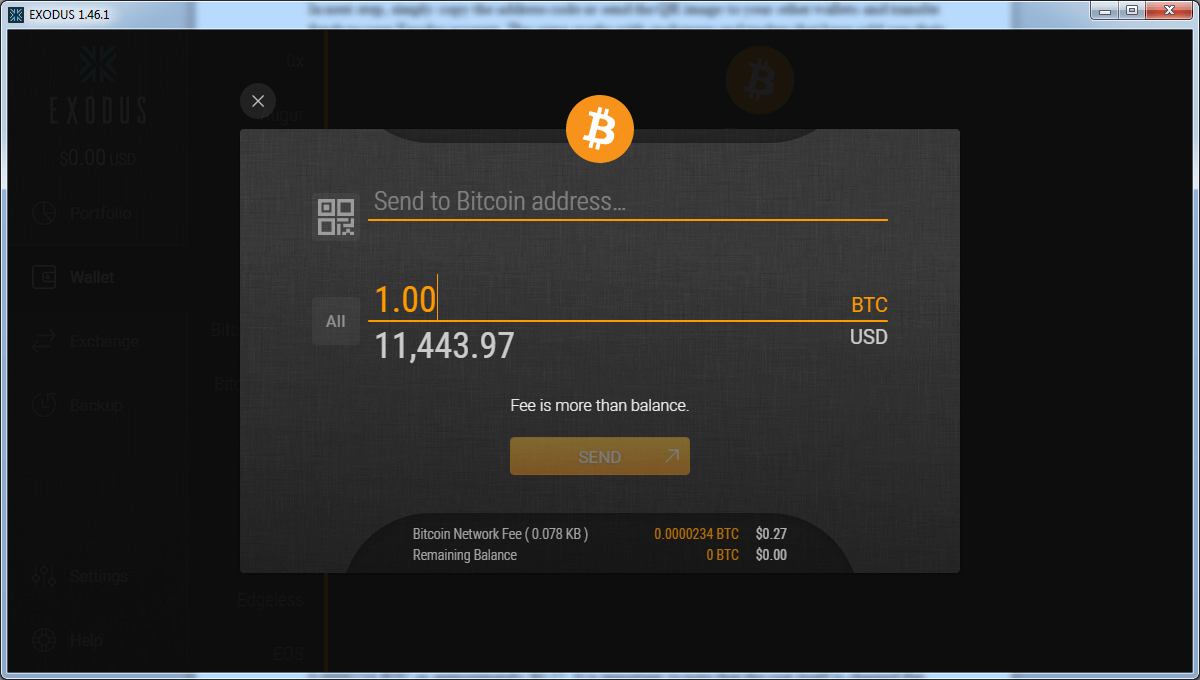
Exodus Buy Bitcoin with Apple Pay opens a new frontier in digital currency transactions. This seamless integration of a popular cryptocurrency wallet with a widely used mobile payment system promises a more user-friendly and potentially secure way to acquire Bitcoin. The convenience of Apple Pay, combined with the security features of Exodus, makes this a noteworthy development in the cryptocurrency landscape.

This exploration delves into the intricacies of this integration, examining the benefits, potential challenges, and practical aspects of the process. We’ll analyze the features of Exodus, compare it to other Bitcoin wallets, and Artikel the steps involved in the transaction. The discussion also covers crucial aspects of security, privacy, and the future implications of this trend.

Introduction to Bitcoin Purchasing with Apple Pay

Bitcoin, a decentralized digital currency, operates independently of traditional financial institutions. Its value is determined by supply and demand within a peer-to-peer network. This contrasts sharply with fiat currencies, which are controlled by central banks. Apple Pay, a mobile payment system integrated into Apple devices, allows users to make secure transactions using their devices. This integration presents a novel approach to acquiring Bitcoin.

Bitcoin Purchasing Methods Overview

Bitcoin can be purchased using various methods, each with its own set of advantages and disadvantages. These methods range from traditional banking systems to alternative digital wallets. Understanding these methods is crucial for selecting the most suitable option for individual needs and circumstances.

Apple Pay for Bitcoin Purchases

Apple Pay’s integration with various digital asset platforms allows for seamless Bitcoin purchases using the familiar Apple ecosystem. This streamlined process is particularly attractive to users already comfortable with Apple Pay for everyday transactions. The security features of Apple Pay, combined with secure platforms, provide a secure way to acquire Bitcoin.

Potential Benefits of Using Apple Pay for Bitcoin Purchases

The integration of Apple Pay with Bitcoin purchasing platforms offers a range of potential benefits. Users can leverage existing Apple Pay familiarity, enjoying a seamless experience. Enhanced security, provided by Apple Pay’s established security protocols, contributes to a more secure transaction environment. Reduced friction in the purchase process is a notable advantage, particularly for users seeking a streamlined approach.

Potential Challenges of Using Apple Pay for Bitcoin Purchases

Despite the benefits, challenges exist when using Apple Pay for Bitcoin purchases. Platform availability and compatibility with different Bitcoin platforms may vary. Security concerns, although minimized by Apple Pay, remain a factor in any online transaction. User familiarity with the Bitcoin ecosystem is crucial for navigating the unique aspects of Bitcoin transactions.

Comparison of Bitcoin Purchase Methods

Purchase Method Advantages Disadvantages
Credit Card Widely available, convenient Higher transaction fees, potential security risks if not using secure platforms
Bank Transfer Generally low transaction fees, secure if using verified institutions Slower transaction times, requires bank account access
Apple Pay Convenience of existing Apple ecosystem, enhanced security through Apple Pay protocols Limited platform compatibility, potential for issues if not using reputable Bitcoin platforms

Exploring the ‘Exodus’ Bitcoin Wallet

How to Use Exodus Bitcoin Wallet: Safety, Fees and Support | BitcoinBestBuy

The Exodus Bitcoin wallet is a popular choice for managing cryptocurrency, offering a user-friendly interface and a range of features. It stands out for its accessibility and ease of use, especially for beginners. This section delves into the specifics of the Exodus wallet, including its features, integration with payment systems, security measures, and comparison with other wallets.

Features of the Exodus Wallet

Exodus boasts a comprehensive suite of features designed for secure and convenient cryptocurrency management. The intuitive interface streamlines transactions and provides clear visualizations of balances and transaction histories. Users can manage multiple cryptocurrencies within a single wallet, providing a centralized platform for various digital assets. This feature is particularly valuable for those who own multiple cryptocurrencies.

  • Multi-Currency Support: Exodus allows users to hold and manage multiple cryptocurrencies simultaneously. This includes Bitcoin, Ethereum, Litecoin, and other popular cryptocurrencies.
  • Intuitive Interface: The wallet’s design prioritizes simplicity and clarity, making it easy for users to navigate and understand their holdings.
  • Transaction History: A detailed transaction history provides a complete record of all cryptocurrency activity within the wallet, which is crucial for tracking income and expenses.
  • Offline Seed Phrase: The wallet emphasizes security by requiring users to create and store an offline seed phrase, a critical component for recovery in case of device loss or compromise.

Integration with Other Payment Systems

Exodus, while primarily a cryptocurrency wallet, is not limited to cryptocurrency-to-cryptocurrency transactions. Its integration with other payment systems enables users to seamlessly interact with the wider financial ecosystem. This is often a key factor in the overall user experience of a wallet.

  • Third-party integrations: Exodus offers integration with other payment systems. These partnerships facilitate transferring funds from other accounts to the Exodus wallet or from the Exodus wallet to other accounts. This is a significant feature for those wishing to manage their financial resources using various payment options.
  • Interoperability: Exodus’s architecture enables seamless transactions with other payment systems. This is especially valuable for users who prefer using various methods for transferring funds.

Security Measures in the Exodus Wallet

Exodus prioritizes security through robust measures to protect user funds and data. These measures include advanced encryption techniques, offline seed phrase management, and multi-factor authentication.

  • Advanced Encryption: All transactions are encrypted to protect user data and maintain confidentiality. This encryption process is a standard security feature for many cryptocurrency wallets.
  • Offline Seed Phrase: Storing the seed phrase offline is a critical security measure. This prevents unauthorized access to the wallet’s funds in case of device loss or compromise.
  • Multi-Factor Authentication (MFA): Exodus often implements MFA to enhance security, requiring additional verification steps beyond a simple password.

Comparison to Other Bitcoin Wallets

Exodus is frequently compared to other Bitcoin wallets due to its popularity and feature set. Key differentiators often include ease of use, multi-currency support, and the security protocols implemented.

Feature Exodus Other Wallets (e.g., Blockchain, Electrum)
Ease of Use Generally considered user-friendly Can vary in complexity; some are more technically demanding.
Multi-Currency Support Yes, supports multiple cryptocurrencies May only support a single cryptocurrency or a limited selection.
Security Protocols Emphasizes offline seed phrase management and encryption Security protocols may vary; some may be less robust.

Bitcoin Purchasing Methods

Acquiring Bitcoin involves various methods, each with its own advantages and drawbacks. Understanding these options is crucial for navigating the Bitcoin market safely and effectively. Choosing the right method depends on factors like location, available resources, and desired level of security.Different platforms and exchanges cater to diverse needs, from beginners to experienced traders. Bitcoin’s decentralized nature allows for a variety of purchasing methods, but this also necessitates careful consideration of transaction costs, security protocols, and the specific requirements of each platform.

Bitcoin Exchange Platforms

Numerous platforms facilitate Bitcoin purchases. These exchanges offer a variety of trading pairs, allowing users to buy Bitcoin with various fiat currencies. Key factors to consider when selecting a platform include transaction fees, security measures, user experience, and customer support.

  • Popular exchanges like Coinbase, Kraken, and Gemini provide user-friendly interfaces and robust security measures, while smaller platforms might offer specialized features or lower fees. Comparing different platforms can help identify the best fit for individual needs.

Purchasing Bitcoin with Fiat Currencies

Traditional payment methods are often used to purchase Bitcoin on exchanges. These methods commonly involve connecting a bank account or credit/debit card to the exchange platform. Security measures vary between exchanges, so selecting a platform with robust security protocols is crucial.

  • For example, Coinbase allows users to buy Bitcoin using bank transfers or credit/debit cards, while Kraken supports a wider array of fiat currencies. Users should carefully review the terms and conditions of each exchange to understand the fees and limits involved.

Purchasing Bitcoin with Cryptocurrency

Bitcoin can also be acquired using other cryptocurrencies, a process known as cryptocurrency exchange. This approach can be more complex but often offers unique advantages. Understanding the specific requirements of the involved exchanges and the risks associated with cryptocurrency exchange is vital.

  • Exchanges like Binance support trading between various cryptocurrencies, including Bitcoin, offering flexibility and potential cost savings for experienced users.

Purchasing Bitcoin with Apple Pay

Apple Pay, integrated with compatible exchanges, offers a secure and convenient method for purchasing Bitcoin. This approach streamlines the transaction process by eliminating the need for manual input of payment details.

  • The process typically involves linking an Apple Pay account to a compatible Bitcoin exchange and then selecting Bitcoin as the desired asset. Confirming the transaction through Apple Pay provides an added layer of security.

Role of Intermediaries in Bitcoin Transactions

Intermediaries, like exchanges, play a crucial role in facilitating Bitcoin purchases. They act as intermediaries between buyers and sellers, providing a platform for transactions and often handling the technical aspects of the process.

  • Exchanges ensure the safety of funds and the security of transactions, safeguarding both buyers and sellers. They manage the exchange of Bitcoin for fiat currency, facilitating the exchange process.

Steps in Purchasing Bitcoin

Method Step 1 Step 2 Step 3
Exchange (e.g., Coinbase) Create an account and verify identity. Deposit funds into the account using a supported method (e.g., bank transfer). Place a market order to buy Bitcoin.
Apple Pay (on supported exchanges) Link your Apple Pay account to a compatible exchange. Select Bitcoin as the desired asset. Confirm the transaction through Apple Pay.

Apple Pay Integration for Bitcoin Purchases

Apple Pay, a popular mobile payment platform, has expanded its reach beyond traditional currencies. Integration with Bitcoin purchasing is a burgeoning area, promising a seamless experience for users. This integration, however, introduces both opportunities and complexities, requiring careful consideration of technical and security aspects.

Technical Aspects of Integration

Apple Pay’s integration with Bitcoin hinges on a series of intermediary steps. The Bitcoin wallet, like Exodus, acts as a crucial bridge. It facilitates the conversion of the user’s Apple Pay balance into Bitcoin. This conversion involves secure cryptographic operations to ensure the integrity of the transaction. Furthermore, secure communication protocols are employed to protect sensitive information exchanged between the wallet and the payment network.

This necessitates a reliable and secure communication channel between the wallet and the Bitcoin network.

Security Protocols in Bitcoin Transactions via Apple Pay

Security is paramount in Bitcoin transactions. Apple Pay leverages existing security protocols, like tokenization, to protect user data. Tokenization replaces sensitive information with a unique, non-sensitive token, further safeguarding user details. Moreover, end-to-end encryption ensures that only authorized parties can access the transaction data. This multifaceted approach strengthens security by shielding personal information from unauthorized access.

Potential Risks and Vulnerabilities

Despite the robust security measures, potential risks remain. A compromise of the Bitcoin wallet or the Apple Pay system could expose user funds to theft. Furthermore, vulnerabilities in the intermediary systems involved in the transaction could potentially jeopardize the entire process. The risk of fraudulent transactions is also a concern. The sophistication of attackers necessitates constant vigilance in refining security protocols and developing more robust defensive measures.

Thorough testing and security audits are critical in mitigating these risks.

Setting Up Apple Pay for Bitcoin Transactions

Setting up Apple Pay for Bitcoin transactions involves a few key steps within the Exodus wallet application. Users must first link their Apple Pay account to their Exodus wallet. This usually involves entering their Apple ID and confirming the connection. Then, they need to authorize the Bitcoin purchase using their Apple Pay credentials. The final step is to initiate the Bitcoin transaction via the Exodus app using Apple Pay as the payment method.

A confirmation step, typically including a visual and numerical confirmation of the transaction details, will be presented before completion.

Transaction Flow for Bitcoin Purchases using Apple Pay

Step Description
1 User initiates Bitcoin purchase within the Exodus app.
2 Exodus wallet verifies the user’s Apple Pay account.
3 Exodus wallet requests authorization from the user’s Apple Pay account.
4 Apple Pay system authorizes the transaction.
5 Bitcoin is sent to the specified address.
6 Exodus wallet confirms the transaction.
7 User receives confirmation from Apple Pay.

General Bitcoin Buying Information

Purchasing Bitcoin involves navigating various platforms and understanding the nuances of digital asset management. This section provides a comprehensive overview of the process, from choosing a wallet to interacting with exchanges. A crucial aspect is understanding the security protocols and the varying levels of protection offered by different options.Bitcoin, as a decentralized digital currency, relies on a distributed ledger known as the blockchain.

This decentralized nature empowers users with control over their funds, yet it also necessitates careful consideration of security measures. Understanding different wallet types and their associated risks is fundamental to safeguarding your Bitcoin holdings.

Bitcoin Buying Process Overview

Bitcoin acquisition typically involves these key steps: selecting a reputable exchange, creating an account, funding the account, placing a purchase order, and confirming the transaction. The specific steps may vary slightly based on the chosen exchange and the user’s preferred method of payment.

Different Bitcoin Wallets and Their Functions

Various Bitcoin wallets cater to different needs and risk tolerances. Software wallets, such as Exodus or Electrum, are user-friendly and often feature advanced functionalities like transaction management and security tools. Hardware wallets, like Ledger Nano S or Trezor, offer enhanced security by storing private keys offline, safeguarding against online threats. Mobile wallets provide convenience for managing Bitcoin on smartphones.

Each type of wallet has distinct advantages and disadvantages in terms of usability, security, and complexity.

Creating a Bitcoin Wallet

Creating a Bitcoin wallet usually involves several steps, depending on the chosen type. Software wallets often require downloading the application and creating an account. Hardware wallets typically involve connecting the device to a computer or smartphone, downloading software, and generating private keys. Mobile wallets often require installing an app and setting up an account using an email address or phone number.

Properly securing the private keys is paramount, as they grant access to your Bitcoin holdings.

Comparison of Bitcoin Exchanges

Numerous exchanges facilitate Bitcoin trading, each with its own set of features, fees, and security measures. Factors to consider include transaction fees, available payment methods, customer support, and security protocols. Popular exchanges like Coinbase, Kraken, and Binance cater to varying user needs, from beginners to seasoned traders. Careful consideration of the exchange’s reputation and user reviews is critical before selecting a platform.

Bitcoin Wallet Options and Security Features

Wallet Type Security Features Pros Cons
Software Wallets Two-factor authentication, secure storage of private keys on device Ease of use, wide range of features, often free Security vulnerability if device compromised, reliance on software integrity
Hardware Wallets Offline storage of private keys, physical protection from hacking High security, protection against malware and online attacks Higher cost, limited functionalities compared to software wallets
Mobile Wallets Portability, easy access to funds, often integrated with other services Convenience, user-friendly interface Potential for security vulnerabilities if phone is lost or compromised, dependence on mobile device

Security and Privacy Concerns

Bitcoin purchases, even with streamlined methods like Apple Pay, inherently involve security and privacy considerations. Understanding these risks and adopting appropriate safeguards is crucial for a secure experience. Failing to address these concerns can lead to significant financial loss and compromise personal information.

Security Implications of Bitcoin Purchases Using Apple Pay

Apple Pay, while enhancing convenience, doesn’t inherently guarantee increased Bitcoin transaction security. The security of a Bitcoin purchase using Apple Pay relies heavily on the security of the underlying Bitcoin wallet and the user’s adherence to best practices. Security breaches in either the wallet or the Apple Pay system could expose funds.

Safeguarding Bitcoin Wallets

Protecting your Bitcoin wallet is paramount. A compromised wallet directly exposes your Bitcoin holdings. This includes implementing robust password protection, employing strong encryption, and regularly updating your wallet software to patch potential vulnerabilities. Using a reputable and regularly updated Bitcoin wallet application is essential for minimizing risks.

Importance of Two-Factor Authentication

Two-factor authentication (2FA) significantly strengthens security. By requiring a second verification method (e.g., a code sent to a phone), 2FA adds a crucial layer of defense against unauthorized access, even if a password is compromised. Activating 2FA on your Bitcoin wallet is a critical step to protect your funds.

Privacy Concerns Associated with Bitcoin Transactions

Bitcoin transactions are recorded on a public ledger (the blockchain). While this transparency is a core feature of Bitcoin, it also means that all transactions are visible to anyone with access to the blockchain. Privacy concerns stem from the potential for identifying individuals associated with specific transactions, although advanced privacy tools and techniques are available.

Security Best Practices for Bitcoin Transactions

Implementing these best practices significantly enhances the security of your Bitcoin transactions:

  • Use strong, unique passwords: Avoid easily guessable passwords and employ a password manager for secure storage.
  • Enable two-factor authentication (2FA): This crucial step adds an extra layer of security to your account.
  • Regularly update your Bitcoin wallet software: Software updates often include critical security patches to address vulnerabilities.
  • Be wary of phishing attempts: Phishing scams aim to trick users into revealing personal information or compromising their accounts.
  • Do not share your private keys: Never share your private keys with anyone, as this grants them full access to your Bitcoin.
  • Use reputable Bitcoin exchanges and services: Thoroughly research the reputation and security measures of any platform you use.
  • Keep your wallet offline as much as possible: Offline transactions, when feasible, provide an additional layer of protection.
  • Store Bitcoin securely: Employ hardware wallets for enhanced security, especially for larger amounts.

Future Trends and Predictions

The integration of Bitcoin with mobile payment systems like Apple Pay is poised for significant growth. This burgeoning trend reflects a broader shift towards digital financial solutions and the increasing acceptance of cryptocurrencies. Early adopters and increasing mainstream interest are driving the demand for seamless, secure, and accessible ways to interact with Bitcoin.The future of Bitcoin and its integration with mobile payment platforms like Apple Pay holds considerable promise for both users and the broader financial landscape.

Technological advancements are likely to enhance the user experience, making transactions more intuitive and efficient. This will contribute to a broader acceptance of cryptocurrencies, potentially impacting financial markets in profound ways.

Potential for Increased Bitcoin Adoption via Apple Pay

The seamless integration of Bitcoin with Apple Pay has the potential to significantly increase Bitcoin adoption. By providing a familiar and user-friendly interface, Apple Pay can attract a wider range of users who might be hesitant to engage with more complex Bitcoin wallets or exchanges. This accessibility is a key driver of wider adoption, mirroring the success of other mobile payment systems.

Expected Impact on the Bitcoin Market

Increased Bitcoin adoption via Apple Pay is likely to impact the Bitcoin market in several ways. Greater accessibility and ease of use could lead to increased trading volume and price fluctuations. The influx of new users could drive further demand, potentially leading to price appreciation. Conversely, broader market volatility may also impact Bitcoin’s value.

Potential Challenges and Opportunities

Several challenges and opportunities exist in the future of Bitcoin integration with Apple Pay.

  • Security Concerns: Ensuring the security of Bitcoin transactions within Apple Pay is paramount. Robust security measures, including encryption and two-factor authentication, are crucial to deter fraudulent activities and maintain user trust. The success of Apple Pay in other payment domains provides a benchmark for future security measures. A well-established security infrastructure will be key to fostering widespread adoption.

  • Regulatory Scrutiny: Government regulations surrounding cryptocurrencies are constantly evolving. Navigating these evolving regulatory landscapes will be critical for the sustained growth of Bitcoin integration with Apple Pay. Clear guidelines and regulatory frameworks will be essential to facilitate the smooth operation of these financial tools.
  • Scalability Issues: The ability of Apple Pay to handle a significant volume of Bitcoin transactions without experiencing delays or technical issues will be essential for future success. Improvements in transaction processing speed are crucial to providing a positive user experience and supporting widespread adoption.
  • Educational Initiatives: Promoting financial literacy about Bitcoin and its integration with Apple Pay will be essential to increase adoption. Educational programs and resources can help address user concerns and misconceptions. User-friendly interfaces and informative resources will be critical to addressing the lack of knowledge around Bitcoin.

Summary Table of Future Trends

Trend Potential Impact Challenges Opportunities
Increased Bitcoin Adoption via Apple Pay Higher trading volume, potential price appreciation, wider user base. Security concerns, regulatory uncertainty, scalability issues. Increased market liquidity, new user acquisition, improved user experience.
Integration with Mobile Payment Systems Seamless and accessible financial transactions. Maintaining security standards, adapting to evolving regulations. Enhanced user experience, broader acceptance of cryptocurrencies.

Ending Remarks

In conclusion, Exodus’ integration with Apple Pay for Bitcoin purchases presents a compelling option for those seeking a convenient and potentially secure way to acquire Bitcoin. While challenges remain, the convenience and potential benefits make this a significant advancement in the cryptocurrency landscape. Understanding the nuances of this process is vital for informed decision-making and responsible participation in the evolving digital economy.

Question Bank

What are the potential risks associated with using Apple Pay for Bitcoin purchases?

Potential risks include security vulnerabilities in either Apple Pay or the Bitcoin exchange, unauthorized access to your account, and the inherent volatility of Bitcoin’s value. Thorough research and due diligence are essential before engaging in any cryptocurrency transaction.

How does Exodus compare to other Bitcoin wallets?

Exodus stands out for its user-friendly interface and integrated security measures. However, other wallets may offer specific features or security protocols that might be more suitable for certain users. Comparative analysis of various wallets is crucial to selecting the right one.

What are the steps involved in creating a Bitcoin wallet with Exodus?

Exodus wallet creation typically involves downloading the app, creating an account, and verifying your identity. Specific instructions are usually available within the app’s help section or support website.

What are some general security best practices for Bitcoin transactions?

Best practices include using strong passwords, enabling two-factor authentication, keeping your software updated, and being cautious about suspicious links or requests. Regular reviews of your security settings are essential.

Finding a local spot to purchase a Bitcoin gift card is easier than you might think. This guide explores various options, from brick-and-mortar retailers to online platforms, offering a comprehensive overview for anyone looking to buy Bitcoin gift cards in their area.

Whether you’re seeking a convenient local store or prefer the convenience of online purchasing, this resource provides a detailed comparison of methods, considering factors like security, cost, and customer experience. Understanding the various approaches and their associated benefits and drawbacks will empower you to make an informed choice.

Understanding the Search Intent

Buy One Get Free Shopping Offer Design, Buy One Get One Free, Offer ...

Users searching “where to buy bitcoin gift card near me” are typically looking for a convenient and local way to acquire Bitcoin. This search often reflects a desire for immediate access to Bitcoin, possibly for gift-giving, personal investment, or other reasons. Understanding their motivations and potential pain points is crucial for providing relevant and helpful information.

User Needs and Motivations

Understanding the user’s motivations is key to providing relevant information. A user searching “where to buy bitcoin gift cards near me” likely seeks a simple, accessible, and possibly local method to acquire Bitcoin. This could be for various purposes, including gift-giving, personal investment, or to participate in a Bitcoin-related transaction. A critical factor in this search is the desire for immediate gratification, as opposed to navigating complex online platforms or waiting for a transaction to be completed.

Potential Pain Points and Challenges

Users searching for Bitcoin gift cards near them might encounter several challenges. Finding a retailer that offers Bitcoin gift cards in their immediate area is a primary hurdle. The availability of gift cards can vary significantly, depending on the location and the retailer. Variations in pricing and associated fees, such as transaction or convenience fees, are also potential concerns.

The user may be unsure of the specific retailer’s reputation or reliability, which can lead to potential security or fraud concerns.

Examples of User Searches

User Need Motivation Potential Pain Points Examples of User Searches
Acquiring Bitcoin Gift-giving Finding a retailer, varying prices “Bitcoin gift card store near me,” “buy bitcoin gift card in [city],” “best Bitcoin gift card deals near [location],” “Bitcoin gift cards at [store name]”
Personal Investment Diversification Fees, reliability of retailer “Bitcoin gift cards near [zip code],” “where can I buy a Bitcoin gift card today,” “Bitcoin gift cards near me with low fees”
Bitcoin-related Transaction Facilitating exchange Availability of cards, verification process “Bitcoin gift card purchase location,” “bitcoin gift card near [city] for [specific purpose]”, “nearby Bitcoin gift card vendors”

Local Bitcoin Retailers

Finding Bitcoin gift cards locally can be surprisingly straightforward. Many businesses are now accepting cryptocurrencies, offering a convenient way to purchase these digital assets. This often translates into the availability of gift cards for use in acquiring Bitcoin.Understanding the different types of local retailers and their business models can help you find the right place to purchase a Bitcoin gift card.

This includes appreciating the diverse approaches used by these businesses to provide the service, ranging from dedicated crypto stores to traditional retailers accepting crypto payments.

Popular Retail Locations

Various retail locations might offer Bitcoin gift cards. Cryptocurrency-focused stores are a prominent example, as are some traditional retailers now integrating crypto payment options. This integration can be part of a broader expansion into alternative payment methods. Specific stores or retailers may be found based on their commitment to cryptocurrency transactions.

Business Models of Local Retailers

Retailers adopting Bitcoin gift cards employ diverse business models. Dedicated cryptocurrency stores often prioritize crypto transactions, potentially offering a wider variety of crypto-related services beyond gift cards. Traditional retailers, on the other hand, might integrate Bitcoin as a payment option to attract a broader customer base and potentially increase sales.

Finding Local Retailers

Discovering local Bitcoin retailers can be done through various methods. Online searches using s like “Bitcoin gift cards near me” are a common approach. Local business directories and online marketplaces specializing in crypto services can also be helpful tools. Social media groups focused on cryptocurrencies might list relevant stores.

Characteristics of Successful Local Retailers

Successful local retailers offering Bitcoin gift cards typically exhibit certain characteristics. Transparency regarding their Bitcoin gift card policies is crucial. Clear communication regarding the terms and conditions, including transaction fees, is essential. Convenient business hours and accessibility, such as a physical storefront or online presence, are also important factors. A positive reputation, built through reviews and testimonials, is often indicative of a trustworthy and reliable retailer.

Comparison of Retailer Types

Retailer Type Typical Clientele Service Offerings
Cryptocurrency-Focused Store Individuals and businesses actively involved in the cryptocurrency market, potentially seeking a broader range of crypto-related services. Wide range of Bitcoin-related services, including gift cards, trading platforms, and possibly other cryptocurrencies.
Traditional Retailer (e.g., Electronics Store) A broader customer base seeking a convenient payment option. May include both cryptocurrency enthusiasts and those unfamiliar with the technology. Bitcoin gift cards as a payment option alongside traditional methods. May also offer other services.
Online Marketplace (e.g., Etsy) Individuals looking for unique products or services, and potentially those interested in cryptocurrencies. Gift cards as a payment option for selected products or services. May involve a middleman role between buyer and seller.

Online Bitcoin Gift Card Providers

Purchasing Bitcoin gift cards online offers convenience and accessibility, but it’s crucial to understand the associated advantages and disadvantages, as well as the security implications. This method bypasses the need for in-person interactions, making it suitable for those seeking a remote transaction. However, choosing a reputable platform is vital to mitigate potential risks.

Advantages and Disadvantages of Online Purchases

Online Bitcoin gift card purchases offer convenience and accessibility, making them appealing to a wider range of users. This method eliminates the need for physical stores, potentially saving time and effort. However, the lack of immediate interaction with a seller might make it harder to resolve issues or verify authenticity compared to in-person transactions.

  • Advantages: Wider selection of providers, often competitive pricing, and 24/7 accessibility. It allows for greater flexibility and potentially lower fees compared to some local retailers.
  • Disadvantages: Security risks associated with online transactions, potential for scams or fraudulent providers, and difficulties in resolving issues without direct seller contact. There’s a higher likelihood of encountering a less reputable platform compared to established brick-and-mortar stores.

Security Considerations

Security is paramount when engaging in online Bitcoin gift card transactions. Verify the platform’s reputation and security measures, and scrutinize the provider’s history. Look for platforms that employ encryption protocols, secure payment gateways, and robust anti-fraud measures. Thorough research and due diligence are essential.

  • Verify the platform’s legitimacy: Research the platform’s history, user reviews, and security certifications to determine its trustworthiness. Look for a clear privacy policy and terms of service.
  • Employ strong passwords and two-factor authentication (2FA): Use unique, strong passwords for your online accounts and enable 2FA wherever possible. This adds an extra layer of security.
  • Be cautious of unsolicited offers or suspicious emails: Avoid clicking on links or downloading attachments from unknown senders, especially those claiming high returns or special offers.

Platforms for Buying Bitcoin Gift Cards

Several platforms facilitate the purchase of Bitcoin gift cards. Cryptocurrency exchanges are often a popular choice, but specialized Bitcoin gift card platforms also exist.

  • Cryptocurrency Exchanges: Many well-established exchanges, like Coinbase or Kraken, allow users to buy Bitcoin and then potentially gift the Bitcoin to another user, in a roundabout way. However, this method is less direct than purchasing a gift card specifically for Bitcoin.
  • Specialized Platforms: Some dedicated platforms specialize in selling Bitcoin gift cards, often offering more direct and user-friendly purchasing experiences.

Comparison of Online Providers

Evaluating online providers involves considering several factors, including pricing, security measures, and customer service. A comprehensive comparison helps users make informed decisions.

Provider Security Features Pricing Models User Reviews
Example Platform 1 SSL encryption, 2FA, transaction history logs Fixed price, tiered discounts for bulk purchases Positive reviews, highlighting ease of use and secure transactions
Example Platform 2 Advanced fraud detection, escrow services Variable pricing based on Bitcoin price fluctuations Mixed reviews, some users citing high fees or poor customer service response times
Example Platform 3 Multi-layer security protocols, secure payment gateways Fixed price with various gift card denominations Positive reviews emphasizing high security and reliable customer support

The Process of Buying Bitcoin

Acquiring Bitcoin involves several steps and considerations. Understanding these steps is crucial for a smooth and secure transaction. This process, while relatively straightforward, requires careful attention to detail and an understanding of the various tools and platforms involved.The process of buying Bitcoin typically involves selecting a reputable platform, initiating a transaction using a chosen payment method, and storing the acquired Bitcoin securely.

Security measures are paramount when dealing with digital assets.

Different Payment Methods

Various payment methods facilitate Bitcoin purchases. These options cater to diverse needs and preferences, ensuring accessibility for a wide range of users. The choice of payment method often depends on factors such as transaction fees, speed, and user familiarity.

  • Credit/Debit Cards: Many exchanges allow users to buy Bitcoin using credit or debit cards. This method is generally convenient for users already familiar with credit card transactions. However, transaction fees may vary depending on the platform and the card used. This is a popular option for quick and easy purchases.
  • Bank Transfers: Direct bank transfers are a common method for buying Bitcoin, often offering a relatively secure and reliable transaction process. However, this method might involve slightly longer processing times compared to other options.
  • Wire Transfers: Wire transfers are another option for buying Bitcoin. This method is frequently used for larger transactions. However, it often involves higher fees and can take longer to complete compared to other methods.
  • Other Payment Options: Other payment methods, like PayPal or cryptocurrency exchanges, are available for acquiring Bitcoin. These options may vary in terms of transaction fees, availability, and security protocols.

Bitcoin Wallets

Bitcoin wallets are essential for storing and managing Bitcoin. Different types of wallets cater to varying user needs and technical expertise. Understanding the differences is crucial for securing your Bitcoin holdings.

  • Software Wallets: Software wallets are downloaded programs installed on a computer or mobile device. These wallets offer greater control and security, especially for users comfortable with managing their digital assets. Examples include Electrum and Exodus.
  • Hardware Wallets: Hardware wallets are physical devices designed to store Bitcoin securely. They typically provide a higher level of security compared to software wallets, as they operate independently from online platforms. Examples include Ledger Nano S and Trezor.
  • Web Wallets: Web wallets are accessible through a web browser. These wallets are convenient for users who prefer a simpler approach, but they may be less secure if not used cautiously.

Step-by-Step Guide to Buying Bitcoin

A clear and concise guide will Artikel the process involved in purchasing Bitcoin.

Follow these steps to acquire Bitcoin:

  1. Select a reputable Bitcoin exchange: Research and choose a trustworthy platform for buying Bitcoin. Factors to consider include security measures, fees, and user reviews.
  2. Create an account: Complete the registration process on the chosen platform, providing accurate information and adhering to their security guidelines.
  3. Add payment method: Link your preferred payment method to your account. This may involve providing details for bank accounts, credit/debit cards, or other payment options.
  4. Initiate a purchase: Specify the amount of Bitcoin you want to buy and complete the transaction using the chosen payment method.
  5. Receive your Bitcoin: Confirm the transaction on the exchange platform and receive the purchased Bitcoin in your designated wallet.
  6. Store securely: Use a secure Bitcoin wallet to store your acquired Bitcoin.

Bitcoin Gift Card Alternatives

Gifting Bitcoin doesn’t always require a gift card. Several alternative methods exist, each with its own set of advantages and disadvantages. Understanding these alternatives can help you choose the best approach for your specific needs and circumstances.While Bitcoin gift cards offer convenience, they often come with fees and limitations. Other methods provide more flexibility and control over the transaction.

This discussion explores various alternative methods, from direct transfers to more complex approaches, allowing for a comprehensive understanding of the different gifting options available.

Direct Bitcoin Transfers

Direct Bitcoin transfers, often facilitated by cryptocurrency wallets or exchanges, are a popular and straightforward alternative to gift cards. These transactions are usually completed swiftly and provide the recipient with immediate access to their Bitcoin.

  • Advantages: Direct transfers typically involve lower fees compared to gift cards, offer greater control over the transaction for the sender, and often provide more flexibility in terms of transaction amounts and recipient details.
  • Disadvantages: The recipient needs to have a Bitcoin wallet or account to receive the funds. Security measures must be in place to prevent unauthorized access to the recipient’s wallet.

Using a Bitcoin Wallet as a Gift

In some cases, the sender can provide the recipient with a Bitcoin wallet address. The recipient can then import the wallet into their preferred application and control the funds.

  • Advantages: This method allows for the recipient to have complete control over their Bitcoin and can be a very cost-effective gifting approach, as it eliminates third-party fees associated with gift cards or other services.
  • Disadvantages: The recipient needs to be technically savvy to handle the wallet and import the funds, and the recipient needs to ensure the security of their wallet to avoid loss.

Bitcoin Exchange Gift Cards

Some Bitcoin exchanges offer gift cards that can be used to purchase Bitcoin directly on their platform. This method can provide convenience and streamline the process for recipients who are unfamiliar with cryptocurrency transactions.

  • Advantages: These gift cards are usually easy to use, and they often provide a secure method of gifting Bitcoin.
  • Disadvantages: The availability of these gift cards can be limited, and they may have restrictions on the platform they can be used on. Fees associated with using the gift card can be higher than direct transfers.

Comparison Table of Bitcoin Gift-Giving Methods

Method Advantages Disadvantages Ease of Use
Direct Transfers Lower fees, greater sender control, immediate access Recipient needs a Bitcoin wallet, security concerns Medium
Bitcoin Wallet Gift Recipient control, cost-effective Recipient technical skills needed, security of wallet crucial High
Exchange Gift Cards Ease of use, secure Limited availability, potential higher fees, platform restrictions Low

Customer Reviews and Testimonials

Customer reviews and testimonials are invaluable resources for potential buyers considering purchasing Bitcoin gift cards. They offer firsthand accounts of the experience, helping consumers navigate the process and identify potential pitfalls or advantages. These real-world perspectives can significantly influence purchasing decisions, especially in a market where trust and transparency are paramount.

Positive Customer Experiences

Positive reviews often highlight the ease of purchase, the convenience of the process, and the speed of receiving the Bitcoin. Customers frequently praise the user-friendly platforms, clear instructions, and prompt delivery of the gift cards. Some might mention the value proposition, especially if the gift card is purchased at a favorable exchange rate compared to other methods. For example, a customer might describe how they easily bought a Bitcoin gift card online, received it within minutes, and used it seamlessly to purchase cryptocurrency.

Negative Customer Experiences

Conversely, negative reviews frequently cite issues with the reliability of the vendors, problems with the gift card activation, or discrepancies in the amount received. Some customers might express frustration with technical difficulties during the purchase process, delays in receiving the gift card, or confusion regarding the terms and conditions. Issues with customer support are also common complaints. For instance, a user might complain about a slow or unresponsive customer support team, or that the Bitcoin gift card was not usable on the intended platform.

Other customers might report receiving a gift card with a different amount than expected.

Importance of Customer Reviews

Customer reviews and testimonials play a crucial role in shaping purchasing decisions. Potential buyers often rely on these accounts to assess the legitimacy and reliability of a vendor, gauge the ease of use of the purchasing platform, and evaluate the overall experience. Reviews provide a platform for customers to share their experiences, which is invaluable in building trust and confidence.

Role of Online Reviews in Decision Making

Online reviews are a significant factor in the decision-making process for consumers in the digital age. Potential customers actively search for reviews to understand the experiences of other users before making a purchase. Positive reviews increase confidence, while negative reviews can deter potential buyers. The volume and nature of reviews often sway the decision to buy or not.

Consumers often scrutinize reviews for consistency, noting patterns in complaints and praise to gain a comprehensive understanding of the product or service.

Example Customer Reviews

Customer Review Rating Key Takeaways
“Easy to use website, quick delivery, great value.” 5 stars Positive experience, efficient process, good price.
“Gift card didn’t activate properly, contacted support but no resolution.” 1 star Technical issue, poor customer support.
“Website was confusing, took a long time to complete the purchase.” 2 stars Difficult process, slow transaction.
“Received the correct amount, activated the card smoothly on the platform.” 4 stars Accurate transaction, seamless activation.
“Gift card didn’t work on my desired platform. Refund requested.” 1 star Incompatible gift card, potential refund needed.

Future Trends in Bitcoin Gift Cards

The Bitcoin gift card market is a dynamic space, influenced by evolving cryptocurrency trends and consumer preferences. Predicting the precise future is challenging, but several factors suggest potential directions for the industry. A combination of factors, including regulatory changes, technological advancements, and shifts in consumer behavior, will shape the trajectory of Bitcoin gift cards.

Projected Growth and Obstacles

The future of Bitcoin gift cards hinges on several key factors, both positive and negative. Consumer adoption of cryptocurrencies and increasing awareness of their potential as a gifting method could propel the market forward. However, regulatory uncertainties, technological hurdles, and the inherent volatility of cryptocurrencies could also pose obstacles. Understanding these elements is crucial for navigating the evolving landscape.

Potential Market Shifts

Several significant shifts are likely to affect the Bitcoin gift card market. Firstly, the increasing mainstream adoption of cryptocurrencies is likely to create greater demand for convenient ways to purchase and use them, potentially boosting the appeal of Bitcoin gift cards. Secondly, the emergence of innovative crypto-payment platforms and decentralized exchanges (DEXs) may alter the way Bitcoin is bought and exchanged, impacting the need for traditional gift cards.

Thirdly, regulatory clarity regarding cryptocurrency transactions will be a key determinant in the future of Bitcoin gift cards. Clearer guidelines will foster trust and encourage wider adoption. Lastly, the continued volatility of Bitcoin’s price will remain a significant concern. Price fluctuations could affect the perceived value of Bitcoin gift cards and impact consumer confidence.

Regulatory Landscape and its Impact

Regulatory frameworks surrounding cryptocurrencies are constantly evolving globally. Different jurisdictions have varying approaches to cryptocurrencies, leading to regulatory complexities for companies operating in the Bitcoin gift card sector. The lack of unified global regulations creates a fragmented market and potentially restricts the growth of Bitcoin gift cards.

Technological Advancements and their Implications

Technological advancements play a pivotal role in shaping the future of Bitcoin gift cards. The emergence of new blockchain technologies, like Lightning Network, could enhance transaction speed and efficiency, improving the usability of Bitcoin gift cards. Moreover, innovations in user interfaces and platforms may make cryptocurrencies more accessible to the average consumer. Furthermore, improvements in security protocols are essential to build trust and minimize fraud risks, which is vital for the growth of the industry.

Table: Projected Growth and Obstacles for Bitcoin Gift Cards

Factor Projected Growth Potential Obstacles
Consumer Adoption High potential for growth as cryptocurrency adoption increases Variable adoption rates across different demographics
Regulatory Clarity Positive impact on trust and wider adoption Varying regulatory approaches across countries, potential for restrictive regulations
Technological Advancements Increased efficiency and usability of Bitcoin gift cards Security concerns, integration complexities, technological hurdles
Price Volatility Potential impact on perceived value and consumer confidence Unpredictable price fluctuations, impact on gift card redemption
Competition Increased competition from other crypto-payment methods Competitive landscape and pricing pressures

Final Conclusion

In conclusion, purchasing Bitcoin gift cards, whether locally or online, involves careful consideration of your needs and preferences. This guide has Artikeld the available avenues, highlighting the strengths and weaknesses of each approach. Ultimately, your choice will depend on factors such as convenience, security, and cost. Remember to research thoroughly before making a transaction.

Top FAQs

What are common payment methods for buying Bitcoin gift cards?

Payment methods vary depending on the retailer or platform. Common options include credit cards, debit cards, and sometimes bank transfers. Some online platforms may also accept cryptocurrency as payment.

How secure are online Bitcoin gift card purchases?

Security varies greatly between online platforms. Look for reputable providers with strong security measures, such as encryption and secure payment gateways. Thoroughly researching the platform’s security practices is crucial.

What are the typical fees associated with buying Bitcoin gift cards?

Fees can differ significantly depending on the platform and transaction type. Retailers may charge a markup on the Bitcoin value. Online platforms might also add transaction fees.

Can I use Bitcoin gift cards to purchase other goods or services?

Bitcoin gift cards are primarily designed to purchase Bitcoin. While some businesses may accept Bitcoin, it’s not a universally accepted payment method like traditional gift cards.