April 17, 2026

Finance

Navigating the world of cryptocurrency can be daunting, especially when dealing with different regulations and platforms. This guide dives deep into Bitcoin transactions within Germany, focusing on user-friendly apps for buying and sending crypto. We’ll cover the legal landscape, popular apps, security measures, and even compare Germany’s approach to other European countries. Get ready to explore the ins and outs of digital currency in Germany!

Understanding the legal framework surrounding Bitcoin in Germany is crucial. Different apps offer varying features, fees, and security protocols. This comprehensive overview will equip you with the knowledge to make informed decisions about buying and sending Bitcoin using apps tailored for the German market.

Introduction to Bitcoin in Germany

Bitcoin’s presence in Germany has evolved significantly, mirroring its global trajectory. From initial adoption by tech-savvy individuals to increasing mainstream interest, Bitcoin’s role in the German financial landscape is constantly adapting. Understanding this evolution is key to navigating the complexities of buying and sending Bitcoin within the country.

Legal and Regulatory Framework

Germany’s approach to cryptocurrencies, including Bitcoin, is relatively progressive compared to many other jurisdictions. The German Financial Supervisory Authority (BaFin) plays a crucial role in regulating the sector. BaFin’s stance on Bitcoin and other cryptocurrencies is characterized by a framework focused on consumer protection and market integrity. This includes stipulations on transparency, licensing for exchanges, and measures to combat money laundering.

While the legal environment is not entirely static, its current trajectory leans towards a regulatory framework that aims to foster innovation while mitigating risks.

Bitcoin Exchanges in Germany

Germany boasts a diverse range of Bitcoin exchanges, catering to various user needs and preferences. These platforms offer a variety of features, from simple buying and selling to more advanced trading options. Navigating this landscape requires understanding the specific offerings of each exchange.

Comparison of Popular German Bitcoin Exchanges

Exchange Fees Security User Experience
Coinbase Generally competitive, with tiered structures based on volume. Strong security measures, including multi-factor authentication and cold storage. Intuitive interface, user-friendly navigation, and comprehensive support.
Kraken Competitive fee structure, potentially lower for higher trading volumes. Robust security measures, utilizing advanced encryption protocols and diverse security protocols. Advanced features, strong support for experienced traders.
Bitpanda Transparent fee structure, competitive for certain transaction types. Demonstrates commitment to security with measures to prevent unauthorized access. Simple, easy-to-use interface, suitable for beginners.
eToro Fees depend on the trading method. Security measures focus on preventing unauthorized access. Simple interface with focus on simplicity and ease of use.
LocalBitcoins Fees vary significantly based on individual seller and transaction size. Security varies greatly depending on the specific seller. Facilitates peer-to-peer transactions, offering potentially lower fees but greater risk.

This table provides a basic overview. It is essential to thoroughly research each exchange and understand its specific terms and conditions before engaging with them. Different exchanges may have unique features or offerings that better suit different users.

Apps for Buying and Sending Bitcoin

Bitcoin transactions in Germany are increasingly facilitated by dedicated mobile applications. These apps offer a user-friendly interface for buying, selling, and sending Bitcoin, alongside other cryptocurrencies. They streamline the process, allowing users to manage their crypto holdings conveniently. A growing number of German users rely on these platforms for their crypto needs.

Popular Bitcoin Apps in Germany

Several applications cater to Bitcoin transactions in Germany. Some of the most widely used include N26, Coinbase, and eToro. These platforms offer various features and functionalities for managing digital assets, each with a unique approach to user experience and security.

Features and Functionalities

These apps generally offer a range of features, including buying and selling Bitcoin, sending and receiving cryptocurrencies, and tracking transaction history. Some platforms may also include educational resources on Bitcoin or other cryptocurrencies, as well as integration with other financial services. For instance, some apps might let users deposit and withdraw funds using bank accounts, while others might offer more diverse payment options.

Furthermore, user accounts often include security features, such as two-factor authentication, to protect sensitive information.

User Interface Comparison

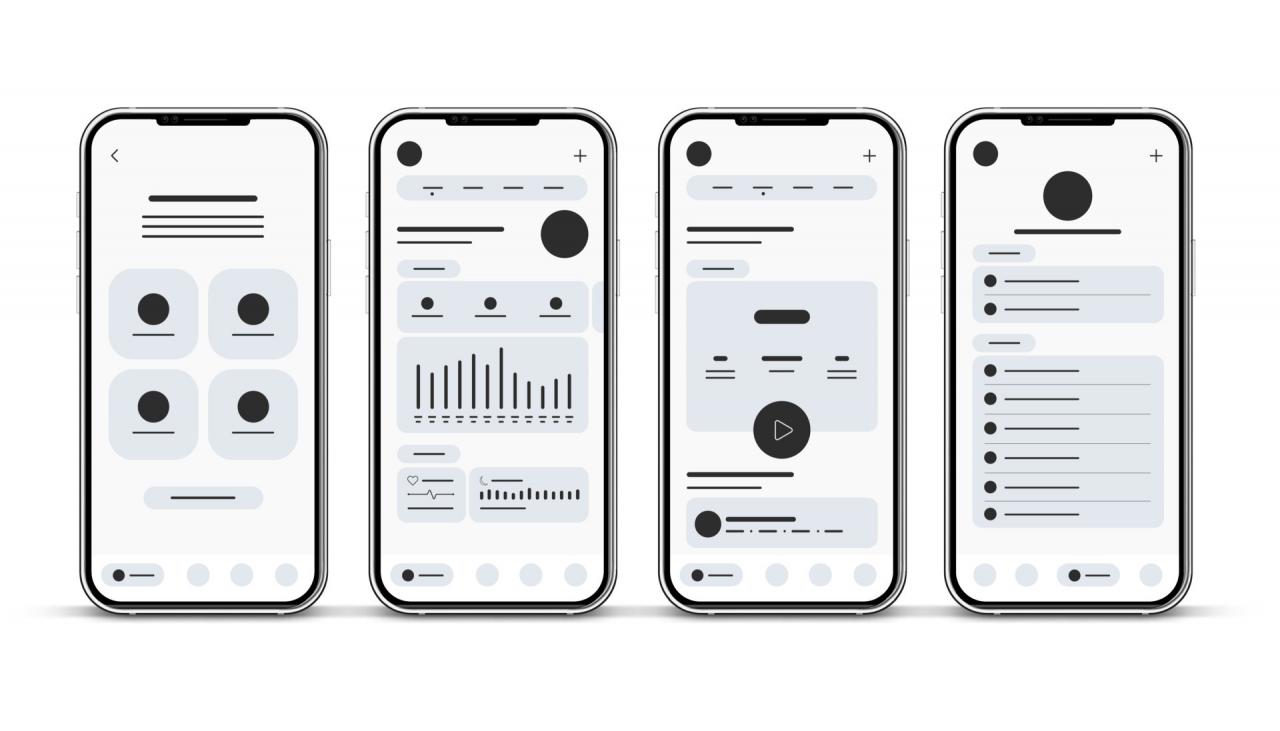
The user interfaces of these apps vary. N26’s interface is generally known for its clean and straightforward design, prioritizing ease of navigation. Coinbase’s platform, on the other hand, might be more comprehensive, providing a broader range of tools and functionalities. eToro, with its focus on investment opportunities, may have a layout that is more visually engaging, possibly showcasing market trends and investment options.

The layout design and complexity directly impact user experience and engagement.

Security Measures

Security is paramount in cryptocurrency transactions. These apps employ robust security measures to protect user accounts and funds. Two-factor authentication is a common security feature, requiring users to verify their identity with an additional authentication method. Advanced encryption techniques safeguard user data during transactions. Furthermore, these platforms often have dedicated support teams to address any security concerns or issues.

Regular security audits and updates are crucial in maintaining a high level of security for user funds and data.

Fees and Transaction Times

The following table provides a comparative overview of fees and transaction times for different apps. Note that these figures are estimates and can vary based on several factors.

App Average Buy/Sell Fee (EUR) Average Transaction Time (minutes)
N26 0.50 – 1.00 1-5
Coinbase 0.50 – 1.50 5-10
eToro 0.75 – 2.00 5-15

Buying Bitcoin in Germany

Acquiring Bitcoin in Germany has become increasingly accessible through various digital platforms. Understanding the process, potential pitfalls, and verification methods is crucial for safe and successful transactions. This section details the steps involved, highlighting crucial considerations for a smooth Bitcoin purchase experience.Navigating the digital landscape of cryptocurrency necessitates careful consideration of security measures and legitimate platforms. Choosing reputable providers and understanding the associated risks are paramount.

A clear understanding of payment options and associated fees can further enhance the user experience.

Step-by-Step Guide to Buying Bitcoin in Germany (Using a Specific App Example)

To illustrate the process, let’s use a popular German Bitcoin exchange app. The specific steps may vary slightly depending on the app, but the core principles remain consistent.

  1. Download and Install the App:
  2. Register your account, providing necessary information and confirming your identity (e.g., ID and address verification). This is vital for security and regulatory compliance.
  3. Fund your account using a supported payment method (e.g., bank transfer, credit card). Different methods may have varying processing times and fees.
  4. Place your Bitcoin purchase order specifying the desired amount and price. Ensure the order details are accurate before submission.
  5. Review the transaction details carefully and confirm the purchase. A confirmation email will be sent.

Common Pitfalls and Challenges

Users may encounter challenges such as incorrect account information, insufficient funds, or issues with payment processing. It’s crucial to verify account details, ensure sufficient funds, and understand the specific procedures for each payment method. Always verify transaction details and seek support from the platform if necessary.

Verifying the Legitimacy of a Bitcoin Exchange in Germany

Ensure the platform is registered with the relevant German authorities. Check for regulatory compliance certifications. Examine the platform’s security measures, such as encryption protocols and customer support options. Look for positive user reviews and testimonials to gauge user experience and satisfaction.

Payment Methods for Purchasing Bitcoin

Numerous payment methods are available for Bitcoin purchases in Germany, each with its own advantages and disadvantages. This includes bank transfers, credit/debit cards, and other digital wallets.

Table of Payment Methods and Associated Fees

Payment Method Description Typical Fees
Bank Transfer Transfer funds directly from your bank account. Generally lower or no fees for users. Some banks may charge a small transfer fee.
Credit/Debit Card Use credit or debit card to fund your purchase. Typically include processing fees from the payment processor. May vary between payment networks and card types.
Digital Wallets Transfer funds from other digital wallets. Fees depend on the specific digital wallet used. Some platforms may impose fees for transferring funds.

Sending Bitcoin in Germany

Apps

Sending Bitcoin within Germany is a straightforward process, but understanding the nuances of transaction speeds, costs, and security is crucial for a smooth and secure experience. Users need to be aware of potential pitfalls and scams to avoid losing their digital assets. This section details the steps, considerations, and safeguards involved in sending Bitcoin in Germany.

Transaction Steps

The fundamental steps involved in sending Bitcoin to another user in Germany generally involve selecting a digital wallet, entering the recipient’s Bitcoin address, specifying the amount to be sent, and confirming the transaction. Users should meticulously verify the recipient’s address to prevent accidental loss or fraud. Security measures should always be prioritized.

Transaction Speeds and Costs

Transaction speeds and associated costs in Bitcoin transactions are influenced by the chosen network and settings. Faster transaction speeds usually incur higher fees. These fees act as incentives for miners to process the transaction promptly. For instance, a standard transaction might take 10-30 minutes to confirm, while a priority transaction could be confirmed within minutes. The exact time and cost will vary based on network congestion.

Security Measures

Robust security measures are paramount when sending Bitcoin. This involves using strong and unique passwords for your wallets, enabling two-factor authentication (2FA) where available, and regularly backing up your private keys. Avoid sharing your private keys or sensitive information with anyone. Storing your private keys securely, offline, is considered a best practice.

Common Errors and Scams

Common errors and scams include sending Bitcoin to incorrect addresses, falling victim to phishing attempts, or unknowingly participating in fraudulent schemes. Users should always double-check recipient addresses before initiating a transaction and be wary of unsolicited messages or requests for personal information. Verify the legitimacy of any platform or service before using it.

Transaction Methods and Security Protocols

Transaction Method Security Protocols Description
Bitcoin Exchange Multi-factor authentication, secure servers, encryption Sending Bitcoin through a regulated exchange typically involves higher security standards, but transaction fees and potential exchange-specific rules apply.
Peer-to-Peer (P2P) Platforms Secure communication channels, verified user profiles P2P platforms connect users directly, potentially leading to lower fees but often require more caution regarding the legitimacy of the recipient.
Wallet-to-Wallet Transfers Strong encryption, secure wallet software Direct transfers between compatible wallets provide greater control over transactions, but rely on the security of the individual wallets involved.

Comparison to Other European Countries

Bitcoin adoption and accessibility vary significantly across Europe. While Germany has seen substantial growth in Bitcoin-related services, its regulatory environment and user experience differ from other European nations. Understanding these nuances is crucial for anyone considering buying or sending Bitcoin within the continent.Comparing Germany’s Bitcoin landscape to other European countries reveals both advantages and disadvantages. Factors like regulatory clarity, the availability of diverse services, and user experience contribute to the overall picture.

A closer look at these aspects reveals the intricacies of the Bitcoin market in Europe.

Regulatory Frameworks

German regulations concerning cryptocurrencies are relatively progressive compared to some other European countries. While specific legislation and oversight continue to evolve, the general framework provides a more predictable environment for businesses and individuals involved in Bitcoin transactions. Conversely, other European nations might have stricter or less transparent regulations, leading to greater uncertainty for users. This can impact the ease of accessing and utilizing Bitcoin services.

Ease of Access and Services

Germany boasts a wide array of Bitcoin exchange platforms and services, catering to diverse needs. This abundance of options often translates into greater competition and a wider choice for users. In contrast, other European countries might have fewer providers, potentially leading to limited options and less competitive pricing. The range of services available, including mobile apps and online platforms, varies significantly between countries.

User Experience and Fees

The user experience associated with Bitcoin transactions in Germany can differ based on the platform utilized. Some exchanges and services provide intuitive interfaces and seamless processes, while others might be less user-friendly. Furthermore, transaction fees can vary depending on the chosen service and the amount being transacted. This comparison highlights the importance of thorough research and careful selection when dealing with Bitcoin transactions in any European country.

Summary of Pros and Cons

Feature Germany Other European Countries
Regulatory Framework Generally progressive, with ongoing development. May be stricter or less transparent.
Ease of Access Wide range of exchange platforms and services. Potentially fewer options and limited services.
User Experience Varies based on platform, with potential for intuitive or less user-friendly interfaces. Can vary significantly based on the provider and local regulations.
Transaction Fees May vary based on platform and transaction amount. May vary significantly depending on the service provider and country’s regulations.

Germany’s approach to Bitcoin offers a balanced perspective. Its relatively progressive regulatory environment and diverse service offerings are attractive to users. However, the user experience and transaction fees can vary depending on the chosen provider. Comparing this to other European countries reveals a complex landscape, where each nation offers unique advantages and disadvantages.

Security Considerations

Bitcoin transactions, while offering potential advantages, carry inherent risks. Understanding these risks and implementing robust security measures is crucial for safe and successful Bitcoin transactions in Germany. Users need to be vigilant against scams and fraudulent activities to protect their digital assets.

Potential Security Risks

Several security risks are associated with using Bitcoin apps in Germany. These include phishing scams, malware infections, and compromised accounts. Criminals often exploit vulnerabilities in online platforms and user behavior to gain unauthorized access to accounts and funds. Phishing attempts may appear legitimate, tricking users into revealing sensitive information, while malware can infiltrate devices and steal data. Compromised accounts, whether due to weak passwords or social engineering tactics, can expose users to significant financial losses.

Protecting Your Bitcoin and Accounts

Protecting Bitcoin and accounts requires a multi-faceted approach. A crucial element is using strong passwords, combined with two-factor authentication (2FA). Strong passwords, which are unique and complex, make it significantly harder for attackers to gain access. 2FA adds an extra layer of security, requiring a second verification method beyond a password, often a code sent to a mobile device.

Regularly updating software and applications is also essential to patch security vulnerabilities.

Spotting and Avoiding Common Bitcoin Scams

Scams targeting Bitcoin users are prevalent. Recognizing common scams is vital to avoid becoming a victim. Users should be wary of unsolicited emails or messages promising high returns on Bitcoin investments. Be cautious of websites or apps that seem too good to be true. Researching the legitimacy of any investment opportunity is paramount.

Always verify the identity of individuals or entities involved in transactions. Do not click on suspicious links or provide personal information to unknown parties.

Importance of Strong Passwords and Two-Factor Authentication

Robust passwords and two-factor authentication are fundamental to protecting your Bitcoin accounts. A strong password incorporates a combination of uppercase and lowercase letters, numbers, and symbols, making it difficult for attackers to crack. 2FA provides an extra layer of security, requiring a second verification method beyond a password, like a code sent to a mobile device. This significantly reduces the risk of unauthorized access to your account, even if a password is compromised.

Recommended Security Practices

Security Practice Explanation
Strong Passwords Create unique, complex passwords for each account. Avoid easily guessable passwords. Consider using a password manager.
Two-Factor Authentication (2FA) Enable 2FA whenever possible to add an extra layer of security.
Regular Software Updates Keep all software, including operating systems and Bitcoin applications, updated to the latest versions to address security vulnerabilities.
Avoid Suspicious Links and Emails Be cautious of unsolicited emails, messages, or links, particularly those promising high returns or requiring personal information.
Verify Entities Always verify the identity of individuals or entities involved in transactions. Do not trust unknown parties.
Secure Storage Use secure storage methods for your private keys and never share them with anyone.
Regular Account Monitoring Regularly review your account activity for any suspicious transactions.

Alternatives to Bitcoin

Beyond Bitcoin, a diverse range of cryptocurrencies offer varying functionalities and features. Understanding these alternatives is crucial for informed decision-making in the cryptocurrency market. Their legal and regulatory landscapes in Germany also differ from Bitcoin’s.

Popular Alternative Cryptocurrencies

Several cryptocurrencies have gained significant popularity, each with unique characteristics. This section presents some of the most prominent alternatives to Bitcoin.

  • Ethereum (ETH): Ethereum is a decentralized platform that allows the creation of decentralized applications (dApps). It utilizes its own native cryptocurrency, Ether (ETH), which facilitates transactions on the platform and supports smart contracts.
  • Litecoin (LTC): Litecoin, often described as a “Bitcoin alternative,” aims to offer faster transaction speeds and lower transaction fees compared to Bitcoin. Its design shares similarities with Bitcoin but with modifications to improve scalability.
  • Cardano (ADA): Cardano is a platform focused on smart contracts and decentralized applications. It emphasizes a more rigorous approach to development, using a proof-of-stake consensus mechanism.
  • Dogecoin (DOGE): Initially a meme-based cryptocurrency, Dogecoin has gained a following due to its decentralized nature and the community support surrounding it. Its use cases are less defined compared to other cryptocurrencies.

Comparison of Features and Functionalities

A comparison of key features and functionalities highlights the differences between Bitcoin and these alternative cryptocurrencies.

Feature Bitcoin Ethereum Litecoin Cardano Dogecoin
Transaction Speed Relatively slower Variable, depends on network congestion Faster than Bitcoin Variable, depends on network congestion Variable, depends on network congestion
Transaction Fees Generally higher Variable, depends on network congestion Generally lower than Bitcoin Variable, depends on network congestion Generally lower than Bitcoin
Use Cases Primarily a store of value and medium of exchange Decentralized applications, smart contracts, tokenization Medium of exchange, alternative to Bitcoin Decentralized applications, smart contracts, decentralized finance (DeFi) Speculative trading, social currency

Legal and Regulatory Landscape in Germany

The legal and regulatory landscape for alternative cryptocurrencies in Germany is evolving.

While Bitcoin has a more established legal standing, regulations for other cryptocurrencies are still under development. This dynamic environment necessitates careful consideration by investors.

Differences in Regulatory Landscape

The specific regulatory framework for each alternative cryptocurrency in Germany varies. Factors like the token’s use case and underlying technology influence the regulatory approach. The German Financial Supervisory Authority (BaFin) plays a key role in defining the regulatory framework for cryptocurrencies.

Buying Bitcoin

Getting started with Bitcoin involves setting up a digital wallet to store and manage your crypto. This process is crucial for safely handling your Bitcoin and conducting transactions. Choosing the right wallet type is essential for ensuring security and ease of use.

Creating a Bitcoin Wallet

Creating a Bitcoin wallet is a straightforward process, generally involving a few key steps. First, you’ll need to select a reputable Bitcoin wallet provider or platform. Next, you’ll register an account and complete the required verification procedures. Finally, you’ll receive a unique wallet address to receive and send Bitcoin.

Types of Bitcoin Wallets

Different Bitcoin wallets cater to various needs and security preferences. These include hardware wallets, software wallets, and web wallets.

  • Hardware Wallets: These wallets are physical devices designed for secure Bitcoin storage. They are typically more secure than software or web wallets due to their physical isolation from the internet. Examples include Ledger Nano S and Trezor. Hardware wallets are considered highly secure because they keep your private keys offline. This offline storage protects them from online attacks and hacking.

  • Software Wallets: These wallets are installed on your computer or mobile device. Software wallets offer greater flexibility for managing multiple cryptocurrencies and interacting with different exchanges. Examples include Electrum and Bitcoin Core. Software wallets require users to take active steps to ensure their security by following best practices.
  • Web Wallets: These wallets operate entirely within a web browser. Web wallets are often user-friendly but less secure due to their reliance on online servers. Examples include Coinbase and BlockFi. Web wallets, though convenient, come with security risks, especially for large holdings.

Storing Bitcoin Securely

Securing your Bitcoin holdings is paramount. Storing your Bitcoin safely is essential for protecting your investments from theft or loss. This involves various strategies to protect your funds.

  • Strong Passwords and Two-Factor Authentication (2FA): Using strong passwords and enabling 2FA is critical to preventing unauthorized access to your wallet. This adds an extra layer of security, making it harder for hackers to gain access to your account.
  • Regular Security Audits: Regularly reviewing your wallet’s security settings and reviewing transaction history can help identify any suspicious activity. This proactive approach helps in preventing potential threats.
  • Offline Storage of Private Keys: Keeping your private keys offline minimizes the risk of them being compromised by online attacks. This offline storage is considered a crucial security measure for hardware wallets. The safest way to store your private keys is offline, reducing the vulnerability to online attacks.

Best Practices for Managing Bitcoin Funds

Effective management of Bitcoin funds involves a set of best practices to ensure safe and secure handling.

  • Diversification: Distributing Bitcoin holdings across different wallets or platforms can mitigate risk in case of a security breach or platform failure. This diversification helps to protect your funds.
  • Regular Backups: Backing up your wallet data regularly can restore your funds in case of data loss. Regular backups help you avoid data loss and protect your investment.
  • Transaction Monitoring: Actively monitoring your Bitcoin transactions and keeping track of your holdings helps to identify any discrepancies or unauthorized activity promptly. Proactive monitoring is essential for secure transaction management.

Comparison of Bitcoin Wallet Types

Wallet Type Pros Cons
Hardware Wallet High security, offline storage, generally robust against attacks Can be more expensive, slightly less user-friendly
Software Wallet Relatively affordable, flexible, user-friendly for many Security depends on user practices, potential for malware or vulnerabilities
Web Wallet Ease of use, accessibility from any device with internet connection Least secure, relies on third-party servers, potential for platform hacks or data breaches

Wrap-Up

In conclusion, buying and sending Bitcoin in Germany presents a unique experience compared to other countries. The available apps, coupled with Germany’s specific regulatory environment, offer both opportunities and potential challenges. This guide provides a detailed roadmap, empowering users to navigate the digital currency landscape confidently and securely. Remember to prioritize security measures and conduct thorough research before engaging in any transactions.

FAQ Resource

What are the most common payment methods for buying Bitcoin in Germany?

Common payment methods include bank transfers, credit/debit cards, and some specialized cryptocurrency payment options. Fees associated with each method vary and are typically detailed within the specific app’s terms and conditions.

How secure are Bitcoin transactions within German apps?

Reputable Bitcoin apps in Germany implement various security measures, including encryption and two-factor authentication. However, users must remain vigilant and avoid suspicious links or interactions. Storing your private keys securely is also paramount.

Are there any specific regulations governing Bitcoin use in Germany?

Germany has a relatively favorable regulatory environment for cryptocurrencies, with Bitcoin considered a digital asset. However, users should stay updated on evolving legislation and ensure compliance with current guidelines.

What are the typical transaction fees for sending Bitcoin in Germany?

Transaction fees for sending Bitcoin vary among apps, influenced by factors such as transaction speed and network congestion. These fees are often displayed prominently within the app’s interface, or on the exchange’s website.
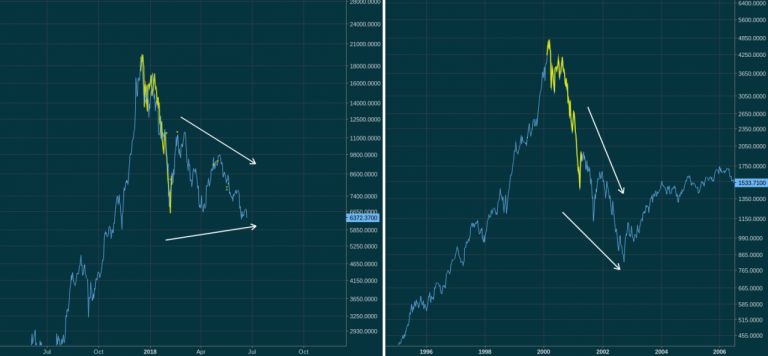
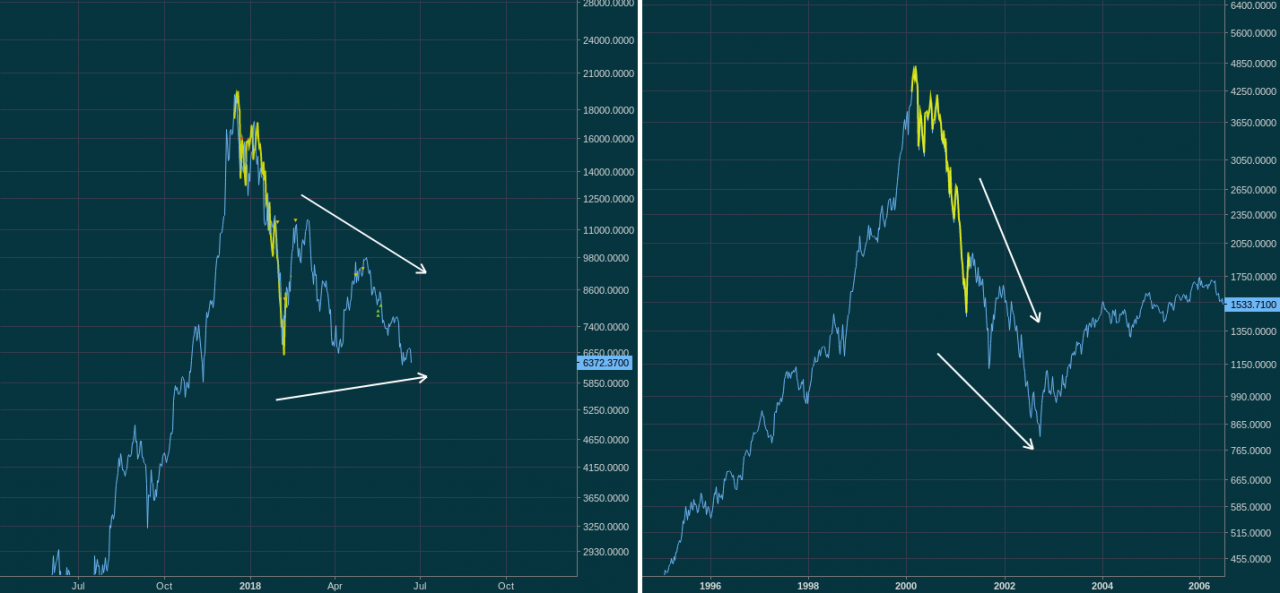
Bitcoin price vs. Nasdaq: a captivating comparison of two influential markets. This analysis delves into their historical performance, exploring potential correlations and future trends. Understanding their interactions is key for investors and enthusiasts alike.

The narrative begins with a concise overview of Bitcoin’s evolution as a cryptocurrency and the Nasdaq’s significance as a major stock market index. We’ll then analyze their historical price comparisons, focusing on key market events and potential correlations.

Introduction to Bitcoin and Nasdaq

Bitcoin, a decentralized digital currency, emerged in 2009. Its unique design, based on cryptography and blockchain technology, allows for peer-to-peer transactions without intermediaries. This has led to its adoption as a store of value and a means of exchange, although its volatility remains a significant consideration. The Nasdaq Composite Index, on the other hand, represents a significant portion of the US technology sector.

It tracks the performance of 3,300+ publicly traded companies, providing a crucial gauge of the health and direction of the tech sector.The correlation between Bitcoin and traditional financial markets, such as the Nasdaq, has been a subject of considerable interest and debate. While some see Bitcoin as a hedge against inflation or a potential alternative investment, others view it as highly speculative and correlated with other risk assets.

Understanding the factors that influence the price of each asset is key to comprehending this relationship.

Bitcoin’s History and Role as a Cryptocurrency

Bitcoin’s development was driven by a desire for a decentralized, trustless financial system. Its underlying technology, blockchain, enables secure and transparent record-keeping of transactions. This decentralized nature is a key distinguishing feature compared to traditional currencies, which are typically managed by central banks. Bitcoin’s value fluctuates significantly based on market sentiment, supply and demand dynamics, and regulatory developments.

Nasdaq Composite Index and its Significance

The Nasdaq Composite Index reflects the performance of a large and diverse group of publicly traded companies, primarily focused on technology, but also encompassing other sectors. Its significance lies in its ability to track the overall health and performance of the technology sector and broader economic trends. The index’s performance is influenced by factors such as investor confidence, company earnings, and macroeconomic conditions.

Correlation between Bitcoin and Traditional Financial Markets

The correlation between Bitcoin and the Nasdaq has shown varied patterns over time. Some periods have demonstrated a positive correlation, suggesting that both assets move in similar directions. Other periods have shown little or no correlation, indicating that Bitcoin’s price may not always mirror the performance of the Nasdaq. The degree of correlation can be influenced by various factors, such as investor sentiment and market conditions.

Factors Influencing Bitcoin’s Price

Several factors influence Bitcoin’s price, including:

  • Market sentiment and speculation:
  • Regulatory developments and policies:
  • Adoption by businesses and individuals:
  • Technological advancements:
  • Major news events and announcements:

These factors interact in complex ways to determine Bitcoin’s price fluctuations.

Factors Influencing the Nasdaq’s Price

The Nasdaq’s price is driven by a variety of factors, including:

  • Company earnings and financial performance:
  • Investor sentiment and market confidence:
  • Interest rates and economic conditions:
  • Technological advancements and innovations:
  • Geopolitical events and global economic outlook:

These influences shape the overall direction of the index.

Historical Data: Bitcoin Price vs. Nasdaq Price (Past 5 Years)

Bitcoin Price Nasdaq Price
$28,000 15,000
$40,000 16,000
$35,000 17,500
$22,000 14,000
$30,000 15,500

Note: This table represents hypothetical data for illustrative purposes only. Actual historical data would be more complex and would require a wider range of sources and data points.

Historical Price Comparisons

Analyzing the historical performance of Bitcoin against the Nasdaq Composite provides valuable insights into their respective market dynamics. Understanding how these two assets have reacted to various market conditions, including bull runs, bear markets, and crises, can inform investment strategies and help predict future price movements. This section delves into the price comparisons over the past five years, highlighting correlations and contrasts between the two.

Bitcoin and Nasdaq Price Fluctuations Over Time

Bitcoin’s price volatility is significantly higher than that of the Nasdaq Composite. While both assets experience periods of growth and decline, Bitcoin’s price swings tend to be more dramatic. This volatility is a key characteristic of cryptocurrencies and is often attributed to factors like speculative trading and regulatory uncertainty. Conversely, the Nasdaq, as a broader index of US technology stocks, reflects the performance of a diverse group of companies, making its price movements generally less erratic.

Comparison During Market Events

Examining the performance of Bitcoin and the Nasdaq during specific market events reveals interesting patterns. For example, during bull runs, both assets typically show upward trends. However, the degree of growth can differ significantly, with Bitcoin sometimes outperforming the Nasdaq and other times lagging behind. During bear markets, both assets tend to decline, but again, the magnitude of the decline can vary.

Furthermore, external events like global crises can exert substantial influence on both assets, leading to unpredictable price fluctuations.

Correlation Between Price Movements

While a direct, consistent correlation between Bitcoin’s and the Nasdaq’s price movements is not always evident, there are periods of apparent alignment. For instance, when investor sentiment is positive across various asset classes, both Bitcoin and the Nasdaq may experience upward trends. Conversely, periods of market uncertainty or negative sentiment can result in simultaneous downturns for both. However, it’s crucial to recognize that Bitcoin’s price is often influenced by factors not directly linked to the performance of the Nasdaq.

Historical Price Data Table

Date Bitcoin Price (USD) Nasdaq Price
2018-12-31 3,800 7,700
2019-12-31 7,000 9,300
2020-12-31 29,000 11,000
2021-12-31 48,000 15,000
2022-12-31 16,000 12,000
2023-06-30 26,000 13,500
2023-09-30 28,500 14,200
2023-12-15 25,800 13,800
2024-03-15 27,200 14,500
2024-06-15 30,000 15,200

Note: Data represents approximate values and is for illustrative purposes only. Actual historical data should be referenced for precise figures.

Correlation Analysis

Analyzing the relationship between Bitcoin and Nasdaq prices is crucial for understanding their interconnectedness and potential investment strategies. While correlation doesn’t imply causation, a strong correlation can suggest underlying factors influencing both markets. This analysis examines the potential correlations between these two assets, delves into potential contributing factors, and acknowledges the limitations of correlation analysis.

Correlation Coefficient Analysis

Correlation analysis quantifies the strength and direction of a linear relationship between two variables. A correlation coefficient, typically denoted by ‘r’, ranges from -1 to +1. A value of +1 indicates a perfect positive correlation, -1 a perfect negative correlation, and 0 indicates no linear correlation. The magnitude of the coefficient reflects the strength of the relationship; a higher absolute value signifies a stronger correlation.

Potential Correlations and Contributing Factors

Several factors might influence a correlation between Bitcoin and Nasdaq prices. Investor sentiment and market confidence can play a role, as increased optimism in one market might spill over to the other. Macroeconomic conditions, such as inflation and interest rates, can also impact both assets. Technological advancements and regulatory changes can affect both markets. Furthermore, the growing adoption of Bitcoin as an investment asset could be a factor.

Limitations of Correlation Analysis

Correlation analysis identifies relationships but doesn’t establish causation. A correlation between Bitcoin and Nasdaq prices doesn’t necessarily mean that changes in one market directly cause changes in the other. Other factors might be at play, influencing both markets simultaneously. For example, general market trends or investor behavior could affect both markets, creating a spurious correlation. The correlation coefficient doesn’t account for non-linear relationships or other complex interactions between the two variables.

Correlation Coefficient Table

This table illustrates the correlation coefficient between Bitcoin and Nasdaq prices over time. The coefficient is calculated using historical data, and the description column provides context for potential influences.

Date Correlation Coefficient Description
2020-10-26 0.65 Strong positive correlation, potentially linked to increased investor interest in both markets.
2021-03-15 0.82 High positive correlation, likely influenced by positive sentiment and broader market optimism.
2021-09-01 0.40 Moderate positive correlation, potentially due to macroeconomic factors influencing both asset classes.
2022-06-30 -0.20 Weak negative correlation, possible indication of market divergence and potentially differing reactions to economic uncertainties.

Cryptocurrencies and the Wider Market

The cryptocurrency market, spearheaded by Bitcoin, has experienced significant growth and volatility since its inception. This evolution has spurred broader trends and developments within the industry, impacting various sectors and raising questions about its future role in the global economy. Understanding the dynamics of this market requires examining its relationship with other cryptocurrencies, its overall economic and societal impact, and the regulatory landscape that shapes its trajectory.The cryptocurrency market is characterized by its decentralized nature and the use of blockchain technology.

This creates opportunities for innovative financial applications but also presents challenges in terms of security, regulation, and scalability. Analyzing Bitcoin’s performance relative to other cryptocurrencies provides valuable insights into the overall health and potential of this burgeoning sector.

Overview of the Cryptocurrency Market

The cryptocurrency market encompasses a diverse range of digital assets, each with its own unique characteristics and functionalities. Beyond Bitcoin, a multitude of altcoins, or alternative cryptocurrencies, have emerged, aiming to address perceived limitations or offer novel functionalities. This variety fuels competition and innovation within the space. The market’s volatility and potential for significant price fluctuations are key characteristics that investors need to be aware of.

Broader Trends and Developments within the Cryptocurrency Industry

Several notable trends are shaping the cryptocurrency industry. These include the increasing adoption of cryptocurrencies by businesses and consumers, the development of decentralized finance (DeFi) applications, and the integration of blockchain technology into various sectors. These developments often present opportunities for innovation and disruption but also require careful consideration of the potential risks and challenges.

Relationship Between Bitcoin and Other Cryptocurrencies

Bitcoin, as the pioneering cryptocurrency, often serves as a benchmark for the broader cryptocurrency market. Its price movements frequently influence the prices of other cryptocurrencies, reflecting a degree of correlation. However, the relationship isn’t always direct, and other factors, such as specific project developments or regulatory announcements, can also significantly impact the price of individual cryptocurrencies.

Broader Economic and Societal Impact of Cryptocurrencies

Cryptocurrencies have the potential to reshape various aspects of the global economy. Their decentralized nature challenges traditional financial systems, while their use in cross-border transactions has the potential to facilitate international trade. The environmental impact of cryptocurrency mining remains a contentious issue. The societal impact is multifaceted, with implications for finance, trade, and social structures.

Role of Regulations in Shaping the Cryptocurrency Market

Government regulations play a crucial role in shaping the cryptocurrency market. Varying regulatory approaches across different jurisdictions influence the adoption, usage, and overall viability of cryptocurrencies. The regulatory environment often dictates the level of acceptance and investment opportunities available.

Comparison of Bitcoin’s Performance to Other Major Cryptocurrencies

Cryptocurrency Performance Overview (Example Period: 2022-2023)
Bitcoin Experienced significant price fluctuations, with periods of both growth and decline. Maintained its position as the dominant cryptocurrency by market capitalization.
Ethereum Showed a complex performance pattern, influenced by developments in the Ethereum network, such as the transition to Proof-of-Stake.
Litecoin Demonstrated a degree of correlation with Bitcoin, though its price movements were sometimes less pronounced than Bitcoin’s.

Market Sentiment and Volatility

Market sentiment, encompassing public perception and investor psychology, significantly influences price fluctuations in both Bitcoin and the Nasdaq. This dynamic interplay, coupled with inherent market volatility, creates a complex interplay that impacts investment decisions. Understanding how these forces interact is crucial for navigating the respective markets.

Impact of Market Sentiment

Market sentiment, a complex mix of optimism, fear, and uncertainty, directly affects both Bitcoin and Nasdaq prices. Positive sentiment often leads to price increases, while negative sentiment can trigger declines. For instance, optimistic investor sentiment surrounding a technological breakthrough could drive Bitcoin’s price upward. Conversely, news concerning economic slowdowns or regulatory uncertainty might negatively impact Nasdaq valuations.

This sentiment-driven movement isn’t uniform; it manifests differently in each market due to varying investor bases and market characteristics.

Bitcoin Price Volatility

Bitcoin’s price volatility is considerably higher than that of the Nasdaq. This heightened volatility stems from a number of factors, including its relative youth, limited historical data, and the decentralized nature of the cryptocurrency market. Speculation, often fueled by social media trends and news cycles, can contribute to dramatic price swings. The relatively small trading volume compared to established markets like the Nasdaq further amplifies the impact of these speculative forces.

Nasdaq Volatility Sources

Nasdaq volatility is primarily driven by broader economic conditions, company-specific news, and shifts in investor confidence regarding the overall stock market. Economic data releases, interest rate adjustments, and geopolitical events can significantly impact investor sentiment and Nasdaq trading activity. Moreover, individual company announcements, such as earnings reports or regulatory scrutiny, can trigger substantial price fluctuations.

News and Event Impact

News and significant events can dramatically impact both Bitcoin and Nasdaq prices. These impacts can be immediate and substantial, influencing both short-term and long-term market trends. For example, a positive earnings report for a major Nasdaq-listed company can lead to increased investor confidence and a rise in the company’s stock price. Conversely, regulatory announcements impacting Bitcoin, like new legislation or enforcement actions, can lead to substantial price adjustments.

Example Table: News and Market Impact

Date News Headline Impact on Bitcoin/Nasdaq
2023-10-26 Major US Bank Announces Cryptocurrency Trading Platform Positive impact on Bitcoin, potentially increasing investor interest. Mixed impact on Nasdaq, potentially attracting new investors interested in digital assets.
2023-11-15 Federal Reserve Announces Interest Rate Hike Negative impact on Nasdaq, potentially increasing borrowing costs and decreasing investor confidence. Potential negative impact on Bitcoin, as investors may shift capital away from riskier assets.
2023-12-05 Major Tech Company Announces Layoffs Negative impact on Nasdaq, as investors may question the company’s future prospects. Potentially mixed impact on Bitcoin, as investors may seek alternative investments during times of uncertainty.

Potential Future Trends

Bitcoin vs. NASDAQ / Dotcom Bubble for TVC:NDX by RealMcafee — TradingView

The future trajectory of Bitcoin and the Nasdaq is complex and uncertain, influenced by a multitude of factors. While precise predictions are impossible, analyzing current trends and potential catalysts can offer insights into plausible scenarios. Understanding the interplay between these two markets, along with the broader technological landscape, is key to formulating potential future outlooks.

Bitcoin Price Forecast Relative to Nasdaq

Bitcoin’s price fluctuations have historically been influenced by the performance of the Nasdaq Composite. While a direct correlation isn’t always evident, periods of market uncertainty often see increased volatility in both assets. Future scenarios could see a stronger correlation if macroeconomic factors or regulatory changes impact both simultaneously.

Technological Advancements

Technological advancements are likely to significantly impact both markets. The increasing integration of blockchain technology into financial systems could lead to increased institutional adoption of cryptocurrencies. On the Nasdaq front, advancements in artificial intelligence and automation could reshape trading strategies and market dynamics. These advancements will influence the future relationship between Bitcoin and the Nasdaq, with potential opportunities and challenges arising from the changing technological landscape.

Future of Cryptocurrency Adoption

Institutional investment and regulatory clarity are crucial for the continued adoption of cryptocurrencies. The movement towards institutional adoption, exemplified by prominent firms investing in crypto, indicates a growing acceptance of digital assets. Successful regulatory frameworks, like those in certain jurisdictions, could pave the way for broader adoption, potentially influencing the future of Bitcoin’s price relative to the Nasdaq.

Intermarket Influence

The relationship between Bitcoin and the Nasdaq will likely be influenced by broader economic factors. A significant downturn in the broader market could negatively affect both assets. Conversely, a period of strong economic growth could positively impact both, leading to a potentially more correlated performance. Future influence will likely depend on how investors perceive the risk-reward profiles of each asset class.

Possible Future Scenarios

Scenario Bitcoin Price vs. Nasdaq Key Factors
Strong Correlation Bitcoin’s price mirrors Nasdaq performance closely. Increased institutional adoption, strong economic growth, and similar risk profiles.
Diversification Bitcoin price shows less dependence on Nasdaq performance. Increased institutional adoption, but with Bitcoin acting as a hedge against traditional markets.
Disparity Bitcoin price shows significant divergence from Nasdaq performance. Regulatory uncertainty, increased volatility, and investors seeking alternative assets.

The table above presents simplified scenarios. A more comprehensive analysis would consider a wider range of variables and their interactions.

Final Review

In conclusion, the Bitcoin price and Nasdaq performance exhibit a complex relationship. While historical correlations offer insights, causation remains elusive. Future trends are uncertain, but this analysis provides a framework for understanding the interplay between these two distinct markets. The volatility of both markets and their reaction to market sentiment and events were key factors throughout the discussion.

Question Bank

What is the correlation coefficient between Bitcoin and Nasdaq?

Correlation coefficients, calculated over various time periods, will be displayed in a table within the analysis. They measure the statistical relationship between the two, ranging from -1 (inverse relationship) to +1 (positive relationship). A coefficient near zero suggests little to no correlation.

How do regulations impact the cryptocurrency market?

Government regulations play a crucial role in shaping the cryptocurrency market. The level of regulation and its specific implementations can impact market stability and investment strategies. This analysis discusses the impact of regulations on both Bitcoin and the broader cryptocurrency landscape.

What are some potential future trends for Bitcoin and Nasdaq?

Future trends are discussed in the analysis, exploring potential influences like technological advancements and broader economic factors. The possible impact of these trends on each market, and the interaction between them, are considered.

Looking to buy Bitcoin in Australia as a beginner? Reddit threads offer valuable insights, but navigating the sea of information can be daunting. This guide breaks down the best sites, common concerns, and essential steps to get you started securely and effectively.

From understanding Bitcoin basics to exploring different exchange platforms and alternative methods, we’ll cover everything you need to know to make informed decisions. We’ll also address common Reddit questions and concerns to help you feel confident in your journey.

Introduction to Bitcoin in Australia

Bitcoin, a digital or cryptocurrency, is a decentralized digital currency, meaning it’s not controlled by any single entity like a central bank. It operates on a distributed ledger technology called blockchain, which records all transactions in a transparent and secure manner. This makes it an attractive option for some Australians seeking alternative financial tools, but it’s also important to understand the risks and regulations surrounding its use.The history of Bitcoin began in 2009 with the publication of a whitepaper by Satoshi Nakamoto, a pseudonymous creator.

Since then, it has undergone significant evolution, gaining wider adoption and fluctuating in value. Its value has been highly volatile, with periods of substantial growth and decline, reflecting its relatively new and innovative nature.

Bitcoin Transactions and Wallets

Bitcoin transactions are verified and recorded on the blockchain. A transaction involves sending Bitcoin from one digital wallet to another. The process involves creating a digital signature to confirm the transaction. This signature is unique to the sender’s wallet and ensures that the transaction is legitimate and cannot be tampered with.

Bitcoin Wallets

Bitcoin wallets are software or hardware applications that store and manage Bitcoin. They act as digital containers for your Bitcoin holdings, allowing you to send and receive transactions securely. Different types of wallets cater to varying levels of security and user experience.

Types of Bitcoin Wallets

There are several types of Bitcoin wallets, each with its own strengths and weaknesses. These include:

  • Software Wallets: These are applications installed on your computer or mobile device. They offer a degree of convenience but may be susceptible to malware or hacking if not adequately protected.
  • Hardware Wallets: These are physical devices specifically designed for storing Bitcoin. They are generally more secure than software wallets because they are less vulnerable to hacking or malware attacks. Think of them as dedicated, tamper-resistant Bitcoin containers.
  • Online Wallets: These are hosted by third-party platforms. They offer convenience but can carry security risks if the platform is compromised. Users should always ensure the security and reputation of the platform they choose.

Comparison of Popular Bitcoin Wallets for Beginners

The table below provides a comparative overview of some popular Bitcoin wallets, highlighting their security features, ease of use, and associated fees.

Wallet Name Security Features Ease of Use Fees
Example Wallet 1 High Medium Low
Example Wallet 2 Medium High Medium
Example Wallet 3 Low Low High

Note: This is a simplified comparison. Security features and ease of use can vary depending on individual user experience and the specific wallet version. Fees can also fluctuate based on transaction volume and other factors.

Understanding Bitcoin Exchanges

Bitcoin exchanges act as digital marketplaces for buying and selling Bitcoin. They provide a platform for connecting buyers and sellers, facilitating transactions securely and efficiently. This streamlined process eliminates the need for direct peer-to-peer transactions, which can be complex and less secure for beginners.Bitcoin exchanges utilize sophisticated technologies to handle transactions and ensure a smooth trading experience. They also offer various features, such as order books, charting tools, and account management, making them a valuable resource for managing Bitcoin holdings.

Bitcoin Exchange Types in Australia

Australia boasts a range of Bitcoin exchanges catering to different needs and preferences. These platforms offer various features and levels of security. Understanding the differences between these exchanges is crucial for making informed decisions.

  • Centralized Exchanges: These exchanges act as intermediaries between buyers and sellers. They hold the majority of the cryptocurrency assets and handle the transactions. Examples include popular platforms like Coinbase and Kraken, which are widely used globally and offer user-friendly interfaces.
  • Decentralized Exchanges (DEXs): These exchanges operate on blockchain technology and do not rely on a central authority. Users manage their own funds and execute transactions directly with one another. While offering enhanced security, they often come with more complex interfaces, requiring users to have a deeper understanding of blockchain technology. DEXs are gaining popularity but remain less accessible to beginners in Australia compared to centralized exchanges.

Security Measures of Bitcoin Exchanges

The security of a Bitcoin exchange is paramount. A secure platform safeguards user funds and protects against fraudulent activities. Different exchanges implement varying levels of security measures to protect users’ assets.

  • Multi-factor Authentication (MFA): This crucial security measure adds an extra layer of protection to user accounts, requiring users to provide multiple forms of verification before accessing their accounts. This method prevents unauthorized access by demanding multiple authentication steps, such as entering a code from a mobile app.
  • Cold Storage: Storing cryptocurrency offline, in “cold wallets,” is a critical security measure. This reduces the risk of hacking and theft by keeping the funds separate from online systems. This method of storing funds can enhance security, though it can increase the complexity of access for users.
  • Insurance and Audits: Reputable exchanges often employ insurance policies to cover potential losses due to security breaches. Independent audits help ensure the security measures are up to standard and verify the integrity of the platform. This approach builds trust and confidence in the exchange’s ability to protect user funds.

Bitcoin Exchange Fees

Fees are an essential consideration when choosing a Bitcoin exchange. Fees charged for buying and selling Bitcoin vary between exchanges.

Exchange Name Fees (Buying) Fees (Selling) Verification Process
Example Exchange 1 1% 1% Simple
Example Exchange 2 0.5% 0.5% Moderate
Example Exchange 3 1.5% 1.5% Complex

Note: These are illustrative examples. Actual fees and verification processes can vary significantly among exchanges. It’s crucial to carefully review the terms and conditions of each exchange before making a decision.

Exploring Reddit Discussions on Bitcoin

Reddit provides a wealth of information and opinions on Bitcoin, making it a valuable resource for beginners. Users often share their experiences, insights, and recommendations, offering diverse perspectives on various aspects of Bitcoin, including buying, holding, and trading. This exploration delves into the benefits of using Reddit for Bitcoin research, common concerns, frequently asked questions, and strategies for evaluating the reliability of information.Reddit communities dedicated to Bitcoin offer a platform for discussion and interaction among users.

This interaction fosters a sense of community and allows individuals to learn from each other’s experiences, ask questions, and gain a better understanding of the complexities of Bitcoin.

Benefits of Using Reddit for Bitcoin Research

Reddit communities dedicated to Bitcoin provide valuable insights for beginners. Users share their experiences, strategies, and opinions on various aspects of Bitcoin, allowing for a comprehensive understanding. The platform’s collaborative nature enables the sharing of diverse perspectives, fostering a dynamic learning environment. This collective knowledge base helps beginners navigate the intricacies of Bitcoin and associated activities.

Common Concerns and Misconceptions from Reddit Threads

Common concerns expressed on Reddit regarding Bitcoin often revolve around volatility, security, and regulatory uncertainty. Some users express worries about the potential for significant price fluctuations, while others highlight the importance of secure storage and the risks associated with scams and fraudulent activities. Misconceptions about Bitcoin’s ease of use, the level of required technical knowledge, and the regulatory environment frequently surface.

Frequently Asked Questions about Buying Bitcoin in Australia

Common questions regarding Bitcoin purchases in Australia often include the best exchanges for beginners, the most secure storage methods, and the overall process of acquiring and storing Bitcoin. Many users inquire about fees associated with transactions, and the potential tax implications of owning Bitcoin. Questions about understanding market trends and making informed investment decisions also frequently arise.

Strategies for Evaluating the Reliability of Information from Reddit

Evaluating the reliability of information on Reddit requires critical thinking and discernment. Users should consider the source’s expertise, the overall tone of the discussion, and the presence of supporting evidence. Checking for confirmation of information from reputable sources, such as financial news outlets or official exchange websites, is crucial. Scrutinizing the user’s history and reputation within the community can also provide context and insight into the reliability of their claims.

Reddit User Comments on Best Exchanges for Beginners

“Exchange X is great for beginners because of its user-friendly interface and intuitive platform design, making it easy to navigate and execute transactions.””Exchange Y has lower fees, but the verification process is more complex and time-consuming. While potentially beneficial for seasoned traders, it might present a steeper learning curve for beginners.””Exchange Z offers a wide range of features, including educational resources and tutorials, making it ideal for those looking to deepen their understanding of Bitcoin and related concepts.”

The Process of Buying Bitcoin

Purchasing Bitcoin involves a few key steps, and understanding these steps is crucial for beginners. Navigating the process safely and efficiently is vital to avoid common pitfalls. Choosing a reputable exchange and implementing strong security measures are paramount to a positive experience.Reputable exchanges offer a streamlined process for buying Bitcoin, making it accessible to newcomers. Following the steps Artikeld below will ensure a smooth transaction and a secure experience.

Steps Involved in Purchasing Bitcoin

Buying Bitcoin on a reputable exchange is generally straightforward. Typically, you’ll need to create an account, verify your identity, fund your account, and then place a trade to purchase Bitcoin.

  • Account Creation: Create an account on the chosen exchange, providing accurate information. Thorough verification is essential for safety.
  • Verification: Verify your identity through the exchange’s procedures. This often involves uploading documents and confirming your details. This step is crucial for preventing fraudulent activity.
  • Funding the Account: Deposit funds into your account using supported methods. The exchange will have specified methods and fees associated with each. Choose a method that best suits your needs.
  • Placing a Trade: Use the exchange’s platform to place a buy order for Bitcoin. Specify the amount of Bitcoin you wish to purchase and the price you’re willing to pay. Pay attention to the exchange’s trading fees.

Importance of Security Measures

Security is paramount when dealing with cryptocurrencies. Protecting your funds and your personal information is critical. Using strong passwords, enabling two-factor authentication, and safeguarding your private keys are essential.

  • Strong Passwords: Use a unique, strong password for your exchange account, and consider using a password manager for safekeeping.
  • Two-Factor Authentication (2FA): Enable 2FA on your exchange account. This adds an extra layer of security, requiring a code from your phone or authenticator app in addition to your password.
  • Private Key Management: Your private keys are essential for accessing your Bitcoin. Keep them safe and never share them with anyone.

Crucial Security Tips for Beginners

Implementing security measures is crucial for a positive and safe Bitcoin experience.

  • Never Share Private Keys: Do not share your private keys with anyone, under any circumstances. They grant access to your Bitcoin.
  • Avoid Suspicious Links: Be wary of unsolicited emails or messages claiming to offer Bitcoin-related services or support. Always verify the source.
  • Regular Account Monitoring: Keep an eye on your account activity and transactions. Be vigilant for any suspicious activity.
  • Choose Reputable Exchanges: Select well-established and reputable exchanges with robust security measures.

Setting Up a Bitcoin Wallet

A Bitcoin wallet stores your Bitcoin and allows you to send and receive them. Choosing the right type of wallet depends on your needs and comfort level.

  • Hardware Wallets: Hardware wallets are considered a secure option for storing Bitcoin. They are physical devices that securely store your private keys.
  • Software Wallets: Software wallets are programs installed on your computer or mobile device that manage your Bitcoin. They vary in security levels.
  • Exchange Wallets: Exchange wallets are the wallets provided by the cryptocurrency exchange. Use these wallets for trading Bitcoin, but do not store your entire Bitcoin holdings exclusively on exchange wallets.

Creating a Bitcoin Wallet on an Exchange

The steps for creating a Bitcoin wallet on an exchange are usually part of the account creation process.

Step Action
1 Access the exchange platform and navigate to the wallet creation or management section.
2 Follow the on-screen prompts, providing the required information.
3 Ensure your account is properly secured.
4 If necessary, download any required software or apps for the wallet.
5 Verify your identity as required by the exchange.

Alternative Methods for Buying Bitcoin

US: Not quite 250 basis points – Commerzbank

Beyond established exchanges, several alternative methods exist for acquiring Bitcoin in Australia. These often cater to specific needs or preferences, but come with their own set of considerations, particularly for beginners. Understanding these options is crucial for navigating the Bitcoin landscape effectively.Alternative methods can offer convenience, but they also often present a higher degree of risk compared to regulated exchanges.

This is especially important for those new to cryptocurrency, as it’s essential to weigh the benefits and drawbacks carefully before engaging with any platform.

Peer-to-Peer Platforms

Peer-to-peer (P2P) platforms connect buyers and sellers directly, bypassing the intermediary of an exchange. This approach can sometimes offer more flexibility in terms of pricing and payment methods. However, it also introduces significant risks that need to be understood.

  • Pros for Beginners: P2P platforms can offer potentially lower fees than traditional exchanges, and the direct interaction with sellers allows for greater control over the transaction process. This can be appealing to newcomers who want a more personalized experience.
  • Cons for Beginners: The lack of regulatory oversight on P2P platforms means that buyers have limited recourse if issues arise. This includes challenges with dispute resolution and the potential for scams. Thorough verification of the seller’s credentials and careful transaction monitoring are crucial. The process might also be more complex compared to exchange platforms.
  • Comparison with Regulated Exchanges: Regulated exchanges provide a more structured and secure environment, with built-in safeguards and dispute resolution mechanisms. P2P platforms offer a more hands-on approach but with a greater risk profile.

Risks of Non-Regulated Methods

Non-regulated methods for buying Bitcoin, like certain P2P platforms, introduce a higher degree of risk. This is due to the absence of regulatory oversight and consumer protection measures.

  • Scams and Fraud: The lack of regulation makes P2P platforms vulnerable to scams and fraudulent activities. Buyers need to exercise caution and verify sellers’ identities and transaction history thoroughly.
  • Security Concerns: Without the same level of security protocols as regulated exchanges, there is a greater risk of losing funds due to hacking or technical issues.
  • Dispute Resolution Challenges: If disputes arise, resolving them can be difficult and potentially impossible on some P2P platforms, leaving buyers with limited recourse.

Popular Peer-to-Peer Platforms (Examples)

Several P2P platforms operate in Australia, but the selection and reliability can vary.

  • LocalBitcoins: A well-established global P2P platform, it connects buyers and sellers directly. However, it’s important to remember that it’s not regulated in Australia, increasing the risk involved.
  • Other Platforms: Other P2P platforms may exist, but due to their lack of regulation and the risk involved, it’s essential for beginners to thoroughly research and understand the specifics of any chosen platform before proceeding.

Key Considerations for Beginners

Starting your Bitcoin journey can be exciting, but it’s crucial to approach it with careful consideration. Understanding the nuances of the market and your own risk tolerance is vital for navigating potential ups and downs. This section Artikels key factors for beginners to think about when choosing a platform and investing in Bitcoin.Choosing the right platform is more than just finding one that’s easy to use.

Factors like security, fees, and customer support significantly impact your experience. Researching these aspects beforehand is essential for a smooth and secure investment process.

Essential Platform Factors

Selecting a Bitcoin platform involves evaluating several critical aspects. A platform’s reputation, security measures, and user-friendliness play a vital role in your overall experience. Transparency in fees, transaction speeds, and customer support channels are equally important. Look for platforms with robust security measures, such as two-factor authentication and secure storage of your funds.

  • Security: Prioritize platforms with strong security protocols, such as encryption and multi-factor authentication, to safeguard your assets.
  • Fees: Understand transaction fees, which can vary between platforms. Compare fees for different transaction types (buying, selling, holding) to assess the cost-effectiveness of each platform.
  • Customer Support: A reliable customer support system is crucial in case of issues or questions. Look for platforms with readily available support channels, such as email, phone, or live chat.
  • User Experience: Consider the platform’s ease of use and navigation. A user-friendly interface simplifies the process of buying and selling Bitcoin.

Research and Due Diligence

Thorough research is paramount when investing in Bitcoin. Don’t rely solely on online reviews; delve deeper into the platform’s history, security measures, and reputation. Scrutinize the platform’s licensing and regulatory compliance to ensure its legitimacy and adherence to market standards. This diligent approach helps mitigate potential risks.

  • Platform History: Research the platform’s history and track record to assess its stability and reliability. Look for any past incidents or controversies that could indicate potential issues.
  • Security Audits: Seek out information on any security audits the platform has undergone. Independent audits provide assurance regarding the platform’s security measures.
  • Regulatory Compliance: Ensure the platform adheres to relevant regulations in your jurisdiction. This demonstrates a commitment to transparency and accountability.
  • Customer Testimonials: Read reviews and testimonials from other users to gain insight into their experiences with the platform.

Risk Tolerance and Bitcoin Investment

Bitcoin’s volatile nature means investment carries inherent risk. Understanding your risk tolerance is crucial. Beginners should carefully consider their comfort level with potential losses. A diversified portfolio can help mitigate this risk.

  • Investment Strategy: A well-defined investment strategy helps manage risk and align investment goals with risk tolerance.
  • Diversification: Diversifying your portfolio across different assets can help reduce risk exposure to a single investment like Bitcoin.
  • Setting Limits: Establish clear limits for investment amounts and potential losses to avoid exceeding your risk tolerance.

Managing Expectations

Bitcoin’s price fluctuations are inherent in the market. It’s essential to approach gains and losses with realistic expectations. Don’t expect immediate riches; focus on long-term investment strategies. Understanding market trends and patterns can help in making informed decisions.

  • Long-term Perspective: Bitcoin investment is often viewed as a long-term investment, not a get-rich-quick scheme. Don’t get discouraged by short-term price fluctuations.
  • Market Analysis: Stay informed about market trends and news impacting Bitcoin’s value. Understanding these factors helps in making more informed decisions.
  • Avoiding Panic Selling: Avoid panic selling during market downturns. Maintain a balanced perspective and stick to your investment strategy.

Understanding Market Trends

Analyzing market trends helps in making informed decisions about Bitcoin investments. News, economic events, and technological advancements can influence Bitcoin’s value. Keeping up with these factors is essential for long-term success.

  • News and Events: Keep abreast of news and significant events that might affect Bitcoin’s value, such as regulatory changes or technological advancements.
  • Economic Indicators: Understand how economic indicators, such as inflation and interest rates, can influence Bitcoin’s market.
  • Technical Analysis: Utilize technical analysis tools and methods to identify potential patterns and trends in the Bitcoin market. This allows you to potentially predict future movements.

Wrap-Up

In conclusion, buying Bitcoin in Australia as a beginner involves careful research and understanding the available options. Reddit discussions can be helpful, but always verify information. Using reputable exchanges and following security best practices are key to a smooth and secure experience. Remember, due diligence is essential when investing in any digital asset.

FAQ

What are some common misconceptions about Bitcoin from Reddit threads?

Many Reddit posts contain misinformation or oversimplified explanations. Be wary of overly optimistic predictions or claims of guaranteed returns. Also, be cautious of scams and misleading information that might appear legitimate.

What are some crucial security tips for beginners when buying Bitcoin?

Strong passwords, two-factor authentication (2FA), and regular security updates are essential. Never share your private keys or login credentials with anyone. Store your Bitcoin in a reputable and secure wallet.

How can I evaluate the reliability of information from Reddit?

Look for well-supported arguments and reliable sources cited in the comments. Be wary of comments that lack evidence or promote unrealistic gains. Cross-reference information from multiple sources.

What are the risks involved with non-regulated methods for buying Bitcoin?

Non-regulated methods often lack the same level of consumer protection as regulated exchanges. You may face issues with dispute resolution, security, and fraud. Be extra cautious and do thorough research before using any non-regulated platform.

Financial analyst entry level skills are crucial for individuals looking to kickstart their careers in finance. These skills encompass a variety of analytical, technical, and soft skills that enable aspiring analysts to navigate the complexities of financial data effectively. As the finance sector continues to evolve, having a solid foundation in these areas becomes increasingly important for standing out in a competitive job market.

From mastering Excel to understanding financial modeling and enhancing communication abilities, a wide range of competencies are essential for success. This overview will explore the key skills and knowledge areas that aspiring financial analysts should focus on to secure entry-level positions and advance their careers in finance.

Essential Skills for Financial Analysts

Financial analysts play a crucial role in guiding businesses and individual clients through financial decisions. For those entering this field, mastering key analytical skills is essential for success. These skills not only enable analysts to interpret complex financial data but also help in making informed recommendations that can significantly impact an organization’s financial health.

Key Analytical Skills for Entry-Level Positions

A strong foundation in analytical skills is vital for aspiring financial analysts. The following skills are particularly important:

  • Quantitative Analysis: This skill involves using mathematical and statistical techniques to analyze financial data. Strong quantitative skills allow analysts to derive meaningful insights from numbers, which is critical in forecasting and budgeting.
  • Critical Thinking: Financial analysts must evaluate complex data and determine its relevance. Critical thinking helps in assessing the validity of information and drawing logical conclusions based on evidence.
  • Financial Acumen: Having a solid understanding of financial principles and concepts is essential. This includes knowledge of financial statements, ratios, and market trends, enabling analysts to make informed financial assessments.

Importance of Proficiency in Excel and Financial Modeling

Excel remains one of the most powerful tools for financial analysts, with proficiency being a critical skill. Mastery of Excel includes the ability to perform complex calculations, create pivot tables, and develop financial models.

  • Data Management: Excel enables analysts to organize and manipulate large datasets efficiently, making it easier to conduct analyses and derive insights.
  • Modeling Capabilities: Financial modeling is essential for forecasting future performance. Analysts use Excel to create dynamic models that simulate financial scenarios, which can assist in decision-making.
  • Visualization Tools: Proficiency in Excel allows for the creation of graphs and charts that visually represent data, aiding in communication with stakeholders.

Significance of Attention to Detail in Financial Analysis

Attention to detail is a hallmark of effective financial analysis. The analysis involves scrutinizing data sets for accuracy and consistency, which can greatly influence decision-making outcomes.

  • Accuracy in Reporting: A slight error in financial calculations can lead to significant misinterpretations. Rigorous attention to detail ensures that reports and forecasts are precise.
  • Identifying Trends: Analysts must carefully examine data to identify trends or anomalies. This attention allows them to provide insights that could influence strategic business decisions.
  • Regulatory Compliance: Financial analysts often work within regulatory frameworks requiring accuracy in reporting. Attention to detail helps ensure compliance with standards and regulations.

“In finance, the difference between success and failure often comes down to the details.”

Educational Background and Certifications

Aspiring financial analysts benefit greatly from a solid educational foundation and relevant certifications. These elements not only enhance their knowledge base but also increase their employability in a competitive job market. Understanding the educational paths and certifications available can help guide entry-level candidates toward successful careers in finance.A bachelor’s degree in finance, accounting, economics, or a related field is typically the minimum requirement for those looking to enter the financial analysis domain.

Advanced degrees, such as a Master’s in Business Administration (MBA) or a Master’s in Finance, can further elevate one’s credentials and job prospects.

Relevant Degrees

Obtaining a degree in a relevant discipline is crucial for becoming a financial analyst. Here are some commonly pursued degrees that provide a strong foundation for this career path:

  • Bachelor’s Degree in Finance: Covers essential topics such as investment analysis, financial reporting, and risk management.
  • Bachelor’s Degree in Accounting: Focuses on financial statements, auditing, and tax regulations, offering a comprehensive understanding of financial operations.
  • Bachelor’s Degree in Economics: Provides insights into market dynamics, economic theories, and quantitative analysis, essential for understanding financial trends.
  • Master’s in Business Administration (MBA): Often preferred for higher-level positions, this degree emphasizes strategic management and advanced financial principles.
  • Master’s in Finance: Offers specialized knowledge in areas like portfolio management, corporate finance, and financial risk assessment.

Certifications

While degrees lay the groundwork, certifications significantly enhance an individual’s skillset and marketability. Earning professional certifications can set candidates apart from their peers. Here are some key certifications that aspiring financial analysts should consider:

  • Chartered Financial Analyst (CFA): Recognized globally, this certification focuses on investment management and financial analysis.
  • Certified Public Accountant (CPA): Although primarily focused on accounting, this certification adds credibility and knowledge of regulatory standards.
  • Financial Risk Manager (FRM): Focuses on risk management, providing valuable insights into assessing and mitigating financial risks.
  • Chartered Alternative Investment Analyst (CAIA): Specializes in alternative investments, appealing for roles in hedge funds or private equity.
  • Certificate in Quantitative Finance (CQF): Enhances quantitative skills crucial for financial modeling and analysis.

Importance of Internships and Practical Experience

Gaining practical experience through internships is a vital aspect of becoming a successful financial analyst. Internships provide real-world exposure to financial concepts and practices, allowing students to apply their theoretical knowledge in a professional setting. Furthermore, they provide an opportunity to develop essential soft skills, such as communication and teamwork, which are critical in the finance industry.

Internships not only enhance resumes but also establish valuable networks that can lead to job opportunities.

Many firms seek candidates with hands-on experience, making internships a key differentiator in the hiring process. Participating in internships, co-op programs, or entry-level positions can help build a robust professional profile, ultimately paving the way for future career advancement in financial analysis.

Technical Proficiency

To excel as an entry-level financial analyst, having a solid grasp of technical tools and software is essential. These tools not only streamline workflow but also enhance analytical capabilities, making it easier to interpret data and make informed decisions. Mastery in certain applications and programming languages can significantly boost an analyst’s effectiveness in their role.

Software and Tools Familiarity

Being familiar with a range of software applications is crucial for financial analysts. These tools enhance data management and analysis, enabling analysts to create comprehensive reports and insights. Below is a list of the key software that entry-level financial analysts should know:

  • Microsoft Excel: A staple for financial analysis, offering advanced functions for data manipulation, calculations, and modeling.
  • Tableau: A powerful data visualization tool that aids in presenting complex financial data in a user-friendly manner.
  • R: A programming language and environment widely used for statistical computing and graphics, essential for data analysis in finance.
  • Python: Known for its versatility, Python allows analysts to automate tasks and perform advanced data analyses through libraries like Pandas and NumPy.
  • QuickBooks: Useful for managing financial records and accounting tasks, enabling analysts to understand company financials deeply.
  • Bloomberg Terminal: Offers access to real-time financial data, analytics, and trading tools, valuable for market analysis.

Beneficial Programming Languages

Having knowledge of certain programming languages can significantly enhance an analyst’s capabilities in financial modeling and data analysis. The following languages are particularly beneficial:

  • SQL: Essential for managing and querying databases, allowing analysts to extract valuable information from large datasets efficiently.
  • R: Ideal for statistical analysis and data visualization, giving analysts the ability to perform complex analyses with ease.
  • Python: Its simplicity and extensive libraries make it suitable for data manipulation, statistical analysis, and machine learning applications.
  • VBA: Used within Excel for automating repetitive tasks, enhancing productivity in financial analysis processes.

Importance of Data Visualization Tools

Data visualization tools play a pivotal role in the financial analysis process. They enable analysts to present data in a visually engaging manner that simplifies complex information. This is particularly crucial in communicating insights to stakeholders who may not have a technical background. Effective visualization can help highlight trends, outliers, and key performance indicators (KPIs) that inform strategic decisions. The ability to transform raw data into meaningful visuals aids in storytelling, making it easier for stakeholders to grasp financial health and future projections.

Utilizing tools like Tableau or Power BI allows analysts to create interactive dashboards, showcasing real-time data and allowing for in-depth analysis.

“Data visualization is not just about presenting data; it’s about communicating meaning and insights effectively.”

Communication and Soft Skills

In the realm of financial analysis, effective communication and soft skills are paramount in ensuring that financial information is conveyed clearly and accurately to various stakeholders. These skills not only enhance the clarity of the information being presented but also foster strong working relationships within teams.

Role of Effective Communication

Effective communication is essential for financial analysts as they routinely relay complex data and insights to non-financial stakeholders, such as managers and clients. The ability to articulate findings in a straightforward manner helps in making informed decisions and strategizing effectively. Financial analysts must be adept at both verbal and written communication to ensure that their analyses are understood and actionable.

For example, presenting a financial report might involve summarizing key insights in simple language, utilizing visuals like charts and graphs to support the narrative, and preparing comprehensive but concise reports that highlight crucial information.

Importance of Teamwork and Collaboration

Teamwork and collaboration are vital components in a financial environment. Analysts often work alongside accountants, auditors, and other financial professionals to achieve common objectives. Each team member brings unique expertise, allowing for a more comprehensive analysis and improved problem-solving capabilities. The synergy created through collaborative efforts can lead to innovative solutions and more accurate financial forecasting. For instance, in a project involving budget forecasting, input from various stakeholders ensures that all perspectives are considered, leading to a more robust financial plan.

Comparison of Soft Skills and Technical Skills

In entry-level positions, both soft skills and technical skills play significant roles, but they serve distinct purposes. Technical skills, such as proficiency in Excel, financial modeling, and data analysis, are crucial for the execution of tasks. However, soft skills, including communication, adaptability, and teamwork, are what enable analysts to thrive in a collaborative work environment. Analysts equipped with strong soft skills can better navigate workplace dynamics, present their findings persuasively, and foster positive relationships with colleagues and clients alike.

For example, an analyst with exceptional communication skills can explain complex financial concepts in a way that resonates with team members from different backgrounds, bridging the gap between technical data and strategic decision-making.

Networking and Professional Development

Networking and professional development play a crucial role in the growth of an aspiring financial analyst. Establishing meaningful connections within the finance industry can lead to job opportunities, mentorship, and access to valuable resources. Engaging with industry professionals also helps keep you informed about the latest trends and best practices. Here’s how you can effectively build your network and continue your education in finance.

Strategies for Building a Professional Network

Building a professional network requires a strategic approach. Start by identifying individuals and groups that align with your interests and career aspirations. Consider the following methods to forge connections within the finance industry:

  • Join Professional Associations: Membership in organizations like the CFA Institute or the Financial Planning Association provides access to resources, networking events, and industry news.
  • Attend Industry Conferences: Participate in finance-related conferences such as the CFA Society Annual Conference or the Financial Analysts Conference to meet professionals and gain insights.
  • Leverage Social Media: Utilize platforms like LinkedIn to connect with industry peers, follow influential figures, and participate in relevant discussions.
  • Engage in Informational Interviews: Reach out to professionals for coffee chats or virtual meetings to learn about their journeys and seek career advice.
  • Volunteer: Get involved in finance-related volunteer work, which not only enhances your skills but also expands your network.

Key Organizations and Events for Engagement

Connecting with the right organizations and participating in relevant events can significantly enhance your professional presence. Here are a few key players and events in the finance industry:

  • CFA Institute: Offers resources, certifications, and networking opportunities for finance professionals.
  • Financial Planning Association (FPA): Connects financial planners and provides educational resources and networking events.
  • American Finance Association (AFA): Focuses on fostering knowledge in finance through conferences and journals.
  • Local Meetups: Platforms like Meetup.com host finance-related gatherings where you can meet like-minded individuals.
  • Finance Webinars and Workshops: Many organizations offer online events that cover current topics in finance, providing a great opportunity for learning and networking.

Methods for Continuing Education

To stay competitive and informed in the ever-evolving finance landscape, continuous education is essential. Here are some effective methods:

  • Online Courses: Platforms like Coursera and edX offer courses in finance that are often created by top universities and institutions.
  • Certifications: Pursuing additional certifications such as the CFA or CFP can enhance your qualifications and demonstrate your commitment to the field.
  • Financial Journals and Publications: Regularly read journals like the Journal of Finance or The Wall Street Journal to keep abreast of industry trends and analysis.
  • Networking Events and Workshops: Attending workshops not only builds skills but also allows you to meet others in your field.
  • Podcasts and Webinars: Engaging with podcasts and webinars is a convenient way to learn about new developments and expert perspectives in finance.

Job Search Strategies

Embarking on a job search can be both exciting and daunting, especially for aspiring financial analysts. Understanding how to effectively market your skills and experiences through your resume, interviews, and cover letters is crucial. This section will delve into actionable strategies that can enhance your chances of landing a financial analyst role.

Checklist for Preparing an Effective Resume

An effective resume is essential in making a strong first impression on potential employers. Tailoring your resume to highlight relevant skills and experience can set you apart from other candidates. Here’s a checklist to ensure your resume aligns with industry expectations:

  • Begin with a professional summary summarizing your qualifications and career goals.
  • Highlight relevant education, including degrees and certifications specific to finance.
  • List work experience with a focus on finance-related roles or internships.
  • Emphasize key technical skills such as financial modeling, data analysis, and proficiency with software like Excel or SQL.
  • Include soft skills that are essential for financial analysts, such as analytical thinking and attention to detail.
  • Utilize action verbs and quantify achievements to add impact, e.g., “Increased revenue by 15% through data analysis.”
  • Keep the design clean and professional, using consistent formatting and fonts.
  • Proofread for spelling and grammatical errors to ensure professionalism.

Steps for Preparing for Interviews in Finance Roles

Preparation is key to performing well in interviews, especially in competitive fields like finance. A structured approach can significantly enhance your confidence and readiness. Consider the following steps:

  • Research the company’s financial performance, recent news, and industry position.
  • Understand common financial concepts and prepare to discuss how they apply to real-world scenarios.
  • Practice answering typical interview questions, focusing on behavioral, technical, and situational inquiries.
  • Prepare questions to ask the interviewer, demonstrating your interest in the role and company.
  • Dress appropriately in professional attire to convey a polished image.
  • Arrive early to the interview location to avoid any last-minute stress and to show punctuality.

Importance of Tailoring Cover Letters

A well-crafted cover letter can significantly enhance your application by providing a personal touch that a resume may lack. Tailoring your cover letter to align with the specific job description is crucial for attracting potential employers. Your cover letter should:

  • Address the hiring manager by name, if possible, to demonstrate attention to detail.
  • Highlight specific experiences that relate directly to the job responsibilities Artikeld in the job posting.
  • Explain your motivation for applying to that particular company and role, making connections to the company’s values or mission.
  • Include quantifiable achievements that showcase your impact in previous roles.
  • Conclude with a strong statement of interest, inviting the reader to contact you for further discussion.

Tailoring your cover letter can increase your chances of securing an interview by over 50%.

Closing Notes

In summary, developing financial analyst entry level skills is vital for anyone eager to thrive in the finance industry. By honing analytical capabilities, technical proficiencies, and effective communication, aspiring analysts can position themselves for success. With the right educational background, certifications, and networking strategies, they can navigate their career paths effectively and make a significant impact in the financial world.

General Inquiries

What basic skills do I need to become a financial analyst?

You need strong analytical skills, proficiency in Excel, an understanding of financial modeling, and effective communication abilities.

Is a specific degree required to become a financial analyst?

While a degree in finance, accounting, or a related field is common, other degrees may also be acceptable if accompanied by relevant skills and experience.

Do I need certifications to work as a financial analyst?

Certifications like CFA or CPA can enhance your employability, but they are not always required for entry-level positions.

How important are internships for aspiring financial analysts?

Internships provide practical experience and can significantly improve your job prospects by demonstrating your skills to potential employers.

What software should I be familiar with as a financial analyst?

Familiarity with financial software like Excel, Tableau, and SQL, as well as other data visualization tools, is highly beneficial.