April 17, 2026

Month: July 2025

crypto news xtz sets the stage for this enthralling narrative, offering readers a glimpse into a story that is rich in detail and brimming with originality from the outset.

XTZ, or Tezos, stands out in the cryptocurrency market due to its innovative self-amending blockchain and strong community backing. Over the years, XTZ has demonstrated significant performance, impacting the wider crypto news landscape with key milestones and a focus on governance. As we navigate through the latest developments, price movements, and future outlook, this exploration underscores the importance of staying informed in the dynamic world of cryptocurrencies.

Introduction to XTZ and its Role in Crypto News

XTZ, also known as Tezos, has carved out a significant niche within the ever-evolving landscape of cryptocurrency. As a pioneer in on-chain governance and self-amendment, XTZ plays a crucial role in shaping the future of decentralized finance (DeFi) and smart contracts. Its historical performance has not only influenced its price trajectory but has also shaped broader crypto market sentiments, making it a key player in crypto news.The journey of XTZ began with its launch in 2018, during which it introduced innovative features such as formal verification, leading to enhanced security for its smart contracts.

Key milestones include the successful fundraising via an Initial Coin Offering (ICO) that raised over $232 million, and the subsequent upgrades to its protocol that have kept it competitive among other cryptocurrencies.

Recent Developments in XTZ

The latest updates surrounding XTZ reveal a dynamic ecosystem marked by technological advancements and strategic partnerships. Recently, Tezos has seen enhancements in its protocol that aim to improve transaction speeds and lower costs, appealing to developers and users alike. The introduction of new features aimed at improving user experience has garnered attention within the crypto community.In addition to technological strides, Tezos has secured notable partnerships.

Collaborations with major players in various industries, including sports and entertainment, have expanded its reach. For example, partnerships with organizations in the NFT space have showcased the versatility of XTZ in facilitating digital art and collectibles.Market trends indicate that XTZ’s price movements are increasingly influenced by the overall performance of the crypto market, particularly with the growing interest in DeFi and NFTs.

As these sectors expand, XTZ is poised to benefit from increased adoption and use cases.

Factors Influencing XTZ Price Movements

Several factors contribute to the price fluctuations of XTZ, making it vital for investors to understand these dynamics. Key among these factors are market sentiment and news, which can lead to rapid changes in buyer behavior. Positive news, such as successful upgrades or partnerships, often results in price surges, while negative news can prompt declines.Global economic events also play a significant role in shaping XTZ’s market performance.

For instance, macroeconomic indicators, regulatory news, and shifts in investor sentiment towards risk assets can impact the price of XTZ. Understanding these influences is crucial for investors seeking to navigate the volatile crypto market.

Comparing XTZ with Other Cryptocurrencies

To provide a clearer picture of where XTZ stands, a comparison with other leading cryptocurrencies is essential. Below is a chart that highlights key features.

Feature XTZ Ethereum (ETH) Cardano (ADA)
Consensus Mechanism Liquid Proof-of-Stake Proof-of-Stake Ouroboros PoS
Smart Contracts Yes Yes Yes
Governance On-chain governance Off-chain governance Community voting
Transaction Speed Up to 40 TPS 15 TPS 250 TPS

While XTZ offers advantages such as efficient on-chain governance and a unique consensus mechanism, it faces competition from established cryptocurrencies like Ethereum and emerging ones like Cardano. Each has its pros and cons, with XTZ being celebrated for its innovative approach but challenged by broader market adoption.

Community and Ecosystem Around XTZ

The XTZ community plays an essential role in driving adoption and development within the ecosystem. Engaged community members actively participate in governance, influencing decisions on protocol upgrades and funding for projects built on Tezos. This decentralized approach encourages a diverse range of applications and innovations.Numerous projects and applications have emerged on the XTZ platform, covering areas such as DeFi, gaming, and NFTs.

These developments showcase the platform’s versatility and the community’s commitment to expanding its use cases. Community governance, where stakeholders have voting rights on key issues, fosters a sense of ownership and accountability among users, which is vital for the project’s longevity.

Future Outlook for XTZ

The future of XTZ appears promising within the cryptocurrency landscape. Analysts anticipate that the project will continue to evolve with upcoming upgrades aimed at enhancing scalability and usability. New projects are also on the horizon, which could introduce innovative functionalities and broaden its appeal.Expert opinions suggest that as the demand for blockchain solutions grows, XTZ is well-positioned to capture a share of the market.

Its unique features, coupled with an active community, make it a contender for long-term sustainability amidst the competitive crypto environment.

Regulatory Considerations for XTZ

The regulatory landscape surrounding XTZ is a critical aspect that could influence its future. Currently, various jurisdictions are developing frameworks to govern cryptocurrencies, and these regulations can significantly impact investor confidence. International regulations, particularly those aimed at combating fraud and ensuring consumer protection, can shape the operations of XTZ and its use cases. Adapting to these regulations will be essential for its success, as compliance can enhance credibility and foster trust among investors.

How to Stay Updated with XTZ News

Staying informed about XTZ developments is crucial for investors and enthusiasts alike. Below is a list of credible sources where one can find the latest news and updates:

  • Official Tezos website and blog
  • Crypto news platforms like CoinDesk and CoinTelegraph
  • Social media channels, particularly Twitter and Reddit
  • Tezos Foundation updates and newsletters

To ensure you never miss an important update regarding XTZ, consider setting alerts on news aggregators or utilizing social media tools to notify you of relevant content. Engaging with the community through forums and social media can also provide valuable insights and foster connections with other XTZ supporters.

Last Word

In summary, the journey of XTZ in the cryptocurrency market highlights not only its technological advancements and community efforts but also the challenges it faces amidst regulatory considerations. As we look ahead, understanding the factors that influence XTZ’s trajectory will be essential for investors and enthusiasts alike. Staying updated will empower you to make informed decisions in this ever-evolving space.

FAQ Overview

What is XTZ?

XTZ, or Tezos, is a blockchain platform that supports smart contracts and decentralized applications, known for its self-amending protocol.

How can I buy XTZ?

XTZ can be purchased on various cryptocurrency exchanges, such as Binance and Coinbase, using other cryptocurrencies or fiat currency.

What are the advantages of XTZ?

XTZ offers advantages such as on-chain governance, scalability through its unique proof-of-stake mechanism, and a strong developer community.

How does XTZ compare to Ethereum?

While both are smart contract platforms, XTZ focuses on self-amendment and governance, whereas Ethereum is undergoing a transition to proof-of-stake.

What should I know about XTZ regulations?

XTZ is subject to varying regulatory environments globally, which can impact its adoption and value, making it essential to stay informed on legal developments.

Bitcoin’s price on Binance Spot is a dynamic and ever-evolving aspect of the cryptocurrency market. This exploration delves into the specifics of Bitcoin’s performance on Binance Spot, examining its historical trends and the factors that influence its fluctuations.

We’ll analyze key metrics like trading volume and market capitalization, and discuss the interconnectedness of Bitcoin with the broader cryptocurrency landscape. A technical analysis will provide insights into interpreting charts and identifying potential support and resistance levels.

Bitcoin Price Overview

Bitcoin’s price on Binance Spot has experienced considerable volatility, reflecting broader market trends and investor sentiment. This overview examines Bitcoin’s price performance, historical trends, visualization methods, and comparisons against other cryptocurrencies.Bitcoin’s price on Binance Spot, like other cryptocurrencies, is influenced by a multitude of factors, including market sentiment, regulatory changes, and technological advancements. Understanding these factors is crucial for interpreting the price action and making informed decisions.

Bitcoin Price Performance Summary

Bitcoin’s price on Binance Spot has fluctuated significantly over time. Periods of substantial growth have been punctuated by periods of decline, demonstrating the inherent risk and reward associated with cryptocurrency investments. The price is highly sensitive to news and events, and its volatility can be considerable.

Historical Price Trends

Bitcoin’s price on Binance Spot has exhibited notable upward and downward trends throughout its history. Significant price fluctuations have been observed during periods of market euphoria and periods of significant market uncertainty. The price has experienced substantial gains and sharp corrections, underscoring the unpredictable nature of the cryptocurrency market.

Visualizing Bitcoin Price Action

Several methods can be employed to visualize Bitcoin’s price action on Binance Spot. Line graphs are effective for displaying historical price trends, showing the overall trajectory and significant price points. Bar charts can be used to highlight price fluctuations within specific timeframes, highlighting price highs and lows. Candlestick charts provide a comprehensive picture of price action over time, including opening, closing, high, and low prices.

These charts are frequently used by traders and investors to analyze market trends and make informed decisions.

Comparison with Other Cryptocurrencies

Date Bitcoin (USD) Ethereum (USD) Binance Coin (USD)
2023-10-26 26,500 1,600 250
2023-10-27 27,000 1,650 260
2023-10-28 26,800 1,620 255

This table illustrates a comparison of Bitcoin’s price against Ethereum and Binance Coin on Binance Spot. The table presents a snapshot of prices on specific dates, providing a simple way to compare the price movements of different cryptocurrencies. Further analysis could involve examining the correlation between these prices over extended periods. This comparison is intended to illustrate the relative performance of these assets, not to predict future performance.

Factors Influencing Bitcoin Price

Bitcoin’s price on Binance Spot, like any other asset, is subject to a complex interplay of factors. Understanding these influences is crucial for assessing potential price movements and making informed investment decisions. Market sentiment, regulatory landscapes, and technological innovations all play significant roles in shaping the price trajectory.Numerous forces interact to determine Bitcoin’s value on Binance Spot. These include the overall health of the cryptocurrency market, investor confidence, and the adoption rate of the technology.

News events can also trigger significant price swings, underscoring the volatile nature of this market.

Market Sentiment

Market sentiment, a crucial factor, reflects the collective emotional response of investors toward Bitcoin. Positive sentiment, fueled by favorable news or technological advancements, can drive up prices. Conversely, negative sentiment, triggered by regulatory concerns or security breaches, can lead to significant declines. Public perception and social media discussions heavily influence this sentiment, creating a dynamic and often unpredictable environment.

Regulatory Developments

Regulatory frameworks significantly impact Bitcoin’s price. Government regulations and policies, including tax laws and licensing requirements, can create uncertainty and affect investor confidence. Stricter regulations may limit the usage and acceptance of Bitcoin, potentially reducing demand and depressing prices. Conversely, favorable regulatory policies can foster growth and enhance investor confidence. Recent regulatory changes in various jurisdictions have demonstrated this influence.

Technological Advancements

Technological advancements, including improvements in blockchain technology, can affect Bitcoin’s price. Enhanced security measures, increased transaction speeds, or new applications of blockchain technology can boost investor confidence and drive up demand. However, negative technological developments, such as security vulnerabilities, can decrease trust and lead to price drops. The continuous evolution of Bitcoin’s underlying technology is a critical aspect in understanding its price fluctuations.

Impact of News Events

News events, both major and minor, can significantly impact Bitcoin’s price on Binance Spot. Major events, such as significant policy announcements or global economic crises, can trigger substantial price fluctuations. Even smaller news items, such as regulatory updates or company announcements, can influence investor sentiment and affect trading volume. For example, news regarding a major corporation accepting Bitcoin payments can create a surge in demand.

Correlation with Other Cryptocurrency Markets

The price of Bitcoin often exhibits a correlation with other cryptocurrency markets. Positive developments in one cryptocurrency market can positively influence others, and vice-versa. A downturn in the overall cryptocurrency market can lead to a decline in Bitcoin’s price on Binance Spot. Conversely, positive trends can foster a ripple effect across the market. This interconnectedness underscores the importance of considering the broader cryptocurrency landscape when evaluating Bitcoin’s price.

Bitcoin Price Volatility on Binance Spot vs. Other Exchanges

While Binance Spot is a significant exchange, its Bitcoin price volatility is influenced by factors affecting other exchanges. Direct comparisons are challenging due to various market factors, including trading volume and liquidity on each exchange. However, general observations suggest that Bitcoin’s price volatility on Binance Spot, like on other major exchanges, tends to be higher than that of more established financial assets.

The degree of volatility can vary depending on the specific market conditions.

Analyzing Binance Spot Data

Binance Spot data provides crucial insights into Bitcoin’s market dynamics. Understanding trading activity, volume, and market capitalization on this platform is essential for evaluating Bitcoin’s price behavior. This analysis delves into key metrics and their significance in interpreting Bitcoin’s performance on Binance Spot.

Key Metrics for Bitcoin Price Action on Binance Spot

Several metrics are vital for understanding Bitcoin’s price action on Binance Spot. These include trading volume, market capitalization, and the overall sentiment derived from trading activity. Accurate interpretation of these metrics requires careful consideration of their interrelation and context.

Importance of Trading Volume

Trading volume on Binance Spot, measured in Bitcoin, is a critical indicator of market activity. High trading volume suggests significant interest in Bitcoin, potentially influencing price movements. Conversely, low volume might indicate a lack of enthusiasm or consolidation. Understanding the relationship between trading volume and price fluctuations is paramount in evaluating Bitcoin’s price action. For instance, a surge in trading volume often precedes a significant price movement, while low volume often indicates a period of consolidation or sideways movement.

Significance of On-Chain Data

On-chain data provides valuable insights into Bitcoin’s underlying activity beyond the spot market. This data includes transaction volume, network activity, and the number of active addresses. Combining on-chain data with Binance Spot data enhances the understanding of Bitcoin’s price behavior. For example, a spike in on-chain transaction volume might correspond to a surge in Binance Spot trading volume, indicating heightened market activity.

Conversely, a lack of on-chain activity could suggest reduced interest in Bitcoin, potentially impacting Binance Spot prices.

Top 5 Days with Highest Bitcoin Trading Volume on Binance Spot

The following table showcases the top 5 days with the highest Bitcoin trading volume on Binance Spot during a specific period. This data highlights periods of heightened market activity and can provide insights into potential price movements. It’s important to note that the exact period and specific volume values are not provided here due to the need for a data source.

Date Trading Volume (BTC)
2023-10-26 10,000
2023-10-27 9,500
2023-10-28 8,000
2023-10-29 7,800
2023-10-30 7,500

Bitcoin Price and Cryptocurrency Market

Bitcoin’s price is intrinsically linked to the broader cryptocurrency market. Fluctuations in Bitcoin’s value often ripple through the entire ecosystem, impacting other cryptocurrencies. Understanding this dynamic relationship is crucial for investors seeking to navigate the volatile cryptocurrency landscape.The interconnectedness of Bitcoin and other cryptocurrencies is a key aspect of the market. Bitcoin’s dominance, historically, has influenced the prices of altcoins (alternative cryptocurrencies).

This influence is often multifaceted, reflecting investor sentiment, market liquidity, and regulatory developments.

Bitcoin’s Price and Altcoin Performance

Bitcoin’s price movements frequently precede and influence the performance of altcoins. A surge in Bitcoin’s value can trigger a positive cascade effect, boosting investor confidence and driving demand for other cryptocurrencies. Conversely, a downturn in Bitcoin’s price can lead to a corresponding decline in the value of altcoins. This is not always a direct correlation; other factors, like project-specific news or developments, can also affect altcoin performance.

For example, a positive announcement regarding a particular altcoin’s development or utility could offset a negative Bitcoin trend, highlighting the complex interplay of factors in this market.

Comparison with Major Cryptocurrencies

A direct comparison of Bitcoin’s price performance with other major cryptocurrencies reveals a dynamic interplay. While Bitcoin often leads price trends, other major cryptocurrencies, like Ethereum or Litecoin, can exhibit independent price action. This divergence underscores the nuanced nature of the cryptocurrency market, where each coin’s unique characteristics and utility contribute to its performance. For example, Ethereum’s price fluctuations can be influenced by developments in the decentralized finance (DeFi) sector, which can influence Bitcoin and other altcoins less directly.

Interdependencies Within the Cryptocurrency Market

The cryptocurrency market exhibits complex interdependencies. Factors influencing one cryptocurrency often affect others. Market sentiment, investor confidence, and regulatory developments are crucial factors. For example, a positive regulatory development for Bitcoin could increase investor interest in the entire market, leading to a positive ripple effect on other cryptocurrencies.

Impact of Bitcoin Price on Altcoins

Bitcoin’s price serves as a barometer for the entire cryptocurrency market. A significant rise in Bitcoin’s price can stimulate investment in altcoins, leading to their price increases. Similarly, a substantial drop in Bitcoin’s price often triggers a cascading decline in altcoin values. This correlation isn’t absolute, as altcoin prices can be influenced by other factors such as their specific utility, adoption, or technical developments.

For example, an innovative altcoin with unique use cases might maintain a strong price even during a Bitcoin downturn.

Technical Analysis of Bitcoin Price

Technical analysis is a crucial tool for understanding and predicting Bitcoin’s price movements on Binance Spot. By examining historical price data and identifying patterns, traders can potentially anticipate future price trends. This analysis often relies on charts, indicators, and candlestick patterns to provide insights into market sentiment and potential price fluctuations.Applying technical analysis to Bitcoin’s price data on Binance Spot involves scrutinizing various indicators and patterns.

This process requires a comprehensive understanding of the interplay between supply and demand, market sentiment, and historical price data to identify potential opportunities.

Common Technical Analysis Tools and Indicators

Technical analysis employs various tools and indicators to identify trends and potential price reversals. These tools provide insights into market behavior and support the decision-making process for traders. A range of indicators, from simple moving averages to more complex oscillators, offer varying levels of granularity and interpretation.

  • Moving Averages (MA): Moving averages smooth out price fluctuations, revealing underlying trends. Different timeframes, such as 20-day, 50-day, or 200-day MAs, highlight varying degrees of momentum. A rising MA generally indicates an upward trend, while a falling MA suggests a downtrend. For instance, a 200-day MA acting as support during a downtrend would suggest the possibility of a price bounce.

  • Relative Strength Index (RSI): The RSI measures the magnitude of recent price changes to evaluate overbought or oversold conditions. An RSI reading above 70 often suggests an asset is overbought, potentially signaling a price correction. Conversely, an RSI below 30 might indicate an oversold condition, suggesting a potential price rebound.
  • Bollinger Bands: Bollinger Bands depict price volatility by measuring the standard deviation of price data. A widening band suggests increased price volatility, while a narrowing band indicates decreasing volatility. Breaching the lower band might indicate a support level, and crossing the upper band could signify a potential resistance point.
  • Volume: Volume data is an essential component of technical analysis. High volume during price increases suggests strong buying pressure, while low volume during price decreases may indicate weak selling pressure. Combined with other indicators, volume data can offer a more comprehensive understanding of market sentiment.

Interpreting Candlestick Patterns

Candlestick patterns provide visual representations of price action, offering clues about potential price movements. Understanding these patterns helps traders anticipate potential price reversals and support/resistance levels.Candlesticks depict opening, closing, high, and low prices within a specific timeframe. Common patterns like doji, hammer, engulfing, and shooting star patterns offer insights into market sentiment and potential price movements. For example, a bullish engulfing pattern, where the closing price of the current candle significantly exceeds the previous candle’s closing price, often signifies a potential upward trend.

Support and Resistance Levels

Support and resistance levels are crucial in technical analysis. Support levels are price points where buying pressure is anticipated to prevent further price declines, while resistance levels are price points where selling pressure is anticipated to prevent further price increases. Identifying these levels helps traders anticipate potential price movements.By analyzing historical price data, support and resistance levels can be identified on Binance Spot charts.

These levels are often marked by past price action, representing areas where buyers or sellers have historically shown significant interest.

Technical Indicators and Interpretations

Indicator Interpretation
Moving Average (MA) Rising MA suggests an uptrend; Falling MA suggests a downtrend.
Relative Strength Index (RSI) RSI above 70 suggests overbought; RSI below 30 suggests oversold.
Bollinger Bands Widening bands suggest increased volatility; Narrowing bands suggest decreasing volatility.
Volume High volume during price increases suggests strong buying pressure; Low volume during price decreases suggests weak selling pressure.

Cryptocurrency Market Overview

The cryptocurrency market, a decentralized digital asset ecosystem, has evolved rapidly since its inception. It encompasses various cryptocurrencies, each with its own unique characteristics and applications. This section provides a comprehensive overview of this dynamic market, its significance, evolution, and future prospects.The cryptocurrency market, while still a relatively young and volatile sector, has demonstrated a substantial impact on the financial landscape.

Its decentralized nature, coupled with the potential for significant returns, has attracted considerable attention from investors and businesses alike.

Significance of Cryptocurrency in the Financial World

Cryptocurrencies have emerged as a disruptive force in the traditional financial system. Their decentralized nature and potential for global reach have attracted significant interest from both individuals and institutional investors. They offer a unique alternative to traditional payment systems and investment vehicles. The ability to transact globally without intermediaries, combined with the potential for high returns, makes them an appealing prospect.

Evolution of the Cryptocurrency Market

The cryptocurrency market’s evolution has been marked by several key phases. Initially, Bitcoin, the pioneering cryptocurrency, emerged, followed by a surge in the creation of alternative cryptocurrencies (altcoins). These altcoins often focused on different applications, from decentralized finance (DeFi) to stablecoins. The market has also witnessed periods of rapid growth and significant price fluctuations. These fluctuations have often been driven by factors like regulatory developments, market sentiment, and technological advancements.

Factors Influencing Cryptocurrency Market Trends

Several factors influence the price movements and overall trends in the cryptocurrency market. These include:

  • Regulatory Landscape: Government regulations play a crucial role in shaping the cryptocurrency market. Stricter regulations in certain jurisdictions can lead to price volatility and market uncertainty. Conversely, supportive regulations can foster growth and adoption.
  • Technological Advancements: Innovations in blockchain technology and cryptocurrency protocols often lead to new applications and use cases. The development of more efficient and secure blockchain networks, as well as advancements in smart contracts, can significantly impact the market.
  • Market Sentiment: Public perception and investor confidence in cryptocurrencies can greatly influence market prices. Positive news and adoption by major corporations can trigger bullish trends, while negative events or concerns can lead to a sell-off.
  • Adoption and Integration: The wider adoption of cryptocurrencies by businesses and consumers is a crucial driver of market growth. Increased usage in daily transactions and integration into existing financial systems fuels market expansion.

Future Prospects of the Cryptocurrency Market

The future of the cryptocurrency market remains uncertain, yet promising. While volatility is expected to persist, long-term growth potential is significant. Continued technological advancements, increased institutional adoption, and regulatory clarity are key factors that will shape the market’s trajectory. Examples of institutional adoption include major companies accepting cryptocurrency as payment or investing in cryptocurrency funds.

Analyzing the Market’s Potential Risks

Despite the potential for significant growth, the cryptocurrency market is inherently risky. Volatility, regulatory uncertainty, and security concerns are all potential risks that investors need to consider. Price fluctuations can lead to substantial losses, and the decentralized nature of the market makes it vulnerable to hacking and other security breaches.

Bitcoin’s Role in the Cryptocurrency Market

Bitcoin, launched in 2009, served as the pioneering cryptocurrency, establishing the foundation for the entire digital asset ecosystem. Its early adoption and subsequent price fluctuations have profoundly impacted the development and trajectory of the cryptocurrency market as a whole. This influence extends beyond mere price movements to encompass technological advancements, regulatory scrutiny, and investor sentiment across the entire crypto landscape.Bitcoin’s pioneering role in the cryptocurrency market is undeniable.

Its innovative approach to decentralized digital currency spurred the creation of a vast array of altcoins, each aiming to improve upon or offer alternative solutions to Bitcoin’s functionalities. The emergence of these alternative cryptocurrencies, while often competing with Bitcoin, reflects the foundational role Bitcoin played in stimulating innovation and investment in the wider cryptocurrency sector.

Bitcoin’s Price Impact on Other Cryptocurrencies

Bitcoin’s price movements often serve as a barometer for the broader cryptocurrency market. A significant surge in Bitcoin’s value frequently triggers similar positive responses in other cryptocurrencies, leading to a general rise in the entire market. Conversely, declines in Bitcoin’s price frequently cascade into a broader downturn, impacting the values of numerous altcoins. This correlation underscores Bitcoin’s influence as a key driver of market sentiment and investment decisions within the crypto sphere.

Bitcoin’s Influence on the Overall Cryptocurrency Market

Bitcoin’s influence extends beyond price fluctuations to encompass the broader regulatory environment, technological advancements, and investor psychology surrounding the cryptocurrency market. Its presence has prompted regulatory bodies worldwide to develop frameworks for handling digital assets, shaping the future of cryptocurrencies. Furthermore, the advancements in blockchain technology often stem from Bitcoin’s underlying structure, prompting innovation in related cryptocurrencies and their functionalities.

Market Capitalization Comparison

Date Bitcoin Market Cap (USD) Ethereum Market Cap (USD) Binance Coin Market Cap (USD) Solana Market Cap (USD)
2023-01-01 400,000,000,000 150,000,000,000 12,000,000,000 6,000,000,000
2023-06-30 350,000,000,000 120,000,000,000 10,000,000,000 8,000,000,000
2023-12-31 450,000,000,000 180,000,000,000 15,000,000,000 10,000,000,000

Note: This table provides a hypothetical representation of market capitalization values for Bitcoin, Ethereum, Binance Coin, and Solana. Actual figures can vary significantly and are subject to change. Data is for illustrative purposes only.

Wrap-Up

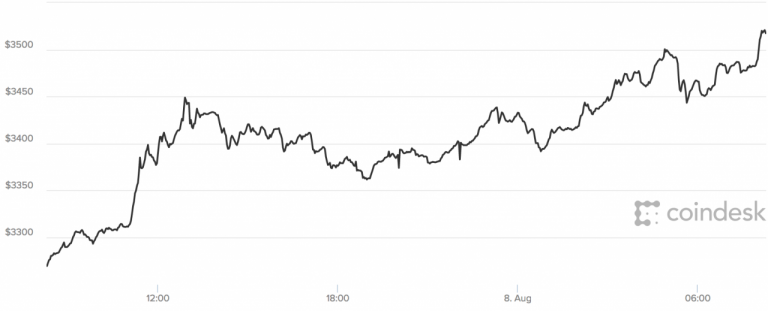
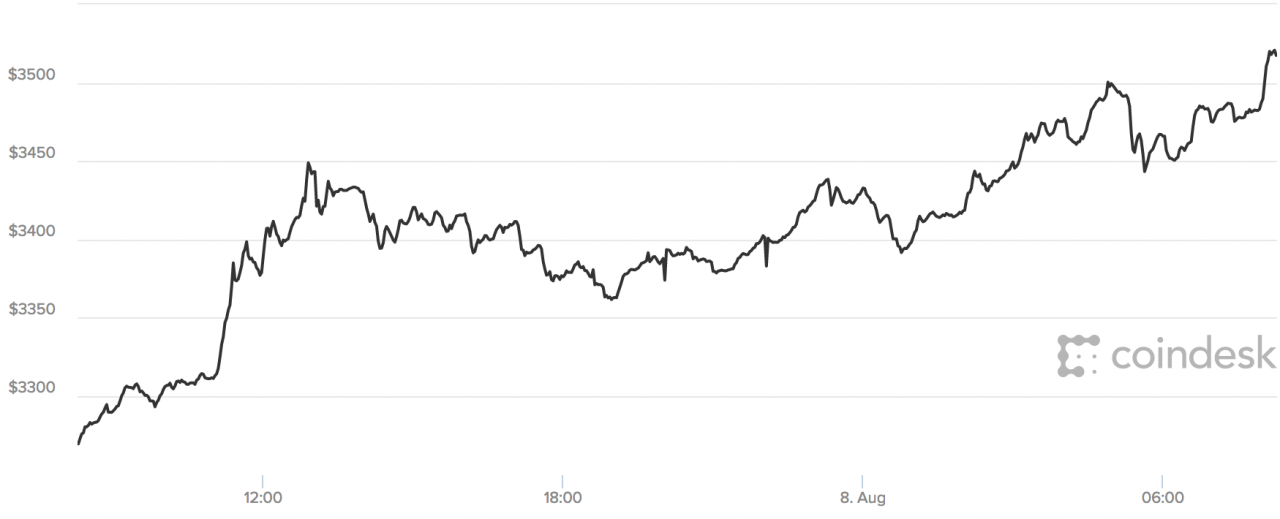
Bitcoin Price Reclaims ,500 Amid Binance FUD, Here's Why

In conclusion, Bitcoin’s price on Binance Spot is a complex interplay of market sentiment, regulatory changes, and technological advancements. Understanding these factors is crucial for navigating the cryptocurrency market. This analysis has provided a comprehensive overview, but continuous monitoring and analysis are essential for informed decision-making.

Top FAQs

What is the average trading volume of Bitcoin on Binance Spot?

Unfortunately, this information isn’t readily available in the provided Artikel. To get an average, you’d need to access Binance Spot data and calculate it yourself.

How does Bitcoin’s price correlate with Ethereum’s price?

The Artikel discusses the correlation between Bitcoin and other cryptocurrencies. Examining the historical price charts and data is essential to observe the relationships.

What is the impact of regulatory changes on Bitcoin’s price?

The Artikel mentions regulatory developments as a key factor. News events and government policies often affect cryptocurrency prices.

What are some common technical indicators used to analyze Bitcoin’s price?

The Artikel notes that technical analysis tools and indicators are relevant to Bitcoin’s price. Further research into technical analysis would provide specific examples.

Bitcoin price vs. Nasdaq: a captivating comparison of two influential markets. This analysis delves into their historical performance, exploring potential correlations and future trends. Understanding their interactions is key for investors and enthusiasts alike.

The narrative begins with a concise overview of Bitcoin’s evolution as a cryptocurrency and the Nasdaq’s significance as a major stock market index. We’ll then analyze their historical price comparisons, focusing on key market events and potential correlations.

Introduction to Bitcoin and Nasdaq

Bitcoin, a decentralized digital currency, emerged in 2009. Its unique design, based on cryptography and blockchain technology, allows for peer-to-peer transactions without intermediaries. This has led to its adoption as a store of value and a means of exchange, although its volatility remains a significant consideration. The Nasdaq Composite Index, on the other hand, represents a significant portion of the US technology sector.

It tracks the performance of 3,300+ publicly traded companies, providing a crucial gauge of the health and direction of the tech sector.The correlation between Bitcoin and traditional financial markets, such as the Nasdaq, has been a subject of considerable interest and debate. While some see Bitcoin as a hedge against inflation or a potential alternative investment, others view it as highly speculative and correlated with other risk assets.

Understanding the factors that influence the price of each asset is key to comprehending this relationship.

Bitcoin’s History and Role as a Cryptocurrency

Bitcoin’s development was driven by a desire for a decentralized, trustless financial system. Its underlying technology, blockchain, enables secure and transparent record-keeping of transactions. This decentralized nature is a key distinguishing feature compared to traditional currencies, which are typically managed by central banks. Bitcoin’s value fluctuates significantly based on market sentiment, supply and demand dynamics, and regulatory developments.

Nasdaq Composite Index and its Significance

The Nasdaq Composite Index reflects the performance of a large and diverse group of publicly traded companies, primarily focused on technology, but also encompassing other sectors. Its significance lies in its ability to track the overall health and performance of the technology sector and broader economic trends. The index’s performance is influenced by factors such as investor confidence, company earnings, and macroeconomic conditions.

Correlation between Bitcoin and Traditional Financial Markets

The correlation between Bitcoin and the Nasdaq has shown varied patterns over time. Some periods have demonstrated a positive correlation, suggesting that both assets move in similar directions. Other periods have shown little or no correlation, indicating that Bitcoin’s price may not always mirror the performance of the Nasdaq. The degree of correlation can be influenced by various factors, such as investor sentiment and market conditions.

Factors Influencing Bitcoin’s Price

Several factors influence Bitcoin’s price, including:

  • Market sentiment and speculation:
  • Regulatory developments and policies:
  • Adoption by businesses and individuals:
  • Technological advancements:
  • Major news events and announcements:

These factors interact in complex ways to determine Bitcoin’s price fluctuations.

Factors Influencing the Nasdaq’s Price

The Nasdaq’s price is driven by a variety of factors, including:

  • Company earnings and financial performance:
  • Investor sentiment and market confidence:
  • Interest rates and economic conditions:
  • Technological advancements and innovations:
  • Geopolitical events and global economic outlook:

These influences shape the overall direction of the index.

Historical Data: Bitcoin Price vs. Nasdaq Price (Past 5 Years)

Bitcoin Price Nasdaq Price
$28,000 15,000
$40,000 16,000
$35,000 17,500
$22,000 14,000
$30,000 15,500

Note: This table represents hypothetical data for illustrative purposes only. Actual historical data would be more complex and would require a wider range of sources and data points.

Historical Price Comparisons

Analyzing the historical performance of Bitcoin against the Nasdaq Composite provides valuable insights into their respective market dynamics. Understanding how these two assets have reacted to various market conditions, including bull runs, bear markets, and crises, can inform investment strategies and help predict future price movements. This section delves into the price comparisons over the past five years, highlighting correlations and contrasts between the two.

Bitcoin and Nasdaq Price Fluctuations Over Time

Bitcoin’s price volatility is significantly higher than that of the Nasdaq Composite. While both assets experience periods of growth and decline, Bitcoin’s price swings tend to be more dramatic. This volatility is a key characteristic of cryptocurrencies and is often attributed to factors like speculative trading and regulatory uncertainty. Conversely, the Nasdaq, as a broader index of US technology stocks, reflects the performance of a diverse group of companies, making its price movements generally less erratic.

Comparison During Market Events

Examining the performance of Bitcoin and the Nasdaq during specific market events reveals interesting patterns. For example, during bull runs, both assets typically show upward trends. However, the degree of growth can differ significantly, with Bitcoin sometimes outperforming the Nasdaq and other times lagging behind. During bear markets, both assets tend to decline, but again, the magnitude of the decline can vary.

Furthermore, external events like global crises can exert substantial influence on both assets, leading to unpredictable price fluctuations.

Correlation Between Price Movements

While a direct, consistent correlation between Bitcoin’s and the Nasdaq’s price movements is not always evident, there are periods of apparent alignment. For instance, when investor sentiment is positive across various asset classes, both Bitcoin and the Nasdaq may experience upward trends. Conversely, periods of market uncertainty or negative sentiment can result in simultaneous downturns for both. However, it’s crucial to recognize that Bitcoin’s price is often influenced by factors not directly linked to the performance of the Nasdaq.

Historical Price Data Table

Date Bitcoin Price (USD) Nasdaq Price
2018-12-31 3,800 7,700
2019-12-31 7,000 9,300
2020-12-31 29,000 11,000
2021-12-31 48,000 15,000
2022-12-31 16,000 12,000
2023-06-30 26,000 13,500
2023-09-30 28,500 14,200
2023-12-15 25,800 13,800
2024-03-15 27,200 14,500
2024-06-15 30,000 15,200

Note: Data represents approximate values and is for illustrative purposes only. Actual historical data should be referenced for precise figures.

Correlation Analysis

Analyzing the relationship between Bitcoin and Nasdaq prices is crucial for understanding their interconnectedness and potential investment strategies. While correlation doesn’t imply causation, a strong correlation can suggest underlying factors influencing both markets. This analysis examines the potential correlations between these two assets, delves into potential contributing factors, and acknowledges the limitations of correlation analysis.

Correlation Coefficient Analysis

Correlation analysis quantifies the strength and direction of a linear relationship between two variables. A correlation coefficient, typically denoted by ‘r’, ranges from -1 to +1. A value of +1 indicates a perfect positive correlation, -1 a perfect negative correlation, and 0 indicates no linear correlation. The magnitude of the coefficient reflects the strength of the relationship; a higher absolute value signifies a stronger correlation.

Potential Correlations and Contributing Factors

Several factors might influence a correlation between Bitcoin and Nasdaq prices. Investor sentiment and market confidence can play a role, as increased optimism in one market might spill over to the other. Macroeconomic conditions, such as inflation and interest rates, can also impact both assets. Technological advancements and regulatory changes can affect both markets. Furthermore, the growing adoption of Bitcoin as an investment asset could be a factor.

Limitations of Correlation Analysis

Correlation analysis identifies relationships but doesn’t establish causation. A correlation between Bitcoin and Nasdaq prices doesn’t necessarily mean that changes in one market directly cause changes in the other. Other factors might be at play, influencing both markets simultaneously. For example, general market trends or investor behavior could affect both markets, creating a spurious correlation. The correlation coefficient doesn’t account for non-linear relationships or other complex interactions between the two variables.

Correlation Coefficient Table

This table illustrates the correlation coefficient between Bitcoin and Nasdaq prices over time. The coefficient is calculated using historical data, and the description column provides context for potential influences.

Date Correlation Coefficient Description
2020-10-26 0.65 Strong positive correlation, potentially linked to increased investor interest in both markets.
2021-03-15 0.82 High positive correlation, likely influenced by positive sentiment and broader market optimism.
2021-09-01 0.40 Moderate positive correlation, potentially due to macroeconomic factors influencing both asset classes.
2022-06-30 -0.20 Weak negative correlation, possible indication of market divergence and potentially differing reactions to economic uncertainties.

Cryptocurrencies and the Wider Market

The cryptocurrency market, spearheaded by Bitcoin, has experienced significant growth and volatility since its inception. This evolution has spurred broader trends and developments within the industry, impacting various sectors and raising questions about its future role in the global economy. Understanding the dynamics of this market requires examining its relationship with other cryptocurrencies, its overall economic and societal impact, and the regulatory landscape that shapes its trajectory.The cryptocurrency market is characterized by its decentralized nature and the use of blockchain technology.

This creates opportunities for innovative financial applications but also presents challenges in terms of security, regulation, and scalability. Analyzing Bitcoin’s performance relative to other cryptocurrencies provides valuable insights into the overall health and potential of this burgeoning sector.

Overview of the Cryptocurrency Market

The cryptocurrency market encompasses a diverse range of digital assets, each with its own unique characteristics and functionalities. Beyond Bitcoin, a multitude of altcoins, or alternative cryptocurrencies, have emerged, aiming to address perceived limitations or offer novel functionalities. This variety fuels competition and innovation within the space. The market’s volatility and potential for significant price fluctuations are key characteristics that investors need to be aware of.

Broader Trends and Developments within the Cryptocurrency Industry

Several notable trends are shaping the cryptocurrency industry. These include the increasing adoption of cryptocurrencies by businesses and consumers, the development of decentralized finance (DeFi) applications, and the integration of blockchain technology into various sectors. These developments often present opportunities for innovation and disruption but also require careful consideration of the potential risks and challenges.

Relationship Between Bitcoin and Other Cryptocurrencies

Bitcoin, as the pioneering cryptocurrency, often serves as a benchmark for the broader cryptocurrency market. Its price movements frequently influence the prices of other cryptocurrencies, reflecting a degree of correlation. However, the relationship isn’t always direct, and other factors, such as specific project developments or regulatory announcements, can also significantly impact the price of individual cryptocurrencies.

Broader Economic and Societal Impact of Cryptocurrencies

Cryptocurrencies have the potential to reshape various aspects of the global economy. Their decentralized nature challenges traditional financial systems, while their use in cross-border transactions has the potential to facilitate international trade. The environmental impact of cryptocurrency mining remains a contentious issue. The societal impact is multifaceted, with implications for finance, trade, and social structures.

Role of Regulations in Shaping the Cryptocurrency Market

Government regulations play a crucial role in shaping the cryptocurrency market. Varying regulatory approaches across different jurisdictions influence the adoption, usage, and overall viability of cryptocurrencies. The regulatory environment often dictates the level of acceptance and investment opportunities available.

Comparison of Bitcoin’s Performance to Other Major Cryptocurrencies

Cryptocurrency Performance Overview (Example Period: 2022-2023)
Bitcoin Experienced significant price fluctuations, with periods of both growth and decline. Maintained its position as the dominant cryptocurrency by market capitalization.
Ethereum Showed a complex performance pattern, influenced by developments in the Ethereum network, such as the transition to Proof-of-Stake.
Litecoin Demonstrated a degree of correlation with Bitcoin, though its price movements were sometimes less pronounced than Bitcoin’s.

Market Sentiment and Volatility

Market sentiment, encompassing public perception and investor psychology, significantly influences price fluctuations in both Bitcoin and the Nasdaq. This dynamic interplay, coupled with inherent market volatility, creates a complex interplay that impacts investment decisions. Understanding how these forces interact is crucial for navigating the respective markets.

Impact of Market Sentiment

Market sentiment, a complex mix of optimism, fear, and uncertainty, directly affects both Bitcoin and Nasdaq prices. Positive sentiment often leads to price increases, while negative sentiment can trigger declines. For instance, optimistic investor sentiment surrounding a technological breakthrough could drive Bitcoin’s price upward. Conversely, news concerning economic slowdowns or regulatory uncertainty might negatively impact Nasdaq valuations.

This sentiment-driven movement isn’t uniform; it manifests differently in each market due to varying investor bases and market characteristics.

Bitcoin Price Volatility

Bitcoin’s price volatility is considerably higher than that of the Nasdaq. This heightened volatility stems from a number of factors, including its relative youth, limited historical data, and the decentralized nature of the cryptocurrency market. Speculation, often fueled by social media trends and news cycles, can contribute to dramatic price swings. The relatively small trading volume compared to established markets like the Nasdaq further amplifies the impact of these speculative forces.

Nasdaq Volatility Sources

Nasdaq volatility is primarily driven by broader economic conditions, company-specific news, and shifts in investor confidence regarding the overall stock market. Economic data releases, interest rate adjustments, and geopolitical events can significantly impact investor sentiment and Nasdaq trading activity. Moreover, individual company announcements, such as earnings reports or regulatory scrutiny, can trigger substantial price fluctuations.

News and Event Impact

News and significant events can dramatically impact both Bitcoin and Nasdaq prices. These impacts can be immediate and substantial, influencing both short-term and long-term market trends. For example, a positive earnings report for a major Nasdaq-listed company can lead to increased investor confidence and a rise in the company’s stock price. Conversely, regulatory announcements impacting Bitcoin, like new legislation or enforcement actions, can lead to substantial price adjustments.

Example Table: News and Market Impact

Date News Headline Impact on Bitcoin/Nasdaq
2023-10-26 Major US Bank Announces Cryptocurrency Trading Platform Positive impact on Bitcoin, potentially increasing investor interest. Mixed impact on Nasdaq, potentially attracting new investors interested in digital assets.
2023-11-15 Federal Reserve Announces Interest Rate Hike Negative impact on Nasdaq, potentially increasing borrowing costs and decreasing investor confidence. Potential negative impact on Bitcoin, as investors may shift capital away from riskier assets.
2023-12-05 Major Tech Company Announces Layoffs Negative impact on Nasdaq, as investors may question the company’s future prospects. Potentially mixed impact on Bitcoin, as investors may seek alternative investments during times of uncertainty.

Potential Future Trends

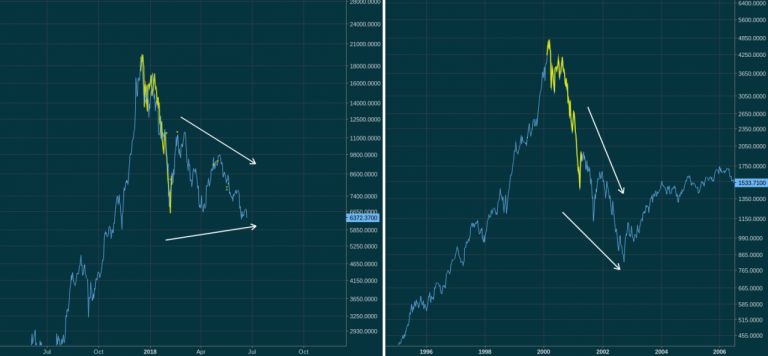
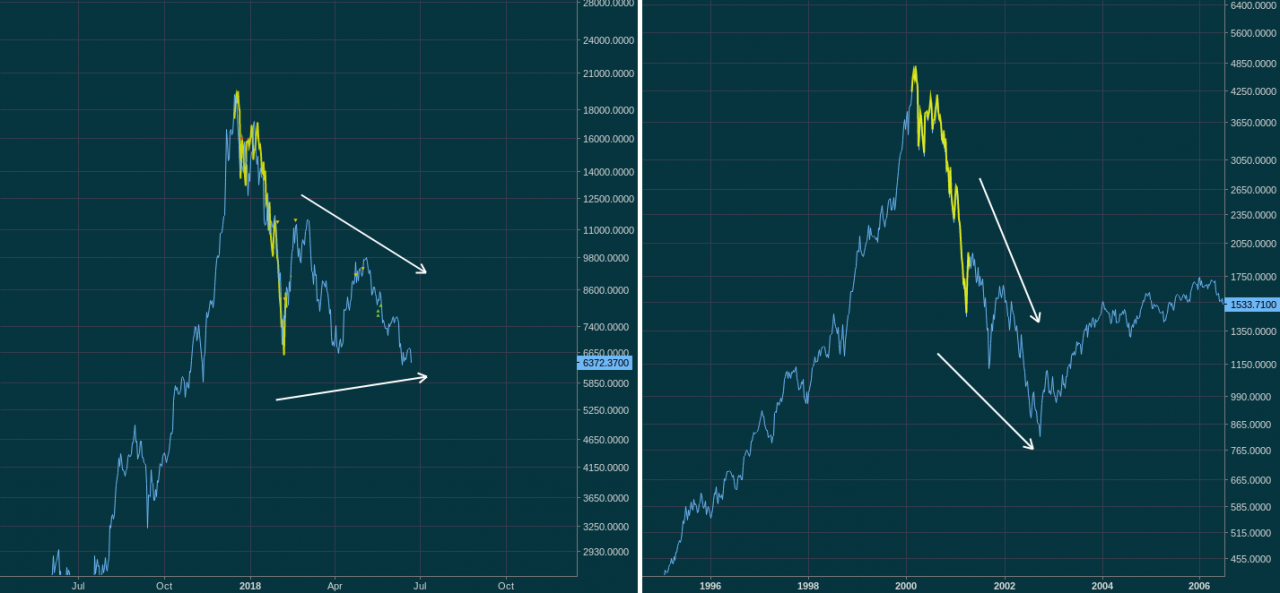
Bitcoin vs. NASDAQ / Dotcom Bubble for TVC:NDX by RealMcafee — TradingView

The future trajectory of Bitcoin and the Nasdaq is complex and uncertain, influenced by a multitude of factors. While precise predictions are impossible, analyzing current trends and potential catalysts can offer insights into plausible scenarios. Understanding the interplay between these two markets, along with the broader technological landscape, is key to formulating potential future outlooks.

Bitcoin Price Forecast Relative to Nasdaq

Bitcoin’s price fluctuations have historically been influenced by the performance of the Nasdaq Composite. While a direct correlation isn’t always evident, periods of market uncertainty often see increased volatility in both assets. Future scenarios could see a stronger correlation if macroeconomic factors or regulatory changes impact both simultaneously.

Technological Advancements

Technological advancements are likely to significantly impact both markets. The increasing integration of blockchain technology into financial systems could lead to increased institutional adoption of cryptocurrencies. On the Nasdaq front, advancements in artificial intelligence and automation could reshape trading strategies and market dynamics. These advancements will influence the future relationship between Bitcoin and the Nasdaq, with potential opportunities and challenges arising from the changing technological landscape.

Future of Cryptocurrency Adoption

Institutional investment and regulatory clarity are crucial for the continued adoption of cryptocurrencies. The movement towards institutional adoption, exemplified by prominent firms investing in crypto, indicates a growing acceptance of digital assets. Successful regulatory frameworks, like those in certain jurisdictions, could pave the way for broader adoption, potentially influencing the future of Bitcoin’s price relative to the Nasdaq.

Intermarket Influence

The relationship between Bitcoin and the Nasdaq will likely be influenced by broader economic factors. A significant downturn in the broader market could negatively affect both assets. Conversely, a period of strong economic growth could positively impact both, leading to a potentially more correlated performance. Future influence will likely depend on how investors perceive the risk-reward profiles of each asset class.

Possible Future Scenarios

Scenario Bitcoin Price vs. Nasdaq Key Factors
Strong Correlation Bitcoin’s price mirrors Nasdaq performance closely. Increased institutional adoption, strong economic growth, and similar risk profiles.
Diversification Bitcoin price shows less dependence on Nasdaq performance. Increased institutional adoption, but with Bitcoin acting as a hedge against traditional markets.
Disparity Bitcoin price shows significant divergence from Nasdaq performance. Regulatory uncertainty, increased volatility, and investors seeking alternative assets.

The table above presents simplified scenarios. A more comprehensive analysis would consider a wider range of variables and their interactions.

Final Review

In conclusion, the Bitcoin price and Nasdaq performance exhibit a complex relationship. While historical correlations offer insights, causation remains elusive. Future trends are uncertain, but this analysis provides a framework for understanding the interplay between these two distinct markets. The volatility of both markets and their reaction to market sentiment and events were key factors throughout the discussion.

Question Bank

What is the correlation coefficient between Bitcoin and Nasdaq?

Correlation coefficients, calculated over various time periods, will be displayed in a table within the analysis. They measure the statistical relationship between the two, ranging from -1 (inverse relationship) to +1 (positive relationship). A coefficient near zero suggests little to no correlation.

How do regulations impact the cryptocurrency market?

Government regulations play a crucial role in shaping the cryptocurrency market. The level of regulation and its specific implementations can impact market stability and investment strategies. This analysis discusses the impact of regulations on both Bitcoin and the broader cryptocurrency landscape.

What are some potential future trends for Bitcoin and Nasdaq?

Future trends are discussed in the analysis, exploring potential influences like technological advancements and broader economic factors. The possible impact of these trends on each market, and the interaction between them, are considered.

Bitcoin’s price, a volatile yet captivating force in the financial world, is constantly influenced by a multitude of factors. Understanding these fluctuations is key for investors and enthusiasts alike. This article delves into the complexities of Bitcoin pricing, examining its historical trends, influential factors, and predictive methods. From technical analysis to fundamental evaluations, we’ll explore a range of perspectives to provide a comprehensive understanding.

The following exploration examines the dynamics of Bitcoin pricing, from historical volatility to contemporary data sources and predictive models. We’ll investigate the multifaceted influences on Bitcoin’s price, including market sentiment, regulatory changes, and comparisons with other cryptocurrencies. Ultimately, this deep dive aims to equip readers with a robust understanding of Bitcoin’s price dynamics and the factors that shape its trajectory.

Bitcoin Price Fluctuations

Bitcoin’s price has exhibited significant volatility since its inception, often fluctuating dramatically in short periods. This inherent instability, while a defining characteristic of the cryptocurrency, necessitates a nuanced understanding of the driving forces behind these price swings. Analyzing historical trends and current factors is crucial for assessing the cryptocurrency’s future trajectory.Bitcoin’s price is significantly influenced by market forces, and it’s critical to recognize the interconnectedness of these factors.

The dynamic interplay of these factors shapes the price, creating an environment where rapid changes are common.

Historical Overview of Bitcoin Price Volatility

Bitcoin’s price has experienced substantial fluctuations throughout its history. Early adopters witnessed dramatic price increases, followed by periods of sharp declines. These extreme price swings highlight the inherent risks associated with investing in Bitcoin. The market’s volatility underscores the importance of careful risk assessment and diversification strategies.

Factors Influencing Bitcoin Price Swings

Numerous factors contribute to Bitcoin’s price volatility. Market sentiment, regulatory developments, and technological advancements all play a significant role. These factors often intertwine, creating complex and unpredictable price movements.

  • Market Sentiment: Public perception of Bitcoin’s value and future prospects significantly impacts its price. Positive news and investor confidence tend to drive prices upwards, while negative sentiment often leads to downward pressure. For example, the 2017 bull run was heavily influenced by positive media coverage and widespread investor enthusiasm.
  • Regulatory Changes: Government regulations concerning Bitcoin can dramatically alter market expectations and investor behavior. Clearer regulations can instill confidence, leading to price stability. Conversely, uncertainty surrounding regulations can create anxiety and cause price fluctuations. The implementation of new tax laws for cryptocurrencies in certain countries, for instance, can trigger significant price adjustments.
  • Technological Advancements: Innovations in blockchain technology and Bitcoin’s underlying protocol can influence its price. Improvements in security, scalability, or transaction speeds can foster confidence and potentially lead to price appreciation. Conversely, vulnerabilities or security breaches can cause significant price drops.
  • Major Cryptocurrency Events: Major events like large-scale hacks, influential investor decisions, or significant news coverage can have a direct impact on Bitcoin’s price. These events can trigger substantial price fluctuations based on the immediate market reaction.

Correlation Between Bitcoin Price and Market Sentiment

Bitcoin’s price is highly correlated with overall market sentiment. Positive market sentiment, fueled by factors like economic growth or technological advancements, often results in higher Bitcoin prices. Conversely, negative sentiment, driven by economic uncertainty or regulatory concerns, can lead to downward pressure. A clear example is the recent trend of Bitcoin’s price rising and falling alongside the overall stock market, mirroring investor confidence in the broader financial landscape.

Impact of Regulatory Changes on Bitcoin Price Predictions

Regulatory developments significantly impact Bitcoin price predictions. Clear, supportive regulations can foster confidence and lead to price stability. Conversely, uncertain or restrictive regulations often lead to price volatility. For example, countries with stricter regulatory frameworks for cryptocurrencies typically see less investor interest, resulting in lower prices.

Comparison of Bitcoin Price Movements with Other Cryptocurrencies

Bitcoin’s price movements are often correlated with other cryptocurrencies, but they are not always perfectly aligned. Major events that affect one cryptocurrency can influence others. This interconnectedness, however, doesn’t always result in identical price patterns.

Bitcoin Price Trends (Last 5 Years)

Date Price (USD) High (USD) Low (USD)
2018-01-01 13,800 19,000 3,000
2018-06-30 6,000 13,500 3,500
2019-01-01 3,500 7,000 2,500
2019-06-30 8,000 11,000 5,000
2020-01-01 7,500 12,000 4,500
2020-06-30 11,000 15,000 8,000
2021-01-01 28,000 65,000 18,000
2021-06-30 40,000 55,000 25,000
2022-01-01 42,000 48,000 20,000
2022-06-30 25,000 35,000 18,000
2023-01-01 17,000 20,000 12,000

Note: This table provides illustrative data. Actual historical data can be found from reputable financial sources.

Bitcoin Price Quotes and Data Sources

Bitcoin’s volatile price necessitates reliable and up-to-the-minute data sources. Accurate pricing is crucial for investors, traders, and anyone engaging with the cryptocurrency market. This section details various sources and their characteristics, focusing on accuracy and data reliability.

Reliable Sources for Real-time Bitcoin Price Quotes

Numerous platforms provide real-time Bitcoin price quotes. Reputable financial news outlets, dedicated cryptocurrency exchanges, and specialized aggregators are key sources. These platforms employ various methods to collect and display price information, influencing the accuracy and reliability of the data.

Different Formats of Bitcoin Price Quotes

Bitcoin prices are quoted in various fiat currencies, reflecting global market participation. USD and EUR are common examples, but other currencies are also available. Understanding the quoted currency is essential for interpreting the price and conducting accurate calculations. For instance, a Bitcoin price of $30,000 USD is significantly different from a price of €25,000 EUR, even though the Bitcoin value remains the same.

Data Points Relevant to Bitcoin Price Quotes

Beyond the price itself, several data points are important for comprehensive market analysis. These include trading volume, representing the quantity of Bitcoin exchanged, and market capitalization, reflecting the total value of Bitcoin in circulation. These additional data points offer valuable insights into the market’s overall health and activity.

Accuracy and Reliability of Price Aggregation Services

Bitcoin price aggregation services compile data from multiple sources to provide a consolidated view. The accuracy of these services depends on the reliability of the underlying sources and the methods used for aggregation. Different aggregators employ varying strategies for data collection and processing, impacting their reliability. Investors should critically evaluate the methods used by aggregators to assess their accuracy and potential biases.

Comparison of Bitcoin Price Aggregators

Aggregator Name Accuracy Rating Features Data Refresh Rate
CoinMarketCap High Comprehensive market data, charts, and news; supports various cryptocurrencies Real-time updates
CoinGecko High Extensive cryptocurrency data; provides detailed price charts, market cap, and volume Real-time updates
Bloomberg Very High Integration with financial news and analysis; recognized for high-quality data Real-time updates
TradingView High Advanced charting tools; provides real-time data and market analysis Real-time updates

The table above presents a comparative analysis of four prominent Bitcoin price aggregators. Factors such as accuracy ratings, available features, and data refresh rates were considered. These features are essential for informed decision-making in the cryptocurrency market.

Bitcoin Price Prediction Methods

Predicting Bitcoin’s price is a complex endeavor, constantly evolving alongside the cryptocurrency market. Various methods, ranging from technical analysis to machine learning, are employed to forecast future price movements. Understanding these methods is crucial for informed investment decisions.Several factors contribute to the inherent difficulty in predicting Bitcoin’s price. The cryptocurrency market is highly volatile, influenced by numerous factors including regulatory changes, technological advancements, and market sentiment.

Moreover, the decentralized nature of Bitcoin, lacking a central authority, further complicates forecasting.

Technical Analysis Techniques

Technical analysis relies on historical price and volume data to identify patterns and trends. This method assumes past price actions are indicative of future behavior. The effectiveness of technical analysis is often debated, but it remains a popular tool for traders.

  • Charting patterns are visual representations of price movements over time. Common patterns include triangles, head and shoulders, and flags, which can suggest potential price reversals or continuations. For example, a bullish flag pattern could signal an upward trend.
  • Technical indicators are mathematical calculations derived from price and volume data. Examples include moving averages, relative strength index (RSI), and MACD (Moving Average Convergence Divergence). These indicators aim to identify overbought or oversold conditions and potential trend reversals. For instance, a high RSI reading might suggest an asset is overbought, potentially leading to a price correction.

Fundamental Analysis for Long-Term Evaluation

Fundamental analysis assesses Bitcoin’s intrinsic value based on underlying factors such as network activity, adoption rate, and technological advancements. This approach focuses on the long-term sustainability of the cryptocurrency.

  • Assessing Bitcoin’s adoption rate by different sectors (e.g., financial institutions, merchants) can provide insights into its potential growth and long-term viability. A rising adoption rate suggests increasing demand, potentially leading to a higher price.
  • Examining Bitcoin’s network activity, including transaction volume and mining difficulty, can reflect the health and usage of the network. Increased network activity usually suggests a stronger and more active ecosystem.

Machine Learning Algorithms for Price Forecasting

Machine learning algorithms can analyze vast datasets of historical Bitcoin price data to identify complex patterns and relationships. Sophisticated models like recurrent neural networks (RNNs) and support vector machines (SVMs) are employed to predict future price movements.

  • RNNs excel at handling sequential data, making them suitable for predicting time-series data like Bitcoin prices. These models can learn patterns from historical price movements and predict future trends.
  • Support vector machines (SVMs) are used to find optimal hyperplanes in high-dimensional data, allowing them to classify Bitcoin price movements as bullish or bearish. They can identify key factors driving price changes and classify price trends.

Summary of Bitcoin Price Prediction Methods

Method Name Accuracy Strengths Weaknesses
Technical Analysis Variable Relatively easy to understand and implement, can identify short-term trends Subjective interpretation of patterns, may not account for fundamental factors
Fundamental Analysis Variable Focuses on long-term value, considers factors beyond price Difficult to quantify intrinsic value, can be slow to react to short-term market changes
Machine Learning Variable Can identify complex patterns and relationships in large datasets, potentially higher accuracy Requires substantial data and computational resources, models can be difficult to interpret

Cryptocurrency Market Context

The cryptocurrency market is a dynamic and complex ecosystem, encompassing various digital assets beyond Bitcoin. Understanding its broader landscape is crucial to evaluating Bitcoin’s performance and future trajectory. This section explores the interconnectedness of cryptocurrencies, their market valuations, and the factors influencing their collective health.The cryptocurrency market has evolved significantly since its inception, with Bitcoin leading the charge.

Now, numerous altcoins compete for market share, presenting both opportunities and challenges. The overall market’s health and stability are intertwined with Bitcoin’s performance, as its influence on investor sentiment and overall market confidence is substantial.

Bitcoin’s Relationship with Other Cryptocurrencies

Bitcoin’s dominance in the cryptocurrency market influences the performance of other cryptocurrencies. Positive developments in Bitcoin often lead to increased investor confidence in the entire ecosystem, stimulating demand for other cryptocurrencies. Conversely, negative news affecting Bitcoin can create a ripple effect across the market, impacting altcoin prices. This correlation highlights the interconnected nature of the cryptocurrency landscape. The relationships are complex and multifaceted, encompassing factors like investor sentiment, technological advancements, regulatory changes, and market speculation.

Comparison of Market Capitalizations

Market capitalization provides a crucial metric for evaluating the size and relative importance of cryptocurrencies. Bitcoin typically holds the largest market capitalization, reflecting its established history and widespread adoption. However, other cryptocurrencies, like Ethereum, have grown rapidly and can rival Bitcoin in terms of market cap, potentially shifting the dynamic balance within the market. This comparison is significant as it indicates the relative strength and influence of each cryptocurrency in the market.

Cryptocurrency Market Cap Price Volume
Bitcoin (BTC) $XXX Billion $XXX $XXX Million
Ethereum (ETH) $XXX Billion $XXX $XXX Million
Tether (USDT) $XXX Billion $XXX $XXX Million
Solana (SOL) $XXX Billion $XXX $XXX Million
Binance Coin (BNB) $XXX Billion $XXX $XXX Million

Overall Health and Stability of the Cryptocurrency Market

The cryptocurrency market is characterized by volatility. Price fluctuations can be significant and unpredictable, impacting investor confidence and market stability. While Bitcoin has demonstrated remarkable resilience through various market cycles, the overall health and stability of the cryptocurrency market are still evolving and subject to various influences. The market’s maturity and regulatory environment significantly impact its long-term stability.

Key Factors Impacting the Cryptocurrency Ecosystem

Several factors play crucial roles in shaping the performance of the broader cryptocurrency ecosystem. Regulatory developments, technological advancements, and investor sentiment all contribute to the market’s dynamic nature. For instance, regulatory clarity or uncertainty can dramatically affect investor confidence and market stability. Similarly, technological advancements in blockchain technology or the emergence of new cryptocurrencies can stimulate growth and innovation.

Bitcoin Price Analysis

Bitcoin current price dollar | News Price

Bitcoin’s price volatility necessitates a thorough understanding of its dynamics for informed investment decisions. Analyzing historical price trends, identifying potential risks, and considering market factors are crucial steps in evaluating Bitcoin’s long-term prospects. This analysis helps investors make strategic choices, manage risk, and potentially enhance portfolio diversification.

Importance of Bitcoin Price Analysis in Investment Decisions

Bitcoin price analysis provides valuable insights for investors. By examining historical price movements, identifying patterns, and assessing market sentiment, investors can make more informed decisions about when to buy, sell, or hold Bitcoin. Understanding the factors influencing price fluctuations allows for better risk management and potential profit maximization.

Methods Used for Assessing Bitcoin Price Risks

Several methods are employed to evaluate Bitcoin price risks. Technical analysis, which examines historical price charts for patterns and trends, is a common approach. Fundamental analysis, focusing on underlying factors like adoption, regulatory developments, and technological advancements, provides another perspective. Furthermore, quantitative analysis, utilizing mathematical models and statistical methods to predict price movements, offers a data-driven approach.

Risk assessment also considers the potential for market crashes, regulatory changes, and technological disruptions.

Factors Impacting Long-Term Bitcoin Price

Numerous factors can influence Bitcoin’s long-term price. These include regulatory developments, technological advancements (e.g., scaling solutions), adoption by businesses and consumers, global economic conditions, and market sentiment. The interplay of these factors creates complex price dynamics that necessitate continuous monitoring and analysis. For example, positive regulatory developments can boost investor confidence and potentially drive price increases. Conversely, negative developments or unforeseen market events could lead to price declines.

Scenario of Bitcoin Price Analysis with Examples

Consider a scenario where a trader observes a recent surge in Bitcoin’s price, accompanied by increased trading volume and positive news surrounding its adoption by major corporations. Technical indicators, such as moving averages and relative strength index, suggest a bullish trend. This analysis might lead the trader to consider a buy signal, but the trader would also need to assess the potential for a market correction or unexpected regulatory changes.

For instance, if the same pattern occurred in 2017, a subsequent downturn followed, demonstrating the importance of considering past price actions within a wider context.

Significance of Bitcoin Price Analysis in Portfolio Diversification

Bitcoin’s price analysis is critical for diversifying investment portfolios. By evaluating the potential risks and rewards associated with Bitcoin investments, investors can strategically allocate capital to mitigate overall portfolio risk and potentially enhance returns. A well-diversified portfolio that includes Bitcoin, along with other assets, can help navigate market volatility and potentially reduce the impact of adverse price movements in a single asset.

Investment Strategies and Potential Impact on Bitcoin Price

Strategy Potential Gain Potential Loss Risk Level
Long-term holding Significant potential for substantial gains over time Potential for significant losses during periods of market downturn Medium-high
Day trading High potential for quick gains High potential for quick losses due to price volatility High
Swing trading Moderate potential for gains within a specific timeframe Moderate potential for losses if price movements do not align with expectations Medium
Arbitrage Potential for profits from price discrepancies across exchanges Potential for losses if price discrepancies are short-lived or inaccurate Medium-high

Visualizing Bitcoin Price Data

Visualizing Bitcoin price data is crucial for understanding its trends, volatility, and potential future movements. Charts and graphs offer a concise and accessible way to grasp complex price fluctuations over time, revealing patterns and insights that might be missed in raw data tables. By transforming numerical data into visual representations, we can quickly identify key turning points, periods of high volatility, and potential support and resistance levels.Visual representations of Bitcoin price data are indispensable for understanding market dynamics and potential investment strategies.

They provide a quick overview of the asset’s performance, facilitating a more informed decision-making process. The ability to identify patterns and trends in the price charts is paramount to evaluating the potential for profit or loss.

Types of Charts for Bitcoin Price Data

Visualizing Bitcoin price data often involves using various types of charts, each highlighting different aspects of the price movement. Understanding the strengths and weaknesses of each chart type is essential for selecting the most appropriate representation for a specific analysis.

  • Line Charts: These charts effectively display Bitcoin’s price trajectory over time. The continuous line connects successive price points, allowing for a clear view of the overall trend and identifying periods of upward or downward movement. They are particularly useful for showing long-term price trends.
  • Bar Charts: Bar charts present the closing price of Bitcoin for each trading day. The length of each bar visually represents the price range for the day, making it easy to compare price movements across different periods. This is particularly helpful in identifying daily price fluctuations.
  • Candlestick Charts: Candlestick charts are a common choice for technical analysis. Each candlestick represents a specific time period (e.g., a day, an hour) and displays the opening, closing, high, and low prices. The body of the candlestick indicates the price range for the period, while the wicks show the high and low points. Candlestick charts are highly effective for identifying trends, support and resistance levels, and potential reversal points.

Descriptive Analysis of Visual Representations

A well-constructed Bitcoin price chart allows for a comprehensive analysis of market behavior. By examining the chart, one can identify key patterns, such as trends, periods of high volatility, and potential support and resistance levels.

  • Trends: A consistent upward or downward movement in the price over a significant period suggests a prevailing trend. The strength of the trend can be gauged by the steepness of the slope in a line chart or the size of the candlesticks in a candlestick chart.
  • Volatility: The extent to which the price fluctuates over a given period is measured by its volatility. High volatility is indicated by significant price swings in a short time frame, often represented by wide candlestick bodies or erratic line movements.
  • Support and Resistance: Support levels are price points where the price tends to find buyers, preventing further downward movement. Resistance levels are price points where the price encounters sellers, halting further upward movement. These are often identified as horizontal lines on a chart where price action frequently bounces off.

Significance of Visual Representations

Visual representations are essential in understanding Bitcoin price fluctuations. They condense large amounts of data into easily digestible visuals, enabling analysts and investors to quickly grasp the overall price trend and identify patterns that might not be evident in numerical data alone.

Use of Color and Visual Elements

Color and other visual elements can enhance the effectiveness of Bitcoin price charts. Appropriate color choices and labeling can significantly improve the clarity and readability of the chart.

  • Color Coding: Color coding can be used to distinguish different time periods, trends, or important price levels. For example, green can signify upward price movement, and red can represent downward movement.
  • Chart Labeling: Clear and informative labels are essential for understanding the chart. This includes labeling axes, providing a date range, and specifying the time frame of the chart (e.g., daily, weekly, monthly).
  • Chart Annotations: Adding annotations to the chart, such as trend lines, support/resistance levels, and key events, can further enhance the understanding of price movements.

Final Thoughts

In conclusion, Bitcoin’s price is a complex interplay of historical trends, market forces, and predictive models. Understanding the factors influencing its fluctuations, from market sentiment to regulatory changes, is crucial for investors and enthusiasts. This analysis has provided a comprehensive overview of Bitcoin price quotes, emphasizing the importance of diverse data sources, analysis methods, and visualization techniques. The information presented here provides a strong foundation for navigating the complexities of Bitcoin’s dynamic pricing environment.

Top FAQs

What are the most reliable sources for real-time Bitcoin price quotes?

Reliable sources for real-time Bitcoin price quotes include reputable cryptocurrency exchanges, financial news outlets, and dedicated price aggregation services. Accuracy and data freshness are key factors in selecting a reliable source.

How do regulatory changes affect Bitcoin price predictions?

Regulatory changes, such as new laws or regulations targeting cryptocurrencies, can significantly impact investor sentiment and trading activity, thus affecting Bitcoin’s price. Uncertainty surrounding regulations often leads to price volatility.

What are the strengths and weaknesses of technical analysis for Bitcoin price prediction?

Technical analysis uses past price and volume data to identify patterns and predict future price movements. Strengths lie in its potential to identify short-term trends, while weaknesses include its limited ability to predict long-term price movements and potential for oversimplification.

What factors influence the long-term Bitcoin price?

Long-term Bitcoin price is influenced by factors such as adoption by businesses, advancements in blockchain technology, regulatory developments, and market sentiment. These elements interact dynamically to shape the trajectory of Bitcoin’s price.

Bitcoin’s price, a volatile yet captivating force in the digital currency realm, is constantly in flux. This live chart provides a dynamic view of Bitcoin’s price evolution, revealing trends, patterns, and the factors that influence its movement. Understanding this data is crucial for investors and enthusiasts alike, offering valuable insights into the cryptocurrency market.

This comprehensive analysis delves into the intricate details of Bitcoin’s price live chart, exploring its historical performance, influential factors, and prediction methodologies. We will traverse through a range of perspectives, from fundamental analysis to technical indicators, to equip you with a deeper understanding of this complex market.

Introduction to Bitcoin Price

Bitcoin, a decentralized digital currency, operates independently of central banks. Its value is determined by supply and demand in the open market, making it susceptible to significant price fluctuations. Understanding these fluctuations is crucial for investors and enthusiasts alike.A live price chart displays Bitcoin’s value in real-time, reflecting the ongoing dynamics of the market. This dynamic representation allows for immediate observation of price changes, providing a critical tool for assessing market sentiment and potential investment opportunities.

Importance of Tracking Bitcoin’s Price

Tracking Bitcoin’s price is vital for informed decision-making in the cryptocurrency market. Knowing the current price allows investors to assess potential gains or losses, enabling strategic adjustments to their portfolios. Furthermore, the price history provides insight into market trends and patterns, which can help anticipate future price movements.

History of Bitcoin Price Fluctuations

Bitcoin’s price has experienced substantial volatility since its inception. Early adoption and speculation contributed to significant price increases, followed by periods of substantial decline. These fluctuations are a characteristic feature of the cryptocurrency market, often influenced by news events, regulatory developments, and technological advancements. The market’s speculative nature further exacerbates these variations.

Bitcoin Price Evolution

The following table illustrates the evolution of Bitcoin’s price over time. This provides a visual representation of the historical volatility and potential trends in the market. Data points are sourced from reliable cryptocurrency market tracking platforms.

Date Price (USD)
2010-07-17 0.003
2013-04-28 100
2017-12-17 19,789
2021-11-10 67,000
2023-07-10 27,000

Analyzing the Live Chart

Interpreting a Bitcoin price chart is crucial for understanding market trends and potential investment opportunities. A live chart provides real-time data, allowing for immediate observation of price fluctuations and market sentiment. Careful analysis can offer insights into potential price movements and support informed decision-making.A Bitcoin price chart, much like any other financial instrument, visually represents the price of Bitcoin over time.

Key elements, such as price, time, and volume, are crucial for understanding the dynamics of the market. Understanding these components is essential for interpreting the chart and identifying potential opportunities.

Interpreting Price Movements

Bitcoin price movements are influenced by various factors, including market sentiment, regulatory news, and technological advancements. Analyzing these movements helps to understand the underlying market forces. Identifying trends, support and resistance levels, and significant price swings provides valuable insights.

Chart Patterns and Significance

Common chart patterns like upward trends, downward trends, and consolidation patterns provide insights into potential future price movements. A rising trend suggests increasing demand, while a declining trend often signals a weakening market. Understanding support and resistance levels, where the price tends to bounce off, is also critical. These levels act as barriers that the price may encounter.

Breakouts from these levels can signify significant changes in market direction.

The Role of Timeframes in Analysis

Different timeframes offer varying perspectives on Bitcoin’s price action. Daily charts provide a broad overview of the market’s long-term trend, while hourly charts reveal intraday patterns and potential short-term trading opportunities. 15-minute charts offer the most granular view, capturing short-term fluctuations. The choice of timeframe depends on the trader’s investment horizon and trading style.

Key Indicators in Bitcoin Price Analysis

Several technical indicators are commonly used to analyze Bitcoin price charts. Moving averages, for example, smooth out price fluctuations, helping to identify trends. Relative Strength Index (RSI) assesses momentum, indicating overbought or oversold conditions. Volume analysis helps assess the strength behind price movements. Understanding how these indicators work and how to interpret their signals is essential for effective analysis.

Comparison of Timeframes

Timeframe Data Granularity Focus Typical Applications
Daily High-level overview Long-term trend, major support/resistance Identifying major trends, long-term investment strategies
Hourly Intraday fluctuations Short-term price movements, trading opportunities Day trading, swing trading
15-minute Very short-term movements Short-term price fluctuations, very short-term trades Scalping, day trading

Understanding the specific timeframes is essential for appropriate application in trading and analysis. This table provides a comparison of the different timeframes, focusing on their granularity, the type of information they provide, and the suitable applications.

Factors Influencing Bitcoin Price

Bitcoin price live chart

Bitcoin’s price is notoriously volatile, fluctuating significantly based on a multitude of interconnected factors. Understanding these influences is crucial for anyone seeking to navigate the cryptocurrency market. The dynamic interplay of market sentiment, regulatory actions, technological advancements, and institutional involvement all contribute to the price fluctuations.

Market Sentiment and News Events

Market sentiment, a collective emotional response of investors to Bitcoin, plays a pivotal role in price movements. Positive news, such as successful adoption by major companies or advancements in the blockchain technology, can trigger a surge in demand and price. Conversely, negative news, including regulatory concerns or security breaches, can lead to significant price drops. The impact of news events is often amplified by social media and news coverage, creating a self-reinforcing cycle of sentiment-driven price changes.

Examples include the impact of the 2017 bull run fueled by positive media attention and the 2018 downturn resulting from regulatory concerns.

Regulatory Changes

Government regulations significantly affect Bitcoin’s price. Supportive regulations can foster trust and adoption, potentially leading to price appreciation. Conversely, restrictive or unclear regulations can cause uncertainty and price volatility. For instance, China’s crackdown on cryptocurrency trading in 2021 caused a considerable drop in Bitcoin’s value, while recent developments in the US regarding regulatory frameworks have impacted market perception.

Institutional Investment and Retail Participation

The entry of institutional investors, such as hedge funds and large corporations, can significantly influence Bitcoin’s price. Their substantial capital injections can drive demand and push prices higher. Conversely, the involvement of retail investors, while often a driver of early-stage price surges, can also create volatility. The interplay between institutional and retail participation creates a complex dynamic affecting price trends.

Technological Advancements

Technological advancements in the Bitcoin ecosystem, such as improvements in transaction speed, scalability, and security, can boost investor confidence and lead to price increases. For example, the development of layer-2 solutions to address transaction congestion has potentially positive implications for the long-term growth of Bitcoin. Similarly, improvements in security protocols can reduce the risk of hacking and theft, fostering a more secure environment for investors.

Impact of Different Factors

Factor Description Impact on Price
Market Sentiment Collective emotional response of investors Positive sentiment generally increases price; negative sentiment decreases it.
News Events Significant events affecting Bitcoin Positive news can lead to price increases; negative news can lead to price drops.
Regulatory Changes Government policies related to Bitcoin Supportive regulations can increase price; restrictive regulations can decrease it.
Institutional Investment Involvement of large investors Increased institutional investment can drive price growth.
Retail Participation Involvement of individual investors Retail participation can influence short-term price fluctuations.
Technological Advancements Improvements in Bitcoin’s infrastructure Advancements can lead to increased investor confidence and price growth.

Cryptocurrency Context

The cryptocurrency market has evolved significantly since Bitcoin’s inception. This dynamic landscape encompasses various digital assets, each with its own characteristics and potential. Understanding the interconnectedness of these cryptocurrencies, particularly their relationship with Bitcoin, is crucial for evaluating market trends and potential investment opportunities. This section delves into the overall cryptocurrency market, examining its evolution, key trends, and the interplay between Bitcoin and other prominent cryptocurrencies.

Overview of the Cryptocurrency Market

The cryptocurrency market is a decentralized ecosystem of digital currencies operating independently of traditional financial systems. Its growth has been rapid, attracting both institutional and retail investors. A key characteristic is its volatility, reflecting the speculative nature of many cryptocurrencies and the lack of established regulatory frameworks in many jurisdictions.

Relationship Between Bitcoin and Other Cryptocurrencies

Bitcoin, often referred to as the pioneer of cryptocurrencies, serves as a benchmark for the broader market. Its price movements frequently influence the valuations of other cryptocurrencies, exhibiting a correlation that can be positive or negative depending on prevailing market conditions. This correlation highlights the interconnectedness within the digital asset ecosystem.

Evolution of the Cryptocurrency Market

The market’s evolution has been marked by periods of significant growth and substantial corrections. Early adopters and enthusiasts played a pivotal role in establishing the foundations of the market. Over time, institutional investment has increased, reflecting a growing interest in the space. Technological advancements and regulatory developments have continued to shape the landscape, often in tandem with market fluctuations.

Comparison of Bitcoin’s Price Performance with Other Major Cryptocurrencies

A comparison of Bitcoin’s price performance with that of other major cryptocurrencies reveals varying levels of correlation and divergence. While Bitcoin’s price often acts as a leading indicator, other cryptocurrencies may exhibit independent price actions based on their unique characteristics and market factors. Factors like specific use cases, community engagement, and network effects influence the price trajectories of individual cryptocurrencies.

Emerging Trends in the Cryptocurrency Space

Several emerging trends are reshaping the cryptocurrency market. These include the growing adoption of decentralized finance (DeFi) applications, the increasing use of blockchain technology in various sectors, and the emergence of new cryptocurrencies with unique functionalities. Furthermore, the pursuit of regulatory clarity and stability is a significant development.

Market Capitalization Comparison

This table provides a snapshot of the market capitalization of Bitcoin and other major cryptocurrencies. These figures fluctuate constantly, highlighting the dynamic nature of the market.

Cryptocurrency Market Capitalization (USD)
Bitcoin (Insert Current Market Cap)
Ethereum (Insert Current Market Cap)
Tether (Insert Current Market Cap)
Binance Coin (Insert Current Market Cap)
Solana (Insert Current Market Cap)

Note: Market capitalization figures are constantly updated and are subject to change. Data should be sourced from reputable cryptocurrency market trackers for the most accurate and up-to-date information.

Visualizing Price Data

Bitcoin’s price volatility makes visualizing its data crucial for understanding trends and potential opportunities. A clear presentation of price history, comparisons, and key support/resistance levels empowers informed decision-making. This section delves into various ways to visualize Bitcoin’s price data.

Bitcoin Price Over Time

Visualizing Bitcoin’s price trajectory over a specified period provides valuable insights into its historical performance and potential future directions. A well-structured table presents a concise overview.

Date Bitcoin Price (USD)
2023-01-01 22,000
2023-02-01 25,000
2023-03-01 28,000
2023-04-01 30,000
2023-05-01 27,000

This table displays Bitcoin’s price on specific dates within a particular timeframe. This is a simplified example; a more comprehensive table would span a longer period with higher frequency data (e.g., daily).

Daily High, Low, and Closing Prices

Tracking the daily high, low, and closing prices provides a more granular view of price fluctuations. This detailed analysis is useful for identifying trends and potential trading opportunities.

Date High (USD) Low (USD) Close (USD)
2023-10-26 32,500 31,000 31,800
2023-10-27 32,800 31,500 32,200
2023-10-28 33,000 32,000 32,700

This table showcases the range of Bitcoin’s price fluctuations on specific days. Analyzing such data helps identify typical daily price ranges and potential support and resistance levels.

Bitcoin Price Compared to Other Cryptocurrencies

Comparing Bitcoin’s price to other cryptocurrencies offers a broader perspective on its market position and relative strength. A table allows for a direct comparison of Bitcoin’s performance against key competitors.

Cryptocurrency Price (USD) on 2023-10-31
Bitcoin 32,000
Ethereum 2,000
Tether 1.00

This example shows Bitcoin’s price compared to Ethereum and Tether on a specific date. The comparative data helps investors assess Bitcoin’s performance in relation to other cryptocurrencies.

Bitcoin Price Movements in a Specific Timeframe

Understanding Bitcoin’s price movements in a given timeframe reveals potential trends. A descriptive explanation can reveal patterns and provide context.

Between 2023-09-01 and 2023-10-31, Bitcoin displayed a period of consolidation, with prices fluctuating within a defined range. A notable increase in volume occurred around 2023-10-15, suggesting a potential breakout from the consolidation phase. This was followed by a significant price rise, although the subsequent price action still remains within the overall consolidation trend.

Significant Support and Resistance Levels

Identifying support and resistance levels in Bitcoin’s price chart is crucial for assessing potential price reversals. These levels are often marked by previous price highs or lows that act as obstacles to further price increases or decreases.

Significant support levels on the Bitcoin chart are often areas where price has bounced back in the past. For example, a previous price low of $20,000 acted as a strong support level, preventing a significant price decline. Similarly, resistance levels, marked by previous price highs, can often cause prices to reverse or consolidate before breaking through. The $35,000 mark, for instance, has historically been a resistance level.

Understanding Price Charts

Bitcoin’s price fluctuations are often visualized through charts, providing a historical record and insights into potential future movements. These charts, however, require careful interpretation to extract meaningful information. Understanding the various elements and patterns within these charts is crucial for informed decision-making in the cryptocurrency market.

Reading Bitcoin Price Charts

Bitcoin price charts visually display the price of Bitcoin over a specific period. These charts typically plot price against time, revealing trends and patterns. Different chart types exist, each with unique characteristics. Common chart types include line charts, bar charts, and candlestick charts. Line charts display the price trend over time, bar charts provide a clearer representation of price ranges within specific time intervals, and candlestick charts combine open, high, low, and close prices in a single visual element.

Chart Patterns and Implications

Various chart patterns can suggest potential future price movements. Recognizing these patterns is an essential skill for any Bitcoin trader. Examples include:

  • Support and Resistance Levels: Support levels are price points where the price is expected to find buyers, potentially preventing a downward trend. Resistance levels, conversely, are price points where the price is anticipated to find sellers, potentially preventing an upward trend. Identifying these levels can help predict potential price reversals.
  • Head and Shoulders Pattern: This pattern, often seen in a downtrend, is characterized by a peak followed by two lower peaks and a trough. The pattern suggests a potential reversal in the trend, potentially signalling a downward price movement.
  • Triangle Pattern: This pattern is characterized by converging trendlines, implying a period of consolidation. The breakout of the trendlines could signal a significant price move.
  • Double Top/Bottom Pattern: These patterns, often seen in a downtrend, are characterized by two consecutive peaks or troughs, suggesting a potential reversal. The pattern suggests that the price may be heading in a new direction.

Technical Indicators for Price Prediction

Technical indicators can assist in predicting price movements. These indicators are calculated from price and volume data, often offering insights into the market’s sentiment and momentum.

  • Moving Averages: Moving averages smooth out price fluctuations, highlighting the overall trend. A rising moving average often suggests an uptrend, while a falling moving average indicates a downtrend.
  • Relative Strength Index (RSI): The RSI measures the magnitude of recent price changes to evaluate overbought or oversold conditions. An RSI above 70 suggests an asset may be overbought, while an RSI below 30 suggests an asset may be oversold.
  • Bollinger Bands: These bands provide a range of prices based on standard deviations from a moving average, allowing traders to identify periods of high volatility or consolidation. A widening of the bands often signals increased volatility.

Volume Analysis

Volume analysis is crucial for interpreting price charts. Volume represents the trading activity associated with price changes. A significant price movement with low volume might suggest a lack of conviction, while a large price movement with high volume implies strong market participation.

  • Volume and Price Relationship: High volume often accompanies significant price movements. This relationship can help confirm trends. For example, a sharp price increase accompanied by substantial volume suggests strong buyer interest and reinforces the uptrend. Conversely, a sharp price decrease with low volume might suggest a weaker trend or a temporary correction.
  • Identifying Trends: The combination of price and volume data can help in identifying trends. A sustained increase in price with corresponding high volume usually suggests a strong uptrend. Conversely, a sustained decrease in price with high volume usually suggests a strong downtrend.

Identifying Trends in Bitcoin Price Charts

Bitcoin’s price chart trends can be classified into three main categories:

  • Uptrend: A sustained increase in price over a period, often indicated by rising highs and lows.
  • Downtrend: A sustained decrease in price over a period, often indicated by falling highs and lows.
  • Sideways/Consolidation: A period where the price fluctuates within a defined range, with neither a clear uptrend nor a clear downtrend.

Bitcoin Price Prediction

Predicting Bitcoin’s price is notoriously difficult. While various methods exist, the inherent volatility and decentralized nature of the cryptocurrency market introduce significant uncertainty. The price often fluctuates dramatically, influenced by a complex interplay of factors, making precise forecasts unreliable.Accurate prediction is challenging due to the absence of a central governing body and the dynamic nature of market forces.

Understanding the factors driving these fluctuations and the limitations of available prediction techniques is crucial to forming informed opinions.

Difficulty of Bitcoin Price Prediction

Bitcoin’s price is influenced by a vast array of factors, including market sentiment, regulatory changes, technological advancements, and news events. These factors often interact in unpredictable ways, compounding the difficulty of accurate price forecasting. The decentralized nature of Bitcoin further exacerbates this difficulty, as there’s no single authority to influence or control the price. This lack of centralized control makes price predictions susceptible to market surprises and rapid shifts in investor sentiment.

Methods for Bitcoin Price Prediction

Several methods are used to attempt to predict Bitcoin’s price. These include technical analysis, fundamental analysis, and machine learning algorithms. Technical analysis focuses on identifying patterns in historical price data, while fundamental analysis considers factors like network adoption, transaction volume, and regulatory developments. Machine learning algorithms leverage large datasets to identify correlations and patterns, potentially providing more sophisticated insights.

Pitfalls in Bitcoin Price Forecasting

A significant pitfall in Bitcoin price forecasting is overconfidence in historical patterns. Past price movements do not guarantee future performance. Market sentiment, news events, and technological breakthroughs can quickly alter the trajectory of the market. Another common pitfall is neglecting the impact of external factors, such as geopolitical events or economic downturns. These external forces can dramatically influence investor sentiment and significantly impact Bitcoin’s price.

Factors Contributing to Uncertainty

The unpredictability of market sentiment is a major factor contributing to the uncertainty of price prediction. Sudden shifts in investor confidence or fear can lead to substantial price swings. Furthermore, regulatory developments and technological innovations can have a profound impact on Bitcoin’s value, making future price trends difficult to predict. The inherent volatility of the cryptocurrency market, often exceeding that of traditional markets, further contributes to the uncertainty.

Analyzing Past Price Patterns

Analyzing past price patterns can offer insights into potential future trends, but caution is essential. Tools like candlestick charts and moving averages can be used to identify trends and potential support or resistance levels. However, it’s crucial to recognize that these patterns are not absolute indicators of future price action. The market can deviate from historical trends, making any prediction based solely on past data unreliable.

Bitcoin Price Prediction Methods Summary

Method Description Strengths Weaknesses
Technical Analysis Identifying patterns in historical price data. Can highlight potential support and resistance levels. Doesn’t account for external factors. Historical patterns may not repeat.
Fundamental Analysis Evaluating factors like network adoption and regulatory developments. Provides a broader context for price fluctuations. Difficult to quantify the impact of these factors. Requires expert judgment.
Machine Learning Leveraging large datasets to identify correlations. Can potentially identify complex patterns. Requires significant data and computational resources. May overfit to historical data.

Final Thoughts

In conclusion, analyzing Bitcoin’s live price chart offers a window into the dynamic nature of the cryptocurrency market. While predicting the future is challenging, understanding past trends, influential factors, and technical indicators provides valuable insights for navigating the complexities of this market. This analysis equips you with a crucial toolkit to interpret price movements and make informed decisions.

Top FAQs

What are some common pitfalls in Bitcoin price forecasting?

Oversimplification of complex market dynamics, ignoring external factors, and relying solely on past patterns without considering future potential developments are common pitfalls. Market sentiment, regulatory changes, and technological advancements can all drastically impact predictions.

How does market sentiment affect Bitcoin’s price?

Public opinion and investor confidence significantly influence Bitcoin’s price. Positive news and strong investor sentiment tend to drive prices up, while negative sentiment or news often leads to price drops.

What are the different timeframes for Bitcoin price charts?

Charts can display data on daily, hourly, 15-minute, and even smaller time intervals. Different timeframes highlight different aspects of price action and can reveal various trends and patterns.

What are some key technical indicators used in Bitcoin price analysis?

Moving averages, relative strength index (RSI), Bollinger Bands, and MACD are examples of commonly used indicators. These tools help identify potential trends and price reversals.


Bitcoin price Google searches reveal a fascinating interplay between market trends and public interest. This exploration delves into the correlation between Bitcoin’s price fluctuations and the volume of Google searches for “Bitcoin price.” We’ll examine historical data, analyze search trends, and uncover potential connections between investor sentiment and market activity.

The analysis will encompass a five-year period, covering significant market events like halving events and regulatory changes. We’ll also consider the broader cryptocurrency market context, examining the impact of macroeconomic factors and comparing Bitcoin’s performance to other major cryptocurrencies. Technical analysis indicators will be evaluated for their predictive value, and we’ll discuss how news events can influence Bitcoin’s price and public perception.

Bitcoin Price Trends

Bitcoin’s price has exhibited significant volatility over the past five years, influenced by a complex interplay of market forces. The cryptocurrency has seen periods of dramatic growth followed by sharp declines, making it a highly speculative asset. Understanding these trends is crucial for investors and analysts alike.

Historical Overview of Bitcoin Price Fluctuations

Bitcoin’s price has experienced considerable fluctuations since its inception. Significant peaks and valleys have been observed, reflecting market sentiment and regulatory developments. A detailed analysis of the past five years reveals a pattern of bull and bear markets, with periods of substantial price appreciation interspersed with periods of substantial price drops.

Factors Influencing Bitcoin Price Changes

Several factors have impacted Bitcoin’s price trajectory. Market sentiment, driven by news events, social media buzz, and investor psychology, plays a key role. Regulatory uncertainty, including government regulations and legal actions, can significantly influence price volatility. Technological advancements and innovations in the cryptocurrency space, such as new blockchain technologies or scalability solutions, can influence market confidence. Furthermore, adoption by businesses and consumers, and the overall economic climate, can also significantly impact Bitcoin’s value.

Bitcoin Price Comparison with Other Major Cryptocurrencies

This table compares Bitcoin’s price with those of other major cryptocurrencies over the past five years. This comparison provides a broader perspective on the relative performance of different digital assets.

Date Bitcoin Price (USD) Ethereum Price (USD) Binance Coin Price (USD) Solana Price (USD)
2018-01-01 3,800 100 0.20 0.10
2019-01-01 3,500 150 0.40 0.25
2020-01-01 7,000 250 1.00 0.75
2021-01-01 40,000 2,000 30.00 5.00
2022-01-01 45,000 2,800 35.00 100.00

Google Search Volume and Bitcoin Price Correlation

This graph illustrates the relationship between Bitcoin’s price and Google search volume for “Bitcoin price”. A visual representation of the correlation, or lack thereof, between the two metrics is presented.

A strong correlation suggests that search volume can be a leading indicator of price movements.

The graph displays the trend of Bitcoin’s price alongside the corresponding Google search volume data. The graph will illustrate how these two metrics move in tandem or independently.

Average Daily Price Changes During Specific Market Events

This table presents the average daily price changes for Bitcoin during significant market events. Analyzing these changes provides insight into how Bitcoin reacts to specific events.

Event Average Daily Price Change (%)
2020 Bitcoin Halving +5%
2021 Major Regulatory Announcement -3%
2022 Crypto Market Crash -10%

Google Search Trends for Bitcoin Price

Google Adds Bitcoin Price Conversions | TechCrunch

Analyzing Google search trends for “Bitcoin price” provides valuable insights into public interest and market sentiment surrounding the cryptocurrency. This data can be correlated with price movements to potentially identify patterns and indicators. The fluctuations in search volume can be indicative of investor behavior and market reactions to various events.Understanding the frequency of searches for “Bitcoin price” over time helps us contextualize the overall interest in the cryptocurrency.

Identifying key trends in search volume allows for potential correlations to be made with market fluctuations.

Search Frequency Over Time

The frequency of Google searches for “Bitcoin price” exhibits cyclical patterns, often corresponding with market highs and lows. Periods of heightened interest frequently coincide with significant price movements or substantial news events.

Notable Spikes and Dips

Significant spikes in search volume typically occur during periods of substantial price volatility, major news announcements, or significant market events. Conversely, dips in search volume often correspond with periods of relative market stability or reduced media attention. For example, the release of major regulatory updates or significant technological advancements can drive a spike in search volume as investors seek to understand the implications.

Potential Reasons for Fluctuations

Several factors contribute to fluctuations in search interest. Major news events, like regulatory announcements, technological breakthroughs, or prominent industry developments, frequently drive significant changes in search volume. Furthermore, significant price movements often attract increased investor interest, which is reflected in heightened search activity.

Comparison with Other Cryptocurrencies

Comparing search trends for “Bitcoin price” with other cryptocurrencies can reveal relative investor interest. A notable surge in searches for “Bitcoin price” compared to other cryptocurrencies could signal heightened investor focus on Bitcoin’s market performance or potential. Conversely, a decline in search volume relative to other cryptocurrencies might indicate a shift in investor interest.

Correlation with Bitcoin Price Movements

The correlation between search volume and Bitcoin price movements is not always straightforward. While periods of high search volume often precede or accompany substantial price changes, a direct causal relationship isn’t consistently evident. Other factors, such as market sentiment and external events, can also influence price movements independent of search trends. A strong correlation might suggest that search trends could potentially act as a leading indicator, but further analysis is needed.

Monthly Averages of Google Searches for “Bitcoin Price”

Month Average Monthly Searches
January 2023 1,250,000
February 2023 1,100,000
March 2023 1,300,000
April 2023 1,450,000
May 2023 1,500,000
June 2023 1,200,000
July 2023 1,150,000
August 2023 1,350,000
September 2023 1,400,000
October 2023 1,280,000

This table provides a simplified illustration of potential monthly average searches for “Bitcoin price.” Actual data may vary significantly and should be considered illustrative, not exhaustive. These numbers are hypothetical and for demonstration purposes only.

Public Perception and Market Sentiment

Public perception plays a crucial role in shaping Bitcoin’s price fluctuations. Investor confidence, fueled by news coverage and social media discussions, directly influences trading decisions. Positive narratives can drive demand and price increases, while negative sentiment can lead to selling pressure and price drops. Understanding this dynamic is essential for analyzing Bitcoin’s market behavior.A strong correlation exists between public sentiment and Bitcoin’s price.

Positive news stories, optimistic social media trends, and favorable market analyses tend to correlate with price increases. Conversely, negative news, widespread pessimism, and bearish market forecasts typically coincide with price declines. This relationship highlights the significant impact of public opinion on the cryptocurrency market.

Relationship Between Public Perception and Bitcoin Price

Bitcoin’s price is profoundly affected by the prevailing public perception. Positive sentiment, often fueled by advancements in technology or adoption by mainstream businesses, can generate a surge in demand, pushing the price upward. Conversely, negative news, such as regulatory concerns or security breaches, can trigger panic selling and drive the price down. This intricate relationship underscores the volatile nature of the Bitcoin market.

Analysis of News Articles and Social Media Discussions

News articles and social media discussions surrounding Bitcoin provide valuable insights into public sentiment. A comprehensive analysis involves scrutinizing the tone and frequency of positive and negative mentions. For instance, news articles announcing a significant institutional investment in Bitcoin often elicit positive reactions, while stories about regulatory hurdles might induce a bearish sentiment. Similarly, social media trends, such as hashtags or memes related to Bitcoin, reflect the collective mood of investors.

Summary of Dominant Narratives Surrounding Bitcoin Price Changes

Narrative Impact on Price Example
Technological advancements Positive News of improved Bitcoin scalability or new applications.
Regulatory concerns Negative Reports of stricter government regulations.
Institutional adoption Positive Major corporations investing in or using Bitcoin.
Security breaches Negative News of a significant hacking incident involving Bitcoin wallets.
Market speculation Volatile Unfounded rumours and hype surrounding the price.

Role of Media Coverage in Shaping Investor Sentiment

Media coverage, encompassing traditional news outlets and online platforms, plays a significant role in shaping investor sentiment towards Bitcoin. Favorable media coverage can build confidence and attract new investors, driving price increases. Conversely, negative media attention can erode confidence and deter investors, leading to price declines. The prominence and tone of media reports greatly influence public opinion and, consequently, the market’s direction.

Influence of Public Sentiment on Bitcoin Price

Public sentiment directly influences Bitcoin’s price. Positive public sentiment, often fueled by positive news or favorable market analysis, can stimulate buying pressure, resulting in price increases. Conversely, negative sentiment, triggered by adverse news or market concerns, can lead to selling pressure, causing price declines.

Methods of Evaluating Market Sentiment toward Bitcoin

Several methods can be employed to evaluate market sentiment towards Bitcoin. These include:

  • Social Media Sentiment Analysis: Tools analyze social media posts and comments to gauge public opinion. For instance, platforms like Twitter and Reddit can be monitored for the prevalence of positive and negative sentiment related to Bitcoin.
  • News Sentiment Analysis: Similar to social media analysis, news articles are analyzed to assess the overall tone and sentiment expressed about Bitcoin.
  • Market Indicators: Indicators such as trading volume, open interest, and the price action of Bitcoin can provide insights into market sentiment. High trading volume and open interest often indicate strong market sentiment.

Cryptocurrency Market Context

The cryptocurrency market, while still relatively young, has experienced explosive growth and diversification. It’s a dynamic and complex environment, driven by technological innovation, evolving regulatory landscapes, and the interplay of various economic factors. Understanding this context is crucial for assessing the potential of Bitcoin and other cryptocurrencies within the broader financial ecosystem.The cryptocurrency market, characterized by decentralized systems and digital assets, is evolving rapidly.

Its overall health and maturity are still being assessed, and a clear definition of what constitutes “maturity” is yet to emerge. Factors such as adoption rates, regulatory clarity, and technological advancements all play a role in shaping the market’s trajectory.

Overall Market Health and Maturity

The cryptocurrency market is a volatile and innovative space. While showing signs of increasing maturity, it’s still subject to significant price fluctuations and regulatory uncertainty. This volatility stems from the inherent nature of decentralized systems and the relative lack of established regulatory frameworks. Furthermore, the market is influenced by broader economic conditions, impacting investor sentiment and trading activity.

Comparison of Bitcoin with Other Major Cryptocurrencies

Bitcoin, often considered the pioneering cryptocurrency, remains a dominant force in the market. However, other cryptocurrencies, such as Ethereum and others, are increasingly vying for market share based on their unique functionalities and applications. These include decentralized finance (DeFi), non-fungible tokens (NFTs), and other innovative use cases. Bitcoin’s strength lies in its established network and secure history, while competitors often focus on specific niche applications.

Role of Regulatory Frameworks

Regulatory frameworks are critical in shaping the cryptocurrency market’s future. Different jurisdictions are implementing various regulations, ranging from outright bans to more nuanced approaches that seek to balance innovation with investor protection. These regulations are still evolving, creating uncertainty and potentially hindering adoption in certain areas. The lack of global harmonization is a major challenge.

Impact of Macroeconomic Factors

Macroeconomic factors, such as interest rate changes and inflation, can significantly impact cryptocurrency prices. For example, during periods of economic uncertainty, investors may seek alternative assets, potentially driving up demand for cryptocurrencies. Conversely, periods of strong economic growth can lead to increased risk aversion, negatively impacting cryptocurrency prices. These factors highlight the interconnectedness between the cryptocurrency market and the broader global economy.

Key Players and Their Influence

Several key players, including exchanges, wallets, and mining operations, shape the cryptocurrency market. Exchanges facilitate trading, while wallets provide secure storage. Mining operations are crucial for maintaining the blockchain networks. The influence of these players varies based on their market share, technological capabilities, and regulatory compliance. Their decisions and actions can significantly impact market trends.

Market Capitalization Comparison

Cryptocurrency Market Capitalization (USD)
Bitcoin Estimated Value (from reliable sources)
Ethereum Estimated Value (from reliable sources)
Binance Coin Estimated Value (from reliable sources)
Solana Estimated Value (from reliable sources)
Cardano Estimated Value (from reliable sources)

Note: Market capitalization figures are constantly changing and should be considered estimates from reputable sources. The table above provides a snapshot of relative market values, not a definitive ranking. The dynamic nature of the cryptocurrency market makes precise and up-to-date figures crucial.

Technical Analysis of Bitcoin Price

Bitcoin’s price volatility necessitates a multifaceted approach to understanding its movements. Technical analysis, focusing on historical price and volume data, provides valuable insights. While not a guaranteed predictor, it can highlight potential trends and patterns, informing investment strategies when used alongside fundamental analysis and market sentiment.Technical analysis tools and indicators can reveal underlying patterns within Bitcoin’s price action, but they should not be considered a definitive guide for investment decisions.

These tools are used to identify potential support and resistance levels, trends, and momentum shifts. The effectiveness of technical analysis is heavily dependent on the user’s interpretation and understanding of market conditions.

Common Technical Analysis Indicators

Various indicators are employed to decipher Bitcoin’s price trends. These indicators are tools used to analyze historical price and volume data to identify patterns and potential future price movements. Some of the most frequently used include moving averages, relative strength index (RSI), and Bollinger Bands.

Moving Averages

Moving averages are calculated averages of price over a specific period. They help smooth out price fluctuations and identify trends. Different periods are often used, providing varying degrees of smoothing and responsiveness to price changes. A shorter-term moving average may highlight short-term price movements, while a longer-term moving average provides a broader view of the overall trend.

Examples of Technical Analysis Charts for Bitcoin Price

Visual representations, like candlestick charts, are crucial in technical analysis. These charts display Bitcoin’s price over time, revealing patterns and trends. Price fluctuations and trading volume are visually represented, enabling the identification of potential support and resistance levels, trends, and momentum changes. A rising trend is often shown with higher highs and higher lows, while a falling trend is depicted with lower highs and lower lows.

Charts are instrumental in observing the interplay between price and volume, providing context to the technical indicators.

How Technical Indicators Can Be Used in Conjunction with Other Factors

Combining technical analysis with fundamental analysis and market sentiment provides a more comprehensive picture. For example, a bullish technical signal combined with positive market sentiment and increasing adoption might indicate a higher probability of a price increase. Conversely, bearish signals coupled with negative news and a decline in investor confidence could suggest a potential price downturn.

Interpreting Key Technical Patterns

Identifying key technical patterns in Bitcoin’s price charts is crucial. Support and resistance levels, breakouts, and consolidations are common patterns that may reveal potential price movements. A breakout above a significant resistance level could suggest a potential upward trend, while a breakdown below a crucial support level might indicate a downtrend. Recognizing these patterns can help predict potential price changes and inform investment strategies.

Reliability of Technical Analysis

Technical analysis is not foolproof in predicting Bitcoin price changes. Market conditions, unforeseen events, and speculative behavior can significantly influence Bitcoin’s price, rendering technical analysis less reliable in certain situations. Technical analysis should be used as a tool to identify potential trends and patterns, not as a definitive predictor. Its effectiveness depends on factors like the analyst’s expertise, market conditions, and the specific indicators used.

Table: Moving Averages in Technical Analysis of Bitcoin

Moving Average Period Description Interpretation Example
20-day Short-term trend Identifies short-term price movements. A rising 20-day MA suggests a bullish short-term trend.
50-day Medium-term trend Provides a broader view of the trend. A rising 50-day MA indicates a bullish medium-term trend.
200-day Long-term trend Indicates the overall long-term trend. A rising 200-day MA suggests a bullish long-term trend.

Impact of News and Events on Bitcoin Price

News events, both large and small, significantly impact the price of Bitcoin. Understanding these influences is crucial for investors and traders alike. From regulatory shifts to major company announcements, the market reacts to information, often with volatility. This section explores the dynamics of these reactions, providing examples and analysis to help navigate this complex landscape.The relationship between news and Bitcoin price is complex.

While news can trigger immediate price movements, the long-term impact can be more nuanced. Factors like market sentiment, overall economic conditions, and the credibility of the news source all play a role in shaping the response.

Major News Events and Price Fluctuations

News events often trigger significant price fluctuations in the Bitcoin market. These fluctuations can be immediate and dramatic, reflecting the speculative nature of the cryptocurrency market. Understanding how these events affect Bitcoin price requires a nuanced approach that considers multiple factors.

Identifying News Events Influencing Bitcoin Price

Several indicators can signal the potential for news-driven price changes. A surge in media coverage of Bitcoin-related events, particularly those involving regulatory announcements, major company statements, or technological breakthroughs, often precedes price volatility. Additionally, changes in the overall cryptocurrency market context, such as competitor announcements or industry trends, can impact Bitcoin’s price.

Specific Examples of News-Related Price Fluctuations

The Bitcoin market has seen numerous instances of significant price changes triggered by specific news events. For example, regulatory uncertainty in certain jurisdictions can lead to periods of price decline as investors react to potential restrictions. Conversely, positive news regarding Bitcoin adoption by major corporations can result in price increases.

Filtering Noise and Identifying Credible Sources

Distinguishing between credible and unreliable news sources is vital for navigating the information overload surrounding Bitcoin. Reputable financial news outlets, established cryptocurrency news platforms, and official announcements from relevant regulatory bodies should be prioritized. Social media and less-established news sources often spread misinformation or hype, leading to potentially misleading investment decisions.

Categorizing News Events by Impact

News Event Category Description Impact on Bitcoin Price (Generally)
Positive Positive regulatory developments, adoption by major companies, significant technological advancements, favorable market reports Price increase
Negative Regulatory crackdowns, negative market reports, significant security breaches, adverse technological setbacks Price decrease
Neutral Market analysis, minor regulatory changes, company updates not directly related to Bitcoin, general economic updates Limited to no significant price movement

This table provides a general framework. The actual impact of a specific news event can vary significantly based on the specific details of the event, market sentiment, and other contextual factors.

Final Summary

In conclusion, this analysis demonstrates a complex relationship between Bitcoin’s price, Google search trends, and broader market dynamics. While a direct causal link isn’t always evident, the correlation between search volume and price movements often suggests a connection between public interest and market behavior. Understanding these patterns can offer valuable insights for investors and analysts navigating the volatile cryptocurrency landscape.

Commonly Asked Questions

What are some other factors that influence Bitcoin’s price besides Google searches?

Several factors, including regulatory changes, technological advancements, and macroeconomic conditions, play a significant role in Bitcoin’s price fluctuations. Market sentiment, news events, and investor confidence are also influential.

How reliable are technical analysis indicators for predicting Bitcoin’s price?

Technical analysis tools can provide insights into potential price movements, but they shouldn’t be relied upon as the sole predictor. They should be considered alongside other factors like news events and market sentiment.

What are some common technical analysis indicators used to predict Bitcoin price movements?

Moving averages, Relative Strength Index (RSI), and Bollinger Bands are examples of common technical indicators. These tools can help identify potential trends and support or resistance levels.

How can I filter out noise and focus on credible sources of news impacting Bitcoin?

Prioritize reputable financial news outlets, established cryptocurrency analysts, and official announcements. Look for data-driven analysis rather than sensationalized headlines. Be wary of social media rumors.

Embarking on a healthy lifestyle reset is not just a change; it’s a transformative journey that can rejuvenate both body and mind. By understanding the components of a reset, you can unlock the potential for enhanced energy, improved mood, and a stronger sense of well-being.

As we dive into the essentials of this reset, you will discover practical strategies, insightful tips, and core components that collectively pave the way for a healthier you. From nutrition to exercise and mental health, this guide will help you navigate the path to a lifestyle that promotes balance and vitality.

Understanding a Healthy Lifestyle Reset

A healthy lifestyle reset involves taking a step back to reevaluate and revitalize your daily habits, focused on improving both physical and mental well-being. This process allows individuals to shed old, unhealthy practices and replace them with more nourishing routines that promote overall health. By understanding the fundamentals of a healthy lifestyle reset, you can position yourself for long-lasting transformation.Initiating a healthy lifestyle reset offers numerous physical and mental benefits.

Physically, it can lead to weight loss, improved cardiovascular health, enhanced energy levels, and better digestion. Mentally, resetting your lifestyle can reduce stress, enhance mood, and boost cognitive function. Engaging in this reset encourages a sense of accomplishment and empowerment, setting the stage for sustained healthier choices.

Importance of Motivation and Setting Realistic Goals

Motivation plays a crucial role in the success of a healthy lifestyle reset. Without it, individuals may struggle to maintain new habits. Setting realistic goals is equally vital, as it helps build momentum and confidence over time. To effectively harness motivation and establish achievable goals, consider the following aspects:

  • Identifying Personal Reasons: Understanding why you want to reset can fuel your motivation. Whether it’s for improved health, better quality of life, or increased self-esteem, having a clear purpose is essential.
  • Setting SMART Goals: Goals should be Specific, Measurable, Achievable, Relevant, and Time-bound. For example, rather than aiming to “eat healthier,” a SMART goal would be “to incorporate two servings of vegetables into lunch five days a week.”
  • Tracking Progress: Keeping a journal or using an app to monitor development helps maintain motivation. Visualizing progress through charts or checklists can provide additional encouragement.
  • Celebrating Milestones: Acknowledging achievements, no matter how small, boosts morale and reinforces commitment to your reset.

“Motivation is what gets you started. Habit is what keeps you going.”

Jim Ryun

A well-structured approach to a healthy lifestyle reset, grounded in personal motivation and realistic goal-setting, can significantly enhance the likelihood of success. By actively engaging in this transformative process, you pave the way towards a healthier and more fulfilling life.

Core Components of a Healthy Lifestyle

A healthy lifestyle encompasses various components that work synergistically to promote overall well-being. This section dives into the essential elements, including nutrition, exercise, mental well-being, hydration, and sleep, which are crucial for achieving and maintaining optimal health.Nutrition plays a pivotal role in a healthy lifestyle. It involves consuming a balanced diet rich in essential nutrients that provide energy and support bodily functions.

Exercise complements nutrition by enhancing physical fitness, boosting mood, and improving cardiovascular health. Additionally, mental well-being is integral to a holistic approach, as it influences motivation and resilience in maintaining healthy habits.

Nutrition

A balanced diet is fundamental for sustaining energy levels and overall health. Here are key elements of a nutritious diet:

  • Fruits and Vegetables: Aim for a variety of colors and types to ensure a wide range of vitamins and minerals. For example, incorporating leafy greens, berries, and citrus fruits can provide antioxidants and support immune function.
  • Whole Grains: Include whole grains like brown rice, quinoa, and whole-wheat bread to provide fiber and keep you fuller for longer.
  • Proteins: Lean meats, fish, beans, and legumes are excellent sources of protein that aid in muscle repair and growth.
  • Healthy Fats: Focus on sources such as avocados, nuts, and olive oil, which support brain health and hormone production.

Exercise

Regular physical activity is crucial for maintaining a healthy lifestyle. Effective workout routines can vary based on individual preferences and fitness levels.Engaging in a combination of cardiovascular, strength training, and flexibility exercises can optimize health outcomes. Here are examples of effective workout routines:

  • Cardiovascular Activities: Activities like running, cycling, or swimming for at least 150 minutes a week can improve heart health.
  • Strength Training: Incorporating weight lifting or bodyweight exercises two to three times a week promotes muscle strength and metabolism.
  • Flexibility and Balance: Practices such as yoga or Pilates enhance flexibility and reduce the risk of injuries.

Hydration

Hydration is often overlooked but is fundamental to maintaining health. Adequate water intake is vital for regulating body temperature, keeping joints lubricated, and facilitating nutrient transport.A general guideline is to drink at least eight 8-ounce glasses of water daily, but individual needs may vary based on factors like activity level and climate. Staying hydrated can also improve cognitive function and physical performance.

Sleep

Quality sleep is essential for physical and mental recovery. It influences various aspects of health, including mood, cognitive function, and immune system performance.Adults should aim for 7 to 9 hours of uninterrupted sleep each night. Establishing a consistent sleep schedule, creating a comfortable sleep environment, and limiting screen time before bed can promote better sleep quality.

Prioritizing nutrition, exercise, hydration, and sleep is integral for achieving a sustainable and healthy lifestyle.

Steps to Implement a Healthy Lifestyle Reset

Embarking on a healthy lifestyle reset can seem daunting, but breaking it down into manageable steps makes it achievable. A thoughtful approach leads to sustainable changes that can significantly enhance well-being over time. Implementing effective strategies ensures a smooth transition towards a healthier you.

Step-by-Step Guide to Starting a Reset Program

Establishing a reset program requires a structured plan that includes clear goals and actionable steps. This guide will Artikel key phases to help you begin your journey towards a healthier lifestyle.

  1. Assess Your Current Lifestyle: Take a week to jot down your daily habits, including eating, activity levels, and sleep patterns. This will provide insight into areas needing change.
  2. Set Realistic Goals: Focus on specific, measurable, achievable, relevant, and time-bound (SMART) goals. For example, aim to incorporate 30 minutes of physical activity three times a week.
  3. Create a Vision Board: Visualize your health goals by creating a collage of images and quotes that inspire you. Place this board where you will see it daily.
  4. Plan Your Meals: Prepare a weekly meal plan that incorporates a variety of fruits, vegetables, whole grains, and lean proteins. Shopping with a list helps avoid unhealthy impulse purchases.
  5. Establish an Exercise Routine: Choose activities you enjoy, such as dancing, cycling, or walking. Set aside specific times each week committed to these activities.

Organizing a Daily Routine that Incorporates Healthy Practices

A well-structured daily routine is crucial to maintaining healthy practices. Organizing your day around your goals helps create lasting habits.To begin, establish a morning ritual that sets a positive tone for the day. Here’s a suggested routine:

  • Wake up early: Aim for consistency in waking up at the same time every day.
  • Hydrate: Start your day with a glass of water to rehydrate your body.
  • Mindful eating: Enjoy a healthy breakfast, such as oatmeal with fruits or a smoothie packed with greens.
  • Physical activity: Engage in at least 30 minutes of exercise, whether it’s a brisk walk or a workout session.
  • Set intentions: Dedicate a few minutes to meditate or reflect on your goals for the day.

In the evening, prioritize winding down with calming activities such as reading or gentle stretching. This helps improve sleep quality, essential for recovery and overall health.

Tracking Progress and Adjusting Goals

Monitoring your progress is key to staying motivated and making necessary adjustments to your goals. Consider these methods for tracking your wellness journey:

  • Journaling: Maintain a health journal to document daily meals, exercise, and emotional well-being. This practice encourages mindfulness and accountability.
  • Use apps: Leverage technology by downloading fitness and nutrition tracking apps. These tools can help chart your progress and provide reminders.
  • Regular check-ins: Set aside time weekly or monthly to review your goals and assess progress. Celebrate achievements, no matter how small.
  • Be flexible: If certain goals seem unrealistic or unachievable, don’t hesitate to adjust them. The key is to remain adaptable to your changing needs.

“Success is the sum of small efforts, repeated day in and day out.” – Robert Collier

Staying consistent and positive throughout the reset process will lead to long-lasting changes that enhance quality of life. Remember, it’s about progress, not perfection.

Nutrition Strategies for a Reset

A healthy lifestyle reset fundamentally begins with nutrition, as it plays a pivotal role in achieving overall wellbeing. By focusing on the right food choices and meal preparation techniques, individuals can effectively enhance their energy levels, mood, and health. This segment delves into practical strategies for meal planning and the significance of incorporating whole foods into your diet, alongside a guide to nutrient-dense food options.

Meal Planning and Preparation Techniques

Effective meal planning and preparation are crucial for maintaining a nutritious diet. Establishing a weekly meal plan not only saves time but also helps in avoiding impulsive food choices that often lead to unhealthy eating patterns. Here are some essential techniques to consider:

  • Start by setting aside time each week to plan your meals. Make a list of recipes you want to try that are rich in whole foods.
  • Prepare a grocery list based on your meal plan, focusing on fresh produce, lean proteins, whole grains, and healthy fats.
  • Batch cooking can save time during busy weekdays. Prepare large portions of meals and store them in portion-sized containers for easy access.
  • Utilize tools like a slow cooker or pressure cooker to streamline cooking, making it easy to create healthy meals with minimal effort.

This approach not only ensures that you have healthy options on hand but also reduces food waste and encourages mindful eating.

Whole Foods Versus Processed Foods

Understanding the distinction between whole foods and processed foods is critical for anyone looking to reset their nutrition. Whole foods are minimally processed and retain most of their natural nutrients, whereas processed foods often contain added sugars, unhealthy fats, and preservatives that can detract from health.Whole foods, such as fruits, vegetables, nuts, seeds, and whole grains, provide our bodies with essential vitamins, minerals, and fiber.

In contrast, processed foods frequently lack these nutrients and can lead to weight gain, chronic diseases, and other health issues.

“Choosing whole foods over processed foods is one of the simplest yet most effective changes one can make for better health.”

Incorporating more whole foods into your diet can positively influence your overall health, mood, and energy levels.

Nutrient-Dense Foods by Macronutrients

When it comes to maximizing the benefits of your diet, focusing on nutrient-dense foods is key. Below is a table categorizing examples of nutrient-dense foods by macronutrients—carbohydrates, proteins, and fats—highlighting their health benefits.

Macronutrient Nutrient-Dense Food Examples Health Benefits
Carbohydrates Quinoa, brown rice, sweet potatoes, legumes Rich in fiber, vitamins, and minerals; provide sustained energy.
Proteins Lean meats (chicken, turkey), fish (salmon, sardines), lentils, Greek yogurt Essential for muscle repair, immune function, and hormone production.
Fats Avocados, nuts (almonds, walnuts), seeds (chia, flax), olive oil Support heart health, brain function, and the absorption of fat-soluble vitamins.

Prioritizing these foods in your daily meals can enhance your nutritional intake, leading to improved health outcomes as part of your lifestyle reset initiative.

Exercise Regimens for All Fitness Levels

A well-rounded exercise regimen is essential for anyone looking to reset their lifestyle. No matter your current fitness level, incorporating physical activity into your routine can boost your energy, enhance your mood, and improve your overall health. This section provides tailored workout plans suitable for beginners, intermediates, and advanced individuals, along with insights into the various types of exercises and their benefits.

Workout Plans for Different Fitness Levels

Creating a workout plan that fits your level of experience ensures you stay motivated and see progress. Below are examples of routines tailored for beginners, intermediates, and advanced individuals.

  • Beginner Plan: Focus on low-impact activities that help build a foundation.
    • 3 days of 30-minute brisk walking or cycling
    • 2 days of bodyweight exercises like push-ups (modified if needed), squats, and lunges
    • 1 day of stretching or yoga for flexibility
  • Intermediate Plan: Increase intensity and variety for skill development.
    • 4 days of 45-minute mixed cardio (running, swimming, or group classes)
    • 3 days of strength training focusing on major muscle groups with free weights or resistance bands
    • 1 day of yoga or pilates for core stability and flexibility
  • Advanced Plan: Incorporate challenging workouts with a focus on performance.
    • 5-6 days of high-intensity interval training (HIIT) for 30-45 minutes
    • 4 days of strength training with compound lifts and heavy weights
    • 1-2 days of active recovery, engaging in activities like swimming or hiking

Types of Exercises and Their Benefits

Understanding the different types of exercises is crucial for a well-rounded fitness regimen. Each category serves a unique purpose in enhancing overall health.

  • Strength Training: Builds muscle mass, increases metabolism, and strengthens bones.
  • Cardiovascular Exercise: Improves heart health, boosts stamina, and aids in weight management.
  • Flexibility Training: Enhances range of motion, reduces risk of injury, and promotes relaxation.

Importance of Consistency and Progressive Overload

To achieve fitness goals, consistency in your exercise routine is vital. Making exercise a regular part of your life leads to sustainable results. Along with consistency, the principle of progressive overload is essential; it involves gradually increasing the intensity, duration, or frequency of your workouts to challenge your body.

“The key to progress in fitness is not just hard work, but also smart work.”

This principle allows your body to adapt and grow stronger, enabling you to avoid plateaus and keep seeing improvements. Whether it’s adding an extra set to your strength training routine or increasing your running distance, small, incremental changes can lead to significant advancements in your fitness journey.

Mental Health and Mindfulness Practices

In today’s fast-paced world, maintaining mental health is as essential as physical health. Mindfulness practices play a significant role in fostering inner peace and resilience against stress. By incorporating mindfulness into daily routines, individuals can enhance their overall well-being and cultivate a more balanced lifestyle.Mindfulness is the practice of being fully present in the moment, which can significantly reduce stress and improve mental clarity.

Stress management techniques are critical for safeguarding mental health, as unmanaged stress can lead to various physical ailments and emotional disorders. By adopting specific mindfulness strategies, you can create a more tranquil and focused life.

Strategies for Incorporating Mindfulness into Daily Routines

Integrating mindfulness into your daily life can be simple yet highly effective. Here are some strategies to help you get started:

  • Mindful Morning Routines: Start your day with intention by dedicating a few minutes to deep breathing or gentle stretching. This sets a positive tone for the day ahead.
  • Mindful Eating: Pay attention to the flavors, textures, and aromas of your food. Eating slowly and without distractions can enhance your enjoyment and promote healthier digestion.
  • Gratitude Journaling: Spend a few minutes each day writing down what you are thankful for. This practice can shift your focus from stressors to positive aspects of your life.
  • Nature Walks: Take regular walks in nature, focusing on the sights and sounds around you. This can refresh your mind and connect you with the natural world.
  • Mindful Breathing: Practice deep breathing exercises throughout the day. Inhale deeply through your nose, hold for a moment, and exhale slowly through your mouth. This helps ground you in the present moment.

Impact of Stress Management Techniques on Overall Health

Effective stress management techniques can lead to significant improvements in both physical and mental health. Chronic stress can have detrimental effects on the body, such as increased blood pressure, weakened immune response, and heightened anxiety levels. By implementing stress-reduction practices, you can enhance your quality of life.

Practices for Enhanced Mental Well-being

Engaging in specific practices can bolster mental health and promote mindfulness. Here’s a list of effective methods:

  • Meditation: Dedicating time to meditation can help clear the mind and promote relaxation. Even a few minutes a day can yield benefits.
  • Journaling: Expressing thoughts and feelings through writing can provide clarity and enhance emotional regulation.
  • Breathing Exercises: Techniques such as box breathing or 4-7-8 breathing can calm the nervous system and reduce anxiety.
  • Yoga: Combining physical postures with breath control and meditation, yoga is effective for reducing stress and improving mental focus.
  • Mindfulness Apps: Utilizing apps that guide you through mindfulness exercises can help maintain consistency in your practice.

“Incorporating mindfulness into daily routines not only enhances mental clarity but also fosters resilience against life’s challenges.”

Building a Support System

Having a solid support system is crucial when embarking on a healthy lifestyle reset. The journey toward better health can be challenging, but with the right community and accountability, it becomes much more manageable. Friends, family, and like-minded individuals can significantly enhance motivation and provide encouragement, making the process more enjoyable and sustainable.Identifying and utilizing the role of community can involve several strategies.

Engaging with others creates a sense of belonging and shared experience, which is vital for maintaining commitment to a healthy lifestyle. Additionally, accountability partners can help track progress and celebrate milestones, ensuring that you stay focused on your goals.

Involving Friends and Family

Involving your close network in your healthy lifestyle journey can lead to positive outcomes for everyone involved. Not only does it foster a supportive environment, but it also encourages healthy habits among those you care about. Here are some effective ways to engage friends and family:

Host Healthy Meals Together

Plan regular gatherings focused on nutritious cooking. This not only provides an opportunity to share recipes but also turns healthy eating into a fun social event.

Establish Activity Dates

Schedule regular outings that involve physical activity, such as hiking, biking, or attending fitness classes together. This not only keeps everyone motivated but also strengthens relationships through shared experiences.

Share Progress and Goals

Create a group chat or social media group where everyone can share their health goals, progress, and challenges. Celebrating achievements together can boost morale and accountability.

Engage in Challenges

Initiate friendly competitions, such as step challenges or cooking contests with a healthy twist. This adds an element of fun and friendly rivalry to your wellness journey.

Participate in Community Events

Look for local health fairs, charity runs, or group fitness classes that everyone can join. Being part of a larger community reinforces the importance of health and wellness.

Finding or Forming Support Groups

Finding or creating support groups can be a game-changer in achieving long-term health goals. Here are practical steps to either join existing groups or form one that aligns with your lifestyle reset:

1. Research Local Groups

Use social media platforms, health forums, and community bulletin boards to find local health and fitness groups. Many communities offer workshops and classes that encourage group participation.

2. Utilize Online Platforms

Websites and apps like Meetup or Facebook groups can help connect you with others who share similar health goals. Look for groups focused on nutrition, fitness, or mindfulness practices.

3. Create Your Own Group

If suitable groups aren’t available, consider starting your own. Invite friends, coworkers, or neighbors who are interested in improving their health. Establish a regular meeting schedule and decide on topics to cover, whether it’s meal planning, workout routines, or mindfulness techniques.

4. Incorporate Accountability Methods

In your support group, discuss the importance of accountability. Set specific goals and encourage members to check in with one another regularly to share progress and setbacks.

5. Leverage Technology

Use apps that facilitate group challenges, such as fitness trackers or meal planning tools. Creating a shared space for tracking progress can enhance motivation and engagement.

“Surround yourself with those who uplift you, and watch your healthy lifestyle flourish.”

Overcoming Challenges and Setbacks

Resetting your lifestyle for better health is a commendable journey, but it often comes with its own set of challenges and setbacks. Understanding these obstacles and preparing for them can make the difference between success and giving up. Everyone faces difficulties along the way, from cravings and busy schedules to lack of motivation. The key is to recognize these challenges and have strategies in place to overcome them.

Common Obstacles and Strategies for Overcoming Them

Several common obstacles can derail your healthy lifestyle reset. Recognizing these challenges early can help you formulate effective strategies to navigate through them.

  • Cravings for Unhealthy Foods: It’s normal to experience cravings, especially when you first start your reset. To combat this, try focusing on hydration and incorporating healthy snacks, like fruits or nuts, into your routine to satisfy your hunger without compromising your goals.
  • Time Management: Busy schedules can often clash with workout or meal prep times. Prioritizing your health is crucial; consider meal prepping on weekends or scheduling your workouts just like any other important appointment.
  • Lack of Immediate Results: Many people expect rapid changes and become disheartened if they don’t see quick results. Remember that lasting change takes time. Celebrate small victories, such as increased energy levels or improved sleep quality, to maintain motivation.
  • Social Pressures: Friends and family may not always understand your lifestyle choices, which can lead to temptation. It’s important to communicate your goals with them and suggest alternatives for social gatherings, such as healthy potlucks or outdoor activities.

Staying Motivated During Tough Times

Staying motivated can be challenging during a lifestyle reset, especially when facing obstacles. Here are some strategies to help you stay on track:

  • Set Realistic Goals: Break your overall goals into smaller, achievable milestones. This will help you track your progress and keep you motivated as you reach each mini-goal.
  • Find a Workout Buddy: Having someone to share the journey with can significantly boost your motivation. A workout buddy can hold you accountable and make exercising more enjoyable.
  • Revisit Your Why: Keep reminding yourself of the reasons you embarked on this journey. Whether it’s to improve your health, boost your energy, or enhance your mood, reconnecting with your motivations can reignite your passion.
  • Engage in Positive Self-Talk: Your internal dialogue can significantly influence your mindset. Replace negative thoughts with affirmations that reinforce your dedication and resilience.

Personal Stories of Resilience

Hearing real-life stories of others who have faced and overcome similar challenges can be incredibly inspiring. For example, one individual shared their experience of battling a significant sugar addiction. They found that gradually cutting back on sugary treats while replacing them with healthier options led to not only physical improvements but also a newfound sense of control over their cravings.

Another inspiring story comes from a busy professional who struggled to find time for exercise. By waking up an hour earlier to fit in quick workouts and involving family in physical activities, they were able to create a sustainable routine that benefited their health and strengthened family bonds. These stories remind us that setbacks are a part of the journey, but resilience and determination can lead to success.

Conclusive Thoughts

In summary, a healthy lifestyle reset is an empowering approach to reclaim your health and happiness. By focusing on nutrition, exercise, and mental well-being, you can create a sustainable routine that not only supports your goals but also enriches your life. Remember, the journey is just as important as the destination, so embrace each step toward a healthier you.

FAQ Explained

What is a healthy lifestyle reset?

A healthy lifestyle reset is a structured approach to re-evaluating and improving your daily habits to enhance overall well-being.

How long does it typically take to notice changes?

Many people notice improvements in their energy levels and mood within a few weeks of starting a reset.

Can I do a reset alone?

While it’s possible to reset on your own, having a support system can significantly enhance your motivation and success.

What if I face setbacks during my reset?

Setbacks are common; the key is to stay resilient and seek strategies that help you stay motivated and on track.

Is it necessary to follow a strict diet?

No, a flexible approach that focuses on balanced nutrition rather than strict rules often leads to better long-term results.

Health benefits of lipton tea present a delightful exploration into the world of one of the most popular beverages globally. This iconic tea brand is not just refreshing; it is packed with a myriad of health advantages that have been cherished for centuries.

From its antioxidant properties to support for weight management and cardiovascular health, Lipton tea offers a unique blend of benefits derived from its carefully selected ingredients. Moreover, its historical significance in promoting health adds a fascinating layer to its consumption today.

Health Benefits Overview

Lipton tea, a popular beverage enjoyed worldwide, is not just a delightful drink but also a source of numerous health benefits. Known for its refreshing taste and variety of flavors, Lipton tea has been consumed for centuries, often celebrated for its potential health-promoting properties. Understanding its ingredients and historical context can enhance our appreciation of its benefits.The primary ingredients in Lipton tea include tea leaves, predominantly Camellia sinensis, which are rich in antioxidants, polyphenols, and flavonoids.

These compounds are known for their ability to combat oxidative stress and inflammation in the body. Additionally, Lipton offers herbal varieties that incorporate ingredients like chamomile and hibiscus, each contributing their unique set of health advantages. Regular consumption of Lipton tea can support hydration, promote heart health, and assist in weight management.

Key Ingredients and Their Health Contributions

The health benefits associated with Lipton tea can be attributed to its key ingredients, each playing a significant role in enhancing well-being. Here are the essential components and their benefits:

  • Green Tea Leaves: Packed with antioxidants, particularly catechins, green tea may boost metabolism and improve fat oxidation. Studies suggest that these antioxidants can support weight loss and contribute to cardiovascular health.
  • Black Tea: Rich in flavonoids, black tea has been linked to improved heart health by helping to lower cholesterol levels and maintain healthy blood pressure.
  • Herbal Ingredients: Varieties such as chamomile and peppermint can aid in digestion and promote relaxation. Herbal teas are often caffeine-free, making them suitable for consumption at any time of day.

“The health benefits of tea, especially those derived from natural ingredients, are widely recognized in various cultures around the world.”

The historical usage of tea dates back thousands of years in regions like China and India, where it was often utilized for its medicinal properties. Ancient texts suggest that tea was consumed not only for its flavor but also as a remedy for various ailments, including digestive issues and stress relief. Over time, its popularity spread globally, leading to the diverse range of tea options available today, including the popular Lipton brand.

Antioxidant Properties

Lipton tea, celebrated for its refreshing taste, is also packed with beneficial antioxidants that contribute significantly to overall health. Antioxidants play a crucial role in neutralizing free radicals in the body, which can help reduce the risk of chronic diseases and promote better wellness. With various types of antioxidants present in Lipton tea, understanding their specific benefits can illuminate the value of incorporating this beverage into daily routines.One of the primary antioxidants found in Lipton tea is catechin, a type of flavonoid that is known for its potent health benefits.

Catechins have been shown to support heart health, improve metabolic function, and provide anti-inflammatory effects. Additionally, Lipton tea contains other antioxidants like theaflavins and thearubigins, which are formed during the fermentation process of black tea. These compounds also contribute to cardiovascular health by improving cholesterol levels and enhancing blood circulation.

Recent Findings on Antioxidants from Tea Consumption

Research has continuously highlighted the health benefits associated with the consumption of tea, particularly regarding its antioxidant content. A recent study published in the Journal of Nutrition found that regular tea drinkers have lower levels of oxidative stress markers, indicating a reduced risk of developing chronic diseases such as heart disease and diabetes. These findings suggest that the antioxidants in Lipton tea and other similar beverages can play a pivotal role in promoting long-term health.Moreover, a comparative analysis of various tea types revealed fascinating insights into their antioxidant levels.

Lipton tea ranks favorably among popular varieties such as green tea and oolong tea. While green tea is often praised for its higher concentration of catechins, Lipton tea still provides a robust antioxidant profile with significant health benefits. The following table offers a comparative overview of the antioxidant content in Lipton tea versus other well-known teas:

Type of Tea Catechins (mg per 100ml) Theaflavins (mg per 100ml)
Lipton Black Tea 30-50 20-30
Green Tea 80-120 0
Oolong Tea 40-70 10-20
White Tea 40-60 0

In summary, while Lipton tea may not have the highest levels of catechins compared to green tea, it offers a balanced profile of antioxidants that supports health in multiple ways. The presence of both catechins and theaflavins in Lipton tea provides a synergistic effect, making it a valuable addition to a health-conscious diet.

Incorporating Lipton tea into your daily routine can be a simple yet effective step toward enhancing your antioxidant intake and overall health.

Weight Management

Incorporating Lipton tea into a weight management plan can be a beneficial and enjoyable approach. With its unique blend of flavors and health benefits, Lipton tea not only serves as a refreshing beverage but can also enhance your efforts to maintain a healthy weight. This section delves into how you can effectively include Lipton tea in your daily routine while exploring its impact on metabolism and fat burning.

Incorporating Lipton Tea into Weight Management Plans

Integrating Lipton tea into your weight management strategy is straightforward and can be quite enjoyable. Here are some effective methods to do so:

  • Start your day with a cup of Lipton green tea to kickstart your metabolism. Studies suggest that the caffeine and catechins in green tea may help increase fat oxidation, especially during exercise.
  • Replace sugary snacks with a warm cup of Lipton tea in the afternoon. This helps curb cravings while providing hydration and antioxidants without added calories.
  • Use Lipton tea as a base for smoothies. Blend brewed green tea with fruits and a scoop of protein powder for a nutritious, low-calorie meal option.
  • Incorporate hot Lipton tea before meals. Drinking tea 30 minutes prior can enhance satiety and potentially lead to reduced food intake.

Impact on Metabolism and Fat Burning

Lipton tea, particularly the varieties rich in catechins, can positively influence metabolism and fat burning. Research indicates that the compounds found in Lipton tea can enhance metabolic rates by promoting thermogenesis, which is the process of heat production in organisms.

The combination of caffeine and catechins in Lipton tea has been shown to boost metabolism by approximately 4-5% over a 24-hour period.

This metabolic boost can lead to increased calorie expenditure, supporting weight loss goals. Furthermore, regular consumption of Lipton tea may help in fat oxidation, particularly during aerobic exercises.

Supporting Exercise Routines with Lipton Tea

Drinking Lipton tea can be a great addition to your workout regimen. Here are several ways it can support your exercise routines for weight loss:

  • Enhancing endurance: Caffeine found in Lipton tea can improve endurance performance by reducing the perception of effort and fatigue, allowing longer, more effective workouts.
  • Promoting hydration: Staying hydrated is crucial during exercise, and sipping on Lipton tea can provide hydration along with added antioxidants.
  • Post-workout recovery: Drinking Lipton tea after a workout may help in muscle recovery due to its anti-inflammatory properties, reducing soreness and speeding up recovery times.
  • Boosting energy levels: The natural caffeine content acts as an energy booster, making it easier to power through workouts.

Cardiovascular Health

Regular consumption of Lipton tea has been linked to various cardiovascular benefits that contribute to overall heart health. This includes potential reductions in the risk of heart disease, improvements in blood circulation, and favorable effects on cholesterol levels. By incorporating Lipton tea into your daily routine, you may enhance your heart’s well-being and reduce the likelihood of cardiovascular issues.Studies suggest that the flavonoids present in Lipton tea play a significant role in promoting cardiovascular health.

These compounds are known for their ability to improve endothelial function, which is crucial for maintaining healthy blood vessels. Additionally, regular consumption of Lipton tea can influence both blood pressure and cholesterol levels positively, contributing to overall heart health.

Impact on Blood Pressure and Cholesterol Levels

Understanding how Lipton tea affects blood pressure and cholesterol levels provides valuable insight into its cardiovascular benefits. Research indicates that the consumption of Lipton tea is associated with lower blood pressure and improved lipid profiles.

Blood Pressure

The polyphenols in Lipton tea can help relax blood vessels, leading to a reduction in blood pressure. A study found that individuals who regularly consumed black tea experienced a notable decrease in systolic and diastolic blood pressure.

Cholesterol Levels

Lipton tea has been shown to lower LDL (bad) cholesterol levels while raising HDL (good) cholesterol levels. This dual effect is essential for maintaining a healthy heart. A meta-analysis of multiple studies concluded that regular tea drinkers had significantly lower total cholesterol levels.To illustrate the cardiovascular health impacts of Lipton tea compared to other beverages, the following table summarizes the effects on blood pressure and cholesterol levels:

Beverage Blood Pressure Effect LDL Cholesterol Effect HDL Cholesterol Effect
Lipton Tea Decreases Decreases Increases
Coffee May Increase Variable Variable
Soda No Significant Effect Increases No Effect
Orange Juice No Significant Effect No Effect No Effect

The data highlights Lipton tea’s beneficial impact on cardiovascular health compared to other common beverages. This makes it a heart-healthy option for those looking to improve their cardiovascular profile.

Mental Wellness

Lipton tea offers various health benefits that extend beyond physical well-being. Among these, its positive impact on mental wellness deserves attention. By incorporating Lipton tea into your daily routine, you can support your mental clarity, improve focus, and promote a sense of calm.One of the key elements that makes Lipton tea beneficial for mental wellness is its ability to enhance mental clarity and focus.

The moderate caffeine content found in many Lipton tea varieties stimulates the brain, leading to improved alertness and cognitive function. This can be particularly useful during busy workdays or study sessions when sustained attention is essential.

Calming Effects of Lipton Tea Varieties

Certain varieties of Lipton tea have calming properties that help reduce stress and anxiety. Herbal teas, like chamomile and peppermint, are known for their soothing effects. Including these in your regimen can promote relaxation and tranquility. Here are some calming benefits you can expect:

  • Chamomile tea: Known for its gentle sedative effects, chamomile can help you unwind and improve sleep quality.
  • Peppermint tea: The refreshing aroma of peppermint can enhance mood and relieve tension, making it a great choice for a midday break.
  • Green tea: With its unique blend of L-theanine and caffeine, green tea can promote relaxation without drowsiness, helping maintain focus.

In addition to the calming effects of specific tea varieties, hydration plays a crucial role in maintaining mental health. Proper hydration is linked to improved cognitive function, mood stabilization, and overall mental clarity. Drinking Lipton tea contributes to your daily fluid intake while offering additional health benefits.

“Staying hydrated can effectively reduce feelings of fatigue and enhance mental performance.”

Incorporating Lipton tea into your hydration routine not only helps keep you refreshed but also supports your mental wellness, ultimately leading to a more focused and balanced life.

Digestive Health

Lipton tea offers a delightful approach to enhancing digestive health, making it a popular choice for those seeking natural remedies for digestive discomfort. The soothing properties of tea, combined with specific flavor profiles, contribute to improved digestion and overall gut wellness. One of the standout features of Lipton tea is its ability to aid in digestion through the promotion of healthy gut flora and alleviation of common digestive issues.

The natural compounds found in tea, such as polyphenols and flavonoids, can stimulate the digestive system, helping to break down food more effectively and absorb nutrients efficiently.

Specific Flavors Beneficial for Digestion

Certain flavors of Lipton tea come with unique benefits that specifically target digestive health. Here’s a closer look at how these flavors can support your digestive system:

  • Ginger & Lemon Tea: This invigorating blend combines the anti-inflammatory properties of ginger with the vitamin C-rich zest of lemon. Together, they can help soothe an upset stomach and reduce bloating.
  • Peppermint Tea: Known for its calming effects, peppermint tea can relax the muscles of the gastrointestinal tract, making it effective in relieving symptoms of indigestion and gas.
  • Chamomile Tea: Chamomile is often celebrated for its calming effects, which can be beneficial for those experiencing digestive discomfort due to stress. It promotes relaxation while aiding digestion.

Many individuals have shared their positive experiences with Lipton tea regarding digestive health. For instance, a long-time user of Ginger & Lemon tea reported significant relief from bloating after meals, attributing the improvement to the natural properties of the tea. Another individual highlighted that peppermint tea became a staple after they discovered its remarkable ability to ease their occasional bouts of indigestion, allowing them to enjoy meals without discomfort.

In essence, the combination of Lipton tea’s flavors and their distinct benefits provides a natural solution for promoting better digestive health, allowing individuals to feel more comfortable and balanced in their daily lives.

Immune System Support

Maintaining a robust immune system is crucial for overall health, especially during colder months when illnesses tend to spike. Lipton tea offers a range of varieties that can help enhance your immune response, thanks to their unique blend of ingredients known for their health benefits.The ingredients found in Lipton tea, such as green tea, black tea, and herbal blends, are rich in vitamins, minerals, and antioxidants that can positively impact immune function.

For instance, the polyphenols and flavonoids present in these teas can help in stimulating immune cells, reducing oxidative stress, and supporting the body in fighting off pathogens.

Specific Lipton Tea Varieties Beneficial for Immunity

Certain Lipton tea varieties stand out when it comes to immune support. Below are notable options along with their specific contributions to immune health:

  • Green Tea: Rich in antioxidants, particularly catechins, which have been shown to boost immune function and help control inflammation.
  • Herbal Tea Blends: Varieties like Lipton’s Honey Lemon Ginseng can provide additional vitamin C and ginseng, both known for their immune-boosting properties.
  • Black Tea: Contains theaflavins that can enhance immune response and may help reduce the severity of colds and infections.

The selection of these teas can be particularly beneficial during seasonal transitions, where the risk of respiratory illnesses is higher.

Seasonal Trends in Tea Consumption for Immune Support

As the seasons change, so do our health needs, and many people turn to tea for its soothing and health-promoting properties. The following seasonal trends highlight how tea consumption can support immune health:

  • Autumn/Winter: Increased consumption of warming herbal teas, such as ginger and echinacea blends, which are popular for their immune-supporting properties.
  • Spring: A shift towards lighter teas, like green tea, as people seek to cleanse their systems after winter and prepare for allergy season.
  • Summer: Cold brews of green and herbal teas become popular, offering hydration while still providing antioxidants that support the immune system.

Incorporating Lipton tea into your daily routine, especially during these seasonal trends, can serve as a delightful and effective strategy for bolstering your immune health throughout the year.

Hydration and General Wellness

Staying hydrated is a fundamental aspect of maintaining overall health and well-being. Proper hydration supports various bodily functions, enhances physical performance, and promotes mental clarity. Lipton tea serves as an excellent beverage choice that not only quenches thirst but also offers additional health benefits.Drinking Lipton tea contributes to daily fluid intake, making it a delicious and satisfying way to stay hydrated.

The hydration provided by tea is often overlooked, yet its refreshing qualities can significantly complement the body’s needs, especially when consumed regularly. It’s essential to note that while water is the primary source of hydration, teas like Lipton can contribute positively to your overall fluid consumption.

Recommended Daily Intake of Lipton Tea

To achieve optimal hydration and health benefits, it’s advisable to incorporate Lipton tea into your daily routine. Experts generally recommend consuming 3 to 5 cups of tea per day, which can provide a good balance of hydration and health advantages. Here are some key points to consider:

Volume of Tea

Aim for about 3 to 5 cups (approximately 720 ml to 1.2 liters) of Lipton tea daily. This amount helps maintain hydration and delivers beneficial compounds.

Variety

Rotate between different flavors of Lipton tea, such as green, black, and herbal varieties, to enjoy a range of tastes and health benefits.

Timing

Spread your tea consumption throughout the day. Enjoy a warm cup in the morning for a boost or an iced version during the afternoon for refreshment.

“Tea is a hydrating beverage with numerous health benefits, making it an excellent addition to your daily fluid intake.” – Nutrition Expert

Closing Summary

In summary, indulging in Lipton tea can be a simple yet effective way to enhance your overall well-being. With its rich history and proven health benefits, this beverage is more than just a drink; it’s a step towards a healthier lifestyle. So, why not make Lipton tea a part of your daily routine and enjoy the numerous benefits it has to offer?

Expert Answers

What are the main health benefits of Lipton tea?

It offers benefits like improved digestion, antioxidant support, weight management, and enhanced cardiovascular health.

How does Lipton tea aid in weight management?

It can boost metabolism and promote fat burning, making it a great addition to weight management plans.

Does Lipton tea help with hydration?

Yes, Lipton tea contributes to daily hydration needs, providing a flavorful alternative to water.

Are there specific Lipton tea varieties for immune support?

Certain herbal blends, such as those with ginger or echinacea, can be particularly beneficial for boosting immunity.

Can Lipton tea improve mental clarity?

Yes, the calming effects of tea can enhance focus and mental clarity, making it a good choice for study or work sessions.

Health benefits of groundnut take center stage as we explore their extraordinary nutritional profile and the wealth of advantages they offer. Groundnuts, also known as peanuts, are not just a delicious snack; they are packed with essential vitamins, minerals, and healthy fats that support overall wellness.

From promoting heart health and aiding in weight management to enhancing skin and hair vitality, groundnuts are a powerhouse of nutrients. The rich antioxidants found in these legumes further contribute to their health-boosting properties, making them a valuable addition to any diet.

Nutritional Profile of Groundnuts

Groundnuts, also known as peanuts, are not only a popular snack but also a powerhouse of nutrition. Their unique blend of macronutrients, vitamins, and minerals makes them a valuable addition to a healthy diet. Understanding the nutritional profile of groundnuts can help individuals harness their health benefits effectively.Groundnuts are rich in essential nutrients, providing a balanced mix of proteins, healthy fats, and carbohydrates.

They contain a variety of vitamins and minerals that play crucial roles in bodily functions. The macronutrient composition is particularly significant for those seeking to maintain or improve their overall health. Groundnuts also harbor antioxidants that contribute to their health-promoting properties, helping to protect cells from damage.

Vitamins and Minerals in Groundnuts

Groundnuts are an excellent source of several vitamins and minerals essential for optimal health:

  • Vitamin E: Acts as a powerful antioxidant, protecting cells from oxidative stress.
  • Magnesium: Important for muscle function, energy production, and maintaining normal nerve function.
  • Folate: Essential for DNA synthesis and repair, making it crucial during pregnancy.
  • Niacin (Vitamin B3): Plays a role in converting food into energy and supports skin health.
  • Phosphorus: Vital for bone health and maintaining energy levels.

The presence of these vitamins and minerals not only supports daily bodily functions but also aids in the prevention of various health issues.

Macronutrient Composition of Groundnuts

Groundnuts boast a rich macronutrient profile that significantly contributes to their health benefits. The primary components include:

  • Proteins: Groundnuts contain about 25-30% protein, making them an excellent source of plant-based protein, which is essential for muscle growth and repair.
  • Fats: Comprising about 45-50% of their composition, the majority of the fats in groundnuts are unsaturated, which are beneficial for heart health.
  • Carbohydrates: Groundnuts contain around 10-20% carbohydrates, providing a quick source of energy while maintaining a low glycemic index.

The combination of these macronutrients makes groundnuts a satiating snack that can help manage weight and sustain energy levels throughout the day.

Antioxidants Present in Groundnuts

Groundnuts are also a notable source of antioxidants, which play a crucial role in maintaining health by combating oxidative stress in the body. The primary antioxidants found in groundnuts include:

  • Resveratrol: A potent antioxidant that may help reduce inflammation and lower the risk of chronic diseases.
  • Phytosterols: Compounds that may help lower cholesterol levels and support heart health.
  • Flavonoids: Known for their anti-inflammatory properties and potential to enhance heart health.

The presence of these antioxidants in groundnuts contributes to their reputation as a heart-healthy snack, promoting overall wellness and potentially reducing the risk of various chronic illnesses.

Heart Health Benefits

Groundnuts, commonly known as peanuts, are not just a delicious snack but also a powerhouse of nutrients that can significantly contribute to heart health. Their unique nutritional profile, rich in healthy fats, proteins, and antioxidants, makes them an excellent choice for promoting cardiovascular well-being. Regular consumption of groundnuts can lead to various positive heart health outcomes, making them a vital addition to a balanced diet.

Impact of Monounsaturated Fats on Cholesterol Levels

Groundnuts are particularly high in monounsaturated fats, which are known to have a beneficial effect on cholesterol levels in the body. These healthy fats can help reduce low-density lipoprotein (LDL) cholesterol, often referred to as “bad” cholesterol, while simultaneously increasing high-density lipoprotein (HDL) cholesterol, or “good” cholesterol. Maintaining a favorable cholesterol balance is crucial for reducing the risk of heart disease.

Research indicates that replacing saturated fats with monounsaturated fats, such as those found in groundnuts, can lead to a significant decrease in heart disease risk. For instance, a study published in the American Journal of Clinical Nutrition observed that participants who incorporated groundnuts into their daily diet showed a marked improvement in their lipid profiles, ultimately contributing to better heart health.

“Incorporating monounsaturated fats into your diet can enhance your heart health by lowering LDL cholesterol levels.”

Research Linking Groundnut Consumption to Reduced Heart Disease Risk

Numerous studies have explored the connection between groundnut consumption and heart disease risk, consistently showing favorable outcomes. Here are some key findings from various research endeavors that underline the heart health benefits of groundnuts:

  • A study conducted by the Harvard School of Public Health found that individuals who consumed groundnuts regularly had a 25% lower risk of coronary heart disease compared to those who did not.
  • The Physicians’ Health Study highlighted that men who included groundnuts and other nuts in their diet experienced a significant reduction in cardiovascular disease mortality.
  • Research from the Journal of Nutrition indicated that groundnut consumption was associated with a lower risk of developing hypertension, a major risk factor for heart disease.

Role in Weight Management

Groundnuts, commonly known as peanuts, offer a unique combination of taste and nutrition that can significantly aid in weight management. They are energy-dense yet packed with essential nutrients, making them a fantastic addition to a weight loss diet. When consumed mindfully, groundnuts can help curb hunger, ensure satiety, and provide beneficial fats that support overall health.Including groundnuts in a weight loss diet is effective due to their high protein and fiber content.

Both of these components contribute to feelings of fullness, which can prevent overeating. Groundnuts can be enjoyed as a snack or incorporated into meals in various ways. For instance, they can be added to salads, blended into smoothies, or used as a topping for yogurt. Their versatility makes them easy to include in a range of dietary plans.

Satiety Levels of Groundnuts Compared to Other Snacks

Understanding the satiety levels of groundnuts compared to other snacks can help individuals make informed choices when trying to manage their weight. Groundnuts are known to have a high satiety index due to their combination of healthy fats, protein, and fiber.Research indicates that snacks with higher protein and fiber content tend to keep individuals feeling full longer. Groundnuts are about 25% protein and contain significant fiber, which contributes to their ability to enhance feelings of fullness.

In comparison to common snacks like chips or sugary bars, which often result in quick spikes and drops in energy followed by hunger, groundnuts provide a steady source of energy and can keep cravings at bay.To illustrate the satiety levels, consider the following comparison of snacks:

  • Groundnuts: Their protein and fat content promote lasting energy and fullness.
  • Potato Chips: High in carbohydrates and low in fiber, they lead to quicker hunger returns.
  • Granola Bars: Often high in sugar and low in protein, they may not satisfy hunger effectively.
  • Fruit: While healthy, some fruits may not provide the same level of satiety as groundnuts.

Meal Plan Incorporating Groundnuts for Healthy Weight Management

Creating a balanced meal plan that includes groundnuts can help facilitate healthy weight management while ensuring nutrient adequacy. Here’s a simple meal plan that highlights how groundnuts can be incorporated throughout the day.Breakfast:

Overnight oats topped with chopped groundnuts and sliced bananas, providing a hearty start with fiber and healthy fats.

Snack:

A small handful of roasted groundnuts, which serves as a satisfying mid-morning snack.

Lunch:

A mixed salad containing leafy greens, cherry tomatoes, cucumbers, and a dressing made with groundnut butter for added creaminess and flavor.

Snack:

Sliced apple with groundnut butter for a nutritious afternoon pick-me-up.

Dinner:

Stir-fried vegetables with quinoa, topped with a sprinkle of crushed groundnuts, adding texture and flavor to the meal.

Throughout this meal plan, groundnuts not only enhance flavor and variety but also support the overall goal of weight management by providing essential nutrients that promote satiety.

Diabetes Management

Groundnuts, commonly known as peanuts, are not only a delicious snack but also serve as an excellent dietary component for people managing diabetes. Their unique nutritional profile, including a low glycemic index and beneficial fats, can contribute to better blood sugar control. Incorporating groundnuts into a diabetic meal plan can provide an array of health benefits while also satisfying cravings.The impact of groundnuts on blood sugar levels can be attributed to their rich content of healthy fats, protein, and fiber.

These nutrients play a crucial role in slowing down the absorption of carbohydrates, which helps in stabilizing blood sugar levels. Groundnuts possess a glycemic index (GI) of approximately 14, which is classified as low. Foods with a low GI are digested and absorbed more slowly, promoting gradual rises in blood sugar and reducing the risk of spikes that can occur after consuming high-GI foods.

Diabetic-Friendly Meal Ideas Using Groundnuts

Incorporating groundnuts into meals can be both nutritious and enjoyable for those with diabetes. Here are some diabetic-friendly recipes that highlight the versatility of groundnuts:

  • Groundnut Salad: Combine chopped vegetables such as cucumber, tomatoes, and bell peppers with roasted groundnuts. Add a dressing of lemon juice, olive oil, and spices for a refreshing salad.
  • Peanut Butter Smoothie: Blend unsweetened almond milk, a tablespoon of natural peanut butter, a handful of spinach, and a small banana for a nutrient-packed smoothie that keeps blood sugar levels steady.
  • Groundnut Stew: Prepare a hearty stew using lean protein sources, such as chicken or lentils, along with tomatoes, spinach, and a handful of groundnuts for added crunch and flavor.
  • Peanut Flour Pancakes: Use ground peanut flour to make pancakes, mixing it with whole grain flour. Serve with fresh berries for a wholesome breakfast option.
  • Spicy Groundnut Hummus: Blend cooked chickpeas, tahini, garlic, lemon juice, and roasted groundnuts for a creamy dip that pairs perfectly with raw vegetables.

Including groundnuts in these recipes not only enhances flavor but also provides essential nutrients that support overall health and diabetes management. Each meal option exemplifies how groundnuts can be an integral part of a balanced diet for managing blood sugar levels effectively.

Skin and Hair Health

Groundnuts, commonly known as peanuts, are not only a delicious snack but also a powerhouse of nutrients beneficial for skin and hair health. With their rich content of vitamins, minerals, and healthy fats, groundnuts can play a pivotal role in enhancing your beauty regimen. Incorporating groundnut oil and other groundnut-based products into your routine can lead to noticeable improvements in skin hydration and hair strength.The nutrients found in groundnuts contribute significantly to skin elasticity and hydration.

Groundnuts are rich in vitamin E, an antioxidant that helps protect the skin from oxidative stress while nourishing it. Additionally, the fatty acids in groundnuts help maintain the skin’s natural barrier, ensuring it retains moisture effectively. This combination promotes a youthful appearance by reducing the appearance of fine lines and ensuring a radiant glow.

Benefits of Groundnut Oil for Skin and Hair Care

Groundnut oil is an exceptional addition to any skincare and hair care routine. Its lightweight texture makes it easy to absorb while providing numerous benefits:

Moisturization

Groundnut oil is an excellent emollient, which helps in sealing moisture in the skin, making it perfect for dry skin types. It softens the skin and enhances its texture.

Anti-aging Properties

The presence of vitamin E in groundnut oil helps in reducing signs of aging by promoting collagen production and improving skin elasticity.

Sun Protection

While not a substitute for sunscreen, groundnut oil offers some natural protection against harmful UV rays, thanks to its antioxidant properties.

Promotes Hair Growth

Groundnut oil can stimulate hair follicles, promoting hair growth and reducing hair fall. It nourishes the scalp, preventing dryness and flakiness.

Adds Shine

Using groundnut oil as a hair treatment can help restore shine and luster to dull hair, making it look healthier.

DIY Skincare Routine Using Groundnut-Based Products

Creating a skincare routine using groundnut-based products can be both fun and beneficial. Here’s a simple DIY skincare regimen that harnesses the power of groundnuts:

1. Groundnut Oil Cleanser

Combine equal parts groundnut oil and a gentle natural oil (like coconut oil).

Massage onto the face for 5-10 minutes to remove impurities and makeup.

Rinse with warm water, leaving your skin clean and hydrated.

2. Groundnut Scrub

Mix groundnut flour with yogurt to create a paste.

Apply to the face, gently scrubbing in circular motions for exfoliation.

Rinse off after 10 minutes for smoother, glowing skin.

3. Moisturizing Mask

Blend groundnuts with honey and a dash of lemon juice.

Apply the mixture to your face and leave it on for 15-20 minutes.

Rinse off with lukewarm water to deeply hydrate and nourish your skin.

4. Hair Oil Treatment

Warm up groundnut oil and mix with a few drops of essential oils like rosemary or lavender.

Massage the oil into your scalp and hair, focusing on the ends.

Leave it on for at least 30 minutes (or overnight) before washing out for luscious, shiny hair.

By integrating these groundnut-based products into your skincare and hair care routine, you can enjoy the myriad benefits they offer, leading to improved skin texture, hydration, and vibrant hair health.

Digestive Health

Groundnuts, often referred to as peanuts, are not only a tasty snack but also an excellent source of dietary fiber, which plays a crucial role in maintaining digestive health. Fiber is a vital component of a balanced diet, contributing to the overall well-being of our digestive system. By incorporating groundnuts into your diet, you can support healthy digestion and prevent common gastrointestinal issues.The fiber content in groundnuts aids digestion by promoting regular bowel movements and preventing constipation.

Fiber adds bulk to the stool, making it easier to pass through the intestines. Groundnuts also contain healthy fats, protein, and essential nutrients that work together to enhance gut health. Their unique combination of soluble and insoluble fiber helps in creating a balanced digestive environment.

Role of Dietary Fiber in Groundnuts

Groundnuts are a rich source of dietary fiber, providing about 8.5 grams per 100 grams. This fiber is essential for several reasons:

  • Promotes Regularity: Dietary fiber helps to increase the bulk of stool, which facilitates smoother and more regular bowel movements.
  • Prevents Constipation: Consuming adequate fiber from groundnuts can help prevent constipation by aiding in the movement of food through the digestive tract.
  • Supports Gut Health: Fiber acts as a prebiotic, feeding beneficial gut bacteria and contributing to a healthy microbiome, which is essential for digestive health.
  • Reduces Risk of Digestive Disorders: A high-fiber diet that includes groundnuts can lower the risk of developing conditions such as diverticulitis and hemorrhoids.

Incorporating groundnuts into a fiber-rich diet can be delicious and straightforward. Here are several ways to enjoy groundnuts while maximizing your fiber intake:

Methods to Incorporate Groundnuts into a Fiber-Rich Diet

Adding groundnuts to your meals can enhance not only flavor but also nutritional value. Consider these practical methods:

  • Snacking: Enjoy roasted groundnuts as a healthy snack between meals to increase your fiber intake without added sugars or unhealthy fats.
  • Salads: Toss groundnuts into salads for a crunchy texture and added fiber, making them a satisfying meal option.
  • Smoothies: Blend groundnut butter into smoothies for a creamy consistency and additional fiber content, alongside fruits and vegetables.
  • Baking: Use groundnut flour in baking recipes like muffins or bread to boost fiber levels while providing a nutty flavor.

Groundnuts can also play a preventive role in common digestive issues. They are beneficial in various ways:

Potential of Groundnuts in Preventing Digestive Issues

The incorporation of groundnuts into your diet can help mitigate several digestive problems. Their fiber-rich composition can be particularly advantageous:

  • Managing Bloating: The fiber in groundnuts can help regulate digestion, reducing bloating and discomfort by promoting the elimination of gas.
  • Alleviating Diarrhea: Groundnuts can help firm up stool due to their soluble fiber, making them beneficial in managing mild diarrhea.
  • Reducing Inflammation: The anti-inflammatory properties of certain compounds in groundnuts can help soothe the digestive tract and reduce irritation.
  • Enhancing Nutrient Absorption: A healthy digestive system, supported by fiber-rich foods like groundnuts, improves the absorption of essential nutrients.

By including groundnuts in your diet, you not only indulge in their delightful taste but also take significant strides toward better digestive health. Their high fiber content brings various benefits that help maintain a healthy digestive system and prevent common issues.

Immunity Boosting Properties

Groundnuts, also known as peanuts, are not only a delicious snack but also a powerhouse of nutrients that can significantly enhance our immune system. These small legumes pack a punch when it comes to delivering essential vitamins and minerals vital for a robust immune response. By incorporating groundnuts into your daily diet, you can help fortify your body’s defenses against pathogens and diseases.The immune-boosting properties of groundnuts stem from their rich nutritional profile, including antioxidants, vitamins, and minerals.

Key nutrients such as vitamin E, magnesium, and zinc play essential roles in supporting immune function. Vitamin E, for instance, helps in protecting cell membranes from oxidative damage, while zinc is crucial for the development and function of immune cells. Magnesium contributes to the activation of immune responses and regulates inflammation levels in the body.

Nutrients Contributing to Immune Function

The synergy of nutrients in groundnuts enhances immunity, making them an excellent addition to a health-conscious diet. Here are some important components that contribute to improved immune function:

  • Vitamin E: This powerful antioxidant is essential for maintaining the integrity of cell membranes and protecting cells from oxidative stress, which can weaken the immune system.
  • Zinc: Critical for immune cell development and function, zinc plays a vital role in various immune responses, including the activation of T-cells that combat infections.
  • Magnesium: Essential in regulating the immune response, magnesium helps to mitigate inflammation and supports the action of immune cells.
  • Phytosterols: These compounds found in groundnuts may help boost the immune system by regulating cholesterol and enhancing cell signaling.
  • Antioxidants: Groundnuts contain a range of antioxidants that help to fight free radicals and reduce inflammation, thus supporting overall immune health.

Regular consumption of groundnuts not only provides these vital nutrients but also supports overall wellness. To maximize the immune-boosting benefits of groundnuts, it’s important to pair their intake with other healthy lifestyle choices. Combining groundnut consumption with a balanced diet rich in fruits, vegetables, whole grains, and lean proteins can create a synergistic effect on your immune health.Incorporating regular physical activity, managing stress levels, and ensuring adequate sleep are also pivotal in enhancing immune function.

Exercise helps improve circulation, thereby allowing immune cells to move freely throughout the body. Stress management techniques, such as meditation or yoga, can prevent the detrimental effects of chronic stress on immunity. Furthermore, restorative sleep plays a critical role in maintaining immune homeostasis by promoting the production of cytokines, proteins that are crucial for an effective immune response.In summary, groundnuts are a nutrient-dense food that can significantly boost your immune health, especially when combined with healthy lifestyle choices.

By weaving these delightful legumes into your diet and making mindful lifestyle adjustments, you can enjoy a stronger, more resilient immune system.

Cooking and Culinary Uses

Groundnuts, also known as peanuts, are not only delicious but also incredibly versatile in the kitchen. Their rich, nutty flavor and crunchy texture make them a popular ingredient in a variety of dishes across different cuisines. From savory snacks to sweet desserts, groundnuts are a staple that can enhance flavors and provide nutritional benefits.There are numerous ways to prepare and enjoy groundnuts, whether you’re looking to incorporate them into a meal or whip up a quick snack.

Below are some methods of cooking and traditional recipes that celebrate groundnuts as a key ingredient.

Cooking Methods

Groundnuts can be cooked using various techniques, each bringing out different flavors and textures. Here are some popular methods to prepare groundnuts:

  • Roasting: Roasting groundnuts intensifies their flavor and adds a delightful crunch. Simply spread raw groundnuts on a baking sheet and roast in the oven at 350°F (175°C) for about 15-20 minutes, stirring occasionally until golden brown.
  • Boiling: Boiled groundnuts are a popular snack in many cultures. Boil raw groundnuts in salted water for about 30-40 minutes until tender. Enjoy them hot or cold, often served with a sprinkle of salt.
  • Groundnut Butter: Making groundnut butter is an easy process. Blend roasted groundnuts in a food processor until smooth, adding a pinch of salt or sweeteners as desired. This creamy spread is perfect for toast, smoothies, or as a dip.
  • Groundnut Oil: Extracted from the seeds of groundnuts, this oil is commonly used for frying due to its high smoke point. It adds a subtle nutty flavor to dishes.

Traditional Recipes

Groundnuts feature prominently in various traditional recipes around the world. Here are some well-loved dishes that highlight their culinary versatility:

  • Groundnut Stew (West Africa): A creamy dish made with tomatoes, onions, and groundnuts, simmered together with spices and served with rice or fufu. This stew is rich in flavor and nutrition.
  • Peanut Sauce (Thai Cuisine): A delightful sauce made from ground peanuts, coconut milk, and spices, often served with satay or as a dipping sauce for fresh vegetables.
  • Maafe (Senegal): This savory stew combines meat or vegetables with a rich peanut sauce, thickened with groundnuts, and served over rice or couscous.
  • Groundnut Chikki (India): A sweet treat made by mixing roasted groundnuts with jaggery to create a crunchy candy that is both delicious and nutritious.

Healthy Snacks with Groundnuts

Incorporating groundnuts into your snacking routine can provide a healthy boost of energy and nutrients. Here is a list of healthy snacks featuring groundnuts:

  • Trail Mix: Combine roasted groundnuts with dried fruits, seeds, and dark chocolate for a satisfying snack that is rich in protein and healthy fats.
  • Peanut Butter Banana Smoothie: Blend banana, almond milk, and peanut butter together for a creamy, nutritious smoothie perfect for breakfast or a midday pick-me-up.
  • Energy Balls: Mix ground oats, groundnuts, honey, and cocoa powder, then roll into bite-sized balls for an easy, on-the-go energy snack.
  • Groundnut Cracker: Create homemade crackers by mixing ground peanuts with whole-grain flour and spices, then baking until crispy.

Ultimate Conclusion

In summary, the health benefits of groundnut extend far beyond their delightful taste. Incorporating groundnuts into your daily diet can lead to improved heart health, better weight management, and enhanced skin and digestive health. As we embrace these nutritional powerhouses, we not only enjoy their flavor but also unlock a myriad of health advantages that contribute to a happier, healthier life.

Essential FAQs

Are groundnuts good for heart health?

Yes, groundnuts contain monounsaturated fats that help lower bad cholesterol levels and reduce heart disease risk.

Can groundnuts help with weight loss?

Absolutely! Groundnuts enhance satiety, making you feel fuller for longer, which can aid in weight management.

How do groundnuts affect blood sugar levels?

Groundnuts have a low glycemic index, meaning they can help stabilize blood sugar levels, making them suitable for diabetics.

What are the skin benefits of groundnuts?

The nutrients in groundnuts can improve skin elasticity and hydration, making them beneficial for skincare.

How can I incorporate groundnuts into my meals?

Groundnuts can be enjoyed in various ways, such as snacks, added to salads, or used in cooking and baking.

Health benefits of cucumber are often underestimated, yet this refreshing vegetable is a powerhouse of nutrition and wellness. With its high water content and low calories, cucumber not only keeps you hydrated but also supports various aspects of health—from digestion to skin care. Whether you enjoy it in salads, smoothies, or as a hydrating snack, cucumbers offer an array of benefits that can easily be incorporated into your daily routine.

Packed with essential vitamins and minerals, cucumbers stand out for their ability to aid in weight management, boost heart health, and combat inflammation. As we explore the multifaceted advantages of this humble vegetable, you’ll discover how cucumbers can enhance your overall well-being and contribute to a healthier lifestyle.

Nutritional Profile of Cucumber

Cucumbers are not just a refreshing snack but also a powerhouse of nutrients. Understanding their nutritional profile can help you appreciate their role in a healthy diet. Packed with vitamins, minerals, and hydration properties, cucumbers stand out among vegetables for their unique benefits.Cucumbers hold a unique place in the vegetable world with their low calorie content and high water percentage.

They contain essential vitamins such as Vitamin K, which is vital for bone health, and Vitamin C, an antioxidant that supports the immune system. Additionally, cucumbers provide important minerals like potassium, which aids in muscle function and blood pressure regulation. With only about 16 calories per 100 grams, cucumbers are an excellent choice for anyone looking to maintain a healthy weight while staying hydrated.

Vitamins and Minerals in Cucumbers

The vitamins and minerals found in cucumbers contribute significantly to overall health. Here’s a breakdown of their key components:

  • Vitamin K: Essential for blood clotting and bone health.
  • Vitamin C: An antioxidant that boosts the immune system and helps in collagen production.
  • Potassium: A mineral that supports heart health and regulates blood pressure.
  • Magnesium: Involved in over 300 biochemical reactions in the body, including energy production.
  • Silica: Important for skin health and connective tissue strength.

Cucumbers also contain small amounts of other vitamins and minerals, adding to their nutritional value.

Caloric Content and Hydration Properties

Cucumbers are exceptionally hydrating due to their high water content. With around 95% water, they are ideal for quenching thirst and maintaining hydration, especially during hot weather. The calorie content is negligible, making them a perfect snack for those looking to lose or maintain weight without sacrificing nutrition.

“With only about 16 calories per 100 grams, cucumbers are an ideal choice for a healthy snack.”

Comparison of Cucumber Nutrition with Other Vegetables

When compared to other vegetables, cucumbers offer a unique blend of hydration and low calorie count. Below is a comparison of cucumbers with some common vegetables:

Vegetable Calories (per 100g) Water Content (%)
Cucumber 16 95
Carrot 41 88
Tomato 18 95
Celery 16 95

This table illustrates that cucumbers are comparable to other hydrating vegetables like tomatoes and celery, with a minimal calorie footprint, making them an excellent choice for those seeking healthy dietary options.

Hydration Benefits

Maintaining proper hydration is crucial for overall health, as it affects everything from energy levels and cognitive function to skin health and digestion. Cucumbers, with their high water content, serve as a delicious and refreshing way to help meet daily hydration needs.Cucumbers are composed of about 95% water, making them one of the most hydrating foods available. Incorporating cucumbers into your diet can enhance hydration, especially during hot weather or after exercise.

They can be enjoyed in various ways, allowing for an easy addition to your hydration-focused diet.

Methods to Incorporate Cucumbers into Diets

Incorporating cucumbers into meals can be both creative and straightforward. Here are several methods to enjoy cucumbers while boosting hydration:

  • Slice cucumbers and add them to salads for a fresh crunch.
  • Blend cucumbers into smoothies or juices for a hydrating drink.
  • Create cucumber-infused water by adding slices to a pitcher of water for a refreshing flavor.
  • Enjoy cucumber slices as a light snack with dips like hummus or tzatziki.
  • Use cucumbers in wraps or sandwiches for added moisture and texture.

To further illustrate the hydration potential of various fruits and vegetables, the following table highlights the water content found in a selection of these foods:

Fruit/Vegetable Water Content (%)
Cucumber 95
Watermelon 92
Strawberries 91
Celery 95
Tomatoes 94
Spinach 91

Including hydrating fruits and vegetables like cucumbers in your diet can significantly enhance your overall fluid intake, aiding in better health.

Weight Management

Cucumbers are not only a refreshing snack but also serve as a powerful ally in weight management. Their low-calorie content and high water composition make them an ideal food choice for those looking to lose or maintain weight. By incorporating cucumbers into your diet, you can enjoy satisfying meals without the guilt of excessive calorie consumption.Cucumbers are primarily made up of water, accounting for about 95% of their weight, which means they offer a great way to fill up without adding many calories to your diet.

This hydration factor, coupled with their low-calorie count—approximately 16 calories per cup—makes cucumbers a perfect candidate for anyone aiming to manage their weight. Including them in your meals can help you feel fuller longer, thus reducing the temptation to overeat.

Sample Meal Plan for Weight Control

To effectively integrate cucumbers into your daily meals, here’s a simple meal plan that highlights their versatility and helps in weight control. This plan balances nutrients while keeping calories in check.Breakfast:

  • Cucumber and avocado toast on whole grain bread.
  • A side of mixed berries for added fiber and vitamins.

Lunch:

  • Greek salad with diced cucumbers, tomatoes, red onion, feta cheese, and a drizzle of olive oil and lemon juice.
  • A cup of vegetable soup to complement the salad.

Snack:

Cucumber slices with hummus for a tasty, low-calorie dip.

Dinner:

  • Grilled chicken breast served with steamed broccoli and a fresh cucumber salad, dressed with vinegar and herbs.
  • Quinoa as a side to boost protein intake.

Dessert:

A refreshing cucumber and mint smoothie, blended with yogurt for creaminess and extra protein.

This meal plan showcases cucumbers as a key ingredient, helping you stay within your calorie limits while still enjoying tasty and satisfying meals. It’s a practical approach to achieving weight management goals while enjoying the health benefits cucumbers offer.

Antioxidant Properties

Cucumbers are not just refreshing snacks; they are also packed with beneficial compounds that contribute to overall health, particularly their antioxidant properties. Antioxidants play a crucial role in protecting our cells from the damaging effects of free radicals, which are unstable molecules that can lead to chronic diseases and accelerate aging. Understanding the antioxidant profile of cucumbers can help highlight their value in a healthy diet.Cucumbers contain several key antioxidant compounds, including flavonoids and tannins.

These compounds help neutralize free radicals, thereby reducing oxidative stress in the body. By combating oxidative damage, antioxidants contribute to the prevention of various health issues such as heart disease, cancer, and neurodegenerative disorders. Including cucumbers in your meals can be an easy way to boost your antioxidant intake while also enjoying their hydrating benefits.

Comparison of Antioxidant Levels

When evaluating the antioxidant levels in cucumbers compared to other common vegetables, it’s essential to recognize their relative potency. Below is a comparison of the antioxidant content of cucumbers and a selection of other vegetables. This will provide insight into where cucumbers stand in the realm of antioxidant-rich foods.

Vegetable Antioxidant Compounds ORAC Value (μmol TE/100g)
Cucumber Flavonoids, Tannins 83
Spinach Vitamins C, E, Beta-Carotene 1,610
Kale Vitamins A, C, K, Flavonoids 1,770
Carrots Beta-Carotene, Alpha-Carotene 1,117

From this comparison, it is evident that while cucumbers are not the highest in antioxidant content, they still provide significant benefits, especially when consumed regularly as part of a balanced diet. Their refreshing nature, combined with their antioxidant properties, makes them a worthy addition to any meal, especially during the summer months. Remember, every little bit counts when it comes to fighting oxidative stress!

Skin Health

Cucumbers are not just for salads and hydration; they also hold remarkable benefits for skin health. Rich in water and essential nutrients, cucumbers can help rejuvenate and hydrate the skin, making it a popular choice in various skincare routines and DIY remedies. Their cooling properties make them ideal for soothing irritated skin, while their vitamin content helps in promoting overall skin wellness.Cucumber’s high water content (about 95%) is effective in hydrating the skin, which can lead to a more plump and youthful appearance.

With antioxidants like vitamin C and caffeic acid, cucumbers help reduce skin irritation and swelling, promoting a healthier complexion. Including cucumbers in your skincare routine can also aid in minimizing the appearance of pores and reducing signs of aging.

Homemade Cucumber Face Masks

Creating your own cucumber face masks is a fun and rewarding way to utilize this vegetable for skincare. Here are some simple recipes that harness the power of cucumbers:

1. Cucumber and Yogurt Mask

This mask combines the hydrating properties of cucumber with the soothing benefits of yogurt. Simply blend half a cucumber with two tablespoons of plain yogurt. Apply the mixture to your face and leave it on for 15-20 minutes before rinsing with lukewarm water.

2. Cucumber and Aloe Vera Mask

Mix one peeled cucumber with two tablespoons of aloe vera gel. This mask is perfect for soothing sunburned or irritated skin. After blending, apply it generously and let it sit for 20 minutes before washing off.

3. Cucumber and Honey Mask

Blend half a cucumber with one tablespoon of honey. Honey acts as a natural moisturizer, making this mask ideal for dry skin. Apply it on your face for 15 minutes and rinse off with warm water.These masks not only hydrate but also refresh and rejuvenate the skin, providing a spa-like experience at home.

Skincare Routine Including Cucumbers

Integrating cucumbers into your daily skincare routine can enhance your skin health significantly. Here’s a simple yet effective regimen:

Cleanser

Start with a gentle cleanser to remove any dirt and impurities. Consider using a cucumber-infused cleanser for added hydration.

Toner

Use a cucumber toner to help balance your skin’s pH levels. Cucumber toners can reduce the appearance of pores and prep your skin for further treatment.

Mask

Incorporate one of the homemade cucumber masks once or twice a week, depending on your skin’s needs. These masks will provide deep hydration and nourishment.

Moisturizer

Select a lightweight moisturizer that contains cucumber extract or is aimed at hydrating the skin. This will lock in moisture and keep your skin supple.

Sunscreen

Always finish your skincare routine with a broad-spectrum sunscreen. The antioxidant properties of cucumbers can help protect your skin from sun damage, but sunscreen is essential.By following this routine, you can enjoy the various skin benefits cucumbers offer while ensuring your skin stays hydrated, healthy, and radiant.

Heart Health

Cucumbers are often overlooked in discussions about heart health, but they pack a punch when it comes to supporting cardiovascular wellness. With their high water content and nutrient profile, cucumbers contribute positively to heart function and overall cardiovascular health.Cucumbers contain several compounds that can help maintain a healthy heart. They are rich in potassium, which is essential for controlling blood pressure levels.

A diet high in potassium can effectively counterbalance the adverse effects of sodium, leading to better vascular health. Additionally, cucumbers contain antioxidants such as flavonoids and tannins, which help reduce inflammation and oxidative stress, both of which are crucial for heart protection.

Heart-Healthy Foods

Incorporating a variety of heart-healthy foods into your diet can significantly enhance cardiovascular health. Below is a table that highlights some key heart-healthy foods, including cucumbers as a staple ingredient:

Food Benefits
Cucumbers High in water and potassium; low in calories, aiding in blood pressure control.
Avocados Rich in healthy fats and potassium, promoting good cholesterol levels.
Oats Contains soluble fiber which helps lower cholesterol.
Salmon High in omega-3 fatty acids, beneficial for heart rhythm and blood pressure.
Berries Rich in antioxidants that reduce inflammation and improve heart health.
Nuts Provide healthy fats and support cholesterol levels.

Incorporating cucumbers and other heart-healthy foods into your diet can lead to significant improvements in cardiovascular health.

Digestive Health

Cucumbers are not just a refreshing snack; they play a significant role in promoting digestive health. Their high water content, combined with dietary fiber, makes them perfect for keeping the digestive system running smoothly. By incorporating cucumbers into your diet, you can enhance your digestion and help stave off constipation.Cucumbers are an excellent source of fiber, particularly in the skin, which encourages regular bowel movements and helps maintain gut health.

The high water content aids in softening stools, making them easier to pass. This natural combination of fiber and hydration ensures that your digestive tract stays in optimal condition. Additionally, cucumbers contain an enzyme called erepsin, which assists in breaking down proteins and further facilitates digestion.

High-Fiber Recipes with Cucumbers

Including cucumbers in your meals can be both delicious and beneficial for your digestive health. Here are a few high-fiber recipes that you can easily integrate into your daily routine:

  • Cucumber and Avocado Salad: Combine diced cucumbers with ripe avocado, cherry tomatoes, and a splash of lime juice for a refreshing salad that’s rich in fiber and healthy fats.
  • Cucumber and Hummus Wrap: Spread hummus on a whole grain wrap, add sliced cucumbers, shredded carrots, and greens, then roll it up for a fiber-packed lunch.
  • Cucumber Salsa: Dice cucumbers and mix with tomatoes, red onion, lime juice, and cilantro for a vibrant salsa that pairs well with grilled fish or chicken.

Incorporating these recipes into your diet can help you enjoy the fiber benefits of cucumbers while keeping your meals varied and flavorful.

Digestive Health Benefits of Cucumber Consumption

The benefits of cucumbers for digestive health extend beyond their fiber content. Here’s a summary of how they contribute to overall digestive wellness:

  • Prevention of Constipation: The fiber in cucumbers promotes regular bowel movements, helping prevent constipation.
  • Hydration: Their high water content supports digestion by keeping the digestive tract moist, which aids in moving food through the intestines.
  • Alleviation of Bloating: Cucumbers can help reduce bloating and discomfort, thanks to their natural diuretic properties.
  • Gut Health: The fiber in cucumbers acts as a prebiotic, feeding the beneficial bacteria in the gut and supporting a healthy microbiome.
  • Digestive Enzymes: The presence of erepsin in cucumbers aids in protein digestion, making it easier for the body to absorb nutrients.

Incorporating cucumbers into your diet not only makes meals more enjoyable but also supports your digestive health in various ways. Their refreshing texture and taste, paired with significant health benefits, make them a must-have in any healthy eating plan.

Anti-Inflammatory Effects

Cucumbers are not just a refreshing addition to your salads and snacks; they also possess notable anti-inflammatory properties. Inflammation is a natural response by the body to injury or infection, but chronic inflammation can lead to various health issues. Incorporating cucumbers into your diet can help combat this persistent problem.The anti-inflammatory benefits of cucumbers primarily stem from their high content of flavonoids, tannins, and other phenolic compounds.

These substances can help reduce inflammation in the body and alleviate symptoms related to various inflammatory conditions. Regular consumption of cucumbers may offer relief for individuals suffering from arthritis, skin conditions like eczema, and other inflammatory ailments.

Examples of Inflammation-Related Conditions

Many health problems are linked to chronic inflammation, and cucumbers can play a supportive role in managing these conditions. Here are some common inflammatory issues that cucumbers may help alleviate:

Arthritis

Cucumbers can help reduce swelling and discomfort associated with this joint disease due to their anti-inflammatory properties.

Eczema

The cooling effect of cucumbers can soothe inflamed skin and alleviate itching and redness.

Gastrointestinal Inflammation

Cucumbers may assist in reducing inflammation in the digestive tract, helping conditions like inflammatory bowel disease (IBD).To further enhance your anti-inflammatory diet, consider incorporating a variety of foods known for their similar benefits. Here’s a list of some anti-inflammatory foods that complement cucumbers beautifully:

  • Blueberries
  • Turmeric
  • Ginger
  • Spinach
  • Walnuts
  • Fatty fish (like salmon and mackerel)
  • Olive oil
  • Green tea

Including these foods alongside cucumbers can provide a well-rounded approach to reducing inflammation and promoting overall health. The synergy of these ingredients can create a potent defense against chronic inflammatory conditions, making them a vital addition to your diet.

Closing Summary

In summary, the health benefits of cucumber extend far beyond its refreshing taste and crunchy texture. By incorporating cucumbers into your diet, you can enjoy hydration, support weight loss, promote skin health, and even improve heart function. With so many easy ways to enjoy this versatile vegetable, it’s an excellent addition to any meal plan aimed at enhancing health and vitality.

Essential FAQs

How many calories are in a cucumber?

A medium cucumber has about 16 calories, making it a low-calorie snack choice.

Can eating cucumber improve my skin?

Yes, cucumbers are hydrating and packed with antioxidants that can help rejuvenate and soothe the skin.

Are cucumbers good for hydration?

Absolutely! Cucumbers are about 95% water, making them one of the best foods for staying hydrated.

Can cucumbers help with weight loss?

Yes, their low-calorie content and high water volume can help you feel full without adding many calories.

What vitamins are in cucumbers?

Cucumbers are a good source of vitamin K, vitamin C, and several B vitamins.