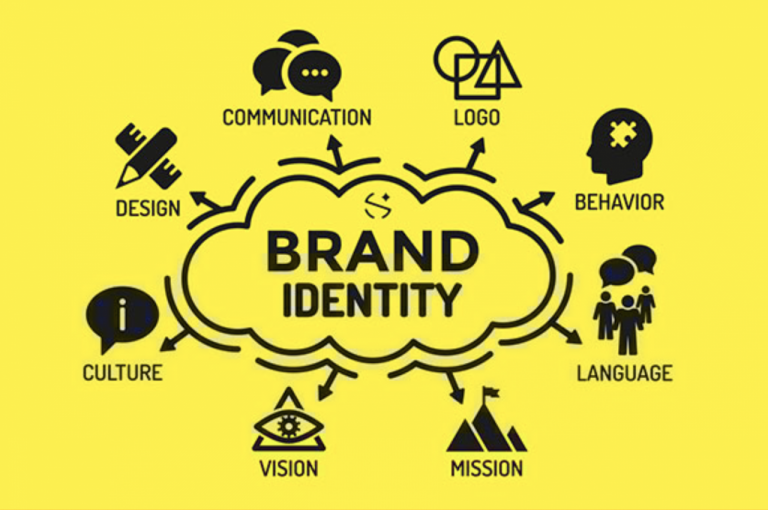
Kicking off with branding iron cook ne, these unique tools not only add a personal touch to culinary creations but also elevate the dining experience. Branding irons have a rich history, originating from their use in livestock to identify ownership, and have evolved into essential kitchen gadgets embraced by chefs and food lovers alike.
Today, branding irons come in various materials and designs, allowing for customization that reflects personal style or brand identity. Whether for home cooking or commercial use, understanding how to effectively utilize and maintain these tools can enhance the art of food presentation.
Introduction to Branding Irons
Branding irons are specialized tools used primarily in the culinary world to imprint logos, designs, or messages onto food items. They serve both functional and aesthetic purposes, offering a unique way to personalize dishes and enhance their presentation. More than just a cooking tool, branding irons have become a creative means for chefs and home cooks alike to make their culinary creations stand out.Historically, branding irons can be traced back to ancient civilizations where they were used for marking livestock, indicating ownership, and denoting quality.
Over time, the concept evolved, and by the late 19th century, branding irons found their way into kitchens. Today, they are commonly used to mark meats, pastries, and even vegetables, and they are available in various designs to suit different culinary needs.
Materials Used in Branding Irons
The materials used in the production of branding irons are crucial as they determine the quality and effectiveness of the imprints. Different materials offer various benefits, including heat retention, durability, and ease of use. Commonly used materials include:
- Stainless Steel: Known for its durability and resistance to corrosion, stainless steel is a popular choice for branding irons. It retains heat well, ensuring consistent and clear branding on food.
- Cast Iron: This traditional material is excellent for heat retention and provides a robust branding experience. Cast iron branding irons are often favored for their rustic appearance and ability to retain high temperatures.
- Copper: Copper branding irons heat up quickly and evenly, allowing chefs to achieve precise, intricate designs. They are often used for delicate items like pastries or chocolates.
- Aluminum: Lightweight and easy to handle, aluminum branding irons are sometimes used for smaller or more intricate branding projects. They may not retain heat as well as heavier metals, but their affordability makes them a practical choice.
In summary, the choice of material for branding irons plays a significant role in both the functionality and outcome of the branding process. Each material brings its unique characteristics, catering to different culinary applications and personal preferences.
Types of Branding Irons
Branding irons are essential tools for creating a lasting impression on products, livestock, and even culinary creations. Understanding the types of branding irons available allows consumers and businesses to choose the right tool to meet their specific needs, whether for branding leather goods, marketing products, or personalizing items.There are various types of branding irons available on the market, each designed for different applications and materials.
The choice between electric and traditional branding irons can significantly impact the effectiveness and ease of use. Additionally, customization options enhance the versatility of branding irons, enabling users to create unique designs.
Electric vs. Traditional Branding Irons
When selecting a branding iron, one major consideration is whether to choose an electric or traditional model. Each type has its own set of advantages and disadvantages that cater to different branding needs. Electric branding irons are powered by electricity and preheat to a specific temperature, allowing for quicker and more consistent branding. Here are the pros and cons of electric branding irons:
- Pros:
- Quick heating time, often ready in minutes.
- Consistent heat for even branding results.
- Less physical effort required compared to manual options.
- Cons:
- May require access to electrical outlets.
- Higher initial investment compared to traditional irons.
- Potential for overheating if not monitored closely.
Traditional branding irons are heated using a flame, generally through a propane torch or charcoal. They offer a different branding experience that some users prefer. Here are their pros and cons:
- Pros:
- More portable, no need for electricity.
- Lower initial cost, especially for simple designs.
- Allows for a unique touch, creating a rustic feel.
- Cons:
- Longer heating time, potentially leading to inconsistent results.
- Requires more skill to use effectively.
- Risk of varying heat levels affecting the quality of branding.
Customization Options
The ability to customize branding irons is a significant advantage for many users. Customization can include unique logos, names, or specific designs that reflect personal or business branding. The following are common customization options available:
- Custom Logos: Many manufacturers offer services to create branding irons featuring your unique logo, which can enhance brand recognition.
- Font Styles: Choose from various font styles to create personalized messages or company names, ensuring that branding reflects the desired aesthetic.
- Size Variations: Branding irons can come in different sizes, making it possible to achieve the perfect look for various applications, from small craft items to large livestock branding.
- Material Choices: Options for the iron material include brass and stainless steel, each providing different heat retention and durability characteristics.
Customization not only amplifies brand identity but also allows for creativity in product presentation, making branding irons a versatile tool across various industries.
Uses of Branding Irons in Cooking
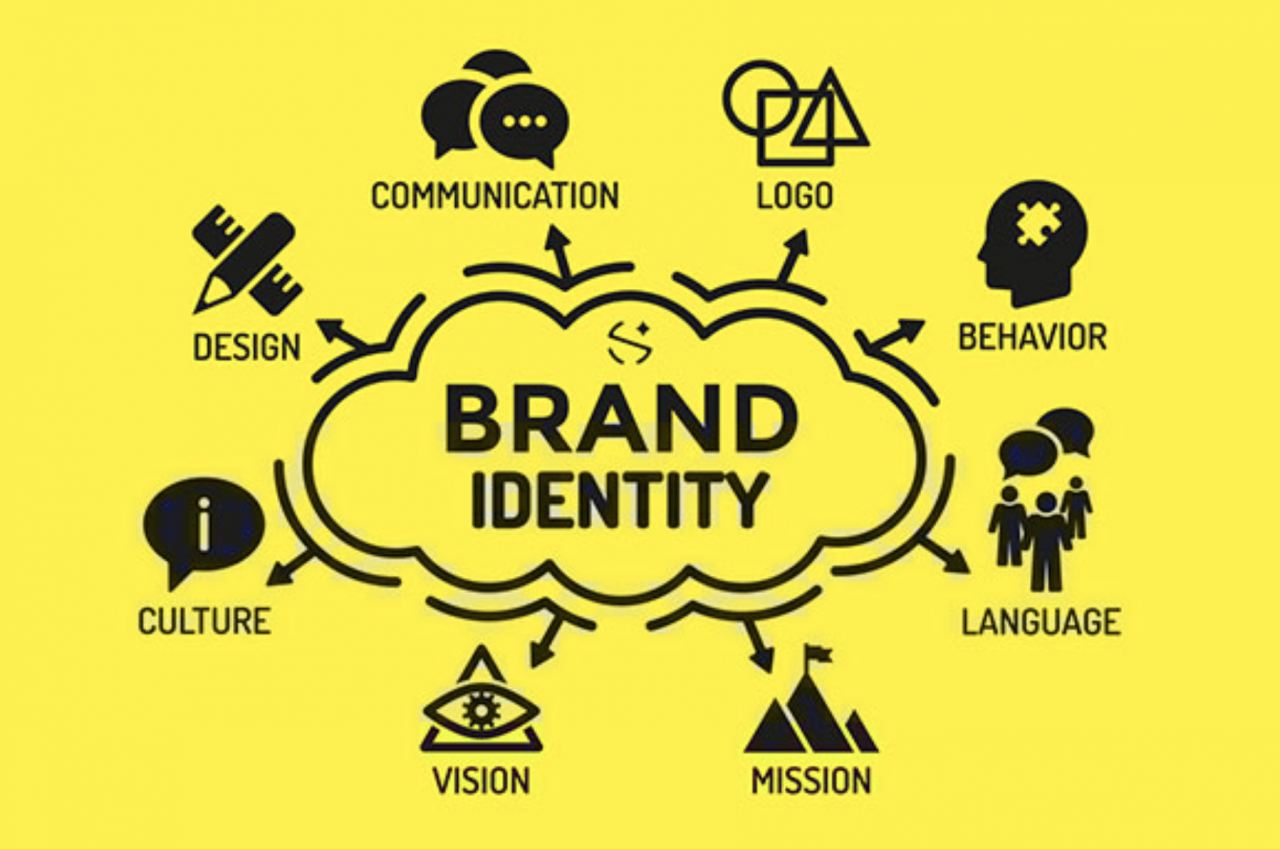
Branding irons have carved out a unique niche in the culinary world, providing chefs and food artisans with a creative way to enhance their culinary creations. Beyond the traditional applications in ranching and livestock, branding irons are making waves in kitchens, food trucks, and artisan markets. Their uses extend beyond mere aesthetics, influencing customers’ perceptions and experiences with food.The impact of branding on food presentation cannot be overstated.
It adds an element of personalization and exclusivity, transforming ordinary dishes into extraordinary experiences. When a dish is branded with a unique emblem or logo, it serves not only as a mark of quality but also as a conversation starter. Here are several key ways branding irons are utilized in various culinary styles:
Examples of Branding Irons in Culinary Styles
Branding irons find their way into a variety of culinary settings, from gourmet restaurants to backyard barbecues. Examples include:
- Artisan Cheese Makers: Many cheese artisans use branding irons to imprint their logo or the type of cheese onto the rind of their products. This not only showcases brand identity but also engages consumers by providing them with information directly on the cheese itself.
- Craft Breweries: Craft breweries often brand their wooden beer barrels or even the foam of their signature beers. This serves to enhance brand recognition and adds a rustic charm to their presentation.
- Food Trucks: Food trucks have embraced branding irons for items like grilled sandwiches or burgers, leaving an imprint of their logo or fun designs on the bread. This promotes brand visibility and fosters a unique dining experience.
- BBQ Competitions: Competitors often use branding irons to mark their signature meats, adding a professional touch that can impress judges and audience members alike, elevating the perception of their cooking skills.
Impact of Branding on Food Presentation and Customer Experience
Branding not only affects how food looks but also plays a significant role in shaping the overall customer experience. When diners see a branded dish, it often elicits feelings of premium quality and authenticity. The impact is multifaceted:
- Visual Appeal: A well-branded dish can catch the eye and create an instant connection with the consumer. It makes the food more memorable and Instagram-worthy, which is invaluable in the age of social media.
- Consumer Trust: Branding conveys consistency and reliability. When customers recognize a brand, they are more likely to trust the quality of the food being served. This enhances customer loyalty and encourages repeat business.
- Storytelling: Every brand has a story. When food is branded, it often ties back to the story of the chef or the establishment, creating a narrative that adds depth to the dining experience.
Significance of Branding in Artisanal Food Products
Branding plays a crucial role in the artisanal food sector, where authenticity and craftsmanship are paramount. The significance can be observed in the following ways:
- Market Differentiation: In a crowded marketplace, branding helps artisanal products stand out. A unique brand mark can indicate the quality and tradition behind the product, appealing to discerning consumers.
- Consumer Engagement: Artisanal food producers often cultivate a sense of community around their brands. By using branding irons to mark their products, they can create a more personal connection with customers, fostering loyalty.
- Perceived Value: Branding elevates the perceived value of artisanal products. Consumers are willing to pay a premium for items they perceive as unique or crafted with care, thanks to the branding that signifies quality.
How to Choose the Right Branding Iron
Selecting a branding iron tailored to your cooking needs can elevate your culinary creations. With various options available, it’s essential to consider several factors before making a purchase. A well-suited branding iron not only enhances the appearance of your food but also reflects your personal style and culinary flair.Understanding the features and specifications of branding irons is crucial for informed decision-making.
When selecting a branding iron, consider your cooking style, the type of food you typically prepare, and the customization options that can be applied. Let’s delve into the essential criteria to help you find the perfect branding iron.
Criteria for Selecting a Branding Iron
Evaluating the right branding iron involves understanding its features and how they align with your cooking preferences. Below are key aspects to consider:
- Material: Look for branding irons made of durable materials like stainless steel or cast iron, which withstand high temperatures and provide even heating.
- Size: Consider the size of the branding iron in relation to the food you will be branding. A larger iron may be suitable for bigger cuts of meat, while smaller options are perfect for items like burgers or biscuits.
- Design Flexibility: Opt for branding irons that allow for interchangeable plates or custom designs to personalize your branding.
- Heat Source Compatibility: Ensure that the branding iron is compatible with your grilling or cooking method, whether it’s a stovetop, grill, or campfire.
- Ease of Use: Choose an iron with a comfortable handle and a design that allows for easy pressing and maneuverability.
- Cleaning and Maintenance: Look for branding irons that are easy to clean and maintain, as this will save you time and effort after cooking.
Popular Branding Irons Comparison
To help you visualize your options, here is a comparison table of popular branding irons along with their specifications:
| Branding Iron | Material | Size (inches) | Customizable | Heat Source |
|---|---|---|---|---|
| BBQ Branding Iron Set | Stainless Steel | 4 x 2 | Yes | Gas Grill, Charcoal |
| Personalized Cast Iron Branding Iron | Cast Iron | 5 x 3 | Yes | Grill, Campfire |
| Wooden Handle Branding Iron | Stainless Steel | 3 x 1.5 | No | Stovetop, Grill |
| Custom Logo Branding Iron | Aluminum | 4 x 2 | Yes | Electric Grill |
| Engraved Branding Iron | Stainless Steel | 5 x 2 | Yes | All Heat Sources |
Selecting a branding iron that meets your requirements not only enhances your cooking experience but also adds a personal touch to your dishes.
Techniques for Using Branding Irons
Branding irons are a fantastic way to add a personal touch to your culinary creations. Whether you’re marking your grilled meats or branding baked goods, using a branding iron effectively can elevate your cooking and impress your guests. To achieve the best results, it’s essential to understand the techniques involved in using these tools, including safety measures and tips for different food types.
Step-by-Step Procedures for Effective Branding
The process of branding food requires careful attention to detail and technique. Here’s a simple guide to ensure your branding is done right:
1. Preheat the Branding Iron
Begin by heating your branding iron. This is crucial for ensuring that the mark is crisp and clear. Depending on your brand, a heat source like a grill, stovetop, or even an oven can be used. Aim for an even heat distribution to avoid hot spots.
2. Prepare the Food Item
Ensure the food you want to brand is clean and has a flat surface for marking. For meats, pat them dry with a paper towel to avoid moisture interference.
3. Position the Branding Iron
Directly place the branding iron on the food item. Make sure to align it correctly for a straight, even branding.
4. Apply Pressure
Firmly press the branding iron down for a consistent imprint. Typically, holding it down for 5-10 seconds is ideal, but this may vary depending on the heat of the iron and the type of food.
5. Check the Mark
Lift the branding iron to inspect the mark. If it needs more depth or clarity, you can repeat the process, adjusting your technique as necessary.
6. Clean the Branding Iron
After use, clean the branding iron while it’s still warm to remove any residue. This ensures it stays in good condition for future uses.
Safety Measures While Using Branding Irons
Using branding irons involves heat, so taking safety precautions is essential to prevent burns or accidents. Here are some important safety measures to keep in mind:
Use Heat-Resistant Gloves
Always wear heat-resistant gloves while handling a hot branding iron to protect your hands from burns.
Work in a Safe Area
Ensure your workspace is clear of flammable materials, including paper towels and wooden utensils.
Supervise Children
If children are present, keep them at a safe distance from your cooking area while using the branding iron.
Avoid Wet Surfaces
Never use a branding iron on wet food surfaces as this can cause steam and splatter, increasing the risk of burns.
“Safety first ensures a successful and enjoyable branding experience.”
Tips for Achieving the Best Results with Branding Irons on Different Food Types
Each type of food can yield different results when branded. Here are some tailored tips for various food items:
Meats
For meats, ensure they are at room temperature before branding. This helps achieve a more defined mark. For beef steaks, a good sear before branding can enhance the appearance and flavor.
Baked Goods
When branding cookies or bread, allow them to cool slightly before applying the branding iron. The residual heat will help set the mark without distorting the baked good’s shape.
Vegetables
For vegetables, blanching them briefly can create a softer surface for branding. This is especially effective with potatoes or bell peppers.
Cheeses
When branding cheeses, a low heat setting is essential. Apply the branding iron quickly to prevent melting. Incorporating branding irons into your cooking routine can be both an art and a science. With the right techniques, safety measures, and tips for various food types, you can create impressive branded dishes that reflect your personal style and culinary creativity.
Maintaining and Caring for Branding Irons
Proper maintenance and care of branding irons are essential to ensure their longevity and effectiveness in cooking. Just like any kitchen tool, branding irons require specific attention to keep them in optimal condition. Following best practices for cleaning, storage, and handling common issues can extend their lifespan and maintain their performance.
Best Practices for Cleaning Branding Irons
Cleaning branding irons after each use is crucial to prevent residue buildup and maintain their quality. Here are some effective cleaning methods:
- Immediate Cleaning: Always clean the branding iron while it is still warm. Use a damp cloth to wipe off any food residue. This helps to loosen any burnt bits, making them easier to clean.
- Soaking Method: For tougher residues, fill a container with warm soapy water and let the branding iron soak for a few minutes. After soaking, scrub gently with a non-abrasive sponge.
- Deep Cleaning: For heavy-duty cleaning, use a mixture of baking soda and water to create a paste. Apply this paste to the iron, let it sit for about 15 minutes, and then scrub off gently.
- Rust Prevention: After cleaning, ensure the branding iron is completely dry. To prevent rust, apply a thin layer of cooking oil or mineral oil to the surface before storing.
Storing Branding Irons for Longevity
Storing branding irons correctly is just as important as cleaning them. Proper storage prevents damage and ensures they are ready for use when needed. Consider the following storage tips:
- Cool and Dry Location: Store branding irons in a cool, dry place to avoid moisture accumulation, which can lead to rust.
- Use a Protective Cover: If the branding iron comes with a protective case or cover, use it. If not, consider wrapping it in a soft cloth or placing it in a fabric bag to prevent scratches.
- Hang or Use a Rack: Hanging branding irons on a wall-mounted rack can save space and keep them easily accessible. Ensure they are hung in a way that prevents any impact or scratching.
Troubleshooting Common Issues with Branding Irons
Even with proper care, branding irons can face issues over time. Recognizing and addressing these problems can enhance their performance. Here are some common issues and troubleshooting tips:
- Uneven Heating: If the branding iron heats unevenly, check the heat source. Ensure consistent heat distribution, or consider adjusting the position of the branding iron over the flame.
- Sticking to Food: If your branding iron sticks to food, it may need a more thorough cleaning or a re-seasoning with oil to create a non-stick surface.
- Loss of Imprint Quality: If the branding iron fails to leave a clear imprint, ensure that it is adequately heated. A cold iron will not produce a clean brand.
Cleaning and maintaining branding irons not only preserves their functionality but also enhances your cooking experience by ensuring every brand is perfect.
Creative Ideas for Branding
Branding irons are not just tools for marking food; they are a canvas for culinary creativity. By thinking outside the box, you can transform ordinary dishes into extraordinary culinary masterpieces. This section explores unique branding designs, seasonal themes, and innovative ways to integrate branding into food events or catering, elevating your cooking presentations significantly.
Unique Branding Designs
Incorporating distinctive branding designs can significantly enhance your culinary presentations. Creative branding can reflect personal style, restaurant identity, or themed events. Here are a few unique design ideas:
- Custom Logos: Create a branding iron with your restaurant’s logo for a professional touch on every dish.
- Seasonal Shapes: Use branding irons shaped like leaves, snowflakes, or flowers to complement seasonal recipes.
- Inspirational Words: Brand motivational words such as “Delicious” or “Love” onto food items to add an emotional connection.
- Cultural Symbols: Incorporate symbols relevant to specific cuisines or cultural celebrations to enhance authenticity.
Seasonal or Themed Branding Ideas
Seasonal and thematic branding can add an exciting element to food preparations, making dishes more appealing during specific occasions. Here’s how you can creatively utilize branding irons for various celebrations:
- Halloween: Use spooky shapes like pumpkins or ghosts to brand treats, creating a fun atmosphere.
- Christmas: Incorporate festive designs such as stars, Christmas trees, or snowflakes for holiday treats.
- Valentine’s Day: Heart-shaped branding can make desserts feel extra special, perfect for romantic dinners.
- Summer BBQs: Consider tropical designs like palm trees or suns to enhance the grilling experience.
Incorporating Branding Irons into Food Events
Branding irons can play a pivotal role in food events or catering, adding a unique touch that leaves a lasting impression on guests. Here are ways to seamlessly integrate branding into your food events:
- Interactive Stations: Set up a branding station where guests can brand their own burgers or grilled items, personalizing their meals.
- Themed Dinners: Match the branding design with the dinner theme, ensuring coherence between the menu and the branding.
- Gift Packages: Offer branded goodies in gift packages, creating a memorable takeaway for attendees.
- Live Cooking Demonstrations: Incorporate branding into live cooking events, showcasing the branding process while preparing dishes.
Branding Irons in Commercial Settings
The use of branding irons in commercial settings like restaurants and food trucks has gained significant traction as operators seek to create memorable experiences for their customers. These tools not only enhance the presentation of food but also serve as a unique branding strategy that distinguishes businesses from their competitors. The visual appeal of branded dishes can evoke a sense of quality and attention to detail, which is essential in the food industry.In commercial settings, branding irons offer various advantages that go beyond just aesthetics.
They provide an opportunity for branding that can enhance customer recognition and loyalty. The act of branding food items can also create buzz on social media platforms, further amplifying a restaurant’s or food truck’s reach. The tactile experience of a branded meal can enhance customer satisfaction, making their dining experience more memorable.
Advantages of Using Branding Irons
The incorporation of branding irons in commercial kitchens has proven beneficial in multiple ways. Here are some key advantages that underscore their importance:
- Brand Identity: Branding irons allow businesses to imprint their logo or a unique design on food items, reinforcing brand identity and making dishes instantly recognizable.
- Quality Perception: A branded meal often conveys a higher quality product, creating an impression that the establishment pays close attention to detail.
- Social Media Appeal: Visually appealing branded dishes are likely to be shared on social media, increasing visibility and attracting new customers.
- Customer Engagement: The novelty of branded food items can engage customers, prompting them to revisit or recommend the establishment to others.
- Menu Differentiation: In a competitive market, unique branding can set a business apart from competitors offering similar cuisine.
Success Stories of Businesses Using Branding Irons
Numerous businesses have successfully integrated branding irons into their culinary practices, leading to increased customer engagement and sales. For instance, a well-known food truck specializing in gourmet burgers adopted branding irons to imprint their logo onto the patties. This not only made their burgers visually appealing but also created a talking point among customers, who often shared images on social media, significantly boosting the truck’s popularity.Another example is a small artisanal bakery that used branding irons to mark their signature pastries with a unique emblem.
This practice not only enhanced the presentation of their products but also fostered a sense of exclusivity. Customers began to seek out the bakery specifically for the branded pastries, leading to increased foot traffic and higher sales.
Branding Trends in Different Culinary Sectors
Branding trends vary across culinary sectors, influenced by customer preferences and market dynamics. In fine dining, branding is often subtle yet sophisticated, focusing on elegant designs that complement the high-end dining experience. Conversely, casual dining establishments may opt for bold, playful branding that resonates with a younger audience.Food trucks and casual eateries frequently embrace innovative branding techniques, using branding irons to create unique, eye-catching designs that attract a diverse customer base.
In contrast, health-focused cafes may lean towards natural, organic branding that aligns with their health-conscious ethos.As the culinary landscape continues to evolve, the strategic use of branding irons in commercial settings will likely remain a vital tool for businesses looking to enhance their brand identity and customer experience.
Future of Branding Irons in Cooking
The future of branding irons in cooking is poised for transformation, driven by advancements in technology, sustainability, and creativity within the culinary arts. As chefs and home cooks seek innovative techniques to enhance food presentation and flavor, branding irons will play an increasingly vital role. This segment explores the potential shifts in design, materials, and usage that could redefine how branding irons are perceived and utilized in kitchens.
Emerging Technologies in Branding Iron Design
Advancements in technology are significantly influencing the design and functionality of branding irons. Innovations such as temperature control sensors and smart technology integration are making their way into culinary tools. These features allow for precise control over the branding process, ensuring that foods are branded at the optimal temperature for perfect results. For example, some brands are experimenting with rechargeable electric branding irons that offer adjustable heat settings, significantly enhancing the user experience.Moreover, the incorporation of digital elements could lead to customizable branding irons, where users program specific designs through a smartphone app.
This could allow for intricate logos or patterns to be branded on various foods with ease, elevating the presentation in both home and commercial settings.
Eco-Friendly Materials in Branding Iron Production
Sustainability is becoming a critical consideration in kitchenware production, including branding irons. Manufacturers are exploring eco-friendly materials that reduce environmental impact without sacrificing quality. Biodegradable plastics, recycled metals, and sustainably sourced woods are emerging as viable options for branding iron construction.Utilizing these materials not only caters to environmentally conscious consumers but also aligns with the growing trend of sustainable dining.
For example, brands like EcoBrand have started offering branding irons made from recycled stainless steel, which are durable and reduce waste. This shift towards sustainability reflects a broader commitment in the culinary world to incorporate eco-friendly practices.
Innovative Uses of Branding Irons in Modern Cuisine
Chefs are increasingly finding innovative ways to incorporate branding irons into their culinary creations, pushing the boundaries of traditional cooking techniques. Some are using branding irons to create unique textures and flavors in meats, infusing them with aromatic woods during the branding process, which adds a subtle smokiness that enhances the overall dish.In desserts, branding irons are being utilized to imprint logos or artistic designs on chocolates and pastries, making them visually striking and personalizing them for special occasions.
This artistic approach not only appeals to customers but also provides a storytelling element that connects chefs to their creations.Additionally, branding irons are finding their place in the realm of infused oils and sauces. Chefs are experimenting with branding the edges of plates with flavored oils, leaving a lasting impression that tantalizes the taste buds before the dish is even tasted.
Such creativity in the use of branding irons showcases their versatility and potential in modern cuisine.
Final Review
In summary, branding irons are more than just tools; they are a means to express creativity and individuality in cooking. By choosing the right branding iron, employing effective techniques, and embracing maintenance practices, both home cooks and restaurant owners can leave a lasting impression on their guests.
Query Resolution
What are branding irons used for?
Branding irons are used to imprint logos or designs onto food items, enhancing presentation and adding a personal touch.
Can branding irons be used on all types of food?
While branding irons can be used on many food items, best results are typically achieved on meats, breads, and cheeses.
How do I clean my branding iron?
Cleaning involves letting the branding iron cool, then using a brush or cloth to remove food residues and wiping it down with a damp cloth.
Are there eco-friendly branding irons available?
Yes, some manufacturers are creating branding irons using sustainable materials; it’s worth researching options that align with your values.
How long do branding irons last?
With proper care and maintenance, branding irons can last for many years, providing consistent performance over time.