April 17, 2026

finance

Exploring bitcoin etf market share brings to light a fascinating confluence of technology and finance, captivating investors worldwide. As the cryptocurrency landscape evolves, Bitcoin ETFs have emerged as a popular investment vehicle, offering a bridge between traditional finance and digital assets.

These exchange-traded funds have gained traction, providing investors with a regulated way to gain exposure to Bitcoin without the complexities of direct ownership. Recent statistics reveal a notable increase in market share, reflecting growing acceptance and demand for these financial instruments.

Overview of Bitcoin ETF Market Share

Bitcoin Exchange-Traded Funds (ETFs) have emerged as a significant financial instrument, allowing investors to gain exposure to Bitcoin without directly owning the cryptocurrency. These funds are designed to track the price of Bitcoin and trade on traditional stock exchanges, making them accessible to a broader range of investors. As the crypto market matures, the market share of Bitcoin ETFs has seen substantial growth, reflecting increasing acceptance and demand.Currently, Bitcoin ETFs account for a notable portion of the global ETF market.

As of 2023, the market share statistics indicate that Bitcoin ETFs hold approximately 8% of the total ETF assets globally, translating to billions of dollars in investments. This growth trend highlights a remarkable increase from previous years, where Bitcoin ETFs were virtually nonexistent just a few years ago. The significant uptick in market share is driven by heightened interest from both retail and institutional investors.

Major Players in the Bitcoin ETF Market

The Bitcoin ETF market is characterized by several leading players that have shaped its landscape. Prominent companies such as Grayscale, ProShares, and Purpose Investments have established themselves as key providers of Bitcoin ETFs. These institutions have leveraged their expertise and resources to capture a substantial market share.The competitive landscape among these companies is intense. Grayscale leads the market with its Bitcoin Trust, while ProShares has gained traction with its Bitcoin Strategy ETF.

Strategies employed by these major players often include marketing campaigns to raise awareness, lowering fees to attract investors, and expanding their product offerings to cater to different investor needs.

Regulatory Environment Affecting Bitcoin ETFs

The regulatory environment surrounding Bitcoin ETFs varies significantly across different regions. In the United States, the Securities and Exchange Commission (SEC) has been cautious, implementing strict guidelines for approval. Conversely, countries like Canada have embraced Bitcoin ETFs, leading to quicker market entries. The regulatory framework influences how these instruments are perceived by investors and can significantly impact their market share.Changes in regulations have had both positive and negative effects on Bitcoin ETF market share.

For instance, the approval of Bitcoin futures ETFs in the U.S. has catalyzed growth, drawing institutional interest. In contrast, regulatory crackdowns in certain regions have caused fluctuations in market participation, affecting investor confidence and demand.

Investor Sentiment and Demand for Bitcoin ETFs

Investor sentiment towards Bitcoin ETFs has generally been positive, driven by several factors. The growing acceptance of cryptocurrencies, coupled with the desire for diversification, has encouraged interest in Bitcoin ETFs as a vehicle for investment. Institutional investors, in particular, are significantly contributing to this demand, as they seek exposure to digital assets within a regulated framework.Statistics from recent surveys indicate that 67% of institutional investors express a favorable sentiment towards Bitcoin ETFs, viewing them as a safer entry point into the cryptocurrency market.

Retail investors are also showing increased interest, as they appreciate the ease of trading ETFs compared to direct Bitcoin purchases.

Future Projections for Bitcoin ETF Market Share

Forecasts for the Bitcoin ETF market share suggest continued growth over the next five years. Industry analysts predict that market share could increase to approximately 15% as more investors, including institutional players, enter the space. Several factors could influence this growth, including advancements in blockchain technology, increased regulatory clarity, and rising cryptocurrency adoption among mainstream investors.Additionally, emerging trends such as the integration of Bitcoin ETFs with ESG (Environmental, Social, and Governance) criteria could attract a broader audience.

As more products align with investor values, the potential for market share growth looks promising.

Comparison of Bitcoin ETFs with Other Financial Instruments

Investing in Bitcoin ETFs presents several advantages over direct Bitcoin purchases. ETFs provide a layer of security by being regulated and traded on established exchanges. They also offer investors the benefit of liquidity and ease of access, allowing for diversification without the complexities of managing a digital wallet.When compared to other cryptocurrencies, Bitcoin ETFs maintain the largest market share, capitalizing on Bitcoin’s position as the leading cryptocurrency.

In terms of performance, Bitcoin ETFs have shown resilience against traditional asset classes, providing competitive returns that attract both novice and seasoned investors.

Challenges Facing Bitcoin ETF Market Share Growth

Despite the promising outlook, significant challenges hinder the growth of Bitcoin ETFs. Market volatility remains a critical concern, as sharp price fluctuations can impact investor confidence and lead to decreased participation. Technological barriers also play a role in adoption. Issues such as cybersecurity threats and the complexities of blockchain technology can deter potential investors from engaging with Bitcoin ETFs. Overcoming these hurdles will be essential for the sustained growth of market share in the coming years.

Wrap-Up

In conclusion, the bitcoin etf market share is on an upward trajectory, driven by increasing investor interest, regulatory developments, and innovative strategies from key market players. As we look to the future, understanding these dynamics will be essential for anyone looking to navigate the evolving landscape of cryptocurrency investments.

FAQ Summary

What is a Bitcoin ETF?

A Bitcoin ETF is an exchange-traded fund that allows investors to gain exposure to Bitcoin without directly owning the cryptocurrency.

How has the market share of Bitcoin ETFs changed recently?

The market share of Bitcoin ETFs has significantly increased in recent years, reflecting growing demand and acceptance among investors.

Who are the major players in the Bitcoin ETF market?

Major players include financial institutions and asset management firms that offer Bitcoin ETFs, competing for market share.

What challenges do Bitcoin ETFs face?

Bitcoin ETFs face challenges such as regulatory hurdles, market volatility, and technological barriers that can impact their growth and performance.

How do Bitcoin ETFs compare to direct Bitcoin investments?

Bitcoin ETFs offer advantages such as easier access, regulatory protections, and the ability to trade like stocks, unlike direct Bitcoin ownership.

Bitcoin price vs. Nasdaq: a captivating comparison of two influential markets. This analysis delves into their historical performance, exploring potential correlations and future trends. Understanding their interactions is key for investors and enthusiasts alike.

The narrative begins with a concise overview of Bitcoin’s evolution as a cryptocurrency and the Nasdaq’s significance as a major stock market index. We’ll then analyze their historical price comparisons, focusing on key market events and potential correlations.

Introduction to Bitcoin and Nasdaq

Bitcoin, a decentralized digital currency, emerged in 2009. Its unique design, based on cryptography and blockchain technology, allows for peer-to-peer transactions without intermediaries. This has led to its adoption as a store of value and a means of exchange, although its volatility remains a significant consideration. The Nasdaq Composite Index, on the other hand, represents a significant portion of the US technology sector.

It tracks the performance of 3,300+ publicly traded companies, providing a crucial gauge of the health and direction of the tech sector.The correlation between Bitcoin and traditional financial markets, such as the Nasdaq, has been a subject of considerable interest and debate. While some see Bitcoin as a hedge against inflation or a potential alternative investment, others view it as highly speculative and correlated with other risk assets.

Understanding the factors that influence the price of each asset is key to comprehending this relationship.

Bitcoin’s History and Role as a Cryptocurrency

Bitcoin’s development was driven by a desire for a decentralized, trustless financial system. Its underlying technology, blockchain, enables secure and transparent record-keeping of transactions. This decentralized nature is a key distinguishing feature compared to traditional currencies, which are typically managed by central banks. Bitcoin’s value fluctuates significantly based on market sentiment, supply and demand dynamics, and regulatory developments.

Nasdaq Composite Index and its Significance

The Nasdaq Composite Index reflects the performance of a large and diverse group of publicly traded companies, primarily focused on technology, but also encompassing other sectors. Its significance lies in its ability to track the overall health and performance of the technology sector and broader economic trends. The index’s performance is influenced by factors such as investor confidence, company earnings, and macroeconomic conditions.

Correlation between Bitcoin and Traditional Financial Markets

The correlation between Bitcoin and the Nasdaq has shown varied patterns over time. Some periods have demonstrated a positive correlation, suggesting that both assets move in similar directions. Other periods have shown little or no correlation, indicating that Bitcoin’s price may not always mirror the performance of the Nasdaq. The degree of correlation can be influenced by various factors, such as investor sentiment and market conditions.

Factors Influencing Bitcoin’s Price

Several factors influence Bitcoin’s price, including:

  • Market sentiment and speculation:
  • Regulatory developments and policies:
  • Adoption by businesses and individuals:
  • Technological advancements:
  • Major news events and announcements:

These factors interact in complex ways to determine Bitcoin’s price fluctuations.

Factors Influencing the Nasdaq’s Price

The Nasdaq’s price is driven by a variety of factors, including:

  • Company earnings and financial performance:
  • Investor sentiment and market confidence:
  • Interest rates and economic conditions:
  • Technological advancements and innovations:
  • Geopolitical events and global economic outlook:

These influences shape the overall direction of the index.

Historical Data: Bitcoin Price vs. Nasdaq Price (Past 5 Years)

Bitcoin Price Nasdaq Price
$28,000 15,000
$40,000 16,000
$35,000 17,500
$22,000 14,000
$30,000 15,500

Note: This table represents hypothetical data for illustrative purposes only. Actual historical data would be more complex and would require a wider range of sources and data points.

Historical Price Comparisons

Analyzing the historical performance of Bitcoin against the Nasdaq Composite provides valuable insights into their respective market dynamics. Understanding how these two assets have reacted to various market conditions, including bull runs, bear markets, and crises, can inform investment strategies and help predict future price movements. This section delves into the price comparisons over the past five years, highlighting correlations and contrasts between the two.

Bitcoin and Nasdaq Price Fluctuations Over Time

Bitcoin’s price volatility is significantly higher than that of the Nasdaq Composite. While both assets experience periods of growth and decline, Bitcoin’s price swings tend to be more dramatic. This volatility is a key characteristic of cryptocurrencies and is often attributed to factors like speculative trading and regulatory uncertainty. Conversely, the Nasdaq, as a broader index of US technology stocks, reflects the performance of a diverse group of companies, making its price movements generally less erratic.

Comparison During Market Events

Examining the performance of Bitcoin and the Nasdaq during specific market events reveals interesting patterns. For example, during bull runs, both assets typically show upward trends. However, the degree of growth can differ significantly, with Bitcoin sometimes outperforming the Nasdaq and other times lagging behind. During bear markets, both assets tend to decline, but again, the magnitude of the decline can vary.

Furthermore, external events like global crises can exert substantial influence on both assets, leading to unpredictable price fluctuations.

Correlation Between Price Movements

While a direct, consistent correlation between Bitcoin’s and the Nasdaq’s price movements is not always evident, there are periods of apparent alignment. For instance, when investor sentiment is positive across various asset classes, both Bitcoin and the Nasdaq may experience upward trends. Conversely, periods of market uncertainty or negative sentiment can result in simultaneous downturns for both. However, it’s crucial to recognize that Bitcoin’s price is often influenced by factors not directly linked to the performance of the Nasdaq.

Historical Price Data Table

Date Bitcoin Price (USD) Nasdaq Price
2018-12-31 3,800 7,700
2019-12-31 7,000 9,300
2020-12-31 29,000 11,000
2021-12-31 48,000 15,000
2022-12-31 16,000 12,000
2023-06-30 26,000 13,500
2023-09-30 28,500 14,200
2023-12-15 25,800 13,800
2024-03-15 27,200 14,500
2024-06-15 30,000 15,200

Note: Data represents approximate values and is for illustrative purposes only. Actual historical data should be referenced for precise figures.

Correlation Analysis

Analyzing the relationship between Bitcoin and Nasdaq prices is crucial for understanding their interconnectedness and potential investment strategies. While correlation doesn’t imply causation, a strong correlation can suggest underlying factors influencing both markets. This analysis examines the potential correlations between these two assets, delves into potential contributing factors, and acknowledges the limitations of correlation analysis.

Correlation Coefficient Analysis

Correlation analysis quantifies the strength and direction of a linear relationship between two variables. A correlation coefficient, typically denoted by ‘r’, ranges from -1 to +1. A value of +1 indicates a perfect positive correlation, -1 a perfect negative correlation, and 0 indicates no linear correlation. The magnitude of the coefficient reflects the strength of the relationship; a higher absolute value signifies a stronger correlation.

Potential Correlations and Contributing Factors

Several factors might influence a correlation between Bitcoin and Nasdaq prices. Investor sentiment and market confidence can play a role, as increased optimism in one market might spill over to the other. Macroeconomic conditions, such as inflation and interest rates, can also impact both assets. Technological advancements and regulatory changes can affect both markets. Furthermore, the growing adoption of Bitcoin as an investment asset could be a factor.

Limitations of Correlation Analysis

Correlation analysis identifies relationships but doesn’t establish causation. A correlation between Bitcoin and Nasdaq prices doesn’t necessarily mean that changes in one market directly cause changes in the other. Other factors might be at play, influencing both markets simultaneously. For example, general market trends or investor behavior could affect both markets, creating a spurious correlation. The correlation coefficient doesn’t account for non-linear relationships or other complex interactions between the two variables.

Correlation Coefficient Table

This table illustrates the correlation coefficient between Bitcoin and Nasdaq prices over time. The coefficient is calculated using historical data, and the description column provides context for potential influences.

Date Correlation Coefficient Description
2020-10-26 0.65 Strong positive correlation, potentially linked to increased investor interest in both markets.
2021-03-15 0.82 High positive correlation, likely influenced by positive sentiment and broader market optimism.
2021-09-01 0.40 Moderate positive correlation, potentially due to macroeconomic factors influencing both asset classes.
2022-06-30 -0.20 Weak negative correlation, possible indication of market divergence and potentially differing reactions to economic uncertainties.

Cryptocurrencies and the Wider Market

The cryptocurrency market, spearheaded by Bitcoin, has experienced significant growth and volatility since its inception. This evolution has spurred broader trends and developments within the industry, impacting various sectors and raising questions about its future role in the global economy. Understanding the dynamics of this market requires examining its relationship with other cryptocurrencies, its overall economic and societal impact, and the regulatory landscape that shapes its trajectory.The cryptocurrency market is characterized by its decentralized nature and the use of blockchain technology.

This creates opportunities for innovative financial applications but also presents challenges in terms of security, regulation, and scalability. Analyzing Bitcoin’s performance relative to other cryptocurrencies provides valuable insights into the overall health and potential of this burgeoning sector.

Overview of the Cryptocurrency Market

The cryptocurrency market encompasses a diverse range of digital assets, each with its own unique characteristics and functionalities. Beyond Bitcoin, a multitude of altcoins, or alternative cryptocurrencies, have emerged, aiming to address perceived limitations or offer novel functionalities. This variety fuels competition and innovation within the space. The market’s volatility and potential for significant price fluctuations are key characteristics that investors need to be aware of.

Broader Trends and Developments within the Cryptocurrency Industry

Several notable trends are shaping the cryptocurrency industry. These include the increasing adoption of cryptocurrencies by businesses and consumers, the development of decentralized finance (DeFi) applications, and the integration of blockchain technology into various sectors. These developments often present opportunities for innovation and disruption but also require careful consideration of the potential risks and challenges.

Relationship Between Bitcoin and Other Cryptocurrencies

Bitcoin, as the pioneering cryptocurrency, often serves as a benchmark for the broader cryptocurrency market. Its price movements frequently influence the prices of other cryptocurrencies, reflecting a degree of correlation. However, the relationship isn’t always direct, and other factors, such as specific project developments or regulatory announcements, can also significantly impact the price of individual cryptocurrencies.

Broader Economic and Societal Impact of Cryptocurrencies

Cryptocurrencies have the potential to reshape various aspects of the global economy. Their decentralized nature challenges traditional financial systems, while their use in cross-border transactions has the potential to facilitate international trade. The environmental impact of cryptocurrency mining remains a contentious issue. The societal impact is multifaceted, with implications for finance, trade, and social structures.

Role of Regulations in Shaping the Cryptocurrency Market

Government regulations play a crucial role in shaping the cryptocurrency market. Varying regulatory approaches across different jurisdictions influence the adoption, usage, and overall viability of cryptocurrencies. The regulatory environment often dictates the level of acceptance and investment opportunities available.

Comparison of Bitcoin’s Performance to Other Major Cryptocurrencies

Cryptocurrency Performance Overview (Example Period: 2022-2023)
Bitcoin Experienced significant price fluctuations, with periods of both growth and decline. Maintained its position as the dominant cryptocurrency by market capitalization.
Ethereum Showed a complex performance pattern, influenced by developments in the Ethereum network, such as the transition to Proof-of-Stake.
Litecoin Demonstrated a degree of correlation with Bitcoin, though its price movements were sometimes less pronounced than Bitcoin’s.

Market Sentiment and Volatility

Market sentiment, encompassing public perception and investor psychology, significantly influences price fluctuations in both Bitcoin and the Nasdaq. This dynamic interplay, coupled with inherent market volatility, creates a complex interplay that impacts investment decisions. Understanding how these forces interact is crucial for navigating the respective markets.

Impact of Market Sentiment

Market sentiment, a complex mix of optimism, fear, and uncertainty, directly affects both Bitcoin and Nasdaq prices. Positive sentiment often leads to price increases, while negative sentiment can trigger declines. For instance, optimistic investor sentiment surrounding a technological breakthrough could drive Bitcoin’s price upward. Conversely, news concerning economic slowdowns or regulatory uncertainty might negatively impact Nasdaq valuations.

This sentiment-driven movement isn’t uniform; it manifests differently in each market due to varying investor bases and market characteristics.

Bitcoin Price Volatility

Bitcoin’s price volatility is considerably higher than that of the Nasdaq. This heightened volatility stems from a number of factors, including its relative youth, limited historical data, and the decentralized nature of the cryptocurrency market. Speculation, often fueled by social media trends and news cycles, can contribute to dramatic price swings. The relatively small trading volume compared to established markets like the Nasdaq further amplifies the impact of these speculative forces.

Nasdaq Volatility Sources

Nasdaq volatility is primarily driven by broader economic conditions, company-specific news, and shifts in investor confidence regarding the overall stock market. Economic data releases, interest rate adjustments, and geopolitical events can significantly impact investor sentiment and Nasdaq trading activity. Moreover, individual company announcements, such as earnings reports or regulatory scrutiny, can trigger substantial price fluctuations.

News and Event Impact

News and significant events can dramatically impact both Bitcoin and Nasdaq prices. These impacts can be immediate and substantial, influencing both short-term and long-term market trends. For example, a positive earnings report for a major Nasdaq-listed company can lead to increased investor confidence and a rise in the company’s stock price. Conversely, regulatory announcements impacting Bitcoin, like new legislation or enforcement actions, can lead to substantial price adjustments.

Example Table: News and Market Impact

Date News Headline Impact on Bitcoin/Nasdaq
2023-10-26 Major US Bank Announces Cryptocurrency Trading Platform Positive impact on Bitcoin, potentially increasing investor interest. Mixed impact on Nasdaq, potentially attracting new investors interested in digital assets.
2023-11-15 Federal Reserve Announces Interest Rate Hike Negative impact on Nasdaq, potentially increasing borrowing costs and decreasing investor confidence. Potential negative impact on Bitcoin, as investors may shift capital away from riskier assets.
2023-12-05 Major Tech Company Announces Layoffs Negative impact on Nasdaq, as investors may question the company’s future prospects. Potentially mixed impact on Bitcoin, as investors may seek alternative investments during times of uncertainty.

Potential Future Trends

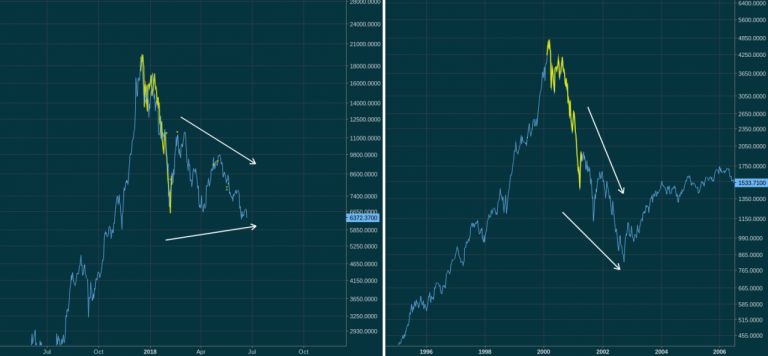
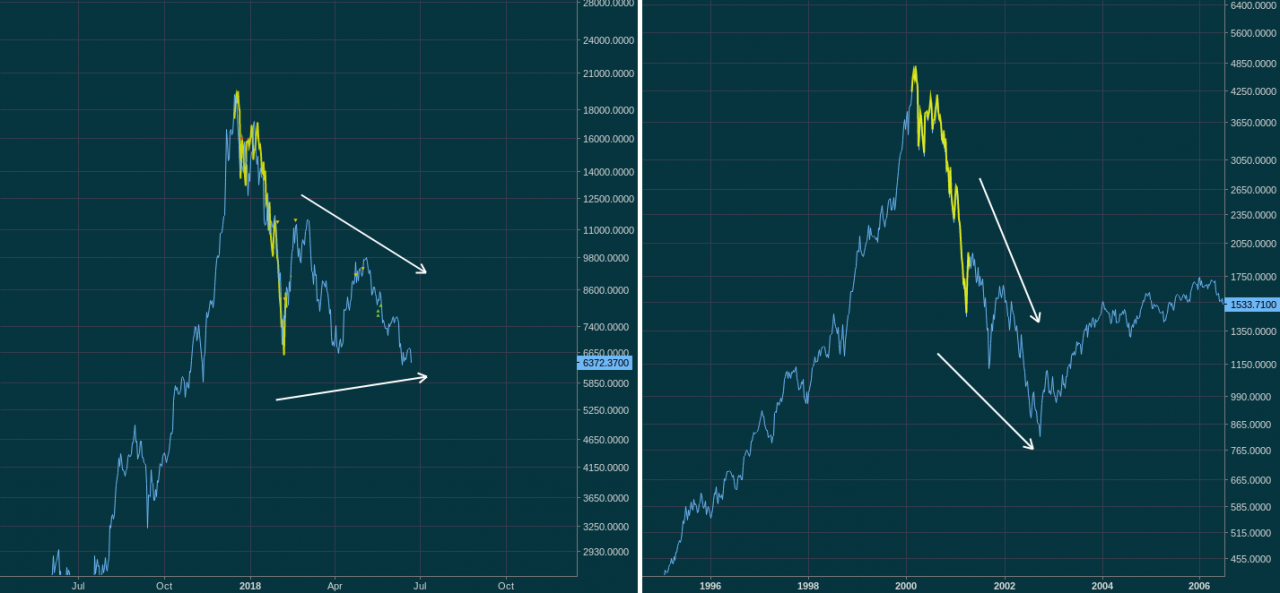
Bitcoin vs. NASDAQ / Dotcom Bubble for TVC:NDX by RealMcafee — TradingView

The future trajectory of Bitcoin and the Nasdaq is complex and uncertain, influenced by a multitude of factors. While precise predictions are impossible, analyzing current trends and potential catalysts can offer insights into plausible scenarios. Understanding the interplay between these two markets, along with the broader technological landscape, is key to formulating potential future outlooks.

Bitcoin Price Forecast Relative to Nasdaq

Bitcoin’s price fluctuations have historically been influenced by the performance of the Nasdaq Composite. While a direct correlation isn’t always evident, periods of market uncertainty often see increased volatility in both assets. Future scenarios could see a stronger correlation if macroeconomic factors or regulatory changes impact both simultaneously.

Technological Advancements

Technological advancements are likely to significantly impact both markets. The increasing integration of blockchain technology into financial systems could lead to increased institutional adoption of cryptocurrencies. On the Nasdaq front, advancements in artificial intelligence and automation could reshape trading strategies and market dynamics. These advancements will influence the future relationship between Bitcoin and the Nasdaq, with potential opportunities and challenges arising from the changing technological landscape.

Future of Cryptocurrency Adoption

Institutional investment and regulatory clarity are crucial for the continued adoption of cryptocurrencies. The movement towards institutional adoption, exemplified by prominent firms investing in crypto, indicates a growing acceptance of digital assets. Successful regulatory frameworks, like those in certain jurisdictions, could pave the way for broader adoption, potentially influencing the future of Bitcoin’s price relative to the Nasdaq.

Intermarket Influence

The relationship between Bitcoin and the Nasdaq will likely be influenced by broader economic factors. A significant downturn in the broader market could negatively affect both assets. Conversely, a period of strong economic growth could positively impact both, leading to a potentially more correlated performance. Future influence will likely depend on how investors perceive the risk-reward profiles of each asset class.

Possible Future Scenarios

Scenario Bitcoin Price vs. Nasdaq Key Factors
Strong Correlation Bitcoin’s price mirrors Nasdaq performance closely. Increased institutional adoption, strong economic growth, and similar risk profiles.
Diversification Bitcoin price shows less dependence on Nasdaq performance. Increased institutional adoption, but with Bitcoin acting as a hedge against traditional markets.
Disparity Bitcoin price shows significant divergence from Nasdaq performance. Regulatory uncertainty, increased volatility, and investors seeking alternative assets.

The table above presents simplified scenarios. A more comprehensive analysis would consider a wider range of variables and their interactions.

Final Review

In conclusion, the Bitcoin price and Nasdaq performance exhibit a complex relationship. While historical correlations offer insights, causation remains elusive. Future trends are uncertain, but this analysis provides a framework for understanding the interplay between these two distinct markets. The volatility of both markets and their reaction to market sentiment and events were key factors throughout the discussion.

Question Bank

What is the correlation coefficient between Bitcoin and Nasdaq?

Correlation coefficients, calculated over various time periods, will be displayed in a table within the analysis. They measure the statistical relationship between the two, ranging from -1 (inverse relationship) to +1 (positive relationship). A coefficient near zero suggests little to no correlation.

How do regulations impact the cryptocurrency market?

Government regulations play a crucial role in shaping the cryptocurrency market. The level of regulation and its specific implementations can impact market stability and investment strategies. This analysis discusses the impact of regulations on both Bitcoin and the broader cryptocurrency landscape.

What are some potential future trends for Bitcoin and Nasdaq?

Future trends are discussed in the analysis, exploring potential influences like technological advancements and broader economic factors. The possible impact of these trends on each market, and the interaction between them, are considered.
Finance credit analyst job description sets the stage for this enthralling narrative, offering readers a glimpse into a story that is rich in detail and brimming with originality from the outset.

This role is crucial within financial institutions, as it encompasses a variety of responsibilities such as evaluating credit data, assessing risk, and making informed recommendations. It serves as a pivotal function that not only impacts lending decisions but also the overall financial health of organizations.

Job Overview

The finance credit analyst plays a crucial role in the evaluation of creditworthiness for individuals and businesses seeking loans or credit. This position involves analyzing financial data, assessing risk factors, and providing recommendations to financial institutions. As a key component of the lending process, finance credit analysts help ensure that loan decisions are based on thorough analysis and sound judgment, contributing to the overall financial stability and growth of their organizations.In this role, analysts are responsible for evaluating financial statements, credit reports, and other relevant data to determine the likelihood of repayment.

They must possess strong analytical skills and a keen understanding of economic trends, which enables them to assess potential risks effectively. The significance of a finance credit analyst within financial institutions cannot be overstated, as their assessments directly influence lending decisions, impact profitability, and shape the institution’s risk management strategies.

Primary Responsibilities of a Finance Credit Analyst

The responsibilities of a finance credit analyst encompass a variety of tasks that contribute to effective credit evaluation and risk management. Understanding these duties is essential for grasping the overall function of the role.

  • Conducting comprehensive financial analysis of applicants by reviewing financial statements, credit reports, and cash flow projections to assess their creditworthiness.
  • Preparing detailed credit reports that summarize findings and provide recommendations for loan approvals or denials.
  • Monitoring economic trends and industry developments that may affect the credit risk of borrowers or the financial institution.
  • Collaborating with loan officers and other financial professionals to discuss credit evaluations and strategies for risk mitigation.
  • Utilizing credit scoring models and financial software to enhance the accuracy of risk assessments.
  • Continuously reviewing and updating existing credit policies and procedures to align with regulatory changes and market conditions.
  • Engaging in presentations to stakeholders, outlining credit analysis findings and justifications for lending decisions.

“The effectiveness of credit analysts often determines the financial institution’s risk exposure and its long-term sustainability.”

The role of a finance credit analyst is pivotal in maintaining the integrity of lending practices and protecting financial institutions from undue risk. Their expertise ensures that credit is extended responsibly, supporting both institutional growth and client success.

Required Skills and Qualifications

A finance credit analyst plays a crucial role in evaluating creditworthiness and financial stability. To excel in this position, candidates must possess a combination of analytical abilities, technical skills, and relevant educational qualifications. Understanding these requirements can significantly enhance a candidate’s prospects in the competitive finance industry.The essential skills for a finance credit analyst encompass a variety of analytical and interpersonal competencies.

These skills are vital for accurately assessing financial risks and making informed lending decisions.

Essential Skills

Candidates should demonstrate the following skills to be successful in a finance credit analyst role:

  • Analytical Skills: The ability to interpret complex financial data and identify trends is fundamental. Analysts must analyze financial statements and credit reports to ascertain credit risk.
  • Attention to Detail: Precision is crucial when assessing financial documents and models. A minor oversight can lead to significant financial implications.
  • Communication Skills: Clear communication, both written and verbal, is necessary for presenting findings to stakeholders and clients effectively.
  • Problem-Solving Skills: Analysts must be adept at developing strategic solutions based on their analysis and the changing financial landscape.
  • Technical Proficiency: Familiarity with financial analysis software, Excel, and modeling tools is essential for performing detailed credit assessments.

Educational Background

Typically, a bachelor’s degree in finance, accounting, economics, or a related field is required for aspiring finance credit analysts. This educational foundation provides the necessary knowledge of financial principles and practices, equipping candidates with the skills needed to succeed in this role. Advanced degrees, such as a Master’s in Business Administration (MBA) with a focus on finance, can enhance candidates’ qualifications and improve job prospects.Additionally, strong coursework in statistics, financial analysis, and risk management is highly beneficial.

Familiarity with regulatory frameworks affecting credit lending and financial assessments is also advantageous.

Certifications and Licenses

Obtaining relevant certifications can further bolster a candidate’s credentials in the finance credit analyst field. The following certifications are recognized and can enhance one’s qualifications:

  • Chartered Financial Analyst (CFA): This globally recognized certification signifies expertise in investment analysis and portfolio management, adding substantial credibility.
  • Certified Credit Professional (CCP): This certification focuses specifically on credit analysis, enhancing skills pertinent to the role.
  • Financial Risk Manager (FRM): This certification highlights proficiency in risk management, vital for assessing creditworthiness.
  • Chartered Accountant (CA): A CA designation provides a strong accounting background, useful for interpreting financial data.

Daily Responsibilities

As a finance credit analyst, your daily responsibilities revolve around assessing creditworthiness and analyzing financial data to inform lending decisions. This role requires a keen eye for detail and strong analytical skills, as you will be responsible for evaluating risk and providing insights that influence credit policies and practices. The following sections Artikel the primary tasks and tools involved in this position.

Typical Daily Tasks

Each day presents a variety of tasks that contribute to the overall credit analysis process. The core responsibilities include:

  • Conducting thorough evaluations of loan applications and financial histories.
  • Analyzing financial statements and credit reports to assess the risk levels of potential borrowers.
  • Preparing detailed reports that summarize findings and provide recommendations on credit approvals or denials.
  • Collaborating with loan officers and other stakeholders to clarify borrower needs and requirements.
  • Monitoring existing credit accounts to identify changes in risk and potential default indicators.
  • Staying updated on market trends and regulatory changes that may impact credit policies.

These tasks demand a structured approach and a commitment to remaining detail-oriented.

Tools and Software

Finance credit analysts utilize a range of tools and software to streamline their analysis and reporting processes. Familiarity with these tools is essential for effective data management and decision-making. Major tools used include:

  • Microsoft Excel for data analysis and financial modeling.
  • Credit risk assessment software such as Moody’s Analytics or FICO.
  • Financial databases like Bloomberg or S&P Capital IQ for market research.
  • Accounting software to manage and analyze financial statements.
  • Customer relationship management (CRM) tools to track interactions with clients and stakeholders.

Proficiency in these tools enhances efficiency and accuracy in financial analysis.

Data Collection and Analysis Methods

Data collection and analysis are critical components of a finance credit analyst’s role. Various methods are employed to ensure comprehensive evaluations. Analysts gather data from multiple sources, including:

  • Public financial statements, which provide insights into a company’s financial health.
  • Credit reports from agencies such as Experian and TransUnion to assess credit history.
  • Industry reports that help contextualize a borrower’s financial performance against peers.
  • Surveys or questionnaires sent to borrowers for additional qualitative data.

Analysts typically use statistical and financial analysis techniques to interpret this data, aiding in risk assessment and decision-making. By employing these methods, analysts can derive actionable insights that support informed lending practices.

Career Path and Advancement

The career trajectory for a finance credit analyst is promising, offering a range of progression opportunities within the finance sector. As professionals gain experience and expertise, they can move into higher roles that not only enhance their responsibilities but also boost their earning potential. Finance credit analysts often start their careers in entry-level positions, focusing on data analysis and credit assessments.

With time, they can advance to senior analyst roles, where they are responsible for more complex analyses and decision-making processes. From there, the path can lead to managerial positions, such as credit manager or risk manager, overseeing teams and making strategic decisions about credit policies and risk management.

Comparison with Similar Roles

In the finance industry, the finance credit analyst role can be compared to other positions such as financial analyst, risk analyst, and investment analyst. Each role has its unique focus, but they all share the common goal of evaluating financial data to guide decisions. Financial analysts typically analyze a broader range of financial data to support investment decisions, while risk analysts focus specifically on identifying and mitigating financial risks.

Investment analysts, on the other hand, are more concerned with the performance and valuation of investment assets. Understanding these distinctions is crucial for career development as professionals can leverage similar skills but target different specialties based on their interests and strengths.

Opportunities for Professional Development

Professional development is a vital aspect of advancing as a finance credit analyst. Numerous avenues exist for upskilling, including certifications, workshops, and further education. Certifications such as the Chartered Financial Analyst (CFA) or Certified Risk Management Professional (CRMP) can significantly enhance a credit analyst’s credentials. These designations not only improve knowledge but also increase marketability within the finance industry. Additionally, attending industry conferences and participating in networking events can provide valuable insights and connections.

Online courses in advanced data analysis, financial modeling, or risk assessment can also help credit analysts stay current with industry trends and tools.Overall, the finance credit analyst role presents a clear pathway for advancement, complemented by various opportunities for professional growth and specialization.

Work Environment

The work environment for finance credit analysts is typically dynamic and fast-paced, reflecting the nature of the financial services industry. Analysts usually work in office settings within banks, credit unions, investment firms, or other financial institutions. The atmosphere is often collaborative, with a strong emphasis on teamwork and communication as analysts frequently interact with colleagues from various departments.

Collaboration with Other Departments

Collaboration plays a crucial role in the daily activities of finance credit analysts. They often liaise with departments such as risk management, compliance, and underwriting to gather pertinent information and insights. This collaboration ensures a comprehensive analysis of credit applications and financial reports.

Risk Management

Analysts work closely with risk managers to evaluate the potential risks associated with lending to specific clients or sectors.

Compliance

Engaging with compliance teams helps analysts ensure that their assessments align with regulatory standards and internal policies.

Underwriting

Collaboration with underwriting teams is essential for analyzing creditworthiness and determining loan terms.This interdisciplinary approach not only enhances the quality of credit assessments but also fosters a culture of teamwork and continuous learning within the organization.

Work-Life Balance

The work-life balance for finance credit analysts can vary significantly depending on the institution and specific role. While the position can be demanding, particularly during peak periods like quarter-end or fiscal year-end reviews, many firms strive to promote a healthy balance through flexible work arrangements and supportive policies.Analysts may experience long hours during busy seasons, but many organizations offer remote work options and flexible schedules to accommodate personal commitments.

It is important for analysts to manage their time effectively to maintain productivity while ensuring their well-being.

“A balanced work environment fosters not just productivity, but also employee satisfaction and retention.”

Industry Trends and Challenges

The finance credit analysis sector is experiencing significant shifts, driven by emerging trends and economic challenges. Understanding these factors is essential for finance credit analysts to remain competitive and effective in their roles. This environment is shaped by rapid technological advancements, evolving regulatory standards, and the ongoing impacts of global economic uncertainty.

Current Trends in Finance Credit Analysis

Several key trends are influencing the finance credit analysis landscape today. Analysts must adapt to these trends to enhance their decision-making processes and improve risk assessment accuracy. Notable trends include:

  • Data Analytics and Big Data: The use of advanced data analytics tools enables analysts to process large volumes of financial data quickly, leading to more informed credit decisions. For instance, firms are increasingly leveraging machine learning algorithms to predict borrower behavior based on historical data.
  • Regulatory Changes: New regulations, such as those related to consumer protection and data privacy, are shaping how credit analysts operate. Analysts must stay informed about these changes to ensure compliance while assessing credit risk effectively.
  • Increased Focus on ESG Factors: Environmental, Social, and Governance (ESG) criteria are gaining importance in credit analysis, leading analysts to consider these factors when evaluating risk and creditworthiness. This trend reflects a broader movement towards sustainable and responsible investing.
  • Remote Work and Digital Tools: The shift to remote work has accelerated the adoption of digital tools, allowing credit analysts to collaborate effectively and access data from anywhere. This trend has underscored the importance of cybersecurity in protecting sensitive financial information.

Challenges Faced by Finance Credit Analysts

Finance credit analysts encounter various challenges in the current economic climate that can impact their effectiveness. These challenges require adaptability and strategic thinking. Key challenges include:

  • Economic Volatility: Fluctuations in the economy, such as those caused by inflation or geopolitical tensions, can complicate credit risk assessments. Analysts must navigate these uncertainties while providing accurate recommendations.
  • Data Integrity and Quality: The reliance on vast amounts of data poses risks related to data integrity and quality. Analysts must ensure that the data they use for analysis is accurate and up-to-date, as poor-quality data can lead to flawed credit assessments.
  • Competition from Fintech Firms: The rise of fintech companies has increased competition in the credit analysis space. These firms often leverage innovative technologies to streamline processes, compelling traditional analysts to enhance their technological capabilities.
  • Adapting to Technological Advances: Staying current with rapidly evolving technology can be challenging. Analysts need to continuously update their skills and knowledge to effectively utilize new tools and methodologies in credit analysis.

Technology Transforming the Role of Finance Credit Analysts

The integration of technology is reshaping the role of finance credit analysts in profound ways. Analysts are increasingly utilizing various technological innovations to enhance their analytical capabilities and streamline processes. Examples include:

  • Artificial Intelligence (AI): AI is being used to automate routine tasks and perform predictive analytics. This technology enables analysts to focus on more strategic aspects of credit analysis, such as relationship management and strategic decision-making.
  • Cloud Computing: Cloud platforms facilitate real-time data access and collaboration among teams, allowing analysts to work more effectively in a remote environment. This technology also aids in data storage and security, which are critical for managing sensitive financial information.
  • Robo-Advisors: The emergence of robo-advisors is changing the landscape of credit analysis by providing automated investment advice based on credit profiles, thus helping analysts to identify potential opportunities and risks in client portfolios.

As technology continues to evolve, finance credit analysts must embrace change and leverage new tools to enhance their analysis and decision-making processes.

Salary and Job Outlook

Finance credit analysts play a vital role in evaluating creditworthiness and risk, making their compensation and career outlook essential points of discussion. This segment delves into the average salary for these professionals, the factors affecting salary variations, and the anticipated job market for finance credit analysts in the coming years.

Average Salary Data

As of the latest reports, the average salary for finance credit analysts in the United States is approximately $75,000 per year. This figure can vary widely depending on various factors, including geographic location, level of experience, and the specific industry in which an analyst works. In major financial hubs such as New York City or San Francisco, salaries can exceed $90,000 annually, reflecting the high demand and cost of living in these areas.

Factors Influencing Salary Variations

Several key factors contribute to the differences in salary among finance credit analysts. Understanding these can provide valuable insights for job seekers and current professionals in this field.

  • Experience Level: Analysts with more years in the industry generally command higher salaries due to their accumulated expertise and proven track records.
  • Education: Advanced degrees (such as an MBA) or certifications (like CFA) can significantly boost an analyst’s earning potential.
  • Industry Sector: Credit analysts in specialized sectors, such as investment banking or private equity, may earn more compared to those in public sector finance or smaller firms.
  • Location: Salaries can vary based on the cost of living and demand for financial professionals in different regions.

Job Outlook and Demand

The job outlook for finance credit analysts remains positive, with projections indicating a steady growth in demand over the next several years. The Bureau of Labor Statistics forecasts a growth rate of approximately 6% for financial analysts, including credit analysts, through 2031. This increase is attributed to the ongoing need for organizations to assess risk and make informed lending decisions.The rise of fintech companies and advancements in data analytics are also shaping the future of credit analysis.

Analysts who are adept at using technology and data-driven insights will likely find themselves in high demand.

“With the financial landscape continually evolving, finance credit analysts equipped with advanced analytical skills and technology proficiency will be well-positioned for career success.”

Conclusion

In summary, the finance credit analyst position offers a dynamic career filled with opportunities for growth and advancement. As the financial landscape continues to evolve, professionals in this field will play an essential role in navigating the complexities of credit assessment and risk management.

Common Queries

What does a finance credit analyst do?

A finance credit analyst evaluates creditworthiness, analyzes financial data, and assesses risk to inform lending decisions.

What qualifications are needed for this role?

Typically, a bachelor’s degree in finance or a related field is required, along with analytical skills and experience with financial modeling.

What software do finance credit analysts use?

Common tools include Excel, financial analysis software, and credit scoring systems.

What is the job outlook for finance credit analysts?

The demand for finance credit analysts is expected to grow, driven by the need for financial institutions to manage risk effectively.

Can finance credit analysts work remotely?

Many finance credit analysts have the option to work remotely, though this can vary by employer and specific job requirements.

Kicking off with financial analyst entry level jobs in the last 3 days, this overview sheds light on emerging opportunities and trends in this dynamic field. With companies increasingly relying on data-driven insights, entry-level financial analysts play a crucial role in shaping business strategies and financial decisions.

In the past few days, we’ve witnessed a surge in job postings, showcasing the demand for fresh talent equipped with analytical skills and a solid understanding of financial principles. This discussion will explore the essentials of these roles, the skills needed, and how to successfully navigate the job market to land your first position as a financial analyst.

Overview of Financial Analyst Entry-Level Jobs

Financial analyst entry-level jobs are essential stepping stones for individuals looking to establish a career in finance. These roles typically involve gathering, analyzing, and interpreting financial data to help businesses make informed decisions. As organizations increasingly rely on data-driven insights, entry-level financial analysts play a critical role in supporting strategic initiatives and enhancing overall business performance.In entry-level positions, financial analysts are tasked with a variety of responsibilities that provide foundational knowledge and experience in the field.

Analysts are expected to prepare financial reports, assist in budgeting and forecasting, and conduct variance analysis to identify discrepancies between projected and actual financial performance. These duties often require proficiency in financial modeling, as analysts build and maintain models that predict future financial outcomes based on historical data and various market conditions.

Typical Roles and Responsibilities

Entry-level financial analysts have an array of responsibilities that contribute to the financial health of their organizations. Understanding these roles is crucial for aspiring analysts. Key responsibilities often include:

  • Collecting and analyzing financial data to identify trends and variances.
  • Preparing detailed financial reports to communicate findings to management.
  • Assisting in the development of annual budgets and ongoing forecasts.
  • Conducting market research to support investment decisions.
  • Monitoring financial performance and preparing variance analysis reports.

The importance of these tasks cannot be overstated, as they impact critical business decisions and long-term strategies.

Skills Required for Entry-Level Positions

To excel in entry-level financial analyst roles, candidates must develop a mix of technical and soft skills. The following skills are particularly valuable:

  • Proficiency in Excel for data analysis and financial modeling.
  • Understanding of financial statements and accounting principles.
  • Strong analytical skills to interpret complex datasets.
  • Attention to detail to ensure accuracy in reports and analyses.
  • Effective communication skills to convey financial insights clearly.

These skills not only enhance an analyst’s ability to perform their duties but also contribute to their professional growth within the finance sector.

Impact of Financial Analysts on Business Decisions

Financial analysts significantly influence organizational decision-making processes through their insights and recommendations. Their work directly affects budgeting, resource allocation, and investment strategies. For instance, an analyst’s recommendation based on thorough market research can lead to favorable investment opportunities or cost-saving measures.

“The role of a financial analyst is pivotal in shaping the financial direction of a company.”

By providing timely and accurate financial data, new analysts help organizations navigate challenges and capitalize on growth opportunities, ultimately ensuring that strategic goals are met effectively.

Job Market Trends for Financial Analysts

Recent developments in the job market have indicated a growing demand for financial analysts, particularly in the past three days. This surge reflects broader economic trends and the increasing reliance on data-driven decision-making across various sectors. Financial analysts play a crucial role in helping organizations make informed financial decisions, and their expertise is becoming more sought after as companies navigate complex market environments.A closer look at the job market reveals that certain industries are leading the charge in hiring financial analysts.

These industries not only offer robust job opportunities but also exhibit significant growth potential, which is critical for job seekers aiming for stability and career advancement.

Key Industries Hiring Financial Analysts

The following industries have shown notable hiring trends for financial analysts, demonstrating both immediate and long-term growth potential:

  • Technology: The tech sector has seen an explosion of growth, driven by the demand for data analysis to support strategic initiatives. Companies in this field are increasingly investing in analytics to enhance operational efficiency and innovation.
  • Healthcare: With the ongoing evolution in health tech and services, organizations are seeking financial analysts to manage budgets, forecast financial performance, and optimize resource allocation.
  • Finance and Banking: The finance sector continues to be a major employer of financial analysts, as firms require experts to assess investment opportunities and manage risk amid a fluctuating economy.
  • Retail: As consumer behaviors shift, retail companies need analysts to interpret data on sales trends, inventory management, and customer preferences to drive profitability.
  • Energy: The rising focus on sustainable energy solutions has led energy companies to hire financial analysts to evaluate new projects and manage investments effectively.

The job postings in these industries have not only increased in number but also in demand for specific skill sets. Analyzing historical data, we can see that the demand for financial analysts has risen sharply compared to previous years. For instance, data from job boards reflects a year-over-year increase in postings related to financial analysis roles, particularly in the last three days, indicating a robust recovery from earlier market slowdowns.

“The financial analyst role is pivotal in navigating the complexities of today’s business landscape, underscoring the necessity for skilled professionals across diverse industries.”

Job Application Strategies for Entry-Level Positions

Applying for entry-level financial analyst positions can be competitive, yet with the right strategies, candidates can enhance their chances of landing interviews and offers. This section Artikels effective methods for applying, including how to tailor resumes and cover letters, prepare for interviews, and network within the financial industry.

Tailoring Resumes and Cover Letters

A well-crafted resume and cover letter can make a significant difference in the job application process. Candidates should focus on customizing these documents to highlight relevant skills and experiences that align with the job description.

  • Research the Company: Understand the company’s culture, mission, and values, which will help tailor your application to resonate with their goals.
  • Highlight Relevant Skills: Emphasize quantitative skills, analytical abilities, and proficiency in tools like Excel or financial modeling software, as these are crucial in this field.
  • Use s: Incorporate s from the job listing into your resume and cover letter to pass through Applicant Tracking Systems (ATS).
  • Quantify Achievements: Whenever possible, use numbers to demonstrate your accomplishments, such as “Improved budgeting accuracy by 15%” or “Analyzed financial data for a project that saved $10,000.”

Preparing for Interviews

Preparation is key to performing well in interviews for financial analyst roles. A structured approach can help candidates present themselves confidently and knowledgeably.

  • Understand Common Interview Questions: Prepare answers for typical questions such as “What financial modeling experience do you have?” or “How do you prioritize your work?”
  • Practice Behavioral Questions: Use the STAR method (Situation, Task, Action, Result) to structure responses to behavioral questions.
  • Showcase Problem-Solving Skills: Be ready to walk through case studies or hypothetical scenarios that demonstrate analytical thinking and problem-solving abilities.
  • Dress Professionally: Appearance matters; dress in business attire to convey professionalism and respect for the interview process.

Networking Within the Financial Industry

Building a professional network can open doors to job opportunities in the financial sector. Networking involves connecting with industry professionals who can provide insights and potentially refer candidates for openings.

  • Join Professional Organizations: Becoming a member of finance-related organizations can provide networking opportunities and access to job boards.
  • Attend Industry Events: Participate in seminars, webinars, and conferences to meet industry peers and learn about current trends.
  • Utilize LinkedIn: Optimize your LinkedIn profile and actively connect with professionals in the financial sector; engage with their content to foster relationships.
  • Informational Interviews: Reach out to established analysts or financial professionals for informational interviews to gain insights and potentially uncover job leads.

Effective job application strategies are essential in standing out as a candidate for entry-level financial analyst positions, enabling individuals to navigate the competitive job market with confidence.

Common Recruitment Platforms for Financial Analyst Roles

Finding the right entry-level financial analyst position can be a task that requires strategic searching across various platforms. Entry-level roles are often posted on job boards, recruitment websites, and professional networks, allowing job seekers to cast a wide net in their search for opportunities. This segment will explore the most popular platforms for securing these roles and highlight the benefits of leveraging professional networks like LinkedIn.

Popular Job Boards and Recruitment Websites

Numerous online resources cater specifically to job seekers in the finance sector. These platforms not only aggregate job listings but also provide essential tools for applicants. The following list highlights some of the most widely used job boards for financial analysts:

  • Indeed: A comprehensive job search engine that aggregates postings from various sources, making it easier to find entry-level financial analyst positions.
  • Glassdoor: Beyond job listings, Glassdoor offers insights into company culture, salary ranges, and employee reviews, which are beneficial for applicants.
  • Monster: This platform allows users to create personalized job alerts and access a wealth of career resources, including resume tips and career advice.
  • CareerBuilder: Known for its user-friendly interface, CareerBuilder provides detailed filters to narrow down job searches by location, salary, and experience level.
  • LinkedIn: As a professional networking site, LinkedIn not only lists job openings but also offers networking opportunities and industry insights.

Benefits of Using Professional Networks

Leveraging professional networks like LinkedIn can significantly enhance the job search experience. These platforms provide more than just a list of job openings; they offer a gateway to connect with industry professionals, discover job leads, and enhance visibility to potential employers. Here are some advantages of using LinkedIn:

  • Networking Opportunities: Users can connect with hiring managers and recruiters, allowing for opportunities that may not be publicly advertised.
  • Personal Branding: A well-crafted LinkedIn profile acts as a digital resume that showcases skills, experiences, and endorsements from colleagues.
  • Industry Insights: LinkedIn enables users to follow influencers and companies, keeping them informed about industry trends and openings.
  • Job Alerts: Users can set up job alerts tailored to their preferences, ensuring they receive notifications for relevant positions.

Comparison of Online Resources

When it comes to selecting the right job search platform, understanding the unique features of each can help job seekers make informed decisions. Below is a comparison table highlighting key aspects of various platforms:

Platform Job Listings Company Reviews Networking Alerts
Indeed Yes No No Yes
Glassdoor Yes Yes No Yes
Monster Yes No No Yes
CareerBuilder Yes No No Yes
LinkedIn Yes Yes Yes Yes

“Utilizing multiple recruitment platforms can increase the chances of landing an entry-level financial analyst role.”

Salary Expectations and Benefits

The financial analyst role has become increasingly popular among recent graduates and young professionals entering the finance sector. Understanding salary expectations and the benefits associated with these positions can help candidates make informed decisions as they navigate the job market. This section Artikels typical salary ranges, benefits offered, and geographic disparities in earnings for entry-level financial analysts.

Typical Salary Range for Entry-Level Financial Analysts

Recent job postings indicate that the salary range for entry-level financial analysts typically falls between $55,000 and $75,000 per year. Factors influencing this range include the specific employer, industry sector, and the financial analyst’s educational background. For instance, companies in high-demand sectors such as technology or investment banking may offer salaries on the higher end of this spectrum to attract top talent.

Common Benefits Offered

In addition to salaries, many employers provide a range of benefits that enhance the overall compensation package for entry-level financial analysts. These benefits often include:

  • Health Insurance: Most companies offer comprehensive health coverage, including medical, dental, and vision plans.
  • Retirement Plans: Many employers provide 401(k) plans with potential employer matching contributions, helping employees save for the future.
  • Paid Time Off: Entry-level analysts typically receive vacation days, sick leave, and paid holidays, which contribute to work-life balance.
  • Professional Development: Companies often invest in training programs, certifications, and educational reimbursements, fostering career growth.
  • Flexible Work Arrangements: Options for remote work or flexible hours can enhance job satisfaction and productivity.

Geographic Salary Comparison

Salary expectations for entry-level financial analysts can vary significantly depending on geographic location. In metropolitan areas with high living costs, such as New York City, San Francisco, or Boston, entry-level salaries often exceed the national average. Here’s a breakdown of average salaries based on location:

Location Average Salary
New York City $70,000
San Francisco $75,000
Chicago $65,000
Dallas $60,000
Miami $58,000

This geographic disparity highlights the importance of considering location when evaluating job offers. Companies in high-cost cities may compensate with higher salaries, but candidates should also take into account the local cost of living.

“Understanding salary expectations and benefits is crucial for aspiring financial analysts to ensure they are making informed career choices.”

Educational Requirements and Certifications

To embark on a career as a financial analyst, specific educational qualifications and certifications are often essential. These requirements not only enhance your knowledge but also improve your chances of securing a competitive position in the finance sector. Understanding what educational paths and certifications are valued can guide you in your journey toward becoming a successful financial analyst.The typical educational background for entry-level financial analyst positions often includes a bachelor’s degree in finance, accounting, economics, or a related field.

This foundational education equips candidates with crucial analytical and quantitative skills necessary for analyzing financial data and preparing reports.

Common Educational Requirements

A relevant degree is typically the first step towards a career as a financial analyst. Here are the most common educational qualifications sought by employers:

  • Bachelor’s Degree in Finance: This program covers topics like financial modeling, investment analysis, and corporate finance, providing a strong base for aspiring analysts.
  • Bachelor’s Degree in Accounting: An accounting degree offers in-depth knowledge of financial statements and regulatory frameworks, which are integral to financial analysis.
  • Bachelor’s Degree in Economics: This degree focuses on market trends and economic theories, enabling analysts to understand macroeconomic factors affecting financial performance.

Valuable Certifications

Certifications can significantly enhance employability by demonstrating expertise and commitment to the field. Here are some highly regarded certifications for financial analysts:

  • Chartered Financial Analyst (CFA): A prestigious certification that indicates proficiency in investment management and financial analysis.
  • Financial Risk Manager (FRM): This certification focuses on risk management, which is increasingly important in today’s financial landscape.
  • Certified Financial Planner (CFP): While more focused on personal finance, this certification provides valuable insights into financial planning and investment strategies.

Continuing Education and Professional Development Opportunities

The finance industry is dynamic, and continuous learning is vital for career advancement. Various opportunities exist for ongoing professional development, including:

  • Workshops and Seminars: Attending industry workshops can provide insights into the latest financial tools and methodologies.
  • Online Courses: Platforms like Coursera and edX offer courses in advanced financial analysis, modeling, and statistical software.
  • Networking Events: Engaging with industry professionals through conferences or networking events can lead to mentorship and job opportunities.

Investing in education and certifications not only enhances your resume but also prepares you for the complexities of financial analysis, making you a valuable asset in any organization.

Real-Life Experiences and Success Stories

In the world of finance, entering the industry as a financial analyst can be both exciting and daunting. Many individuals recently secured entry-level positions in this competitive field, and their journeys reveal valuable insights. By sharing their experiences, we can better understand the pathways to success and the challenges faced along the way.One common theme among new financial analysts is the importance of resilience and adaptability in overcoming obstacles.

For instance, many entry-level analysts encountered steep learning curves as they adapted to complex financial modeling and analysis tools. However, they employed various strategies to overcome these challenges and excel in their roles.

Success Stories from Recent Financial Analysts

Several professionals have shared their stories of landing entry-level positions, showcasing effective strategies that led to their success. Here are a few notable examples:

  • Emily, a recent graduate: After completing her degree in finance, Emily faced fierce competition in the job market. She networked extensively on LinkedIn and attended industry conferences, which ultimately led her to a financial analyst position at a well-known firm. Her proactive outreach resulted in a referral, highlighting the power of building connections.
  • James, a career changer: With a background in marketing, James decided to pivot to finance. He enrolled in a financial modeling boot camp, which equipped him with essential skills. Shortly after, he secured a role as a financial analyst through an internship he applied for, demonstrating how transferable skills can facilitate career transitions.
  • Sarah, overcoming technical hurdles: Initially overwhelmed by the data analysis tools required in her new role, Sarah sought help from her colleagues and dedicated extra time to online courses. Her commitment not only boosted her confidence but also earned her recognition for her analytical contributions within her team.

These stories exemplify that while the road to becoming a financial analyst can be challenging, perseverance, continuous learning, and networking can yield fruitful results. Each of these individuals encountered unique challenges but found ways to leverage their strengths and resources to advance their careers.

“Success is not just about having the right qualifications; it’s about being adaptable and willing to learn.”

Future Outlook for Financial Analyst Careers

The future for financial analysts looks promising as the demand for skilled professionals in finance continues to grow. With businesses increasingly relying on data-driven decision-making, the role of financial analysts is becoming more crucial. The evolving market dynamics and technological advancements are paving the way for new opportunities and challenges, making it an exciting time to pursue a career in this field.The projected growth for financial analyst positions is anticipated to be robust over the next decade.

According to the U.S. Bureau of Labor Statistics, employment for financial analysts is expected to grow by 5% from 2019 to 2029, which is faster than the average for all occupations. This growth is driven by the increasing complexity of the financial landscape and the need for organizations to navigate various economic factors.

Emerging Skills and Technologies

As the financial services industry continues to evolve, certain skills and technologies are becoming essential for aspiring financial analysts. Keeping pace with these changes is crucial for career advancement. Among the most important emerging skills are:

  • Data Analysis and Visualization: Proficiency in data analytics tools such as Tableau or Power BI is becoming increasingly important. These tools help analysts turn raw data into actionable insights, making effective presentation skills a must.
  • Financial Modeling and Forecasting: Knowledge of advanced financial modeling techniques and forecasting methods is crucial. Analysts who can predict trends and provide strategic recommendations will be in high demand.
  • Familiarity with Machine Learning: As artificial intelligence and machine learning gain traction in finance, understanding these technologies will be beneficial. Analysts who can leverage algorithms for predictive analytics will have a competitive edge.
  • Regulatory Knowledge: Staying updated on financial regulations and compliance requirements is essential for financial analysts, especially in industries subject to heavy scrutiny.

Career Paths and Advancement Opportunities

Financial analysts have various career paths and advancement opportunities that they can pursue after gaining entry-level experience. Some potential career trajectories include:

  • Senior Financial Analyst: After a few years of experience, analysts can move up to senior positions, where they take on more complex projects and responsibilities, often leading teams.
  • Financial Manager: This role involves overseeing the financial health of the organization and making strategic decisions. It typically requires several years of experience and a deeper knowledge of finance.
  • Portfolio Manager: Analysts interested in investment management can transition to roles managing investment portfolios, requiring extensive market knowledge and analytical skills.
  • Chief Financial Officer (CFO): With significant experience and a proven track record, financial analysts can aspire to executive positions like CFO, where they influence the overall financial strategy of organizations.

The financial analyst career landscape is continuously evolving, providing numerous opportunities for growth and specialization. By adapting to emerging trends and honing relevant skills, entry-level professionals can position themselves for a successful and fulfilling career in finance.

Final Conclusion

In summary, the landscape for financial analyst entry-level jobs is vibrant, with plenty of opportunities for those ready to dive in. As the job market continues to evolve, staying informed about trends and honing relevant skills will be key to standing out. Whether you’re just starting or looking to transition, this field offers a promising pathway towards a fulfilling career in finance.

FAQs

What are typical responsibilities of entry-level financial analysts?

Entry-level financial analysts generally assist in data analysis, prepare financial reports, and help in budgeting and forecasting activities.

What skills are most important for a financial analyst?

Key skills include analytical thinking, proficiency in Excel, strong communication abilities, and a solid understanding of financial principles and accounting.

How can I improve my chances of landing a financial analyst job?

Tailoring your resume, obtaining relevant certifications, and networking in the finance industry can significantly enhance your job prospects.

What industries are hiring financial analysts right now?

Industries such as banking, investment firms, insurance, and corporate finance are actively seeking entry-level financial analysts.

What is the average salary for entry-level financial analysts?

The average salary typically ranges from $50,000 to $70,000, depending on location and the specific company.