Exodus Buy Bitcoin with Apple Pay opens a new frontier in digital currency transactions. This seamless integration of a popular cryptocurrency wallet with a widely used mobile payment system promises a more user-friendly and potentially secure way to acquire Bitcoin. The convenience of Apple Pay, combined with the security features of Exodus, makes this a noteworthy development in the cryptocurrency landscape.
This exploration delves into the intricacies of this integration, examining the benefits, potential challenges, and practical aspects of the process. We’ll analyze the features of Exodus, compare it to other Bitcoin wallets, and Artikel the steps involved in the transaction. The discussion also covers crucial aspects of security, privacy, and the future implications of this trend.
Introduction to Bitcoin Purchasing with Apple Pay
Bitcoin, a decentralized digital currency, operates independently of traditional financial institutions. Its value is determined by supply and demand within a peer-to-peer network. This contrasts sharply with fiat currencies, which are controlled by central banks. Apple Pay, a mobile payment system integrated into Apple devices, allows users to make secure transactions using their devices. This integration presents a novel approach to acquiring Bitcoin.
Bitcoin Purchasing Methods Overview
Bitcoin can be purchased using various methods, each with its own set of advantages and disadvantages. These methods range from traditional banking systems to alternative digital wallets. Understanding these methods is crucial for selecting the most suitable option for individual needs and circumstances.
Apple Pay for Bitcoin Purchases
Apple Pay’s integration with various digital asset platforms allows for seamless Bitcoin purchases using the familiar Apple ecosystem. This streamlined process is particularly attractive to users already comfortable with Apple Pay for everyday transactions. The security features of Apple Pay, combined with secure platforms, provide a secure way to acquire Bitcoin.
Potential Benefits of Using Apple Pay for Bitcoin Purchases
The integration of Apple Pay with Bitcoin purchasing platforms offers a range of potential benefits. Users can leverage existing Apple Pay familiarity, enjoying a seamless experience. Enhanced security, provided by Apple Pay’s established security protocols, contributes to a more secure transaction environment. Reduced friction in the purchase process is a notable advantage, particularly for users seeking a streamlined approach.
Potential Challenges of Using Apple Pay for Bitcoin Purchases
Despite the benefits, challenges exist when using Apple Pay for Bitcoin purchases. Platform availability and compatibility with different Bitcoin platforms may vary. Security concerns, although minimized by Apple Pay, remain a factor in any online transaction. User familiarity with the Bitcoin ecosystem is crucial for navigating the unique aspects of Bitcoin transactions.
Comparison of Bitcoin Purchase Methods
| Purchase Method | Advantages | Disadvantages |
|---|---|---|
| Credit Card | Widely available, convenient | Higher transaction fees, potential security risks if not using secure platforms |
| Bank Transfer | Generally low transaction fees, secure if using verified institutions | Slower transaction times, requires bank account access |
| Apple Pay | Convenience of existing Apple ecosystem, enhanced security through Apple Pay protocols | Limited platform compatibility, potential for issues if not using reputable Bitcoin platforms |
Exploring the ‘Exodus’ Bitcoin Wallet
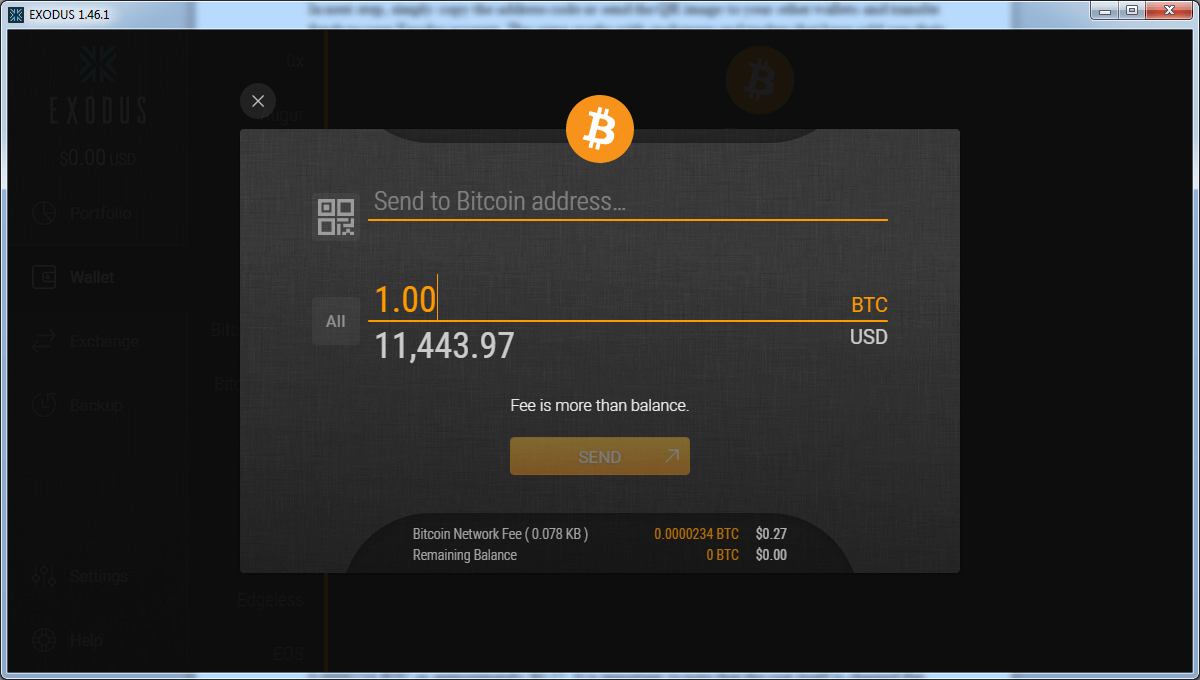
The Exodus Bitcoin wallet is a popular choice for managing cryptocurrency, offering a user-friendly interface and a range of features. It stands out for its accessibility and ease of use, especially for beginners. This section delves into the specifics of the Exodus wallet, including its features, integration with payment systems, security measures, and comparison with other wallets.
Features of the Exodus Wallet
Exodus boasts a comprehensive suite of features designed for secure and convenient cryptocurrency management. The intuitive interface streamlines transactions and provides clear visualizations of balances and transaction histories. Users can manage multiple cryptocurrencies within a single wallet, providing a centralized platform for various digital assets. This feature is particularly valuable for those who own multiple cryptocurrencies.
- Multi-Currency Support: Exodus allows users to hold and manage multiple cryptocurrencies simultaneously. This includes Bitcoin, Ethereum, Litecoin, and other popular cryptocurrencies.
- Intuitive Interface: The wallet’s design prioritizes simplicity and clarity, making it easy for users to navigate and understand their holdings.
- Transaction History: A detailed transaction history provides a complete record of all cryptocurrency activity within the wallet, which is crucial for tracking income and expenses.
- Offline Seed Phrase: The wallet emphasizes security by requiring users to create and store an offline seed phrase, a critical component for recovery in case of device loss or compromise.
Integration with Other Payment Systems
Exodus, while primarily a cryptocurrency wallet, is not limited to cryptocurrency-to-cryptocurrency transactions. Its integration with other payment systems enables users to seamlessly interact with the wider financial ecosystem. This is often a key factor in the overall user experience of a wallet.
- Third-party integrations: Exodus offers integration with other payment systems. These partnerships facilitate transferring funds from other accounts to the Exodus wallet or from the Exodus wallet to other accounts. This is a significant feature for those wishing to manage their financial resources using various payment options.
- Interoperability: Exodus’s architecture enables seamless transactions with other payment systems. This is especially valuable for users who prefer using various methods for transferring funds.
Security Measures in the Exodus Wallet
Exodus prioritizes security through robust measures to protect user funds and data. These measures include advanced encryption techniques, offline seed phrase management, and multi-factor authentication.
- Advanced Encryption: All transactions are encrypted to protect user data and maintain confidentiality. This encryption process is a standard security feature for many cryptocurrency wallets.
- Offline Seed Phrase: Storing the seed phrase offline is a critical security measure. This prevents unauthorized access to the wallet’s funds in case of device loss or compromise.
- Multi-Factor Authentication (MFA): Exodus often implements MFA to enhance security, requiring additional verification steps beyond a simple password.
Comparison to Other Bitcoin Wallets
Exodus is frequently compared to other Bitcoin wallets due to its popularity and feature set. Key differentiators often include ease of use, multi-currency support, and the security protocols implemented.
| Feature | Exodus | Other Wallets (e.g., Blockchain, Electrum) |
|---|---|---|
| Ease of Use | Generally considered user-friendly | Can vary in complexity; some are more technically demanding. |
| Multi-Currency Support | Yes, supports multiple cryptocurrencies | May only support a single cryptocurrency or a limited selection. |
| Security Protocols | Emphasizes offline seed phrase management and encryption | Security protocols may vary; some may be less robust. |
Bitcoin Purchasing Methods
Acquiring Bitcoin involves various methods, each with its own advantages and drawbacks. Understanding these options is crucial for navigating the Bitcoin market safely and effectively. Choosing the right method depends on factors like location, available resources, and desired level of security.Different platforms and exchanges cater to diverse needs, from beginners to experienced traders. Bitcoin’s decentralized nature allows for a variety of purchasing methods, but this also necessitates careful consideration of transaction costs, security protocols, and the specific requirements of each platform.
Bitcoin Exchange Platforms
Numerous platforms facilitate Bitcoin purchases. These exchanges offer a variety of trading pairs, allowing users to buy Bitcoin with various fiat currencies. Key factors to consider when selecting a platform include transaction fees, security measures, user experience, and customer support.
- Popular exchanges like Coinbase, Kraken, and Gemini provide user-friendly interfaces and robust security measures, while smaller platforms might offer specialized features or lower fees. Comparing different platforms can help identify the best fit for individual needs.
Purchasing Bitcoin with Fiat Currencies
Traditional payment methods are often used to purchase Bitcoin on exchanges. These methods commonly involve connecting a bank account or credit/debit card to the exchange platform. Security measures vary between exchanges, so selecting a platform with robust security protocols is crucial.
- For example, Coinbase allows users to buy Bitcoin using bank transfers or credit/debit cards, while Kraken supports a wider array of fiat currencies. Users should carefully review the terms and conditions of each exchange to understand the fees and limits involved.
Purchasing Bitcoin with Cryptocurrency
Bitcoin can also be acquired using other cryptocurrencies, a process known as cryptocurrency exchange. This approach can be more complex but often offers unique advantages. Understanding the specific requirements of the involved exchanges and the risks associated with cryptocurrency exchange is vital.
- Exchanges like Binance support trading between various cryptocurrencies, including Bitcoin, offering flexibility and potential cost savings for experienced users.
Purchasing Bitcoin with Apple Pay
Apple Pay, integrated with compatible exchanges, offers a secure and convenient method for purchasing Bitcoin. This approach streamlines the transaction process by eliminating the need for manual input of payment details.
- The process typically involves linking an Apple Pay account to a compatible Bitcoin exchange and then selecting Bitcoin as the desired asset. Confirming the transaction through Apple Pay provides an added layer of security.
Role of Intermediaries in Bitcoin Transactions
Intermediaries, like exchanges, play a crucial role in facilitating Bitcoin purchases. They act as intermediaries between buyers and sellers, providing a platform for transactions and often handling the technical aspects of the process.
- Exchanges ensure the safety of funds and the security of transactions, safeguarding both buyers and sellers. They manage the exchange of Bitcoin for fiat currency, facilitating the exchange process.
Steps in Purchasing Bitcoin
| Method | Step 1 | Step 2 | Step 3 |
|---|---|---|---|
| Exchange (e.g., Coinbase) | Create an account and verify identity. | Deposit funds into the account using a supported method (e.g., bank transfer). | Place a market order to buy Bitcoin. |
| Apple Pay (on supported exchanges) | Link your Apple Pay account to a compatible exchange. | Select Bitcoin as the desired asset. | Confirm the transaction through Apple Pay. |
Apple Pay Integration for Bitcoin Purchases
Apple Pay, a popular mobile payment platform, has expanded its reach beyond traditional currencies. Integration with Bitcoin purchasing is a burgeoning area, promising a seamless experience for users. This integration, however, introduces both opportunities and complexities, requiring careful consideration of technical and security aspects.
Technical Aspects of Integration
Apple Pay’s integration with Bitcoin hinges on a series of intermediary steps. The Bitcoin wallet, like Exodus, acts as a crucial bridge. It facilitates the conversion of the user’s Apple Pay balance into Bitcoin. This conversion involves secure cryptographic operations to ensure the integrity of the transaction. Furthermore, secure communication protocols are employed to protect sensitive information exchanged between the wallet and the payment network.
This necessitates a reliable and secure communication channel between the wallet and the Bitcoin network.
Security Protocols in Bitcoin Transactions via Apple Pay
Security is paramount in Bitcoin transactions. Apple Pay leverages existing security protocols, like tokenization, to protect user data. Tokenization replaces sensitive information with a unique, non-sensitive token, further safeguarding user details. Moreover, end-to-end encryption ensures that only authorized parties can access the transaction data. This multifaceted approach strengthens security by shielding personal information from unauthorized access.
Potential Risks and Vulnerabilities
Despite the robust security measures, potential risks remain. A compromise of the Bitcoin wallet or the Apple Pay system could expose user funds to theft. Furthermore, vulnerabilities in the intermediary systems involved in the transaction could potentially jeopardize the entire process. The risk of fraudulent transactions is also a concern. The sophistication of attackers necessitates constant vigilance in refining security protocols and developing more robust defensive measures.
Thorough testing and security audits are critical in mitigating these risks.
Setting Up Apple Pay for Bitcoin Transactions
Setting up Apple Pay for Bitcoin transactions involves a few key steps within the Exodus wallet application. Users must first link their Apple Pay account to their Exodus wallet. This usually involves entering their Apple ID and confirming the connection. Then, they need to authorize the Bitcoin purchase using their Apple Pay credentials. The final step is to initiate the Bitcoin transaction via the Exodus app using Apple Pay as the payment method.
A confirmation step, typically including a visual and numerical confirmation of the transaction details, will be presented before completion.
Transaction Flow for Bitcoin Purchases using Apple Pay
| Step | Description |
|---|---|
| 1 | User initiates Bitcoin purchase within the Exodus app. |
| 2 | Exodus wallet verifies the user’s Apple Pay account. |
| 3 | Exodus wallet requests authorization from the user’s Apple Pay account. |
| 4 | Apple Pay system authorizes the transaction. |
| 5 | Bitcoin is sent to the specified address. |
| 6 | Exodus wallet confirms the transaction. |
| 7 | User receives confirmation from Apple Pay. |
General Bitcoin Buying Information
Purchasing Bitcoin involves navigating various platforms and understanding the nuances of digital asset management. This section provides a comprehensive overview of the process, from choosing a wallet to interacting with exchanges. A crucial aspect is understanding the security protocols and the varying levels of protection offered by different options.Bitcoin, as a decentralized digital currency, relies on a distributed ledger known as the blockchain.
This decentralized nature empowers users with control over their funds, yet it also necessitates careful consideration of security measures. Understanding different wallet types and their associated risks is fundamental to safeguarding your Bitcoin holdings.
Bitcoin Buying Process Overview
Bitcoin acquisition typically involves these key steps: selecting a reputable exchange, creating an account, funding the account, placing a purchase order, and confirming the transaction. The specific steps may vary slightly based on the chosen exchange and the user’s preferred method of payment.
Different Bitcoin Wallets and Their Functions
Various Bitcoin wallets cater to different needs and risk tolerances. Software wallets, such as Exodus or Electrum, are user-friendly and often feature advanced functionalities like transaction management and security tools. Hardware wallets, like Ledger Nano S or Trezor, offer enhanced security by storing private keys offline, safeguarding against online threats. Mobile wallets provide convenience for managing Bitcoin on smartphones.
Each type of wallet has distinct advantages and disadvantages in terms of usability, security, and complexity.
Creating a Bitcoin Wallet
Creating a Bitcoin wallet usually involves several steps, depending on the chosen type. Software wallets often require downloading the application and creating an account. Hardware wallets typically involve connecting the device to a computer or smartphone, downloading software, and generating private keys. Mobile wallets often require installing an app and setting up an account using an email address or phone number.
Properly securing the private keys is paramount, as they grant access to your Bitcoin holdings.
Comparison of Bitcoin Exchanges
Numerous exchanges facilitate Bitcoin trading, each with its own set of features, fees, and security measures. Factors to consider include transaction fees, available payment methods, customer support, and security protocols. Popular exchanges like Coinbase, Kraken, and Binance cater to varying user needs, from beginners to seasoned traders. Careful consideration of the exchange’s reputation and user reviews is critical before selecting a platform.
Bitcoin Wallet Options and Security Features
| Wallet Type | Security Features | Pros | Cons |
|---|---|---|---|
| Software Wallets | Two-factor authentication, secure storage of private keys on device | Ease of use, wide range of features, often free | Security vulnerability if device compromised, reliance on software integrity |
| Hardware Wallets | Offline storage of private keys, physical protection from hacking | High security, protection against malware and online attacks | Higher cost, limited functionalities compared to software wallets |
| Mobile Wallets | Portability, easy access to funds, often integrated with other services | Convenience, user-friendly interface | Potential for security vulnerabilities if phone is lost or compromised, dependence on mobile device |
Security and Privacy Concerns
Bitcoin purchases, even with streamlined methods like Apple Pay, inherently involve security and privacy considerations. Understanding these risks and adopting appropriate safeguards is crucial for a secure experience. Failing to address these concerns can lead to significant financial loss and compromise personal information.
Security Implications of Bitcoin Purchases Using Apple Pay
Apple Pay, while enhancing convenience, doesn’t inherently guarantee increased Bitcoin transaction security. The security of a Bitcoin purchase using Apple Pay relies heavily on the security of the underlying Bitcoin wallet and the user’s adherence to best practices. Security breaches in either the wallet or the Apple Pay system could expose funds.
Safeguarding Bitcoin Wallets
Protecting your Bitcoin wallet is paramount. A compromised wallet directly exposes your Bitcoin holdings. This includes implementing robust password protection, employing strong encryption, and regularly updating your wallet software to patch potential vulnerabilities. Using a reputable and regularly updated Bitcoin wallet application is essential for minimizing risks.
Importance of Two-Factor Authentication
Two-factor authentication (2FA) significantly strengthens security. By requiring a second verification method (e.g., a code sent to a phone), 2FA adds a crucial layer of defense against unauthorized access, even if a password is compromised. Activating 2FA on your Bitcoin wallet is a critical step to protect your funds.
Privacy Concerns Associated with Bitcoin Transactions
Bitcoin transactions are recorded on a public ledger (the blockchain). While this transparency is a core feature of Bitcoin, it also means that all transactions are visible to anyone with access to the blockchain. Privacy concerns stem from the potential for identifying individuals associated with specific transactions, although advanced privacy tools and techniques are available.
Security Best Practices for Bitcoin Transactions
Implementing these best practices significantly enhances the security of your Bitcoin transactions:
- Use strong, unique passwords: Avoid easily guessable passwords and employ a password manager for secure storage.
- Enable two-factor authentication (2FA): This crucial step adds an extra layer of security to your account.
- Regularly update your Bitcoin wallet software: Software updates often include critical security patches to address vulnerabilities.
- Be wary of phishing attempts: Phishing scams aim to trick users into revealing personal information or compromising their accounts.
- Do not share your private keys: Never share your private keys with anyone, as this grants them full access to your Bitcoin.
- Use reputable Bitcoin exchanges and services: Thoroughly research the reputation and security measures of any platform you use.
- Keep your wallet offline as much as possible: Offline transactions, when feasible, provide an additional layer of protection.
- Store Bitcoin securely: Employ hardware wallets for enhanced security, especially for larger amounts.
Future Trends and Predictions
The integration of Bitcoin with mobile payment systems like Apple Pay is poised for significant growth. This burgeoning trend reflects a broader shift towards digital financial solutions and the increasing acceptance of cryptocurrencies. Early adopters and increasing mainstream interest are driving the demand for seamless, secure, and accessible ways to interact with Bitcoin.The future of Bitcoin and its integration with mobile payment platforms like Apple Pay holds considerable promise for both users and the broader financial landscape.
Technological advancements are likely to enhance the user experience, making transactions more intuitive and efficient. This will contribute to a broader acceptance of cryptocurrencies, potentially impacting financial markets in profound ways.
Potential for Increased Bitcoin Adoption via Apple Pay
The seamless integration of Bitcoin with Apple Pay has the potential to significantly increase Bitcoin adoption. By providing a familiar and user-friendly interface, Apple Pay can attract a wider range of users who might be hesitant to engage with more complex Bitcoin wallets or exchanges. This accessibility is a key driver of wider adoption, mirroring the success of other mobile payment systems.
Expected Impact on the Bitcoin Market
Increased Bitcoin adoption via Apple Pay is likely to impact the Bitcoin market in several ways. Greater accessibility and ease of use could lead to increased trading volume and price fluctuations. The influx of new users could drive further demand, potentially leading to price appreciation. Conversely, broader market volatility may also impact Bitcoin’s value.
Potential Challenges and Opportunities
Several challenges and opportunities exist in the future of Bitcoin integration with Apple Pay.
- Security Concerns: Ensuring the security of Bitcoin transactions within Apple Pay is paramount. Robust security measures, including encryption and two-factor authentication, are crucial to deter fraudulent activities and maintain user trust. The success of Apple Pay in other payment domains provides a benchmark for future security measures. A well-established security infrastructure will be key to fostering widespread adoption.
- Regulatory Scrutiny: Government regulations surrounding cryptocurrencies are constantly evolving. Navigating these evolving regulatory landscapes will be critical for the sustained growth of Bitcoin integration with Apple Pay. Clear guidelines and regulatory frameworks will be essential to facilitate the smooth operation of these financial tools.
- Scalability Issues: The ability of Apple Pay to handle a significant volume of Bitcoin transactions without experiencing delays or technical issues will be essential for future success. Improvements in transaction processing speed are crucial to providing a positive user experience and supporting widespread adoption.
- Educational Initiatives: Promoting financial literacy about Bitcoin and its integration with Apple Pay will be essential to increase adoption. Educational programs and resources can help address user concerns and misconceptions. User-friendly interfaces and informative resources will be critical to addressing the lack of knowledge around Bitcoin.
Summary Table of Future Trends
| Trend | Potential Impact | Challenges | Opportunities |
|---|---|---|---|
| Increased Bitcoin Adoption via Apple Pay | Higher trading volume, potential price appreciation, wider user base. | Security concerns, regulatory uncertainty, scalability issues. | Increased market liquidity, new user acquisition, improved user experience. |
| Integration with Mobile Payment Systems | Seamless and accessible financial transactions. | Maintaining security standards, adapting to evolving regulations. | Enhanced user experience, broader acceptance of cryptocurrencies. |
Ending Remarks
In conclusion, Exodus’ integration with Apple Pay for Bitcoin purchases presents a compelling option for those seeking a convenient and potentially secure way to acquire Bitcoin. While challenges remain, the convenience and potential benefits make this a significant advancement in the cryptocurrency landscape. Understanding the nuances of this process is vital for informed decision-making and responsible participation in the evolving digital economy.
Question Bank
What are the potential risks associated with using Apple Pay for Bitcoin purchases?
Potential risks include security vulnerabilities in either Apple Pay or the Bitcoin exchange, unauthorized access to your account, and the inherent volatility of Bitcoin’s value. Thorough research and due diligence are essential before engaging in any cryptocurrency transaction.
How does Exodus compare to other Bitcoin wallets?
Exodus stands out for its user-friendly interface and integrated security measures. However, other wallets may offer specific features or security protocols that might be more suitable for certain users. Comparative analysis of various wallets is crucial to selecting the right one.
What are the steps involved in creating a Bitcoin wallet with Exodus?
Exodus wallet creation typically involves downloading the app, creating an account, and verifying your identity. Specific instructions are usually available within the app’s help section or support website.
What are some general security best practices for Bitcoin transactions?
Best practices include using strong passwords, enabling two-factor authentication, keeping your software updated, and being cautious about suspicious links or requests. Regular reviews of your security settings are essential.