Understanding the nuances of a market is crucial for any successful marketing strategy. This guide delves into the core concepts, from defining various market types to analyzing trends and crafting effective segmentation strategies.
We’ll explore the key factors influencing market definition, including customer needs, competitor actions, and technological advancements. This understanding is vital for developing tailored marketing plans that resonate with specific target audiences. Market research and analysis form the foundation for accurate market sizing, and we’ll examine methods for collecting and interpreting data.
Defining Market
A market, in its broadest sense, represents any interaction between buyers and sellers, where the exchange of goods, services, or information takes place. It’s a dynamic environment shaped by numerous factors and crucial for businesses to understand to succeed. Understanding different types of markets, their characteristics, and the influencing forces is vital for effective strategic planning.
Market Types
Markets can be categorized into various types based on characteristics of the buyers and the nature of the exchange. Understanding these distinctions allows businesses to tailor their strategies appropriately. This includes recognizing the nuances of consumer markets, industrial markets, and niche markets.
| Market Type | Defining Characteristics | Key Considerations |
|---|---|---|
| Consumer Market | This market encompasses individuals and households purchasing goods and services for personal use. The motivations behind these purchases are diverse, ranging from basic needs to discretionary wants. | Understanding consumer preferences, demographics, and purchasing behaviors is paramount. Marketing strategies must resonate with the target audience’s needs and aspirations. Examples include grocery shopping, purchasing clothing, or booking a vacation. |
| Industrial Market | This market involves businesses purchasing goods and services for use in their own operations, rather than for resale to consumers. The focus is on efficiency, cost-effectiveness, and functionality. | Understanding the specific needs of the industrial customer is crucial. Technical specifications, long-term contracts, and supply chain integration are critical factors. Examples include a manufacturing company purchasing raw materials or a software company licensing a program. |
| Niche Market | A niche market focuses on a specific segment within a larger market. It caters to a distinct set of needs or preferences not fully addressed by broader market offerings. | Understanding the unique characteristics of the niche market is critical. Marketing efforts need to be highly targeted and personalized to appeal to the particular needs and desires of this group. Examples include luxury goods, specialized medical equipment, or vegan food products. |
Factors Influencing Market Definition
Numerous factors shape the characteristics of a market. These factors, including customer needs, competitor actions, and technological advancements, play a significant role in defining the scope and dynamics of a market.
- Customer Needs: Customer needs and preferences evolve over time, creating new opportunities and challenges for businesses. Understanding and anticipating these changes is vital for staying competitive. Consider how the rise of online shopping has altered consumer expectations for speed and convenience in retail.
- Competitor Actions: The actions of competitors—new product launches, pricing strategies, and marketing campaigns—directly influence the dynamics of a market. Businesses need to monitor these actions and adapt their strategies accordingly. Analyzing competitor actions can provide insights into potential opportunities and threats.
- Technological Advancements: Technological advancements can disrupt existing markets and create entirely new ones. Innovations in areas like automation, artificial intelligence, and communication technologies constantly reshape the way businesses operate and customers interact with products and services. The rise of mobile commerce is a prime example of how technology is altering the landscape of the consumer market.
Market Segmentation
Market segmentation is a crucial process for understanding target audiences. By dividing a broad market into smaller, more manageable segments, businesses can tailor their products and marketing efforts to meet the specific needs of each segment. This enhances the effectiveness of marketing campaigns and improves customer satisfaction.
Market Definition and Product Positioning
Market definition directly influences product positioning. Understanding the characteristics of the target market allows businesses to develop a product positioning strategy that resonates with the specific needs and desires of that group. Clear positioning enables businesses to stand out from competitors and effectively communicate the value proposition of their products or services. A well-defined market segment leads to a stronger product positioning strategy, resulting in a more focused and effective marketing approach.
Market Research and Analysis
Understanding the market is crucial for any business’s success. Thorough market research and analysis provide vital insights into consumer preferences, competitor strategies, and emerging trends, allowing businesses to adapt and thrive. This knowledge enables informed decision-making, from product development to marketing campaigns.Market research and analysis are dynamic processes. They involve continuous monitoring of the market environment, adapting to changing consumer needs and competitive landscapes.
This adaptability is key to maintaining a competitive edge and ensuring long-term profitability.
Data Collection Methods
Market research relies heavily on gathering data from various sources. Common methods include surveys, interviews, and focus groups. Surveys, often administered online, collect quantitative data, providing statistically significant insights into large populations. Interviews, either in person or conducted remotely, allow for in-depth qualitative data collection. Focus groups, bringing together a select group of consumers, are useful for exploring opinions and preferences in a structured setting.
Each method has strengths and limitations. Surveys are efficient for broad reach but lack the depth of qualitative methods like interviews and focus groups.
Analyzing Market Trends
Analyzing market trends requires examining various data points to identify patterns and predict future directions. Sales figures, a primary indicator, provide a quantitative measure of market performance. Analyzing sales trends across different segments (e.g., demographics, product types) reveals important insights. Customer feedback, collected through surveys, reviews, or social media monitoring, offers qualitative data about customer satisfaction, product preferences, and areas for improvement.
Tracking competitor activity, such as new product launches, pricing strategies, and marketing campaigns, helps understand competitive pressures and identify potential opportunities. Combining these data points reveals a holistic view of the market.
Market Size Estimation and Projections
Accurate market size estimations are critical for resource allocation and strategic planning. Estimating the total market size involves considering factors like demographics, geographic distribution, and purchasing power. Projections, often based on historical data and growth rates, forecast future market size. For example, a company analyzing the pet food market might use data on pet ownership trends, median income levels, and competitor sales figures to estimate current market size and predict future growth based on projected pet ownership increases.
Data Sources for Market Research
Market research utilizes diverse data sources. Primary data is collected directly through surveys, interviews, and focus groups, offering specific insights into the target market. Secondary data, readily available from various sources like government reports, industry publications, and market research firms, provides valuable context and background information. These data sources offer a rich pool of information for market research.
Steps in Conducting Market Research
- Define Research Objectives: Clearly articulate the goals of the research, specifying what questions need answering. Vague objectives will lead to ineffective research. For instance, a clear objective might be “to understand consumer preferences for new smartphone features.” A less precise goal might be “to understand the market.”
- Develop a Research Plan: Artikel the specific methods for data collection, sample selection, and data analysis. This step ensures a systematic approach to gathering relevant data.
- Collect Data: Execute the research plan, gathering data using chosen methods. Data collection methods must be appropriate to the research objectives.
- Analyze Data: Process and interpret the collected data. Identifying patterns and trends within the data is crucial. For example, analyze sales data across different regions or product categories.
- Interpret Results: Draw conclusions and insights from the analyzed data. Present findings in a clear and concise manner. The results should support the original research objectives.
- Develop Recommendations: Based on the findings, suggest actionable steps and strategies for the business.
Market Segmentation and Targeting
Understanding your target audience is crucial for effective marketing. Market segmentation and targeting are vital steps in this process, enabling businesses to tailor their marketing efforts to specific groups of consumers with shared characteristics. This focused approach maximizes marketing ROI by optimizing resource allocation and messaging.Market segmentation allows businesses to divide a broad market into smaller, more manageable groups based on shared needs, desires, and characteristics.
This facilitates a more precise understanding of customer preferences, behaviors, and motivations. This understanding enables the development of targeted marketing strategies, ultimately leading to higher conversion rates and increased profitability.
Criteria for Segmenting a Market
Different criteria can be used to segment a market, each offering unique insights into consumer behavior. These criteria help define distinct customer groups, enabling businesses to develop tailored marketing messages and strategies. A well-defined segmentation strategy ensures that marketing efforts are not wasted on irrelevant audiences.
- Demographics: This segmentation approach focuses on measurable characteristics such as age, gender, income, education, occupation, and location. For instance, a company selling luxury handbags might target high-income women aged 35-55 in urban areas.
- Psychographics: This method delves into consumer lifestyles, values, attitudes, interests, and opinions. A fitness apparel company might target individuals who value health and well-being, active lifestyles, and a strong sense of community.
- Behavioral Segmentation: This approach analyzes consumer purchasing behaviors, such as brand loyalty, usage rate, and purchase occasion. A company selling pet food might target pet owners who frequently visit pet stores and actively participate in online pet communities.
Targeting Specific Market Segments
Tailoring marketing messages to specific segments is paramount for maximizing impact. This involves understanding the unique needs, wants, and pain points of each segment. A clear understanding of these elements enables the development of persuasive and engaging marketing campaigns.
- Example: A company selling eco-friendly cleaning products might use imagery of pristine natural environments in their marketing materials to appeal to environmentally conscious consumers.
- Example: A company targeting busy professionals might emphasize the time-saving aspects of their product or service, highlighting efficiency and convenience.
Customer Personas in Marketing Strategies
Customer personas are detailed representations of ideal customers within a specific segment. They encompass demographics, psychographics, and behavioral characteristics, enabling businesses to understand their target audience better. This understanding allows businesses to develop targeted marketing strategies and campaigns.
- Example: A persona for a software company might be “Sarah,” a mid-level manager in a tech company, who values efficiency and ease of use in software tools.
Market Positioning Strategies
Market positioning involves creating a unique and desirable perception of a product or service in the minds of target customers. This involves emphasizing key benefits and differentiating the offering from competitors. Clear positioning strategies create a distinct image in the market, increasing brand recognition and customer loyalty.
- Example: A coffee shop might position itself as a community hub, emphasizing social interaction and unique coffee blends.
Comparison of Market Segmentation Approaches
The following table illustrates different market segmentation approaches, highlighting their characteristics and applications:
| Approach | Characteristics | Applications |
|---|---|---|
| Demographic | Focuses on measurable characteristics like age, gender, income | Mass marketing campaigns, product development, targeted advertising |
| Psychographic | Focuses on lifestyle, values, attitudes, and interests | Developing brand image, tailoring messaging, creating targeted marketing campaigns |
| Behavioral | Focuses on consumer behavior, purchase patterns, and usage rate | Loyalty programs, promotions, customer relationship management |
Marketing Strategy and Market Definition
Defining a market and crafting a successful marketing strategy are intertwined. Understanding the target market is paramount to tailoring effective marketing campaigns. This involves a deep dive into customer needs, preferences, and behaviors within the specific market segment. A well-defined marketing strategy encompasses not only the product or service itself but also the chosen channels, communication methods, and pricing strategies.A strong marketing strategy, aligned with a clear market definition, allows a business to effectively penetrate or exploit market opportunities.
This approach focuses on delivering value to the target audience, driving customer acquisition and loyalty, and ultimately, achieving business objectives.
Different Marketing Strategies for Various Market Types
Understanding the nuances of different market types is crucial for adapting marketing strategies. Diverse markets require tailored approaches to resonate with the unique needs and expectations of the target audience. Strategies need to be adaptable, considering factors like market size, customer demographics, and competitive landscape.
- Mass Marketing: This strategy aims to reach a broad audience with a standardized marketing message. Effective for products with universal appeal and high market penetration potential, like staple food items. However, it lacks personalization, making it less effective for niche markets or customers seeking customized solutions.
- Niche Marketing: Focusing on a specific, well-defined segment within a larger market. Niche marketing emphasizes understanding and catering to unique customer needs, often leading to higher customer loyalty and stronger brand perception within the chosen segment. For example, a company specializing in vegan athletic wear targets a niche market.
- Relationship Marketing: This approach prioritizes building long-term customer relationships. It focuses on fostering loyalty and trust through personalized interactions and consistent engagement. Essential in industries where customer retention is key, such as consulting or high-value services.
- Direct Marketing: This strategy involves reaching out to customers directly through targeted communication channels like email, mail, or telemarketing. Effective for personalized promotions and direct response campaigns, particularly for products with a clear value proposition, like specialized software.
Role of Pricing Strategies in Market Penetration or Market Skimming
Pricing strategies are integral to a successful marketing campaign, influencing consumer perception and driving sales. The choice between market penetration and market skimming depends heavily on the market characteristics and product positioning.
- Market Penetration: Setting lower prices to quickly gain market share. Often used to attract a large customer base, particularly during the launch of a new product. Examples include promotional offers and discounts.
- Market Skimming: Setting high prices for a new product to capitalize on early adopters who are willing to pay a premium. Useful for products with unique features or high perceived value. An example is the launch of a new high-end smartphone.
Tailoring a Marketing Plan to Specific Market Needs
A marketing plan must be tailored to the specific market. Understanding the target audience’s needs and motivations is paramount to creating a successful campaign.
A marketing plan should not be a one-size-fits-all document.
The plan should align with the overall business strategy and objectives. The plan should consider competitive analysis, market trends, and financial projections.
Key Elements of a Marketing Plan
A comprehensive marketing plan Artikels the steps to achieve specific marketing objectives. The key elements should be clearly defined and integrated.
- Executive Summary: A concise overview of the plan, including key objectives and strategies.
- Situational Analysis: A thorough assessment of the market, competition, and target audience.
- Marketing Objectives: Specific, measurable, achievable, relevant, and time-bound goals.
- Marketing Strategies: Detailed plans for achieving the objectives, including target market selection and marketing mix.
- Implementation Plan: A schedule for putting the plan into action, including roles and responsibilities.
- Financial Projections: Anticipated costs and revenue, along with return on investment (ROI) analysis.
Developing a Marketing Plan Flowchart
This flowchart Artikels the steps in developing a marketing plan.
A well-structured flowchart guides the development process, ensuring clarity and completeness.
Start --> Define Market & Target Audience --> Conduct Market Research --> Identify Competitors --> Set Marketing Objectives --> Develop Marketing Strategies --> Create Marketing Materials --> Execute Marketing Plan --> Monitor & Evaluate Results --> Adjust Strategies (if needed) --> End
Branding Strategy and Market Analysis
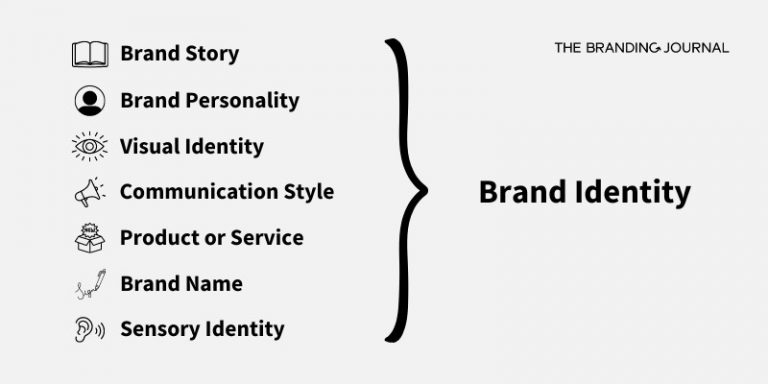
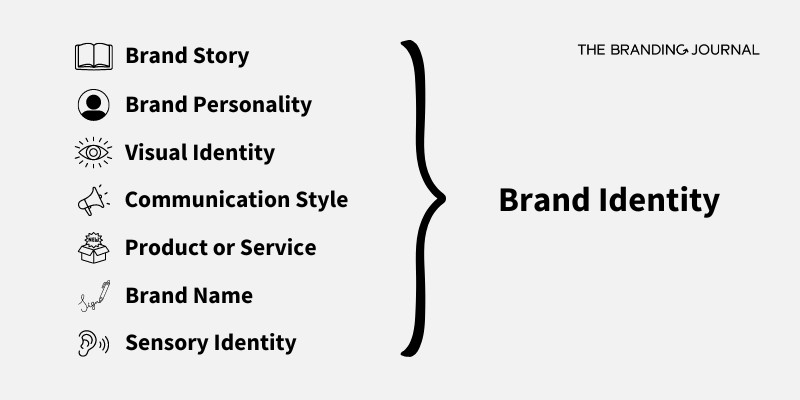
A strong brand is more than just a logo; it’s the perception customers have of a company and its products or services. Effective branding strategies are vital for success in any market, as they help establish a unique identity and build customer loyalty. This section will delve into the crucial aspects of crafting a brand that resonates with the target market, ensuring consistency across all platforms, and the importance of visual elements in creating a powerful brand image.
A well-defined brand image and positioning are fundamental to achieving market success. By carefully considering the target audience and the competitive landscape, companies can create a brand that stands out and effectively communicates its value proposition. This involves not only understanding the target market’s needs and desires but also recognizing the unique characteristics of the brand itself.
Importance of Brand Image and Positioning
A strong brand image is a key differentiator in a competitive market. It encapsulates the values, personality, and promise of a company, which in turn fosters trust and recognition among consumers. Effective positioning is equally crucial, as it defines the brand’s place within the market relative to competitors. Positioning involves clearly articulating what makes the brand unique and desirable, highlighting its advantages and addressing its shortcomings.
Tailoring the Brand to the Target Market
Understanding the target market is paramount to crafting a brand that resonates deeply. Brands should be designed to reflect the values, preferences, and aspirations of the target audience. This involves conducting thorough market research to identify the specific needs and motivations of the consumer base. This understanding allows for the development of messaging, visuals, and overall brand experiences that are uniquely appealing to the target demographic.
Successful Branding Strategies in Different Markets
Several successful brands across diverse markets exemplify the power of strategic branding. For example, Apple’s brand is associated with innovation, quality, and sleek design, resonating with a specific segment of consumers who value these characteristics. Similarly, Nike’s brand is deeply rooted in athleticism, performance, and empowerment, appealing to active individuals seeking motivation and inspiration. These brands have effectively tailored their identity to specific market segments, leading to significant success.
Brand Consistency Across Marketing Channels
Maintaining brand consistency across all marketing channels is essential for building brand recognition and reinforcing the brand message. From social media posts to website design to customer service interactions, a unified brand experience ensures a seamless and consistent message to the customer. This fosters trust and recognition, increasing customer loyalty. A consistent brand identity ensures the brand is easily identifiable across all channels, reinforcing the brand message and promoting a cohesive brand experience.
The Role of Visual Elements in Branding
Visual elements, such as logos, color palettes, and typography, are critical in conveying a brand’s personality and values. They are often the first elements that consumers encounter and significantly impact their perception of the brand.
| Visual Element | Description | Example |
|---|---|---|
| Logo | A visual representation of the brand, typically a symbol or graphic mark. | The Nike swoosh, the Apple logo |
| Color Palette | A selection of colors that represent the brand’s personality and evoke specific emotions. | Tiffany Blue for Tiffany & Co., Red and white for Coca-Cola |
| Typography | The specific font used in branding materials. | Helvetica for many corporate brands, the distinctive font for a luxury brand |
Visual consistency across all brand materials is crucial to creating a memorable and effective brand identity. By carefully selecting and implementing these visual elements, brands can reinforce their message and build a lasting connection with their target audience.
Market Trends and Evolution
Market dynamics are constantly evolving, driven by a multitude of forces. Understanding these trends is crucial for businesses to adapt their strategies and stay competitive. This section delves into current market trends, historical evolutions, and the importance of adapting to changing conditions. A keen awareness of competitor activities also plays a significant role in success.
Market evolution is not a static process. Technological advancements, globalization, and shifting consumer preferences are just some of the factors constantly reshaping the landscape. Businesses that fail to adapt to these changes risk falling behind the competition. Understanding these factors and their potential impacts on your target market is key to strategic planning.
Current Trends Impacting Market Dynamics
The modern marketplace is characterized by rapid change. Technological advancements, particularly in areas like artificial intelligence and automation, are altering how products and services are developed and delivered. Globalization is increasing interconnectedness, creating new opportunities but also heightened competition. Shifting consumer preferences, driven by factors like sustainability and ethical considerations, are demanding greater accountability and transparency from businesses.
Examples of Market Evolution Over Time
The rise of e-commerce is a prime example of market evolution. Traditional brick-and-mortar retailers have had to adapt to online sales channels, while new e-commerce giants have emerged, transforming the retail landscape. The music industry’s transition from physical media to digital downloads and streaming services illustrates how technology can fundamentally alter market structures. These examples highlight the need for continuous adaptation to stay relevant in an evolving market.
Importance of Adapting Marketing Strategies
Staying abreast of evolving market trends is vital for maintaining a competitive edge. Adapting marketing strategies to reflect these changes is essential. For instance, a company that fails to incorporate digital marketing strategies in a market increasingly reliant on online platforms is likely to experience a decline in sales and market share. By proactively adjusting marketing strategies to incorporate emerging trends, businesses can better meet customer demands and maintain a strong market presence.
Significance of Staying Informed About Competitor Actions
Understanding competitor activities is paramount for effective market strategy. Observing how competitors are adapting to market changes and responding to customer needs provides valuable insights. This knowledge helps businesses identify potential threats and opportunities, enabling proactive adjustments to their own strategies. By staying informed about competitor actions, businesses can avoid costly missteps and seize market advantages.
Key Market Trends and Potential Impact
| Trend | Potential Impact on Marketing Strategies |
|---|---|
| Increased use of AI in marketing | Businesses need to incorporate AI-powered tools for targeted advertising, personalized customer experiences, and efficient campaign management. |
| Rise of sustainable and ethical consumption | Marketing strategies should emphasize environmentally friendly practices, ethical sourcing, and social responsibility to resonate with environmentally conscious consumers. |
| Growing importance of digital channels | Marketing efforts must prioritize digital platforms, including social media, search engines, and e-commerce websites, to reach and engage target audiences. |
| Globalization and international markets | Businesses need to adapt marketing messages and strategies to resonate with diverse cultural contexts and international markets. |
Ultimate Conclusion
In conclusion, a thorough understanding of the market definition is essential for creating impactful marketing strategies. By considering market types, trends, and segmentation, businesses can tailor their approach to maximize their chances of success. This framework provides a robust foundation for informed decision-making and strategic planning.
Query Resolution
What are the key differences between consumer and industrial markets?
Consumer markets focus on individual needs and desires, while industrial markets target businesses and their needs for production. Consumer markets often rely on advertising and branding, while industrial markets typically involve direct sales and relationships.
How can I estimate market size?
Estimating market size involves considering factors like population demographics, purchasing power, and competitor analysis. Market research reports and industry data can provide valuable insights for projections.
What are some common market segmentation criteria?
Common criteria include demographics (age, gender, location), psychographics (lifestyle, values), and behavioral factors (purchase history, brand loyalty).
How does market positioning relate to market definition?
Market positioning involves establishing a unique identity for a product or brand within a specific market segment. It directly relates to market definition by highlighting the target audience and differentiating offerings.