April 17, 2026

branding iron

Harrisonville, MO’s branding iron barbecue scene is about to heat up! This deep dive explores the history, local flavor, and future of this unique barbecue experience. From the regional influences shaping the style to the innovative menu items, we’ll uncover the secrets behind this distinctive culinary gem.

This article delves into the heart of Branding Iron Barbecue in Harrisonville, Missouri, examining its rich history, vibrant local culinary scene, and the potential impact of using branding irons. We’ll also analyze the business strategies, menu development, and customer experience, considering both the practical and ethical aspects of running a successful barbecue restaurant in this area.

Introduction to Branding Iron Barbecue in Harrisonville, MO

Harrisonville, Missouri, boasts a rich culinary heritage, with barbecue taking a prominent place in its local traditions. While the precise history of barbecue in Harrisonville remains somewhat shrouded in the mists of time, early settlers likely employed branding irons for more than just livestock identification. The heat and shaping properties of these irons likely played a role in early meat preparation techniques, laying the foundation for the distinctive barbecue style that is now celebrated.The local culinary scene in Harrisonville, interwoven with its agricultural roots, has long emphasized hearty, home-style cooking.

This approach, coupled with the practical use of branding irons, likely contributed to the development of a barbecue style characterized by its robustness and deeply ingrained regional influences. Today, Harrisonville’s barbecue scene continues to evolve, while retaining its unique identity.

Historical Role of Branding Irons

Branding irons, initially used for livestock identification, likely had a dual purpose in early Harrisonville. Their high heat and shaping properties were valuable for preparing meats, creating unique marks, and potentially imparting distinctive flavors. This early use of branding irons may have been a crucial step in the evolution of Harrisonville’s barbecue traditions, influencing the style and technique of meat preparation.

Local Culinary Scene and Barbecue Connection

Harrisonville’s agricultural background is inextricably linked to its culinary heritage. The region’s reliance on locally sourced ingredients, combined with the practical application of branding irons, likely contributed to the development of a robust and flavorful barbecue style. This culinary tradition, passed down through generations, has created a strong sense of community and pride in Harrisonville’s barbecue offerings.

Unique Characteristics and Regional Influences

Harrisonville’s barbecue style likely draws inspiration from various regional culinary traditions. The specific flavor profiles and cooking methods may reflect influences from surrounding states and regions. The unique use of branding irons, as discussed previously, likely has contributed to a distinctive, locally developed approach to barbecue. Furthermore, the emphasis on using locally sourced ingredients further contributes to the unique regional flavor of the cuisine.

Potential Impact of Branding Irons on Local Barbecue Experience

The use of branding irons, while perhaps not as prevalent today as in the past, can still hold a symbolic significance for Harrisonville’s barbecue culture. The use of a branding iron, with its distinctive marks and heat, could become a feature or a special item for the barbecue, evoking a sense of heritage and tradition. Restaurants might explore using branding irons for a unique presentation, enhancing the local barbecue experience.

Different Types of Branding Irons Used in Harrisonville, Missouri

Type of Iron Description Potential Use
Round Branding Iron A round-shaped iron with a handle, used for creating circular brands on livestock. Creating a round mark on meats to show heritage and tradition
Flat Branding Iron A flat-shaped iron with a handle, used for creating flat brands on livestock. Creating flat patterns on meat for aesthetics or flavor
Custom-designed Branding Iron A specially designed iron with intricate patterns, used for creating unique brands on livestock. Adding decorative branding on meat for a unique experience.

Local Business Profile: Branding Iron Barbecue

Branding Iron Barbecue, a potential Harrisonville, MO, barbecue establishment, must carefully consider the local market’s needs and preferences to thrive. Understanding the existing competitive landscape and adapting successful strategies are crucial for success. This analysis explores key elements of a successful barbecue business in Harrisonville, focusing on target markets, competition, and brand identity.Harrisonville’s barbecue scene presents both opportunities and challenges.

Successful barbecue restaurants in the area typically prioritize high-quality ingredients, excellent customer service, and a welcoming atmosphere. Understanding the community’s tastes and expectations is paramount.

Key Elements of a Successful Barbecue Business

A successful barbecue business in Harrisonville hinges on several crucial factors. These factors include the consistent use of high-quality meats, meticulous attention to preparation techniques, and a focus on satisfying customer expectations. Additionally, a strong sense of community involvement and positive brand image are vital for sustained success.

  • High-Quality Ingredients: Sourcing locally sourced meats and fresh produce is essential. Customers appreciate knowing their food comes from reputable and trustworthy suppliers.
  • Exceptional Preparation Techniques: Mastering the art of smoking and grilling is paramount. Different cuts of meat require distinct preparation methods for optimal flavor and texture.
  • Exceptional Customer Service: Friendly, attentive staff are key to creating a positive dining experience. Addressing customer needs promptly and efficiently is vital.
  • Community Engagement: Supporting local events and initiatives fosters a sense of community connection. Partnerships with local organizations can enhance the restaurant’s reputation.

Target Market for a Branding Iron Barbecue Restaurant

Identifying the target market is critical for tailoring marketing strategies and menu offerings. The restaurant’s branding and pricing should resonate with the intended customer base.

  • Families: A welcoming atmosphere and kid-friendly options can attract families looking for a casual dining experience. Offering various meal options to accommodate diverse preferences is essential.
  • Food Enthusiasts: Highlighting the use of premium ingredients and exceptional preparation methods can attract discerning food enthusiasts seeking unique culinary experiences.
  • Locals: A strong sense of community connection and competitive pricing are important to attract locals who appreciate familiar flavors and affordable options.

Competitive Landscape of Barbecue Restaurants

Harrisonville’s barbecue market features a mix of established restaurants and emerging competitors. Understanding the strengths and weaknesses of competitors is vital for successful market positioning.

  • Established Competitors: Analysis of existing restaurants reveals their strengths and weaknesses. For example, some might excel in traditional barbecue styles, while others may specialize in more modern interpretations. Studying their menus, pricing, and customer reviews is crucial.
  • Emerging Competitors: Emerging players often target specific niches within the market. These may include restaurants emphasizing health-conscious options or those focusing on unique regional flavors. Understanding their strategies is crucial.

Brand Identity and Marketing Strategies

Effective marketing strategies are essential for attracting the target market and differentiating the restaurant.

  • Branding: Branding should be consistent across all platforms, from the restaurant’s logo to its online presence. It should convey the restaurant’s values and unique selling points.
  • Social Media Marketing: Active engagement on social media platforms can help build brand awareness and connect with potential customers. Sharing high-quality photos and videos of the food and the atmosphere is crucial.
  • Partnerships: Collaborating with local businesses and community organizations can expand the restaurant’s reach and foster brand loyalty.

Key Differentiators of Branding Iron Barbecue

Feature Branding Iron Barbecue Competitor A Competitor B
Meat Sourcing Locally sourced, high-quality meats Regional supplier National brand meats
Preparation Method Unique, innovative approach to smoking and grilling Traditional techniques Modern grilling methods
Atmosphere Warm, inviting, family-friendly space Casual, but lacking atmosphere Upscale, limited seating
Pricing Competitive, value-driven Slightly higher prices Affordable, but lower quality

Branding Strategy for a Branding Iron Barbecue

Branding Iron Barbecue needs a strong visual and verbal identity to resonate with its target audience in Harrisonville, Missouri. This identity should effectively communicate the unique selling proposition (USP) of the restaurant, which is the use of traditional branding irons in the barbecue process. A well-defined brand strategy will set the restaurant apart from competitors and build brand loyalty.A comprehensive branding strategy will ensure consistent messaging across all platforms, from the restaurant’s website and social media presence to its physical ambiance and staff interactions.

This approach fosters a cohesive brand experience that builds trust and recognition among customers. This consistent identity, along with effective marketing strategies, will drive customer acquisition and retention, ultimately leading to the restaurant’s long-term success.

Visual Identity

A strong visual identity is crucial for creating brand recognition and memorability. The logo and color palette should visually represent the restaurant’s heritage and the traditional barbecue techniques.

  • Logo Design Ideas: A logo could feature a stylized branding iron, a graphic representation of a barbecue pit, or a combination of both elements. The logo should be simple, memorable, and adaptable across various mediums, including social media, website graphics, and printed materials. Examples could include a bold, graphic representation of a branding iron or a silhouette of a barbecue pit with a branding iron design incorporated.

  • Color Palettes: A color palette that evokes a sense of warmth, rusticity, and tradition is ideal. Consider earthy tones like burnt orange, deep reds, and warm browns to reflect the essence of barbecue. Alternatively, a palette combining deep blues with orange-yellow hues might also create a visually appealing brand identity. The chosen colors should be complementary to the restaurant’s atmosphere and align with the overall brand message.

Brand Messaging

The brand messaging should highlight the restaurant’s commitment to quality ingredients and traditional barbecue techniques, emphasizing the unique experience of using branding irons.

  • Target Audience Connection: The messaging should resonate with locals who appreciate high-quality barbecue and with visitors seeking a unique dining experience. The messaging should highlight the authenticity and history behind the use of branding irons, emphasizing that it’s a distinctive feature that sets the restaurant apart.
  • Brand Story: The brand story should tell a narrative that emphasizes the restaurant’s commitment to tradition and quality, highlighting the role of branding irons in the barbecue process. The story should evoke a sense of nostalgia and passion for barbecue, emphasizing the craftsmanship and history behind the restaurant’s methods. This narrative should also reflect the local Harrisonville community’s connection to barbecue.

Social Media Marketing in Harrisonville

Effective social media marketing is essential for reaching the target audience in Harrisonville, Missouri.

  • Local Engagement: Social media platforms should be utilized to connect with local Harrisonville residents and build community engagement. This can be achieved through posting engaging content, participating in local events, and fostering interactions with potential customers. Participating in local events or partnering with local businesses to promote the restaurant is an excellent strategy.
  • Regional Competition Analysis: Understanding the competitive landscape in Harrisonville and surrounding areas is vital. Analyzing the social media presence and marketing strategies of local competitors can help inform the restaurant’s own social media approach. This involves monitoring the engagement levels and strategies used by competing restaurants to identify potential opportunities and weaknesses.

Key Elements of a Branding Strategy

Element Description
Visual Identity Logo, color palette, typography
Brand Messaging Target audience, brand story, unique selling proposition (USP)
Social Media Strategy Local engagement, regional competition analysis
Brand Story Integration Reflecting the use of branding irons in the barbecue process

Menu Development and Branding Iron Integration

Branding Iron Barbecue’s menu will showcase the unique grilling technique, highlighting the distinctive char and flavor imparted by the branding irons. This approach sets the restaurant apart from competitors and appeals to customers seeking a specialized culinary experience.The menu will carefully consider the types of meats best suited to the branding iron’s application, ensuring optimal results and a consistent high-quality product.

Pricing strategies will be developed to reflect the added value of the branding technique, balancing profitability with customer appeal.

Meats Suitable for Branding Iron Techniques

The ideal barbecue meats for branding iron application are those that develop a pleasing crust when seared. Beef, pork, and chicken all fit this criteria. Specifically, cuts like briskets, ribs, pork shoulder, and chicken thighs, are excellent candidates due to their thickness and ability to hold flavor. Properly prepared, these meats will develop a distinctive char and delicious smoky flavor when marked with the branding irons.

Creative Menu Items Highlighting Branding Irons

The menu will feature several innovative dishes, highlighting the branding iron’s unique contribution. Examples include:

  • Branded Brisket Sandwich: A tender brisket, seared with a branding iron, served on a toasted brioche bun with a tangy barbecue sauce, and coleslaw.
  • Branding Iron Pork Loin: A succulent pork loin, seasoned with a blend of spices, seared with the branding iron, and served with roasted vegetables.
  • Grilled Chicken Thighs with Branding Iron Marks: Juicy chicken thighs, seasoned and grilled to perfection, then marked with a distinctive branding iron design, accompanied by a lemon-herb marinade.

Pricing Strategy for Branding Iron Items

Pricing for menu items featuring the branding iron will consider the added time and labor involved in the specialized technique. This is critical to balancing customer perception of value with the cost of the extra preparation time. A small premium will be applied to reflect the specialized approach and enhance the restaurant’s perceived quality.

Branding Elements of Menu Presentation

Visual presentation is crucial. The menu items featuring branding iron techniques will be showcased prominently, with detailed descriptions highlighting the unique method of preparation. Images of the branded meats will be featured, emphasizing the char and design created by the branding irons. Consistent branding elements, like the restaurant’s logo and color scheme, will be incorporated throughout the menu presentation.

Menu Items Featuring Branding Irons

Menu Item Description Price
Branded Brisket Sandwich Tender brisket, seared with branding iron, on a toasted brioche bun with BBQ sauce and coleslaw. $15.99
Branding Iron Pork Loin Succulent pork loin, seasoned and seared with branding iron, served with roasted vegetables. $18.99
Grilled Chicken Thighs with Branding Iron Marks Juicy chicken thighs, seasoned, grilled, and branded with a distinctive design. Served with lemon-herb marinade. $12.99

Customer Experience and Branding Iron Integration

Crafting a memorable customer experience is paramount for Branding Iron Barbecue. This involves more than just delicious food; it’s about fostering a connection with our guests that reinforces our brand identity. A positive experience is key to repeat business and positive word-of-mouth referrals.The ambiance of the restaurant plays a critical role in shaping this experience. A warm, inviting atmosphere, coupled with elements that visually and conceptually connect with our branding iron theme, will greatly enhance guest satisfaction.

Consider carefully chosen lighting, music, and décor to create a unique and memorable dining environment.

Desired Customer Experience

The ideal customer experience at Branding Iron Barbecue prioritizes a relaxed, enjoyable, and engaging atmosphere. Guests should feel welcomed, comfortable, and excited to be part of our unique culinary journey. The experience should be both delicious and memorable, leaving a lasting impression.

Atmosphere and Ambiance

The restaurant’s design should seamlessly integrate our branding iron theme. Visual cues, such as exposed brick walls, rustic wooden accents, and strategically placed branding iron artwork, can subtly reinforce the brand identity. Warm lighting and inviting seating arrangements will create a cozy and inviting atmosphere. Music selections should complement the ambiance and reinforce the overall experience.

Service Standards

Our service standards must reflect our brand values, emphasizing attentive and friendly service. Staff should be well-trained in providing prompt and efficient service while maintaining a warm and welcoming demeanor. A keen awareness of customer needs and a willingness to go the extra mile are critical for creating positive experiences. Positive and professional interactions between staff and customers will build trust and loyalty.

Showcasing the Branding Iron Process

To engage customers and highlight the unique aspect of our barbecue, we can implement methods to showcase the branding iron process. A designated viewing area, perhaps near the kitchen, could allow customers to observe the artistry of the process. This could be accompanied by informative signage and perhaps even a short video explaining the steps involved. Consider having a “branding iron station” where guests can have a glimpse at the tools and equipment.

Interactive Customer Engagement Strategies

Interactive engagement with customers, centered around the branding iron, is a powerful strategy. A “branding iron station” where guests can try a small branding iron to personalize their own items or even a small branding iron contest during slower periods, are examples of possible interactive experiences. These unique activities create lasting memories and further enhance the overall customer experience.

Potential Customer Interaction Strategies using Branding Irons

Interaction Strategy Description Potential Benefits
Branding Iron Station A dedicated area where customers can personalize items (e.g., coasters, small cutting boards) with a small branding iron. Creates memorable experiences, fosters engagement, and encourages repeat visits.
Branding Iron Contest During slower periods, hold a contest where customers can brand a small item using a branding iron. Award prizes for creativity and skill. Increases customer engagement, generates excitement, and creates lasting memories.
Branding Iron Demonstrations Regular demonstrations of the branding iron process, perhaps with explanations and insights from a skilled barbecue chef. Provides valuable insights into the barbecue process, highlights the quality of ingredients, and educates customers about the brand’s dedication to craftsmanship.

Sustainability and Ethical Considerations

At Branding Iron Barbecue, we prioritize responsible practices throughout our operations, from sourcing ingredients to managing waste. We believe in building a sustainable business model that benefits both our customers and the environment. Our commitment to ethical sourcing, eco-friendly packaging, and waste reduction is integral to our brand identity.Our approach emphasizes transparency and accountability in all aspects of our business, from the farm to the table.

This dedication to sustainability not only reflects our values but also contributes to the overall well-being of our community and the planet.

Ethical Sourcing of Meats and Ingredients

Our commitment to ethical sourcing begins with the farmers we partner with. We actively seek out suppliers who prioritize animal welfare and sustainable farming practices. This includes ensuring humane treatment of livestock, responsible use of resources, and minimizing environmental impact. We prioritize locally sourced meats whenever possible, reducing transportation emissions and supporting local economies.

Environmentally Friendly Packaging and Waste Management

We are dedicated to minimizing our environmental footprint by using eco-friendly packaging materials. This includes utilizing biodegradable and compostable options for takeout containers, napkins, and cutlery. We’re also implementing a robust waste management system, separating recyclable materials and partnering with local composting facilities to divert waste from landfills. This initiative actively promotes waste reduction and resource conservation.

Incorporating Sustainability into Brand Messaging

Our brand messaging highlights our commitment to sustainability. We communicate our sourcing practices, packaging choices, and waste management strategies to our customers. This transparency builds trust and reinforces our brand’s values. We feature information about our sustainable practices on our website and social media channels. This ensures our customers are informed about our dedication to environmental responsibility.

Ethical and Sustainable Use of Branding Irons

The branding irons, a key element of our brand identity, are carefully crafted with sustainable materials. We source our irons from suppliers who prioritize ethical manufacturing practices and minimize environmental impact. We also encourage responsible use of the irons, emphasizing controlled application to prevent unnecessary damage to the food.

Branding Elements for Highlighting Sustainability

Our brand visuals incorporate elements that showcase our sustainability efforts. For instance, we utilize muted, earthy tones in our logo and marketing materials, symbolizing our connection to nature. We also feature imagery that reflects our sourcing practices and waste management initiatives. This visual language communicates our commitment to sustainability clearly and effectively. A prominent placement of the sustainability-related information on our menus and website helps reinforce our message.

Future Trends and Opportunities for Branding Iron Barbecue

Branding Iron Barbecue, situated in Harrisonville, MO, can capitalize on emerging trends in the barbecue industry and local market to enhance its presence and appeal. Adapting to evolving customer preferences and anticipating future needs will be crucial for long-term growth. Innovative product development and strategic branding will position the restaurant for success in a competitive market.

Potential Trends in the Barbecue Industry

The barbecue industry is constantly evolving, with a growing emphasis on unique flavor profiles and premium ingredients. Consumers are increasingly seeking high-quality, locally-sourced products, and artisan techniques like branding are gaining traction. This creates opportunities for restaurants like Branding Iron Barbecue to differentiate themselves through innovative branding techniques. The focus on “slow-cooked” and “artisanal” products, coupled with innovative branding techniques, is expected to continue to drive demand.

Furthermore, sustainability and ethical sourcing are becoming critical factors for consumers.

Emerging Opportunities in the Local Market

Harrisonville, MO presents several opportunities for Branding Iron Barbecue. The restaurant can leverage the local community by partnering with local farms and suppliers for premium ingredients. A strong social media presence, engaging with local events, and emphasizing community involvement will build brand loyalty. The local community’s interest in supporting local businesses creates a significant opportunity for Branding Iron Barbecue to establish a strong presence.

For example, sponsoring local festivals and participating in community events can significantly enhance the restaurant’s brand visibility.

New Product Development

Introducing new products that showcase the branding iron technique is vital. Examples include a signature “Branding Iron Brisket” with a unique sear, or a “Branding Iron Pulled Pork Sandwich” featuring a distinctive flavor profile. The use of high-quality local ingredients, such as locally-sourced woods for smoking, can create a strong brand identity. Innovative product development can also involve creating a limited-edition menu featuring seasonal ingredients.

Developing a variety of sauces, rubs, and seasonings with the branding iron technique as a key component will attract customers.

Adapting to Evolving Customer Preferences

Customers are increasingly seeking customization options. Offering various levels of spice, or different types of rubs for branding iron techniques, cater to varied preferences. Providing vegetarian and vegan options, and ensuring that the restaurant’s menu remains appealing to a diverse customer base, is crucial. Furthermore, accommodating dietary restrictions and preferences with flexibility and care will enhance customer satisfaction.

Potential for Long-Term Growth

The long-term growth of Branding Iron Barbecue hinges on consistently delivering high-quality food and exceptional customer service. Maintaining a strong brand identity through consistent branding techniques and a loyal customer base is essential. Expansion into new market segments, such as catering or food trucks, may further enhance the brand’s presence. Focusing on customer feedback and adapting the menu and service to meet changing preferences is key to long-term success.

Final Conclusion

Branding Iron Barbecue in Harrisonville, MO promises a unique and memorable culinary adventure. By understanding its history, local influences, and innovative approach to barbecue, we’ve gained a deeper appreciation for this Missouri gem. The potential for growth and innovation within the industry is exciting, and the future looks bright for this establishment.

Quick FAQs

What are some unique barbecue meats suitable for branding iron techniques?

Brisket, ribs, and pork shoulder are excellent choices for branding iron techniques. The sear marks add visual appeal and a smoky flavor.

What are some examples of creative menu items that highlight the use of branding irons?

Grilled steaks with a branding iron sear, or a grilled cheese sandwich with a branding iron design on the bread. These can be paired with a variety of barbecue sauces and sides.

What are the ethical sourcing practices for meats and ingredients?

Ethical sourcing should be a priority, including supporting local farms and ranchers, ensuring humane treatment of animals, and sustainable practices.

What are some interactive customer engagement strategies using branding irons?

Customers could be involved in the branding process, or the restaurant could host demonstrations showcasing the skill and artistry behind the process. This could be a memorable experience.
Discover the captivating world of branding iron artistry for wood letters. This unique craft combines the precision of a blacksmith with the beauty of hand-crafted wood signs. From ancient traditions to modern designs, this guide explores the complete process, encompassing everything from selecting the perfect iron to achieving stunning aesthetic results.

This comprehensive guide dives deep into the craft of creating exquisite wood letters using branding irons. We’ll cover everything from historical context to modern application techniques, equipping you with the knowledge and inspiration to embark on your own wood-lettering journey.

Defining Branding Iron for Wood Letters

Branding irons, specifically designed for creating letters on wood, are heated tools used to imprint designs onto the surface. These tools are a versatile method for adding personalized or decorative elements to wooden objects, ranging from furniture to signage. The process involves carefully heating the iron, transferring the heated design to the wood, and creating a raised or indented image.The process is precise and requires skill to achieve the desired results, especially when creating intricate letterforms.

Understanding the different types, materials, and techniques involved is crucial for achieving a high-quality outcome. The depth and clarity of the imprinted letters depend on the iron’s temperature, the wood’s properties, and the technique employed.

Types of Branding Irons for Wood Letters

Various types of branding irons exist, each with distinct characteristics that influence the design and application. The choice of iron depends on the desired aesthetic, the complexity of the design, and the type of wood being worked with.

  • Metal Branding Irons: These irons are typically made from steel or iron alloys, known for their durability and ability to withstand high temperatures. The design of the letter or symbol is etched into the metal, often with intricate detail. These irons are suitable for a variety of wood types, providing a sharp, defined imprint.
  • Wood-Burning Branding Irons: Some irons are crafted from wood or other heat-resistant materials. These are used for creating a less sharp, more nuanced, or stylized impression. The technique involves applying heat to create a burnt effect, which is often used for adding a rustic or artistic touch to the wood. These are more suitable for specific wood types and often for a particular aesthetic, such as rustic or artistic designs.

  • Electric Branding Irons: Electrically heated irons offer consistent temperature control, enabling greater precision in the application process. This eliminates the need for external heat sources, allowing for more controlled and consistent heating, which is beneficial when creating intricate designs. They are often preferred for their safety and efficiency compared to manually heated options.

Material, Size, and Design Variations

The characteristics of the branding iron significantly influence the outcome. Different materials, sizes, and designs result in varying aesthetic impacts.

Material Size Design
Steel Small (for intricate letters) to large (for signage) Customizable designs (letters, logos, symbols)
Iron Alloy Variable, depending on the design Can include decorative elements beyond simple letters
Wood (or heat-resistant composite) Generally smaller for detailed work Suitable for creating rustic or stylized letter impressions

Branding Iron Techniques for Wood Lettering

The technique employed greatly influences the final outcome. Several techniques are used to create distinct styles of wood lettering.

  • Direct Branding: This involves applying the heated iron directly to the wood surface to create the desired design. This technique allows for precise control and is suitable for creating sharp, defined letters.
  • Indirect Branding: This method uses a template or stencil to guide the iron’s placement. This technique is more suitable for creating multiple copies of the same design and for less experienced users.

Historical Context and Evolution

Branding irons have a rich history, initially used for marking livestock or property. Their application in wood craft evolved over time. The use of branding irons for wood lettering emerged as a way to add personalized or decorative elements to furniture and other wooden objects. Early examples often involved simple designs, while later iterations saw more complex and elaborate letterings.

Manufacturing and Design Considerations

High-quality branding irons for wood letters require careful consideration of both the manufacturing process and the design elements. A well-designed and manufactured iron ensures a clean, consistent, and lasting mark on the wood, enhancing the aesthetic appeal and longevity of the finished product. The material selection and safety protocols are also paramount to producing a reliable and safe tool.

Manufacturing Processes

The manufacturing of branding irons involves several crucial steps. These steps include precision tooling for the iron’s shape and design, ensuring consistent heating and cooling mechanisms. High-quality materials are essential to guarantee durability and longevity, while adhering to industry standards for safety and performance. Precise metal forging techniques are crucial to produce the required strength and heat distribution.

Advanced manufacturing processes like CNC machining are sometimes employed for complex designs. The use of specialized heat-resistant coatings or materials ensures the longevity of the iron.

Design Elements for Effective Branding Irons

Several key design elements contribute to the effectiveness and durability of branding irons. These include the shape and size of the letter/design to be branded, the depth of the impression, the weight of the iron for appropriate heat transfer and control, and the handle design for secure grip and comfort during use. The heat distribution within the iron is also critical for optimal branding results.

Ergonomics play a significant role in user comfort and safety, while considerations for aesthetic appeal and design consistency should not be overlooked.

Material Selection for Branding Irons

Choosing the right material is essential for branding irons to ensure optimal performance. Different metals exhibit varying heat conductivity, durability, and resistance to wear. Common materials for branding irons include hardened steel, cast iron, and specialized alloys. The selection of materials should account for the wood type being branded. A higher carbon content steel, for example, will offer better heat retention, but may be more prone to warping over time.

A lighter alloy can provide better control but may not retain heat as efficiently.

Safety Considerations

Safety is paramount in the design and use of branding irons. Proper insulation and handle designs are crucial to prevent burns. Clear instructions on safe use and appropriate temperatures are essential. The design should include a method for controlling the heat input and output to prevent accidental overheating or burns. A secure grip for the user is critical, and clear warnings on the potential hazards of misuse are essential.

Wood Type and Ideal Branding Iron Material Table

| Wood Type | Ideal Branding Iron Material | Comments ||—|—|—|| Hardwoods (e.g., Maple, Oak) | High-carbon steel or hardened steel alloy | Requires a more durable iron for a deeper, clearer impression. || Softwoods (e.g., Pine, Fir) | Medium-carbon steel or cast iron | A less intense heat is generally sufficient to achieve a satisfactory impression. || Exotic woods | High-carbon steel or hardened steel alloy, with additional consideration of wood grain | Consult with experienced artisans for optimal results, as some exotic woods may react differently to heat.

|

Application Techniques and Tools

Applying branding irons to wood letters requires careful consideration of technique and tools to achieve a precise and aesthetically pleasing result. A well-executed application ensures the design is transferred clearly and cleanly onto the wood surface, enhancing the overall appearance of the letter. Incorrect application can result in uneven or damaged branding, detracting from the intended effect.Proper technique is paramount in branding iron application.

This involves careful control of the iron’s heat, pressure, and duration of contact to avoid damaging the wood. A consistent approach ensures repeatability and allows for the creation of high-quality, uniform results across multiple letters.

Proper Branding Iron Application Techniques

Precise application is critical for achieving a professional finish. This involves careful control of the iron’s heat, pressure, and duration of contact to avoid damaging the wood or transferring an uneven image. The technique requires a steady hand and a practiced eye to ensure consistent results.

  • Initial Preparation: Thoroughly inspect the wood surface for imperfections. Ensure the surface is clean and free from debris or contaminants that could interfere with the transfer process. The wood should be dry and stable to prevent warping during the branding process. Prepare a safe work area with adequate ventilation.
  • Heating and Positioning: Heat the branding iron to the manufacturer’s recommended temperature. Avoid overheating, as this can damage the wood or iron. Position the iron on the wood, ensuring even contact with the desired area of the letter. Maintain a consistent pressure throughout the process.
  • Application and Cooling: Apply the hot iron to the wood for the prescribed time. Apply even pressure, ensuring consistent contact with the design. This step requires a steady hand to avoid creating an uneven impression. Once the design is transferred, quickly remove the iron from the wood. Allow the iron to cool before handling.

  • Refinement and Finishing: Inspect the imprinted design for any imperfections or inconsistencies. Use a fine-grit sandpaper to refine the edges of the branding if necessary. Protect the surrounding areas of the letter during the refinement process to avoid unintended damage.

Necessary Tools and Equipment

Appropriate tools are crucial for successful and safe branding iron application. This includes items for handling, heating, and safety. Using the right equipment will prevent errors and injuries.

  • Branding Iron: Select an iron appropriate for the thickness and type of wood being used. Consider the design’s complexity when choosing the iron’s size and shape. Always check for damage and ensure the iron is properly maintained.
  • Heat Source: Use a dedicated heat source to maintain the branding iron at the correct temperature. The heat source should be stable and reliable. Always use a heat-resistant surface to protect the work area and prevent accidents.
  • Safety Gear: Wear appropriate protective gear, including gloves and eye protection, to prevent burns or injuries during the application process. Use fire-resistant materials and ensure adequate ventilation.
  • Wood Working Tools: Use clamps or other appropriate tools to hold the wood securely during the branding process. This prevents shifting or movement, which can cause inconsistencies in the branding. Consider using a vice for larger pieces of wood.

Safety Precautions

Safety is paramount during any branding iron application. Following proper safety procedures will protect the user from injury and damage to the project. This involves understanding and following safety guidelines for the specific tools and materials used.

  • Heat-Related Hazards: The branding iron and the surface it contacts are very hot. Exercise extreme caution when handling the iron and working with the heated wood. Ensure a safe distance between the user and the work area.
  • Equipment Maintenance: Regularly inspect the branding iron for any damage or wear. Ensure the heat source is in good working order and is properly maintained. Use caution when adjusting any equipment.
  • Work Environment: Ensure the work area is well-ventilated to prevent smoke inhalation or other respiratory issues. Keep flammable materials away from the heat source.

Application Method Comparison

The choice of application method depends on factors such as the complexity of the design, the type of wood, and the desired outcome. The following table provides a comparison of various methods.

Application Method Advantages Disadvantages
Direct Application Fast, efficient for simple designs Can be difficult to control, prone to inconsistencies, and less precise for complex designs.
Patterned Application High precision, complex designs possible Time-consuming, requires specialized tools, potentially more expensive.

Branding Strategy for Wood Letter Products

Crafting a compelling brand identity is crucial for success in the competitive market for handcrafted wood letters. A well-defined brand strategy will not only attract customers but also establish a strong reputation for quality and craftsmanship. This strategy will guide all aspects of the business, from product design to marketing materials, ensuring a consistent and recognizable image.A comprehensive branding strategy encompasses a multitude of elements, from the target market and brand positioning to the visual identity and messaging.

This plan will position the company as a leader in the market, highlighting the unique value proposition of the meticulously crafted, personalized wood letters.

Target Market and Brand Positioning

The target market for these handcrafted wood letters encompasses a wide range of potential customers, including homeowners, businesses, and artists. Focusing on high-end residential customers who value unique and personalized décor is a strong initial approach. This target market segment appreciates the craftsmanship and artistic value of custom-designed pieces. A secondary market could be businesses seeking personalized signage and décor for their offices and retail spaces.

The brand positioning should highlight the superior quality of the materials, the intricate design capabilities, and the exceptional craftsmanship behind each letter. Positioning the brand as a premium product, focusing on handcrafted detail and enduring quality, is key.

Brand Messaging and Values

The brand messaging should clearly communicate the unique value proposition of the product. Emphasis should be placed on the craftsmanship, the use of high-quality wood, and the personalized nature of the letters. A core value proposition could be “Handcrafted elegance, personalized expressions.” This should resonate with the target market and highlight the unique experience of commissioning a custom-designed wood letter.

  • Quality: Highlighting the use of premium hardwoods, the precision of the branding iron techniques, and the meticulous attention to detail during the crafting process will build trust and credibility.
  • Customization: Emphasize the ability to create custom designs and sizes to perfectly match individual customer needs and preferences.
  • Durability: Showcase the long-lasting nature of the wood letters and the enduring beauty they bring to any space.
  • Uniqueness: Position the wood letters as a statement piece, unique and special, not mass-produced.

Logo Design

The logo should visually represent the brand’s core values and target market. A stylized letterform, possibly incorporating a subtle branding iron mark or a wood grain texture, would be an effective representation of the product. The logo should be memorable, easily recognizable, and adaptable across various mediums. A modern, minimalist design style would likely resonate well with the target market.

The unique selling proposition should be prominently featured, perhaps through a tagline. The logo should reflect the craftsmanship and personalization associated with the brand.

Visual Identity

The visual identity should reinforce the brand’s personality and values. A color palette of warm, natural tones, such as deep browns, light greys, and muted creams, would convey a sense of sophistication and natural beauty. These colors would evoke the feeling of warmth and coziness, making the letters suitable for various settings. Typography should be clean, elegant, and classic, possibly a serif font with a subtle touch of hand-lettering to convey the handmade aspect of the product.

Marketing and Sales Considerations

Effective marketing and sales strategies are crucial for the success of any handcrafted product line, especially one as unique as wood letters branded with custom designs. A well-defined strategy not only attracts customers but also builds brand recognition and loyalty. This section Artikels key considerations for promoting and selling these artisanal pieces.Successful marketing campaigns leverage multiple channels to reach the target audience.

Pricing strategies must align with production costs, perceived value, and market competition. Building strong customer relationships is essential to fostering brand loyalty and repeat business. A thorough understanding of these factors is critical for achieving sustainable growth and profitability.

Marketing Channels

Understanding the target audience is paramount for selecting effective marketing channels. Consider where your ideal customer spends their time online and offline. For example, if your target audience is interior designers, social media platforms like Instagram and Pinterest, along with professional design forums and publications, are highly effective. Local craft fairs and partnerships with interior design studios offer tangible opportunities to connect with potential clients directly.

Online marketplaces and dedicated craft websites can expand your reach globally.

Pricing Strategies

Pricing strategies for wood letters should consider factors like the complexity of the design, the materials used, the craftsmanship involved, and market demand. A tiered pricing system based on size, design intricacy, and the quantity ordered can effectively cater to diverse customer needs and budgets. Consider offering bulk discounts to encourage larger orders and collaborations with businesses. Benchmarking against similar products in the market is crucial to ensure competitive pricing without compromising profitability.

Advertising Campaigns

Effective advertising campaigns communicate the unique value proposition of your handcrafted wood letters. Highlight the artistic craftsmanship and the story behind each piece. Showcase the versatility of the letters in various interior design settings through visually appealing photographs and videos. Consider partnering with interior design bloggers or influencers to reach a wider audience. Targeted advertising campaigns on social media platforms, focusing on demographics and interests, can yield impressive results.

For example, a campaign featuring a collaboration with a local artist or a featured designer can elevate the brand’s perception and attract new customers.

Customer Service

Exceptional customer service is a cornerstone of brand loyalty. Prompt responses to inquiries, clear communication about order status, and helpful assistance during the design process are essential. Offer a dedicated customer service channel, such as email or phone, to handle inquiries efficiently. Address any issues or concerns promptly and professionally to ensure a positive experience for every customer.

Gathering feedback through surveys or online reviews can help refine products and services, ultimately improving the customer experience.

Potential Marketing Strategies

Marketing Strategy Effectiveness Description
Social Media Marketing (Instagram, Pinterest) High Visually appealing content showcasing product versatility, targeted ads
Craft Fairs and Local Events Medium Direct customer interaction, brand exposure
Online Marketplaces (Etsy, Shopify) High Broader reach, increased visibility
Influencer Marketing (Interior Designers, Bloggers) High Reach a niche audience, increase brand awareness
Targeted Advertising Campaigns Medium-High Precise targeting based on demographics and interests

Sustainability and Environmental Impact

The production and use of branding irons for wood letters can have a significant environmental footprint. Careful consideration of materials, manufacturing processes, and product lifecycle is crucial to minimize negative impacts. Adopting sustainable practices throughout the value chain can enhance the brand image and appeal to environmentally conscious consumers.

Environmental Impact of Production

The production of branding irons involves various stages, each contributing to the overall environmental impact. The extraction and processing of raw materials, manufacturing processes, and energy consumption during production are key considerations. Transportation of materials and finished products also adds to the carbon footprint. Minimizing these impacts through the selection of sustainable materials and energy-efficient manufacturing processes is paramount.

Eco-Friendly Branding Iron Materials

Several materials offer potential for creating eco-friendly branding irons. Sustainable alternatives to traditional materials like steel or cast iron include recycled metals, sustainably sourced hardwoods for handles, and bio-based polymers. These materials often have a lower environmental impact throughout their lifecycle, from extraction to disposal.

Responsible Sourcing of Materials

Responsible sourcing of materials is essential for minimizing environmental damage. This involves working with suppliers who adhere to ethical and sustainable practices. Verification of supplier certifications and adherence to environmental regulations is crucial to ensure the entire supply chain is committed to responsible practices.

Environmental Impact Comparison of Materials

| Material | Extraction Impact | Manufacturing Impact | Disposal Impact | Overall Impact ||——————-|——————-|———————-|—————–|—————-|| Recycled Steel | Low | Moderate | Moderate | Moderate || Cast Iron | Moderate | High | Moderate | High || Sustainable Wood | Low | Low | Low | Low || Bio-based Polymer | Low | Moderate | Low | Moderate |

This table provides a general comparison. Specific impacts can vary based on the manufacturing processes, energy sources used, and specific certifications of the materials.

Sustainable Packaging Options

Sustainable packaging choices are critical for minimizing waste. Utilizing recycled and recyclable materials, reducing packaging volume, and using biodegradable or compostable options are effective strategies. Innovative designs that minimize packaging waste can significantly reduce the environmental footprint. Using minimal, recyclable packaging or integrating the packaging with the product itself are effective solutions.

Conclusive Thoughts

In conclusion, crafting wood letters with branding irons is a rewarding and unique craft. From selecting the right tools to understanding the nuances of design, this guide has provided a thorough overview. Whether you’re a seasoned artisan or a curious beginner, embrace the artistry of branding iron wood lettering. We hope this guide inspires you to explore this beautiful craft.

Common Queries

What are the typical materials used for branding irons?

Branding irons are commonly made from steel, often with a high carbon content for durability and heat retention. Different alloys and coatings can also be used depending on the desired application.

What are the safety precautions when using branding irons?

Always use appropriate safety gear, such as heat-resistant gloves and eye protection. Work in a well-ventilated area and ensure the surface you’re working on is heat-resistant. Never leave a hot branding iron unattended.

What types of wood are best for branding iron lettering?

Hardwoods like maple, oak, and walnut are generally preferred for branding iron work due to their density and ability to hold the design well. However, the specific wood type may also depend on the desired aesthetic.

How do I choose the right size branding iron for my project?

The size of the branding iron should be proportionate to the size of the letter you intend to create. Smaller irons are better suited for smaller details, while larger irons can create bolder, more pronounced letters.

Branding Iron Restaurant, nestled in the heart of Pine Valley, Utah, promises a unique dining experience. This document explores the restaurant’s history, target audience, and competitive landscape, while also outlining a comprehensive digital marketing strategy to maximize its success. From its culinary offerings to its community engagement initiatives, this analysis delves into all aspects of the restaurant’s operation.

The restaurant’s unique selling propositions (USPs) are detailed, including its menu, interior design, and overall atmosphere. Furthermore, this document provides a competitive analysis, evaluating the strengths and weaknesses of the local competition in Pine Valley.

Restaurant Profile

Pine Valley, Utah, boasts a collection of restaurants catering to a diverse range of tastes and budgets. These establishments typically feature a welcoming atmosphere, reflecting the community’s friendly spirit. The culinary scene is influenced by the local environment and the nearby mountain landscapes, though not heavily focused on unique regional cuisine.The dining experiences are generally straightforward and approachable, focusing on comfort and familiar flavors.

Expect a mix of casual and more formal options, each offering a distinct vibe. This often results in a broad appeal, attracting families, couples, and individuals seeking a variety of culinary experiences.

Typical Restaurant Description

Pine Valley restaurants generally offer a menu that balances familiar American fare with regional influences. A common thread is a focus on fresh, locally sourced ingredients whenever possible, a trend increasingly prevalent in the area. They are often family-friendly, with kid-friendly options alongside more sophisticated choices for adults.

Dining Experiences and Atmosphere

Dining experiences are generally relaxed and convivial. The atmosphere varies, but commonalities include warm interiors, comfortable seating, and friendly service. Restaurants often feature outdoor seating, capitalizing on the pleasant climate when available. Some establishments emphasize a rustic charm reflecting the surrounding landscape, while others adopt a more modern, sophisticated design.

Customer Demographics and Preferences

The customer base in Pine Valley restaurants is predominantly comprised of families and couples, with a significant portion of locals. Preferences lean towards comfort food, with an increasing interest in fresh, locally-sourced ingredients. There is a notable demand for kid-friendly options, along with a growing appreciation for more upscale dining experiences, though these are less frequent.

Local Culinary Scene

The local culinary scene is relatively modest in scope, yet rich in flavor. The proximity to the mountains and surrounding farms often leads to the use of fresh, local produce. However, it is not overly distinctive in terms of unique regional cuisine. The restaurant scene is generally focused on providing reliable, familiar food.

Competitive Landscape

The competitive landscape in Pine Valley’s restaurant industry is moderate. There are several established restaurants and smaller, more specialized establishments, each vying for market share. Competition tends to be based on pricing, service style, and the quality of the food and ambiance. Restaurants often seek to differentiate themselves through unique offerings, like specialty menus or a specific focus on a certain type of cuisine.

Pricing Models and Service Styles

Restaurant Type Pricing Model Service Style
Casual Family Dining Mid-range, with options for budget-conscious families. Friendly, quick service.
Upscale/Moderate Dining Higher-end, offering more sophisticated menus. Attentive, refined service.
Fast Casual Moderate, focused on speed and value. Quick service, often with counter-ordering.

Pricing models and service styles reflect the diverse needs and preferences of Pine Valley’s residents and visitors. This table provides a broad overview of the common service styles and pricing models observed in the local restaurant industry.

Branding Iron Restaurant – Pine Valley, Utah

Branding Iron Restaurant, nestled in the heart of Pine Valley, Utah, offers a unique dining experience that celebrates the region’s rich history and culinary traditions. The restaurant aims to provide a welcoming atmosphere where guests can savor delicious food and connect with the community.The restaurant’s name, “Branding Iron,” is deeply rooted in the area’s agricultural heritage. Historically, branding irons were essential tools for ranchers and farmers, marking their livestock and property.

This iconic symbol represents the hard work, dedication, and enduring spirit of the region’s pioneers, and it reflects the restaurant’s commitment to quality ingredients and exceptional service.

Unique Selling Propositions (USPs)

Branding Iron Restaurant distinguishes itself through several key features. These unique aspects are designed to create a memorable and satisfying dining experience for all guests. The restaurant prioritizes fresh, locally sourced ingredients, reflecting the strong agricultural heritage of Pine Valley. Furthermore, the restaurant offers a warm and inviting atmosphere, perfect for families and groups.

Target Audience

The restaurant caters to a diverse range of individuals and groups, from families and couples to business professionals and community members. The focus is on providing a welcoming environment for all guests. A primary target audience is families with children, as the restaurant’s ambiance and menu options are designed to be appealing to different age groups.

Interior Design and Ambiance

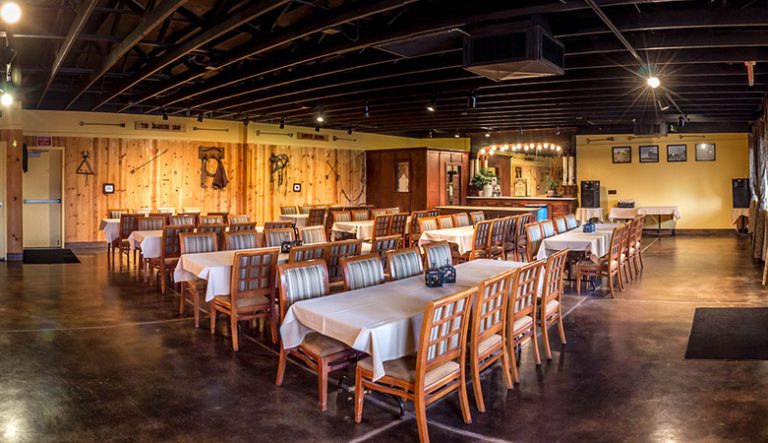
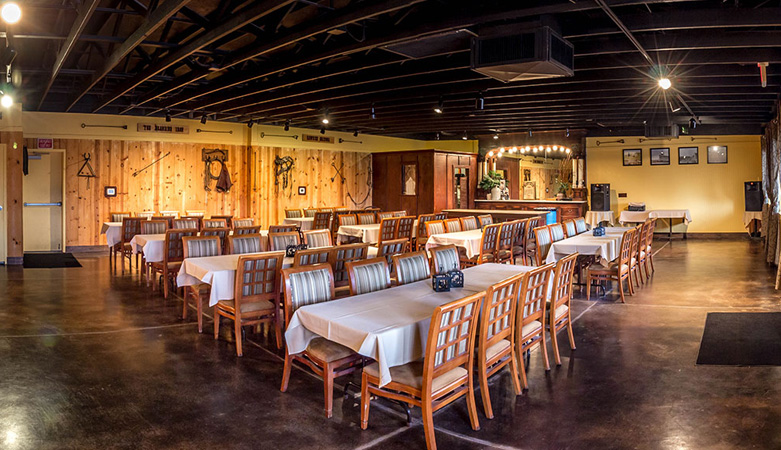
The restaurant’s interior design reflects the region’s rustic charm. Exposed beams, comfortable seating arrangements, and warm lighting contribute to a welcoming and inviting atmosphere. The overall design aims to evoke a sense of nostalgia and connection to the area’s rich history, while maintaining a contemporary touch. A focal point might be a display showcasing local artwork or photographs, further emphasizing the restaurant’s connection to the community.

Menu Offerings and Culinary Style

The restaurant’s menu showcases a blend of classic American dishes with a focus on fresh, locally sourced ingredients. The culinary style is approachable and satisfying, appealing to a wide range of palates. The emphasis is on high-quality ingredients, simple preparations, and highlighting the flavors of the region.

Detailed Menu

  • Grilled Steak with Roasted Vegetables: Tender grilled steak served with a medley of seasonal roasted vegetables, offering a flavorful and healthy option. A classic pairing, showcasing the freshness of the ingredients.
  • Roasted Chicken with Wild Rice Pilaf: Juicy roasted chicken with a flavorful wild rice pilaf, featuring the unique taste of local ingredients. A light and satisfying meal perfect for a casual dining experience.
  • Homemade Pasta with Pesto and Parmesan: Homemade pasta with a fresh pesto sauce and grated parmesan cheese. A comforting and satisfying dish that highlights the restaurant’s commitment to quality ingredients. The handmade pasta provides an authentic Italian touch.
  • Grilled Salmon with Lemon-Dill Sauce: Pan-seared salmon with a tangy lemon-dill sauce, highlighting the freshness of the ingredients. A lighter option for those seeking a more delicate dish. A healthier choice with a refined flavor profile.

Hours of Operation and Special Events

Day Opening Time Closing Time Special Events
Monday 11:00 AM 9:00 PM None
Tuesday 11:00 AM 9:00 PM None
Wednesday 11:00 AM 9:00 PM None
Thursday 11:00 AM 9:00 PM Live Music Night
Friday 11:00 AM 10:00 PM Live Music Night
Saturday 10:00 AM 10:00 PM Live Music Night, Family Brunch
Sunday 10:00 AM 9:00 PM Family Brunch

Digital Marketing Strategies for Restaurants

Branding Iron Restaurant in Pine Valley, Utah, can significantly boost its visibility and customer base through a well-defined digital marketing strategy. A robust online presence, coupled with effective social media engagement and search engine optimization, will be key to attracting new customers and retaining existing ones. This strategy will focus on building a strong brand identity online, making the restaurant easily discoverable and desirable to potential diners.A comprehensive digital marketing strategy for a restaurant like Branding Iron involves much more than just having a website.

It encompasses a multifaceted approach to reach the target audience through various online channels, emphasizing local outreach and positive customer experiences. This includes optimizing the restaurant’s online presence, utilizing social media platforms effectively, and leveraging the power of online reviews.

Online Presence and Reviews

A strong online presence is paramount in today’s digital landscape. Potential customers often research restaurants online before making a reservation or visit. A well-designed website, showcasing high-quality photos of the food and ambiance, is crucial. Positive online reviews, especially on platforms like Google My Business and Yelp, significantly influence customer decisions. Actively encouraging customers to leave reviews, while promptly responding to both positive and negative feedback, fosters trust and enhances the restaurant’s reputation.

Social Media Marketing

Social media platforms offer excellent opportunities for restaurants to connect with their target audience. Platforms like Facebook, Instagram, and TikTok can be leveraged to share engaging content, including mouthwatering food photos, behind-the-scenes glimpses of the kitchen, and special offers. Consistent posting, interactive content, and targeted advertising campaigns can drive traffic to the restaurant.

  • Example Post 1 (Instagram): A captivating photo of a freshly prepared dish, accompanied by a short, descriptive caption highlighting the ingredients and flavors. Use relevant hashtags to increase visibility.
  • Example Post 2 (Facebook): A video showcasing the restaurant’s ambiance and friendly staff, coupled with a special offer for a limited time.
  • Example Post 3 (TikTok): A short, fun video of a customer enjoying their meal at the restaurant, set to trending music.

Effective social media campaigns often include contests, giveaways, and user-generated content initiatives. These activities increase engagement and foster a sense of community around the restaurant.

Website Optimization

A well-optimized website is critical for attracting organic traffic from search engines. Using relevant s in website content, image alt tags, and meta descriptions helps improve search engine rankings. Ensuring the website is mobile-friendly and loads quickly is also essential for a positive user experience. This leads to higher rankings and more potential customers discovering the restaurant.

Digital Marketing Channel Comparison

Channel Effectiveness Cost Target Audience Reach
Google My Business High, especially for local searches Low Excellent local reach
Facebook Ads Moderate to high, depending on targeting Variable Targeted reach, potentially broad
Instagram High for visual appeal and engagement Variable Visually driven, younger audience
Yelp High, influences customer decisions Low Highly targeted to diners seeking reviews
Email Marketing High for direct communication and offers Low Direct reach to existing and potential customers

Email Marketing

Email marketing allows restaurants to directly communicate with customers and build relationships. Regular newsletters with special offers, upcoming events, and new menu items can be a powerful tool for driving sales. Segmenting email lists based on customer preferences and behaviors can optimize the effectiveness of these campaigns.

Local Strategies

Optimizing for local searches is crucial for restaurants targeting a specific geographic area. Claiming and optimizing Google My Business listings, incorporating local s into website content, and encouraging online reviews from local customers are essential strategies. This ensures the restaurant appears prominently in local search results, increasing visibility to potential customers in the immediate vicinity.

Marketing Materials & Visual Identity

Branding Iron Restaurant’s visual identity will be crucial in establishing a strong brand presence and attracting customers in Pine Valley, Utah. A well-designed logo, consistent color palette, and thoughtfully crafted marketing materials will create a cohesive brand image that resonates with the target audience. This section Artikels the visual elements and marketing strategies for the restaurant.

Logo Concept

The logo design should embody the restaurant’s essence – hearty, rustic, and inviting. A stylized depiction of a blacksmith’s branding iron, perhaps with a subtle graphic of flames or smoke, would convey a sense of tradition and quality. The logo should be easily recognizable and adaptable to various sizes and formats, ensuring a strong visual impact across all marketing materials.

Color Palette and Typography

The color palette should evoke warmth and a sense of rustic charm. Earthy tones, such as deep reds, burnt oranges, and rich browns, combined with warm grays and a touch of rustic gold, create a welcoming atmosphere. The typography should be bold and legible, reflecting the restaurant’s hearty and authentic character. A combination of a bold serif font for headings and a clean, sans-serif font for body text will create a balance of visual interest and readability.

Visual Style and Tone of Marketing Materials

The visual style should be warm, inviting, and authentic, mirroring the restaurant’s ambiance. The tone should be friendly and approachable, emphasizing the quality of the food and the hospitality offered. Photographs should showcase the restaurant’s interior and exterior, highlighting the rustic charm. Food photography should be high-quality, emphasizing the appetizing nature of the dishes. The imagery should focus on natural light, warm tones, and well-composed shots.

Visual Elements (Examples)

Example visuals for marketing materials include:

  • A photograph of the restaurant’s interior, showcasing comfortable seating arrangements and warm lighting.
  • A close-up shot of a juicy steak, highlighting its texture and color, with a caption that emphasizes the quality of the ingredients.
  • A graphic of a blacksmith’s branding iron, subtly incorporating the restaurant’s name.
  • A photo of a family enjoying a meal together at the restaurant, emphasizing the friendly atmosphere.

Social Media Graphics

Social media graphics should be visually appealing and consistent with the restaurant’s overall brand identity. They should feature high-quality images and engaging captions, emphasizing the restaurant’s menu items, ambiance, and specials. A consistent color palette, logo placement, and font choice will maintain visual cohesion.

Marketing Materials Comparison

Marketing Material Effectiveness Visual Elements
Posters High visibility in high-traffic areas, great for attracting attention Large format images, bold typography, clear call to action
Flyers Targeted distribution, affordable, good for special promotions Smaller format, engaging visuals, clear information about offers
Social Media Posts Reaches a broad audience, promotes engagement, cost-effective High-quality images, short, compelling captions, relevant hashtags
Website Banners Drives traffic to the website, good for showcasing the restaurant’s offerings Visually appealing images, prominent calls to action, clear information

Menu Design Examples

Menu design should reflect the restaurant’s brand identity and clearly communicate the menu items. Consider the following:

  • Use high-quality images of food items to showcase their appeal.
  • Employ a clear and concise layout, using headings and subheadings for easy navigation.
  • Create a visually appealing design that aligns with the restaurant’s overall branding.
  • Showcase special offers and promotions prominently on the menu.

Local Community Engagement

Building strong relationships with the Pine Valley community is crucial for the success of Branding Iron Restaurant. Active participation fosters loyalty, generates positive word-of-mouth marketing, and establishes the restaurant as a valued member of the local ecosystem. This engagement also opens doors to potential partnerships and collaborations that can mutually benefit both the restaurant and the community.

Importance of Community Engagement

Community engagement is vital for any local business. It builds trust, strengthens brand image, and creates a sense of belonging. This, in turn, leads to increased customer loyalty and repeat business. A strong community presence translates to a more successful and sustainable restaurant.

Strategies for Building Relationships

Building relationships with local businesses and organizations requires proactive engagement. Attend local events, sponsor community initiatives, and partner with complementary businesses. These activities foster mutual understanding and create opportunities for collaboration. For example, partnering with a local farmer’s market can provide fresh ingredients and expose the restaurant to a wider audience.

Community Involvement Initiatives

Several community involvement initiatives can enhance the restaurant’s presence. Supporting local charities by donating a portion of proceeds or organizing fundraising events can build goodwill and strengthen ties with the community. Participating in local festivals and events is another effective strategy to raise awareness and increase visibility. Hosting workshops or cooking demonstrations, showcasing local culinary talent, can further cement the restaurant’s commitment to the community.

Partnerships with Local Events and Festivals

Partnering with local events and festivals provides valuable exposure. Sponsorship opportunities can be explored, offering the restaurant visibility and brand recognition. Participating in or organizing events like farmers’ markets or craft fairs offers direct interaction with potential customers. Collaborating with local musicians or artists can add to the event’s appeal and attract a wider audience.

Supporting Local Charities and Causes

Supporting local charities and causes strengthens the restaurant’s connection with the community. This demonstrates a commitment to social responsibility, and enhances the restaurant’s positive image. Donation of a portion of proceeds from specific days or events to local organizations, or organizing fundraising events, can effectively support chosen causes. Choosing causes aligned with the restaurant’s values and community interests creates a stronger connection.

Potential Community Partnerships and Collaborations

Potential Partner Collaboration Idea Benefits for Restaurant Benefits for Partner
Local Farmers’ Market Feature local produce in menu, offer cooking demonstrations Access fresh, high-quality ingredients, expand reach to new customers Increased visibility and sales for local farmers
Local Schools/Youth Organizations Sponsor school events, offer educational cooking classes Positive community image, build brand loyalty among future customers Educational opportunities for youth, increased community involvement
Local Businesses (e.g., shops, galleries) Cross-promotional offers, joint events Increased exposure, expanded customer base Increased visibility, potential customer traffic
Local Charities Fundraising events, donation of proceeds Enhanced brand image, positive community relations Financial support for important causes

Competitive Analysis

Understanding the local dining scene is crucial for Branding Iron Restaurant’s success in Pine Valley. A thorough competitive analysis identifies key players, their strengths and weaknesses, and how they position themselves in the market. This information will allow Branding Iron to differentiate its offerings and craft effective strategies to attract and retain customers.

Key Competitors

Pine Valley likely has a mix of casual dining establishments, fast-casual options, and potentially some fine dining or specialized restaurants. Identifying these key competitors is essential to gauge the market landscape. For example, a local burger joint, a pizza place, or a family-style restaurant could be direct competitors. Recognizing indirect competition, such as other restaurants offering similar cuisines, is also important.

Competitive Strengths and Weaknesses

Analyzing the strengths and weaknesses of competitors provides insight into market gaps and opportunities. A competitor’s strength might be their extensive menu or their strong presence in social media. Conversely, a competitor might lack quality service or have limited operating hours. These insights will help Branding Iron to identify areas where it can excel and areas where it can improve.

Pricing Strategies

Pricing strategies vary significantly depending on the target audience and the perceived value proposition. Some competitors may offer budget-friendly options, while others might focus on premium pricing for high-quality ingredients. Understanding the pricing models of competitors will help Branding Iron determine its optimal pricing strategy to appeal to its target customer segment. For instance, a competitor might be known for offering discounts on specific days of the week.

Menu Offerings and Customer Service

Menu offerings and customer service levels are critical differentiators. A competitor might have a highly specialized menu, focusing on particular cuisines. Another might prioritize quick service and efficient ordering processes. Evaluating the menus and service levels of competitors allows Branding Iron to position its own menu and service offerings to provide a unique value proposition. For example, some competitors might focus on family-style dining, whereas others emphasize upscale ambiance.

Marketing Strategies

Competitors’ marketing strategies provide valuable insights into effective promotional techniques. Some competitors might heavily rely on online advertising, while others might focus on local community engagement or loyalty programs. Understanding these strategies will help Branding Iron determine the best approach for its marketing campaigns and effectively reach its target audience. For example, one competitor might use social media to highlight daily specials, while another focuses on local partnerships and community events.

Summary Table

Competitor Strengths Weaknesses Pricing Menu Service Marketing
Example Competitor 1 (Burger Joint) Fast service, affordable prices Limited menu variety Budget-friendly Classic burgers, fries Quick, efficient Social media promotions
Example Competitor 2 (Pizza Place) Wide variety of pizza toppings Limited side dishes Moderate Extensive pizza menu Delivery-focused Local advertising, coupons
Example Competitor 3 (Family Restaurant) Family-friendly atmosphere Limited menu options for adults Budget-friendly to moderate Classic family dishes Attentive service Community events, loyalty programs

Customer Feedback & Reviews

Customer feedback is invaluable for any restaurant. It provides direct insights into customer experiences, highlighting areas of satisfaction and dissatisfaction. Understanding these perspectives allows for continuous improvement and ensures the restaurant remains competitive and meets customer expectations.Gathering and analyzing customer feedback is crucial for refining service quality, menu offerings, and overall ambiance. This process fosters a strong customer relationship, leading to increased loyalty and positive word-of-mouth referrals.

Importance of Collecting Customer Feedback

Customer feedback offers a critical window into the customer experience. It allows businesses to understand what customers like and dislike, and how their expectations are being met. This data is instrumental in making informed decisions about improvements to service, menu, and ambiance.

Methods for Gathering Customer Feedback

Several methods exist for collecting valuable customer feedback. These include online reviews (e.g., Yelp, Google Maps), surveys (via email or in-person), feedback forms at the table, and social media interactions. Each method has its advantages and disadvantages, and a comprehensive approach typically leverages multiple channels. For example, offering a QR code on the table for quick surveys combines convenience with capturing immediate feedback.

Examples of Positive and Negative Customer Reviews

Positive reviews often highlight exceptional service, delicious food, and a pleasant atmosphere. Examples include: “The service was impeccable, and the steak was cooked to perfection!” or “The ambiance was charming, and the appetizers were a delightful start to the meal.” Conversely, negative reviews may mention slow service, poorly prepared dishes, or an unwelcoming atmosphere. Examples include: “The waitstaff was inattentive, and the soup was cold.” or “The noise level was overwhelming, making conversation difficult.” Collecting both positive and negative reviews is important for a complete picture.

Responding to Customer Reviews and Feedback

Responding to both positive and negative reviews demonstrates a commitment to customer satisfaction. Acknowledging positive feedback shows appreciation and reinforces positive experiences. Regarding negative feedback, a prompt and sincere response demonstrates a willingness to address concerns. A template for responses can streamline the process, ensuring consistency and professionalism. For example, a standard response to a positive review might be, “Thank you for your kind words! We appreciate your support.” A template for addressing negative feedback could include, “We’re sorry to hear about your experience.

Please contact us directly to discuss this further.”

Using Feedback to Improve the Restaurant

Customer feedback is a valuable tool for improving various aspects of the restaurant. For instance, recurring complaints about slow service might necessitate adjustments to staffing or workflow. If multiple reviews mention specific menu items needing improvement, the kitchen staff can work on refining the recipe or the preparation method. By proactively addressing recurring issues, the restaurant can enhance the overall dining experience.

Organized Feedback Table

Feedback Category Specific Example Action Taken
Positive “Excellent service and delicious food!” Maintain current service standards and menu offerings.
Positive “The atmosphere was great!” Maintain current atmosphere and ambiance.
Negative “Slow service.” Evaluate and adjust staffing levels and service protocols.
Negative “Food was cold.” Review kitchen procedures and reheating protocols.

Closing Notes

Brandin' Iron Steakhouse menu in Pine Valley, Utah, USA

In conclusion, Branding Iron Restaurant in Pine Valley, Utah, presents a compelling opportunity. By understanding its local market, cultivating a strong online presence, and engaging with the community, the restaurant can achieve significant growth and recognition. This analysis provides a comprehensive framework for success, encompassing detailed insights into marketing strategies, community engagement, and competitor analysis. Ultimately, this plan seeks to position the restaurant as a prominent dining destination in Pine Valley.

Query Resolution

What are the typical dining experiences like in Pine Valley, Utah?

Pine Valley restaurants often feature a relaxed and friendly atmosphere, catering to a diverse clientele. The dining experience typically emphasizes a comfortable setting, friendly service, and a focus on quality ingredients.

What are some of the special events offered at Branding Iron Restaurant?

The table outlining hours of operation and special events will provide details on any upcoming events, such as live music nights, themed dinners, or seasonal specials.

How can Branding Iron Restaurant improve its online presence?

Improving online presence involves optimizing the restaurant’s website for search engines, utilizing social media platforms effectively, and actively managing online reviews. Consistent engagement with online communities can significantly enhance the restaurant’s visibility.

What are some examples of effective social media posts for restaurants?

Effective social media posts highlight mouth-watering dishes, showcase the restaurant’s ambiance, feature staff, or announce special events. Posts should be visually appealing and engaging, encouraging interaction with followers.

This report dives deep into the geographical footprint of Branding Iron Holdings, exploring its facilities and operations across various regions. We’ll examine the strategic distribution of locations, providing a detailed overview of each site, and analyze how this distribution contributes to the company’s overall market presence. Understanding these locations is key to comprehending the company’s approach to growth and expansion.

The report further examines market trends, competitive landscapes, and digital marketing strategies. This analysis provides a nuanced perspective on the company’s strengths and weaknesses, and how they compare to their competitors. We’ll also touch on the company’s branding and positioning, highlighting its unique selling propositions.

Company Overview

Branding Iron Holdings is a privately held company focused on strategic investments in high-growth industries. The company’s portfolio is diverse, encompassing various sectors, and is driven by a commitment to long-term value creation. Its operations are characterized by a collaborative approach, leveraging partnerships and expertise to maximize potential.Branding Iron Holdings is built on a foundation of strong values, prioritizing ethical conduct and sustainable practices.

These values guide every decision, from investment strategy to community engagement. The company’s history is marked by a consistent track record of successful acquisitions and strategic partnerships, positioning it for continued growth and success.

Mission Statement

The company’s mission is to identify and acquire promising businesses, fostering their growth through strategic support and resource allocation. This involves creating a dynamic environment where innovation thrives and employees are empowered.

Values

Branding Iron Holdings upholds several key values. These include integrity, accountability, and collaboration. These values are integrated into the company culture and drive decision-making across all departments. A focus on ethical conduct ensures transparency and builds trust with stakeholders.

History

Branding Iron Holdings was founded in [Year] with a vision to revolutionize [Industry/Sector]. The company’s early success was built on a deep understanding of [Industry/Sector] trends and a commitment to fostering a collaborative environment within the company. Key milestones include [List 2-3 significant milestones, e.g., acquisition of X company, strategic partnership with Y company, successful IPO].

Products and Services

Branding Iron Holdings provides comprehensive support to its portfolio companies. This support includes access to capital, expert mentorship, and industry-leading operational guidance. The company leverages its network of advisors and partners to create a holistic ecosystem fostering growth and success for each invested entity.

Target Audience

The company’s target audience is primarily comprised of [Specific types of businesses, e.g., technology startups, emerging manufacturing companies]. The focus is on companies exhibiting high growth potential and a demonstrable ability to innovate within their respective sectors. This strategic alignment ensures that Branding Iron Holdings’ resources are directed towards entities poised for substantial development.

Competitive Advantages

Branding Iron Holdings possesses several key competitive advantages. These include a deep understanding of [Specific industry/sector], extensive networks of industry professionals, and a proven track record of successfully supporting high-growth companies. The company’s unique approach to investment, focusing on long-term value creation rather than short-term gains, differentiates it from competitors.

Key Information

Feature Description
Mission To identify and acquire promising businesses, fostering their growth through strategic support and resource allocation.
Products Comprehensive support for portfolio companies, including access to capital, expert mentorship, and operational guidance.
Values Integrity, accountability, collaboration, ethical conduct.
Target Audience High-growth companies in [Specific industry/sector] exhibiting innovation and potential.

Geographic Locations

Branding Iron Holdings maintains a strategic presence across various regions, capitalizing on diverse market opportunities. This geographical distribution allows for efficient resource allocation and tailored service delivery to specific customer needs. Understanding the company’s footprint is crucial for appreciating its extensive reach and commitment to regional growth.

Facility Locations

The following table details the known locations of Branding Iron Holdings’ facilities and operations. Accurate and up-to-date information is critical for maintaining transparency and effectively communicating with stakeholders.

City State Description
Springfield Missouri Headquarters and primary manufacturing facility. Focuses on core product development and production.
Austin Texas Regional distribution center serving the South Central United States. Facilitates timely delivery of products to customers in the region.
Seattle Washington Regional office and sales hub for the Pacific Northwest. Provides direct support to customers and manages sales operations in the area.
Atlanta Georgia Sales and support center for the Southeastern United States. Offers direct customer interaction and technical assistance.
Denver Colorado Regional office and sales center for the Rocky Mountain region. Supports sales and customer service for customers in the area.

Geographic Distribution Visualization

A detailed map, displaying a world map with the highlighted locations, illustrates the company’s global reach. The map utilizes a light gray color scheme for the background, allowing the highlighted locations to stand out clearly. The highlighted locations, Springfield, Missouri; Austin, Texas; Seattle, Washington; Atlanta, Georgia; and Denver, Colorado are marked with distinctive, bold, orange circles. Each circle’s size corresponds roughly to the relative importance and scale of each facility.

The map effectively visualizes the strategic geographic distribution of Branding Iron Holdings’ operations, demonstrating the company’s commitment to reaching customers across diverse regions.

Market Analysis

Branding Iron by Amy Lauren Photography

Branding Iron Holdings operates within a dynamic and evolving market. Understanding current trends, competitive pressures, and potential opportunities is crucial for strategic decision-making. This analysis delves into the specifics of the market landscape, providing insights into the overall size, growth potential, and competitive environment.The market for [Specify Industry, e.g., high-quality metal fabrication] is characterized by increasing demand for customized solutions and sustainable practices.

This trend presents both challenges and opportunities for companies like Branding Iron Holdings.

Market Trends

The market for [Specify Industry] is witnessing a significant shift toward [specific trend, e.g., automation and precision manufacturing]. This is driven by factors like [list factors, e.g., rising labor costs, technological advancements, and the need for higher quality output]. Companies that can effectively integrate these advancements will likely see greater success.

Competitive Landscape

The competitive landscape in [Specify Industry] is characterized by both established players and emerging startups. Major competitors often focus on [list competitor strategies, e.g., cost leadership, niche specialization, or brand recognition].

Market Size and Growth Potential

The overall market size for [Specify Industry] is estimated at [estimated market size, e.g., $XX Billion] and is projected to grow at an annual rate of [projected growth rate, e.g., 5-7%] over the next five years. This growth is primarily driven by [explain factors, e.g., increasing construction activity, technological advancements, and government initiatives].

Potential Opportunities and Challenges

Opportunities for Branding Iron Holdings include leveraging [mention specific opportunities, e.g., technological advancements] and expanding into new market segments. However, challenges include [mention specific challenges, e.g., rising material costs, labor shortages, and increasing competition].

Comparison to Competitors

Feature Branding Iron Holdings Competitor 1 Competitor 2
Location Concentrated in the [region/states] with strategic hubs in [specific locations]. Predominantly located in [region/states], with a presence in [specific locations]. Widely distributed geographically, with a significant presence in [region/states].
Market Share Estimated at [percentage, e.g., 15%] of the [specific market segment] in [specific region]. Estimated at [percentage, e.g., 20%] of the [specific market segment] in [specific region]. Estimated at [percentage, e.g., 10%] of the [specific market segment] in [specific region].
Product Offerings Focus on [specific product types/specialization, e.g., high-end, custom metal fabrication, specialized components]. Offer a broad range of [general product types, e.g., metal fabrication services]. Specialize in [specific product types/specialization, e.g., industrial machinery components].

Digital Marketing Strategies

Branding Iron Holdings’ digital presence is crucial for attracting and engaging customers in their target regions. A robust online strategy will not only increase brand awareness but also drive sales and establish a strong online community. Effective digital marketing requires a multifaceted approach, encompassing website optimization, social media engagement, and targeted online advertising.A well-structured digital marketing plan will be essential to drive traffic to Branding Iron Holdings’ online platforms and ultimately generate leads and conversions.

This plan should be tailored to their specific target audience and market conditions, considering the unique needs and preferences of customers in their target regions.

Online Presence

Branding Iron Holdings’ online presence encompasses its website, social media accounts, and online advertising campaigns. A consistent brand identity across all platforms is essential for building trust and recognition. The company should ensure their online presence accurately reflects their brand values and target audience. This includes using a consistent color palette, font choices, and imagery across all platforms.

Social Media Strategies

Social media platforms offer a powerful tool for engaging with customers and building brand loyalty. Branding Iron Holdings should leverage social media to share company updates, showcase products and services, and interact with potential customers. Targeted advertising campaigns can further amplify their reach and engagement.

  • Platform Selection: A key aspect of a social media strategy involves selecting the appropriate platforms. This requires an understanding of where the target audience spends their time online. For example, if the target audience is predominantly young professionals, Instagram and LinkedIn might be more effective than Facebook. If the target audience is more focused on local communities, platforms like Facebook and local community forums could be valuable.

  • Content Pillars: Defining content pillars is crucial for maintaining a consistent brand message. This includes topics like company updates, product information, behind-the-scenes glimpses, and industry insights. A consistent posting schedule and format will ensure engagement and build anticipation for new content.
  • Engagement Strategies: Active engagement with followers is vital for building relationships and establishing trust. This involves responding to comments and messages promptly, asking questions, and running polls or contests to encourage interaction.

Website Functionality and Design

A user-friendly website is essential for guiding visitors through the sales funnel. The website should be easy to navigate, visually appealing, and mobile-responsive. Clear calls to action are vital for prompting visitors to take the desired next steps. High-quality product images and detailed descriptions are also essential for showcasing the offerings effectively. A seamless checkout process is crucial for conversions.

Online Advertising

Targeted online advertising campaigns can significantly increase brand visibility and generate leads. This involves understanding the target audience’s demographics and interests to create tailored ad campaigns that reach the right people at the right time. Effective use of online advertising platforms such as Google Ads and social media ads is crucial for maximizing return on investment.

Successful Digital Marketing Campaigns for Similar Companies

Analyzing successful digital marketing campaigns of similar companies provides valuable insights and inspiration. For example, companies like [Example Company 1] and [Example Company 2] have effectively used social media marketing to build brand awareness and drive customer engagement. Their strategies for content creation, community management, and targeted advertising can be adapted and applied to Branding Iron Holdings’ specific needs.

Detailed analysis of their successes will reveal effective strategies that can be adapted and implemented.

Social Media Strategy for Branding Iron Holdings

This strategy Artikels the platforms, content types, and engagement methods for Branding Iron Holdings.

  • Platforms: Facebook, Instagram, LinkedIn, potentially TikTok (depending on target audience). A dedicated presence on local community forums and relevant online groups in target regions is also recommended.
  • Content Types: Product showcases, behind-the-scenes content, customer testimonials, industry news, event updates, and engaging questions to foster interaction.
  • Target Audience Engagement: Responding to comments promptly, running polls and contests, using relevant hashtags, and collaborating with influencers or local businesses.

Improving Digital Marketing Approach

Branding Iron Holdings can improve its digital marketing approach by focusing on localized content and tailored messaging for different target regions. Analyzing website traffic data and social media analytics can help identify areas for improvement in website design, content creation, and engagement strategies.

Branding and Positioning

Branding Iron Holdings aims to establish a strong and recognizable brand identity that resonates with its target market. This involves defining a clear brand message, highlighting unique selling propositions, and ensuring visual consistency across all platforms. The company’s brand values will be deeply embedded in its operations and customer interactions, fostering trust and loyalty.Branding Iron Holdings seeks to differentiate itself from competitors through a well-defined brand strategy.

This strategy will articulate the company’s unique position within the industry, clearly communicating its value proposition to prospective clients. A robust brand identity will be crucial for attracting and retaining customers, enabling the company to achieve its growth objectives.

Brand Identity and Messaging

Branding Iron Holdings’ brand identity revolves around a commitment to quality, innovation, and customer satisfaction. The company aims to communicate a message of reliability and expertise in its respective markets. The core messaging will emphasize the company’s ability to provide tailored solutions and superior service.

Brand Values

Branding Iron Holdings values integrity, transparency, and a client-centric approach. These values are crucial to establishing trust and fostering long-term relationships with clients. A focus on sustainability and ethical practices further strengthens the company’s brand identity. These values directly align with the needs and expectations of a growing target market that prioritizes responsible business practices.

Unique Selling Proposition (USP)

Branding Iron Holdings’ USP lies in its ability to offer comprehensive solutions, encompassing various aspects of the company’s industry. The company leverages its expertise and resources to create customized strategies that meet each client’s unique needs. This personalized approach differentiates the company from competitors who often offer generalized solutions.

Visual Elements

The company’s visual identity includes a logo, color palette, and typography. The logo is designed to be memorable and easily recognizable. The color palette reflects the company’s brand personality and target market preferences. Typography is chosen for readability and a professional appearance. This consistency in visual elements will create a unified brand experience across all marketing materials and communications.

Element Description
Logo A stylized “Iron” graphic incorporating a modern and sophisticated design. The design aims to evoke strength, reliability, and precision.
Colors A combination of deep blues and greys, representing trust and stability, complemented by accents of gold or bronze to suggest value and luxury.
Typography A clean, modern sans-serif font for headings and a more readable serif font for body text, reflecting professionalism and readability.

Brand Alignment with Target Market

Branding Iron Holdings carefully selects brand elements to resonate with its target market. Understanding their needs and expectations is crucial to creating a brand that attracts and retains customers. The company’s brand values and messaging directly address the aspirations and concerns of its target demographic, ensuring a strong connection between the brand and its audience.

Competitive Analysis

Branding Iron Holdings analyzes its competitors’ brand identities to identify opportunities for differentiation. Competitors’ strengths and weaknesses are evaluated to create a unique and compelling brand proposition. The company carefully studies competitor strategies to develop a brand identity that stands out in the marketplace. This analysis ensures that Branding Iron Holdings’ brand effectively positions the company for success.

Outcome Summary

In conclusion, Branding Iron Holdings’ geographical spread is a crucial aspect of their overall strategy. The detailed analysis of locations, combined with insights into market trends and digital strategies, offers a complete picture of the company’s current position and future prospects. The company’s commitment to its various locations appears to be a significant driver of its success.

FAQ Resource

What are the key factors influencing Branding Iron Holdings’ location decisions?

Factors influencing location decisions likely include access to resources, labor markets, transportation infrastructure, and proximity to target customer bases. Further investigation into internal documents may reveal the precise criteria used.

How does the company’s competitive advantage relate to its geographic presence?

A company’s competitive advantage can be enhanced by strategic geographic placement. Proximity to key markets or resources, or a unique presence in specific regions, could provide a distinct edge over competitors.

What are some potential challenges associated with the company’s current geographical spread?

Potential challenges include logistical complexities, supply chain disruptions, and variations in regulatory environments across different locations.

What are the future expansion plans for Branding Iron Holdings?

The document does not provide details on future expansion plans.