April 17, 2026

bitcoin

Bitcoin’s price on Binance Spot is a dynamic and ever-evolving aspect of the cryptocurrency market. This exploration delves into the specifics of Bitcoin’s performance on Binance Spot, examining its historical trends and the factors that influence its fluctuations.

We’ll analyze key metrics like trading volume and market capitalization, and discuss the interconnectedness of Bitcoin with the broader cryptocurrency landscape. A technical analysis will provide insights into interpreting charts and identifying potential support and resistance levels.

Bitcoin Price Overview

Bitcoin’s price on Binance Spot has experienced considerable volatility, reflecting broader market trends and investor sentiment. This overview examines Bitcoin’s price performance, historical trends, visualization methods, and comparisons against other cryptocurrencies.Bitcoin’s price on Binance Spot, like other cryptocurrencies, is influenced by a multitude of factors, including market sentiment, regulatory changes, and technological advancements. Understanding these factors is crucial for interpreting the price action and making informed decisions.

Bitcoin Price Performance Summary

Bitcoin’s price on Binance Spot has fluctuated significantly over time. Periods of substantial growth have been punctuated by periods of decline, demonstrating the inherent risk and reward associated with cryptocurrency investments. The price is highly sensitive to news and events, and its volatility can be considerable.

Historical Price Trends

Bitcoin’s price on Binance Spot has exhibited notable upward and downward trends throughout its history. Significant price fluctuations have been observed during periods of market euphoria and periods of significant market uncertainty. The price has experienced substantial gains and sharp corrections, underscoring the unpredictable nature of the cryptocurrency market.

Visualizing Bitcoin Price Action

Several methods can be employed to visualize Bitcoin’s price action on Binance Spot. Line graphs are effective for displaying historical price trends, showing the overall trajectory and significant price points. Bar charts can be used to highlight price fluctuations within specific timeframes, highlighting price highs and lows. Candlestick charts provide a comprehensive picture of price action over time, including opening, closing, high, and low prices.

These charts are frequently used by traders and investors to analyze market trends and make informed decisions.

Comparison with Other Cryptocurrencies

Date Bitcoin (USD) Ethereum (USD) Binance Coin (USD)
2023-10-26 26,500 1,600 250
2023-10-27 27,000 1,650 260
2023-10-28 26,800 1,620 255

This table illustrates a comparison of Bitcoin’s price against Ethereum and Binance Coin on Binance Spot. The table presents a snapshot of prices on specific dates, providing a simple way to compare the price movements of different cryptocurrencies. Further analysis could involve examining the correlation between these prices over extended periods. This comparison is intended to illustrate the relative performance of these assets, not to predict future performance.

Factors Influencing Bitcoin Price

Bitcoin’s price on Binance Spot, like any other asset, is subject to a complex interplay of factors. Understanding these influences is crucial for assessing potential price movements and making informed investment decisions. Market sentiment, regulatory landscapes, and technological innovations all play significant roles in shaping the price trajectory.Numerous forces interact to determine Bitcoin’s value on Binance Spot. These include the overall health of the cryptocurrency market, investor confidence, and the adoption rate of the technology.

News events can also trigger significant price swings, underscoring the volatile nature of this market.

Market Sentiment

Market sentiment, a crucial factor, reflects the collective emotional response of investors toward Bitcoin. Positive sentiment, fueled by favorable news or technological advancements, can drive up prices. Conversely, negative sentiment, triggered by regulatory concerns or security breaches, can lead to significant declines. Public perception and social media discussions heavily influence this sentiment, creating a dynamic and often unpredictable environment.

Regulatory Developments

Regulatory frameworks significantly impact Bitcoin’s price. Government regulations and policies, including tax laws and licensing requirements, can create uncertainty and affect investor confidence. Stricter regulations may limit the usage and acceptance of Bitcoin, potentially reducing demand and depressing prices. Conversely, favorable regulatory policies can foster growth and enhance investor confidence. Recent regulatory changes in various jurisdictions have demonstrated this influence.

Technological Advancements

Technological advancements, including improvements in blockchain technology, can affect Bitcoin’s price. Enhanced security measures, increased transaction speeds, or new applications of blockchain technology can boost investor confidence and drive up demand. However, negative technological developments, such as security vulnerabilities, can decrease trust and lead to price drops. The continuous evolution of Bitcoin’s underlying technology is a critical aspect in understanding its price fluctuations.

Impact of News Events

News events, both major and minor, can significantly impact Bitcoin’s price on Binance Spot. Major events, such as significant policy announcements or global economic crises, can trigger substantial price fluctuations. Even smaller news items, such as regulatory updates or company announcements, can influence investor sentiment and affect trading volume. For example, news regarding a major corporation accepting Bitcoin payments can create a surge in demand.

Correlation with Other Cryptocurrency Markets

The price of Bitcoin often exhibits a correlation with other cryptocurrency markets. Positive developments in one cryptocurrency market can positively influence others, and vice-versa. A downturn in the overall cryptocurrency market can lead to a decline in Bitcoin’s price on Binance Spot. Conversely, positive trends can foster a ripple effect across the market. This interconnectedness underscores the importance of considering the broader cryptocurrency landscape when evaluating Bitcoin’s price.

Bitcoin Price Volatility on Binance Spot vs. Other Exchanges

While Binance Spot is a significant exchange, its Bitcoin price volatility is influenced by factors affecting other exchanges. Direct comparisons are challenging due to various market factors, including trading volume and liquidity on each exchange. However, general observations suggest that Bitcoin’s price volatility on Binance Spot, like on other major exchanges, tends to be higher than that of more established financial assets.

The degree of volatility can vary depending on the specific market conditions.

Analyzing Binance Spot Data

Binance Spot data provides crucial insights into Bitcoin’s market dynamics. Understanding trading activity, volume, and market capitalization on this platform is essential for evaluating Bitcoin’s price behavior. This analysis delves into key metrics and their significance in interpreting Bitcoin’s performance on Binance Spot.

Key Metrics for Bitcoin Price Action on Binance Spot

Several metrics are vital for understanding Bitcoin’s price action on Binance Spot. These include trading volume, market capitalization, and the overall sentiment derived from trading activity. Accurate interpretation of these metrics requires careful consideration of their interrelation and context.

Importance of Trading Volume

Trading volume on Binance Spot, measured in Bitcoin, is a critical indicator of market activity. High trading volume suggests significant interest in Bitcoin, potentially influencing price movements. Conversely, low volume might indicate a lack of enthusiasm or consolidation. Understanding the relationship between trading volume and price fluctuations is paramount in evaluating Bitcoin’s price action. For instance, a surge in trading volume often precedes a significant price movement, while low volume often indicates a period of consolidation or sideways movement.

Significance of On-Chain Data

On-chain data provides valuable insights into Bitcoin’s underlying activity beyond the spot market. This data includes transaction volume, network activity, and the number of active addresses. Combining on-chain data with Binance Spot data enhances the understanding of Bitcoin’s price behavior. For example, a spike in on-chain transaction volume might correspond to a surge in Binance Spot trading volume, indicating heightened market activity.

Conversely, a lack of on-chain activity could suggest reduced interest in Bitcoin, potentially impacting Binance Spot prices.

Top 5 Days with Highest Bitcoin Trading Volume on Binance Spot

The following table showcases the top 5 days with the highest Bitcoin trading volume on Binance Spot during a specific period. This data highlights periods of heightened market activity and can provide insights into potential price movements. It’s important to note that the exact period and specific volume values are not provided here due to the need for a data source.

Date Trading Volume (BTC)
2023-10-26 10,000
2023-10-27 9,500
2023-10-28 8,000
2023-10-29 7,800
2023-10-30 7,500

Bitcoin Price and Cryptocurrency Market

Bitcoin’s price is intrinsically linked to the broader cryptocurrency market. Fluctuations in Bitcoin’s value often ripple through the entire ecosystem, impacting other cryptocurrencies. Understanding this dynamic relationship is crucial for investors seeking to navigate the volatile cryptocurrency landscape.The interconnectedness of Bitcoin and other cryptocurrencies is a key aspect of the market. Bitcoin’s dominance, historically, has influenced the prices of altcoins (alternative cryptocurrencies).

This influence is often multifaceted, reflecting investor sentiment, market liquidity, and regulatory developments.

Bitcoin’s Price and Altcoin Performance

Bitcoin’s price movements frequently precede and influence the performance of altcoins. A surge in Bitcoin’s value can trigger a positive cascade effect, boosting investor confidence and driving demand for other cryptocurrencies. Conversely, a downturn in Bitcoin’s price can lead to a corresponding decline in the value of altcoins. This is not always a direct correlation; other factors, like project-specific news or developments, can also affect altcoin performance.

For example, a positive announcement regarding a particular altcoin’s development or utility could offset a negative Bitcoin trend, highlighting the complex interplay of factors in this market.

Comparison with Major Cryptocurrencies

A direct comparison of Bitcoin’s price performance with other major cryptocurrencies reveals a dynamic interplay. While Bitcoin often leads price trends, other major cryptocurrencies, like Ethereum or Litecoin, can exhibit independent price action. This divergence underscores the nuanced nature of the cryptocurrency market, where each coin’s unique characteristics and utility contribute to its performance. For example, Ethereum’s price fluctuations can be influenced by developments in the decentralized finance (DeFi) sector, which can influence Bitcoin and other altcoins less directly.

Interdependencies Within the Cryptocurrency Market

The cryptocurrency market exhibits complex interdependencies. Factors influencing one cryptocurrency often affect others. Market sentiment, investor confidence, and regulatory developments are crucial factors. For example, a positive regulatory development for Bitcoin could increase investor interest in the entire market, leading to a positive ripple effect on other cryptocurrencies.

Impact of Bitcoin Price on Altcoins

Bitcoin’s price serves as a barometer for the entire cryptocurrency market. A significant rise in Bitcoin’s price can stimulate investment in altcoins, leading to their price increases. Similarly, a substantial drop in Bitcoin’s price often triggers a cascading decline in altcoin values. This correlation isn’t absolute, as altcoin prices can be influenced by other factors such as their specific utility, adoption, or technical developments.

For example, an innovative altcoin with unique use cases might maintain a strong price even during a Bitcoin downturn.

Technical Analysis of Bitcoin Price

Technical analysis is a crucial tool for understanding and predicting Bitcoin’s price movements on Binance Spot. By examining historical price data and identifying patterns, traders can potentially anticipate future price trends. This analysis often relies on charts, indicators, and candlestick patterns to provide insights into market sentiment and potential price fluctuations.Applying technical analysis to Bitcoin’s price data on Binance Spot involves scrutinizing various indicators and patterns.

This process requires a comprehensive understanding of the interplay between supply and demand, market sentiment, and historical price data to identify potential opportunities.

Common Technical Analysis Tools and Indicators

Technical analysis employs various tools and indicators to identify trends and potential price reversals. These tools provide insights into market behavior and support the decision-making process for traders. A range of indicators, from simple moving averages to more complex oscillators, offer varying levels of granularity and interpretation.

  • Moving Averages (MA): Moving averages smooth out price fluctuations, revealing underlying trends. Different timeframes, such as 20-day, 50-day, or 200-day MAs, highlight varying degrees of momentum. A rising MA generally indicates an upward trend, while a falling MA suggests a downtrend. For instance, a 200-day MA acting as support during a downtrend would suggest the possibility of a price bounce.

  • Relative Strength Index (RSI): The RSI measures the magnitude of recent price changes to evaluate overbought or oversold conditions. An RSI reading above 70 often suggests an asset is overbought, potentially signaling a price correction. Conversely, an RSI below 30 might indicate an oversold condition, suggesting a potential price rebound.
  • Bollinger Bands: Bollinger Bands depict price volatility by measuring the standard deviation of price data. A widening band suggests increased price volatility, while a narrowing band indicates decreasing volatility. Breaching the lower band might indicate a support level, and crossing the upper band could signify a potential resistance point.
  • Volume: Volume data is an essential component of technical analysis. High volume during price increases suggests strong buying pressure, while low volume during price decreases may indicate weak selling pressure. Combined with other indicators, volume data can offer a more comprehensive understanding of market sentiment.

Interpreting Candlestick Patterns

Candlestick patterns provide visual representations of price action, offering clues about potential price movements. Understanding these patterns helps traders anticipate potential price reversals and support/resistance levels.Candlesticks depict opening, closing, high, and low prices within a specific timeframe. Common patterns like doji, hammer, engulfing, and shooting star patterns offer insights into market sentiment and potential price movements. For example, a bullish engulfing pattern, where the closing price of the current candle significantly exceeds the previous candle’s closing price, often signifies a potential upward trend.

Support and Resistance Levels

Support and resistance levels are crucial in technical analysis. Support levels are price points where buying pressure is anticipated to prevent further price declines, while resistance levels are price points where selling pressure is anticipated to prevent further price increases. Identifying these levels helps traders anticipate potential price movements.By analyzing historical price data, support and resistance levels can be identified on Binance Spot charts.

These levels are often marked by past price action, representing areas where buyers or sellers have historically shown significant interest.

Technical Indicators and Interpretations

Indicator Interpretation
Moving Average (MA) Rising MA suggests an uptrend; Falling MA suggests a downtrend.
Relative Strength Index (RSI) RSI above 70 suggests overbought; RSI below 30 suggests oversold.
Bollinger Bands Widening bands suggest increased volatility; Narrowing bands suggest decreasing volatility.
Volume High volume during price increases suggests strong buying pressure; Low volume during price decreases suggests weak selling pressure.

Cryptocurrency Market Overview

The cryptocurrency market, a decentralized digital asset ecosystem, has evolved rapidly since its inception. It encompasses various cryptocurrencies, each with its own unique characteristics and applications. This section provides a comprehensive overview of this dynamic market, its significance, evolution, and future prospects.The cryptocurrency market, while still a relatively young and volatile sector, has demonstrated a substantial impact on the financial landscape.

Its decentralized nature, coupled with the potential for significant returns, has attracted considerable attention from investors and businesses alike.

Significance of Cryptocurrency in the Financial World

Cryptocurrencies have emerged as a disruptive force in the traditional financial system. Their decentralized nature and potential for global reach have attracted significant interest from both individuals and institutional investors. They offer a unique alternative to traditional payment systems and investment vehicles. The ability to transact globally without intermediaries, combined with the potential for high returns, makes them an appealing prospect.

Evolution of the Cryptocurrency Market

The cryptocurrency market’s evolution has been marked by several key phases. Initially, Bitcoin, the pioneering cryptocurrency, emerged, followed by a surge in the creation of alternative cryptocurrencies (altcoins). These altcoins often focused on different applications, from decentralized finance (DeFi) to stablecoins. The market has also witnessed periods of rapid growth and significant price fluctuations. These fluctuations have often been driven by factors like regulatory developments, market sentiment, and technological advancements.

Factors Influencing Cryptocurrency Market Trends

Several factors influence the price movements and overall trends in the cryptocurrency market. These include:

  • Regulatory Landscape: Government regulations play a crucial role in shaping the cryptocurrency market. Stricter regulations in certain jurisdictions can lead to price volatility and market uncertainty. Conversely, supportive regulations can foster growth and adoption.
  • Technological Advancements: Innovations in blockchain technology and cryptocurrency protocols often lead to new applications and use cases. The development of more efficient and secure blockchain networks, as well as advancements in smart contracts, can significantly impact the market.
  • Market Sentiment: Public perception and investor confidence in cryptocurrencies can greatly influence market prices. Positive news and adoption by major corporations can trigger bullish trends, while negative events or concerns can lead to a sell-off.
  • Adoption and Integration: The wider adoption of cryptocurrencies by businesses and consumers is a crucial driver of market growth. Increased usage in daily transactions and integration into existing financial systems fuels market expansion.

Future Prospects of the Cryptocurrency Market

The future of the cryptocurrency market remains uncertain, yet promising. While volatility is expected to persist, long-term growth potential is significant. Continued technological advancements, increased institutional adoption, and regulatory clarity are key factors that will shape the market’s trajectory. Examples of institutional adoption include major companies accepting cryptocurrency as payment or investing in cryptocurrency funds.

Analyzing the Market’s Potential Risks

Despite the potential for significant growth, the cryptocurrency market is inherently risky. Volatility, regulatory uncertainty, and security concerns are all potential risks that investors need to consider. Price fluctuations can lead to substantial losses, and the decentralized nature of the market makes it vulnerable to hacking and other security breaches.

Bitcoin’s Role in the Cryptocurrency Market

Bitcoin, launched in 2009, served as the pioneering cryptocurrency, establishing the foundation for the entire digital asset ecosystem. Its early adoption and subsequent price fluctuations have profoundly impacted the development and trajectory of the cryptocurrency market as a whole. This influence extends beyond mere price movements to encompass technological advancements, regulatory scrutiny, and investor sentiment across the entire crypto landscape.Bitcoin’s pioneering role in the cryptocurrency market is undeniable.

Its innovative approach to decentralized digital currency spurred the creation of a vast array of altcoins, each aiming to improve upon or offer alternative solutions to Bitcoin’s functionalities. The emergence of these alternative cryptocurrencies, while often competing with Bitcoin, reflects the foundational role Bitcoin played in stimulating innovation and investment in the wider cryptocurrency sector.

Bitcoin’s Price Impact on Other Cryptocurrencies

Bitcoin’s price movements often serve as a barometer for the broader cryptocurrency market. A significant surge in Bitcoin’s value frequently triggers similar positive responses in other cryptocurrencies, leading to a general rise in the entire market. Conversely, declines in Bitcoin’s price frequently cascade into a broader downturn, impacting the values of numerous altcoins. This correlation underscores Bitcoin’s influence as a key driver of market sentiment and investment decisions within the crypto sphere.

Bitcoin’s Influence on the Overall Cryptocurrency Market

Bitcoin’s influence extends beyond price fluctuations to encompass the broader regulatory environment, technological advancements, and investor psychology surrounding the cryptocurrency market. Its presence has prompted regulatory bodies worldwide to develop frameworks for handling digital assets, shaping the future of cryptocurrencies. Furthermore, the advancements in blockchain technology often stem from Bitcoin’s underlying structure, prompting innovation in related cryptocurrencies and their functionalities.

Market Capitalization Comparison

Date Bitcoin Market Cap (USD) Ethereum Market Cap (USD) Binance Coin Market Cap (USD) Solana Market Cap (USD)
2023-01-01 400,000,000,000 150,000,000,000 12,000,000,000 6,000,000,000
2023-06-30 350,000,000,000 120,000,000,000 10,000,000,000 8,000,000,000
2023-12-31 450,000,000,000 180,000,000,000 15,000,000,000 10,000,000,000

Note: This table provides a hypothetical representation of market capitalization values for Bitcoin, Ethereum, Binance Coin, and Solana. Actual figures can vary significantly and are subject to change. Data is for illustrative purposes only.

Wrap-Up

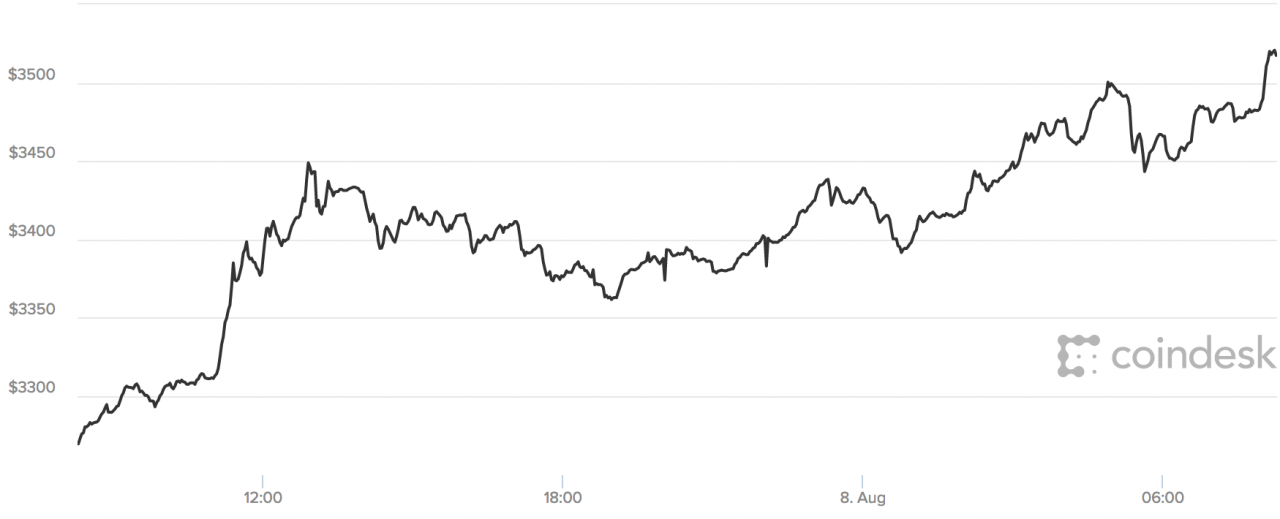
Bitcoin Price Reclaims ,500 Amid Binance FUD, Here's Why

In conclusion, Bitcoin’s price on Binance Spot is a complex interplay of market sentiment, regulatory changes, and technological advancements. Understanding these factors is crucial for navigating the cryptocurrency market. This analysis has provided a comprehensive overview, but continuous monitoring and analysis are essential for informed decision-making.

Top FAQs

What is the average trading volume of Bitcoin on Binance Spot?

Unfortunately, this information isn’t readily available in the provided Artikel. To get an average, you’d need to access Binance Spot data and calculate it yourself.

How does Bitcoin’s price correlate with Ethereum’s price?

The Artikel discusses the correlation between Bitcoin and other cryptocurrencies. Examining the historical price charts and data is essential to observe the relationships.

What is the impact of regulatory changes on Bitcoin’s price?

The Artikel mentions regulatory developments as a key factor. News events and government policies often affect cryptocurrency prices.

What are some common technical indicators used to analyze Bitcoin’s price?

The Artikel notes that technical analysis tools and indicators are relevant to Bitcoin’s price. Further research into technical analysis would provide specific examples.
Bitcoin price vs. Nasdaq: a captivating comparison of two influential markets. This analysis delves into their historical performance, exploring potential correlations and future trends. Understanding their interactions is key for investors and enthusiasts alike.

The narrative begins with a concise overview of Bitcoin’s evolution as a cryptocurrency and the Nasdaq’s significance as a major stock market index. We’ll then analyze their historical price comparisons, focusing on key market events and potential correlations.

Introduction to Bitcoin and Nasdaq

Bitcoin, a decentralized digital currency, emerged in 2009. Its unique design, based on cryptography and blockchain technology, allows for peer-to-peer transactions without intermediaries. This has led to its adoption as a store of value and a means of exchange, although its volatility remains a significant consideration. The Nasdaq Composite Index, on the other hand, represents a significant portion of the US technology sector.

It tracks the performance of 3,300+ publicly traded companies, providing a crucial gauge of the health and direction of the tech sector.The correlation between Bitcoin and traditional financial markets, such as the Nasdaq, has been a subject of considerable interest and debate. While some see Bitcoin as a hedge against inflation or a potential alternative investment, others view it as highly speculative and correlated with other risk assets.

Understanding the factors that influence the price of each asset is key to comprehending this relationship.

Bitcoin’s History and Role as a Cryptocurrency

Bitcoin’s development was driven by a desire for a decentralized, trustless financial system. Its underlying technology, blockchain, enables secure and transparent record-keeping of transactions. This decentralized nature is a key distinguishing feature compared to traditional currencies, which are typically managed by central banks. Bitcoin’s value fluctuates significantly based on market sentiment, supply and demand dynamics, and regulatory developments.

Nasdaq Composite Index and its Significance

The Nasdaq Composite Index reflects the performance of a large and diverse group of publicly traded companies, primarily focused on technology, but also encompassing other sectors. Its significance lies in its ability to track the overall health and performance of the technology sector and broader economic trends. The index’s performance is influenced by factors such as investor confidence, company earnings, and macroeconomic conditions.

Correlation between Bitcoin and Traditional Financial Markets

The correlation between Bitcoin and the Nasdaq has shown varied patterns over time. Some periods have demonstrated a positive correlation, suggesting that both assets move in similar directions. Other periods have shown little or no correlation, indicating that Bitcoin’s price may not always mirror the performance of the Nasdaq. The degree of correlation can be influenced by various factors, such as investor sentiment and market conditions.

Factors Influencing Bitcoin’s Price

Several factors influence Bitcoin’s price, including:

  • Market sentiment and speculation:
  • Regulatory developments and policies:
  • Adoption by businesses and individuals:
  • Technological advancements:
  • Major news events and announcements:

These factors interact in complex ways to determine Bitcoin’s price fluctuations.

Factors Influencing the Nasdaq’s Price

The Nasdaq’s price is driven by a variety of factors, including:

  • Company earnings and financial performance:
  • Investor sentiment and market confidence:
  • Interest rates and economic conditions:
  • Technological advancements and innovations:
  • Geopolitical events and global economic outlook:

These influences shape the overall direction of the index.

Historical Data: Bitcoin Price vs. Nasdaq Price (Past 5 Years)

Bitcoin Price Nasdaq Price
$28,000 15,000
$40,000 16,000
$35,000 17,500
$22,000 14,000
$30,000 15,500

Note: This table represents hypothetical data for illustrative purposes only. Actual historical data would be more complex and would require a wider range of sources and data points.

Historical Price Comparisons

Analyzing the historical performance of Bitcoin against the Nasdaq Composite provides valuable insights into their respective market dynamics. Understanding how these two assets have reacted to various market conditions, including bull runs, bear markets, and crises, can inform investment strategies and help predict future price movements. This section delves into the price comparisons over the past five years, highlighting correlations and contrasts between the two.

Bitcoin and Nasdaq Price Fluctuations Over Time

Bitcoin’s price volatility is significantly higher than that of the Nasdaq Composite. While both assets experience periods of growth and decline, Bitcoin’s price swings tend to be more dramatic. This volatility is a key characteristic of cryptocurrencies and is often attributed to factors like speculative trading and regulatory uncertainty. Conversely, the Nasdaq, as a broader index of US technology stocks, reflects the performance of a diverse group of companies, making its price movements generally less erratic.

Comparison During Market Events

Examining the performance of Bitcoin and the Nasdaq during specific market events reveals interesting patterns. For example, during bull runs, both assets typically show upward trends. However, the degree of growth can differ significantly, with Bitcoin sometimes outperforming the Nasdaq and other times lagging behind. During bear markets, both assets tend to decline, but again, the magnitude of the decline can vary.

Furthermore, external events like global crises can exert substantial influence on both assets, leading to unpredictable price fluctuations.

Correlation Between Price Movements

While a direct, consistent correlation between Bitcoin’s and the Nasdaq’s price movements is not always evident, there are periods of apparent alignment. For instance, when investor sentiment is positive across various asset classes, both Bitcoin and the Nasdaq may experience upward trends. Conversely, periods of market uncertainty or negative sentiment can result in simultaneous downturns for both. However, it’s crucial to recognize that Bitcoin’s price is often influenced by factors not directly linked to the performance of the Nasdaq.

Historical Price Data Table

Date Bitcoin Price (USD) Nasdaq Price
2018-12-31 3,800 7,700
2019-12-31 7,000 9,300
2020-12-31 29,000 11,000
2021-12-31 48,000 15,000
2022-12-31 16,000 12,000
2023-06-30 26,000 13,500
2023-09-30 28,500 14,200
2023-12-15 25,800 13,800
2024-03-15 27,200 14,500
2024-06-15 30,000 15,200

Note: Data represents approximate values and is for illustrative purposes only. Actual historical data should be referenced for precise figures.

Correlation Analysis

Analyzing the relationship between Bitcoin and Nasdaq prices is crucial for understanding their interconnectedness and potential investment strategies. While correlation doesn’t imply causation, a strong correlation can suggest underlying factors influencing both markets. This analysis examines the potential correlations between these two assets, delves into potential contributing factors, and acknowledges the limitations of correlation analysis.

Correlation Coefficient Analysis

Correlation analysis quantifies the strength and direction of a linear relationship between two variables. A correlation coefficient, typically denoted by ‘r’, ranges from -1 to +1. A value of +1 indicates a perfect positive correlation, -1 a perfect negative correlation, and 0 indicates no linear correlation. The magnitude of the coefficient reflects the strength of the relationship; a higher absolute value signifies a stronger correlation.

Potential Correlations and Contributing Factors

Several factors might influence a correlation between Bitcoin and Nasdaq prices. Investor sentiment and market confidence can play a role, as increased optimism in one market might spill over to the other. Macroeconomic conditions, such as inflation and interest rates, can also impact both assets. Technological advancements and regulatory changes can affect both markets. Furthermore, the growing adoption of Bitcoin as an investment asset could be a factor.

Limitations of Correlation Analysis

Correlation analysis identifies relationships but doesn’t establish causation. A correlation between Bitcoin and Nasdaq prices doesn’t necessarily mean that changes in one market directly cause changes in the other. Other factors might be at play, influencing both markets simultaneously. For example, general market trends or investor behavior could affect both markets, creating a spurious correlation. The correlation coefficient doesn’t account for non-linear relationships or other complex interactions between the two variables.

Correlation Coefficient Table

This table illustrates the correlation coefficient between Bitcoin and Nasdaq prices over time. The coefficient is calculated using historical data, and the description column provides context for potential influences.

Date Correlation Coefficient Description
2020-10-26 0.65 Strong positive correlation, potentially linked to increased investor interest in both markets.
2021-03-15 0.82 High positive correlation, likely influenced by positive sentiment and broader market optimism.
2021-09-01 0.40 Moderate positive correlation, potentially due to macroeconomic factors influencing both asset classes.
2022-06-30 -0.20 Weak negative correlation, possible indication of market divergence and potentially differing reactions to economic uncertainties.

Cryptocurrencies and the Wider Market

The cryptocurrency market, spearheaded by Bitcoin, has experienced significant growth and volatility since its inception. This evolution has spurred broader trends and developments within the industry, impacting various sectors and raising questions about its future role in the global economy. Understanding the dynamics of this market requires examining its relationship with other cryptocurrencies, its overall economic and societal impact, and the regulatory landscape that shapes its trajectory.The cryptocurrency market is characterized by its decentralized nature and the use of blockchain technology.

This creates opportunities for innovative financial applications but also presents challenges in terms of security, regulation, and scalability. Analyzing Bitcoin’s performance relative to other cryptocurrencies provides valuable insights into the overall health and potential of this burgeoning sector.

Overview of the Cryptocurrency Market

The cryptocurrency market encompasses a diverse range of digital assets, each with its own unique characteristics and functionalities. Beyond Bitcoin, a multitude of altcoins, or alternative cryptocurrencies, have emerged, aiming to address perceived limitations or offer novel functionalities. This variety fuels competition and innovation within the space. The market’s volatility and potential for significant price fluctuations are key characteristics that investors need to be aware of.

Broader Trends and Developments within the Cryptocurrency Industry

Several notable trends are shaping the cryptocurrency industry. These include the increasing adoption of cryptocurrencies by businesses and consumers, the development of decentralized finance (DeFi) applications, and the integration of blockchain technology into various sectors. These developments often present opportunities for innovation and disruption but also require careful consideration of the potential risks and challenges.

Relationship Between Bitcoin and Other Cryptocurrencies

Bitcoin, as the pioneering cryptocurrency, often serves as a benchmark for the broader cryptocurrency market. Its price movements frequently influence the prices of other cryptocurrencies, reflecting a degree of correlation. However, the relationship isn’t always direct, and other factors, such as specific project developments or regulatory announcements, can also significantly impact the price of individual cryptocurrencies.

Broader Economic and Societal Impact of Cryptocurrencies

Cryptocurrencies have the potential to reshape various aspects of the global economy. Their decentralized nature challenges traditional financial systems, while their use in cross-border transactions has the potential to facilitate international trade. The environmental impact of cryptocurrency mining remains a contentious issue. The societal impact is multifaceted, with implications for finance, trade, and social structures.

Role of Regulations in Shaping the Cryptocurrency Market

Government regulations play a crucial role in shaping the cryptocurrency market. Varying regulatory approaches across different jurisdictions influence the adoption, usage, and overall viability of cryptocurrencies. The regulatory environment often dictates the level of acceptance and investment opportunities available.

Comparison of Bitcoin’s Performance to Other Major Cryptocurrencies

Cryptocurrency Performance Overview (Example Period: 2022-2023)
Bitcoin Experienced significant price fluctuations, with periods of both growth and decline. Maintained its position as the dominant cryptocurrency by market capitalization.
Ethereum Showed a complex performance pattern, influenced by developments in the Ethereum network, such as the transition to Proof-of-Stake.
Litecoin Demonstrated a degree of correlation with Bitcoin, though its price movements were sometimes less pronounced than Bitcoin’s.

Market Sentiment and Volatility

Market sentiment, encompassing public perception and investor psychology, significantly influences price fluctuations in both Bitcoin and the Nasdaq. This dynamic interplay, coupled with inherent market volatility, creates a complex interplay that impacts investment decisions. Understanding how these forces interact is crucial for navigating the respective markets.

Impact of Market Sentiment

Market sentiment, a complex mix of optimism, fear, and uncertainty, directly affects both Bitcoin and Nasdaq prices. Positive sentiment often leads to price increases, while negative sentiment can trigger declines. For instance, optimistic investor sentiment surrounding a technological breakthrough could drive Bitcoin’s price upward. Conversely, news concerning economic slowdowns or regulatory uncertainty might negatively impact Nasdaq valuations.

This sentiment-driven movement isn’t uniform; it manifests differently in each market due to varying investor bases and market characteristics.

Bitcoin Price Volatility

Bitcoin’s price volatility is considerably higher than that of the Nasdaq. This heightened volatility stems from a number of factors, including its relative youth, limited historical data, and the decentralized nature of the cryptocurrency market. Speculation, often fueled by social media trends and news cycles, can contribute to dramatic price swings. The relatively small trading volume compared to established markets like the Nasdaq further amplifies the impact of these speculative forces.

Nasdaq Volatility Sources

Nasdaq volatility is primarily driven by broader economic conditions, company-specific news, and shifts in investor confidence regarding the overall stock market. Economic data releases, interest rate adjustments, and geopolitical events can significantly impact investor sentiment and Nasdaq trading activity. Moreover, individual company announcements, such as earnings reports or regulatory scrutiny, can trigger substantial price fluctuations.

News and Event Impact

News and significant events can dramatically impact both Bitcoin and Nasdaq prices. These impacts can be immediate and substantial, influencing both short-term and long-term market trends. For example, a positive earnings report for a major Nasdaq-listed company can lead to increased investor confidence and a rise in the company’s stock price. Conversely, regulatory announcements impacting Bitcoin, like new legislation or enforcement actions, can lead to substantial price adjustments.

Example Table: News and Market Impact

Date News Headline Impact on Bitcoin/Nasdaq
2023-10-26 Major US Bank Announces Cryptocurrency Trading Platform Positive impact on Bitcoin, potentially increasing investor interest. Mixed impact on Nasdaq, potentially attracting new investors interested in digital assets.
2023-11-15 Federal Reserve Announces Interest Rate Hike Negative impact on Nasdaq, potentially increasing borrowing costs and decreasing investor confidence. Potential negative impact on Bitcoin, as investors may shift capital away from riskier assets.
2023-12-05 Major Tech Company Announces Layoffs Negative impact on Nasdaq, as investors may question the company’s future prospects. Potentially mixed impact on Bitcoin, as investors may seek alternative investments during times of uncertainty.

Potential Future Trends

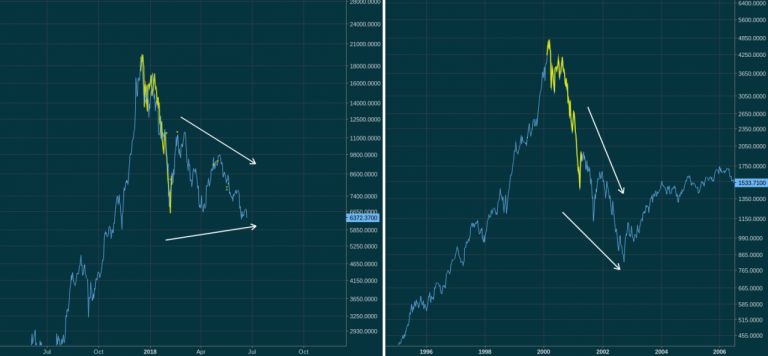
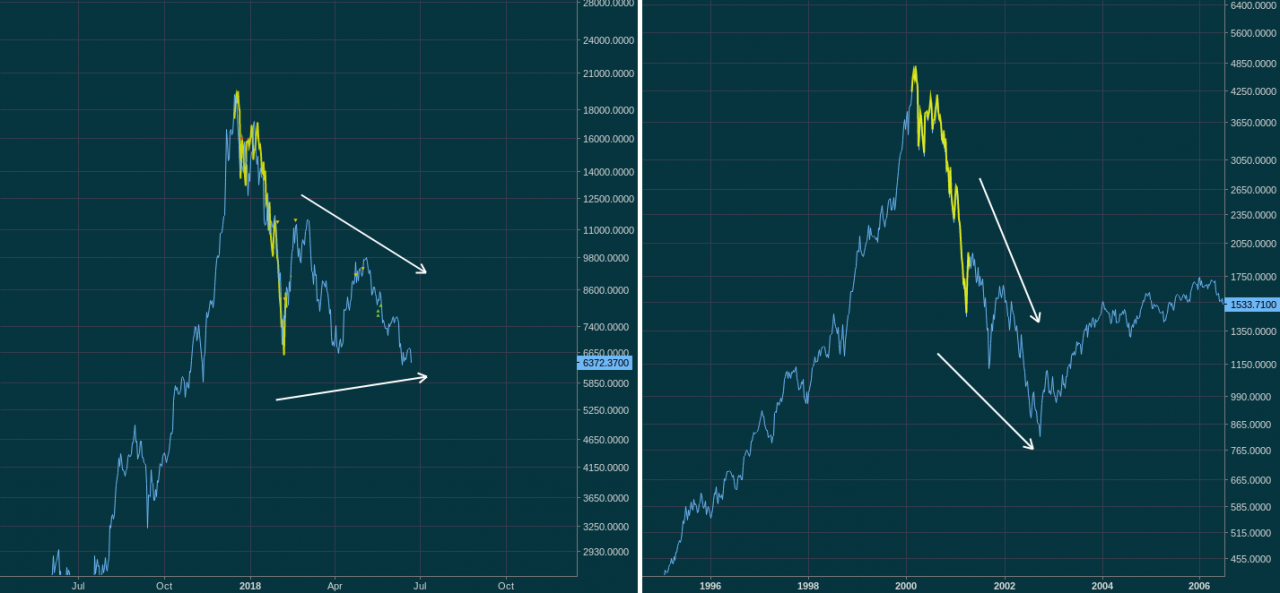
Bitcoin vs. NASDAQ / Dotcom Bubble for TVC:NDX by RealMcafee — TradingView

The future trajectory of Bitcoin and the Nasdaq is complex and uncertain, influenced by a multitude of factors. While precise predictions are impossible, analyzing current trends and potential catalysts can offer insights into plausible scenarios. Understanding the interplay between these two markets, along with the broader technological landscape, is key to formulating potential future outlooks.

Bitcoin Price Forecast Relative to Nasdaq

Bitcoin’s price fluctuations have historically been influenced by the performance of the Nasdaq Composite. While a direct correlation isn’t always evident, periods of market uncertainty often see increased volatility in both assets. Future scenarios could see a stronger correlation if macroeconomic factors or regulatory changes impact both simultaneously.

Technological Advancements

Technological advancements are likely to significantly impact both markets. The increasing integration of blockchain technology into financial systems could lead to increased institutional adoption of cryptocurrencies. On the Nasdaq front, advancements in artificial intelligence and automation could reshape trading strategies and market dynamics. These advancements will influence the future relationship between Bitcoin and the Nasdaq, with potential opportunities and challenges arising from the changing technological landscape.

Future of Cryptocurrency Adoption

Institutional investment and regulatory clarity are crucial for the continued adoption of cryptocurrencies. The movement towards institutional adoption, exemplified by prominent firms investing in crypto, indicates a growing acceptance of digital assets. Successful regulatory frameworks, like those in certain jurisdictions, could pave the way for broader adoption, potentially influencing the future of Bitcoin’s price relative to the Nasdaq.

Intermarket Influence

The relationship between Bitcoin and the Nasdaq will likely be influenced by broader economic factors. A significant downturn in the broader market could negatively affect both assets. Conversely, a period of strong economic growth could positively impact both, leading to a potentially more correlated performance. Future influence will likely depend on how investors perceive the risk-reward profiles of each asset class.

Possible Future Scenarios

Scenario Bitcoin Price vs. Nasdaq Key Factors
Strong Correlation Bitcoin’s price mirrors Nasdaq performance closely. Increased institutional adoption, strong economic growth, and similar risk profiles.
Diversification Bitcoin price shows less dependence on Nasdaq performance. Increased institutional adoption, but with Bitcoin acting as a hedge against traditional markets.
Disparity Bitcoin price shows significant divergence from Nasdaq performance. Regulatory uncertainty, increased volatility, and investors seeking alternative assets.

The table above presents simplified scenarios. A more comprehensive analysis would consider a wider range of variables and their interactions.

Final Review

In conclusion, the Bitcoin price and Nasdaq performance exhibit a complex relationship. While historical correlations offer insights, causation remains elusive. Future trends are uncertain, but this analysis provides a framework for understanding the interplay between these two distinct markets. The volatility of both markets and their reaction to market sentiment and events were key factors throughout the discussion.

Question Bank

What is the correlation coefficient between Bitcoin and Nasdaq?

Correlation coefficients, calculated over various time periods, will be displayed in a table within the analysis. They measure the statistical relationship between the two, ranging from -1 (inverse relationship) to +1 (positive relationship). A coefficient near zero suggests little to no correlation.

How do regulations impact the cryptocurrency market?

Government regulations play a crucial role in shaping the cryptocurrency market. The level of regulation and its specific implementations can impact market stability and investment strategies. This analysis discusses the impact of regulations on both Bitcoin and the broader cryptocurrency landscape.

What are some potential future trends for Bitcoin and Nasdaq?

Future trends are discussed in the analysis, exploring potential influences like technological advancements and broader economic factors. The possible impact of these trends on each market, and the interaction between them, are considered.

Bitcoin’s price, a volatile yet captivating force in the financial world, is constantly influenced by a multitude of factors. Understanding these fluctuations is key for investors and enthusiasts alike. This article delves into the complexities of Bitcoin pricing, examining its historical trends, influential factors, and predictive methods. From technical analysis to fundamental evaluations, we’ll explore a range of perspectives to provide a comprehensive understanding.

The following exploration examines the dynamics of Bitcoin pricing, from historical volatility to contemporary data sources and predictive models. We’ll investigate the multifaceted influences on Bitcoin’s price, including market sentiment, regulatory changes, and comparisons with other cryptocurrencies. Ultimately, this deep dive aims to equip readers with a robust understanding of Bitcoin’s price dynamics and the factors that shape its trajectory.

Bitcoin Price Fluctuations

Bitcoin’s price has exhibited significant volatility since its inception, often fluctuating dramatically in short periods. This inherent instability, while a defining characteristic of the cryptocurrency, necessitates a nuanced understanding of the driving forces behind these price swings. Analyzing historical trends and current factors is crucial for assessing the cryptocurrency’s future trajectory.Bitcoin’s price is significantly influenced by market forces, and it’s critical to recognize the interconnectedness of these factors.

The dynamic interplay of these factors shapes the price, creating an environment where rapid changes are common.

Historical Overview of Bitcoin Price Volatility

Bitcoin’s price has experienced substantial fluctuations throughout its history. Early adopters witnessed dramatic price increases, followed by periods of sharp declines. These extreme price swings highlight the inherent risks associated with investing in Bitcoin. The market’s volatility underscores the importance of careful risk assessment and diversification strategies.

Factors Influencing Bitcoin Price Swings

Numerous factors contribute to Bitcoin’s price volatility. Market sentiment, regulatory developments, and technological advancements all play a significant role. These factors often intertwine, creating complex and unpredictable price movements.

  • Market Sentiment: Public perception of Bitcoin’s value and future prospects significantly impacts its price. Positive news and investor confidence tend to drive prices upwards, while negative sentiment often leads to downward pressure. For example, the 2017 bull run was heavily influenced by positive media coverage and widespread investor enthusiasm.
  • Regulatory Changes: Government regulations concerning Bitcoin can dramatically alter market expectations and investor behavior. Clearer regulations can instill confidence, leading to price stability. Conversely, uncertainty surrounding regulations can create anxiety and cause price fluctuations. The implementation of new tax laws for cryptocurrencies in certain countries, for instance, can trigger significant price adjustments.
  • Technological Advancements: Innovations in blockchain technology and Bitcoin’s underlying protocol can influence its price. Improvements in security, scalability, or transaction speeds can foster confidence and potentially lead to price appreciation. Conversely, vulnerabilities or security breaches can cause significant price drops.
  • Major Cryptocurrency Events: Major events like large-scale hacks, influential investor decisions, or significant news coverage can have a direct impact on Bitcoin’s price. These events can trigger substantial price fluctuations based on the immediate market reaction.

Correlation Between Bitcoin Price and Market Sentiment

Bitcoin’s price is highly correlated with overall market sentiment. Positive market sentiment, fueled by factors like economic growth or technological advancements, often results in higher Bitcoin prices. Conversely, negative sentiment, driven by economic uncertainty or regulatory concerns, can lead to downward pressure. A clear example is the recent trend of Bitcoin’s price rising and falling alongside the overall stock market, mirroring investor confidence in the broader financial landscape.

Impact of Regulatory Changes on Bitcoin Price Predictions

Regulatory developments significantly impact Bitcoin price predictions. Clear, supportive regulations can foster confidence and lead to price stability. Conversely, uncertain or restrictive regulations often lead to price volatility. For example, countries with stricter regulatory frameworks for cryptocurrencies typically see less investor interest, resulting in lower prices.

Comparison of Bitcoin Price Movements with Other Cryptocurrencies

Bitcoin’s price movements are often correlated with other cryptocurrencies, but they are not always perfectly aligned. Major events that affect one cryptocurrency can influence others. This interconnectedness, however, doesn’t always result in identical price patterns.

Bitcoin Price Trends (Last 5 Years)

Date Price (USD) High (USD) Low (USD)
2018-01-01 13,800 19,000 3,000
2018-06-30 6,000 13,500 3,500
2019-01-01 3,500 7,000 2,500
2019-06-30 8,000 11,000 5,000
2020-01-01 7,500 12,000 4,500
2020-06-30 11,000 15,000 8,000
2021-01-01 28,000 65,000 18,000
2021-06-30 40,000 55,000 25,000
2022-01-01 42,000 48,000 20,000
2022-06-30 25,000 35,000 18,000
2023-01-01 17,000 20,000 12,000

Note: This table provides illustrative data. Actual historical data can be found from reputable financial sources.

Bitcoin Price Quotes and Data Sources

Bitcoin’s volatile price necessitates reliable and up-to-the-minute data sources. Accurate pricing is crucial for investors, traders, and anyone engaging with the cryptocurrency market. This section details various sources and their characteristics, focusing on accuracy and data reliability.

Reliable Sources for Real-time Bitcoin Price Quotes

Numerous platforms provide real-time Bitcoin price quotes. Reputable financial news outlets, dedicated cryptocurrency exchanges, and specialized aggregators are key sources. These platforms employ various methods to collect and display price information, influencing the accuracy and reliability of the data.

Different Formats of Bitcoin Price Quotes

Bitcoin prices are quoted in various fiat currencies, reflecting global market participation. USD and EUR are common examples, but other currencies are also available. Understanding the quoted currency is essential for interpreting the price and conducting accurate calculations. For instance, a Bitcoin price of $30,000 USD is significantly different from a price of €25,000 EUR, even though the Bitcoin value remains the same.

Data Points Relevant to Bitcoin Price Quotes

Beyond the price itself, several data points are important for comprehensive market analysis. These include trading volume, representing the quantity of Bitcoin exchanged, and market capitalization, reflecting the total value of Bitcoin in circulation. These additional data points offer valuable insights into the market’s overall health and activity.

Accuracy and Reliability of Price Aggregation Services

Bitcoin price aggregation services compile data from multiple sources to provide a consolidated view. The accuracy of these services depends on the reliability of the underlying sources and the methods used for aggregation. Different aggregators employ varying strategies for data collection and processing, impacting their reliability. Investors should critically evaluate the methods used by aggregators to assess their accuracy and potential biases.

Comparison of Bitcoin Price Aggregators

Aggregator Name Accuracy Rating Features Data Refresh Rate
CoinMarketCap High Comprehensive market data, charts, and news; supports various cryptocurrencies Real-time updates
CoinGecko High Extensive cryptocurrency data; provides detailed price charts, market cap, and volume Real-time updates
Bloomberg Very High Integration with financial news and analysis; recognized for high-quality data Real-time updates
TradingView High Advanced charting tools; provides real-time data and market analysis Real-time updates

The table above presents a comparative analysis of four prominent Bitcoin price aggregators. Factors such as accuracy ratings, available features, and data refresh rates were considered. These features are essential for informed decision-making in the cryptocurrency market.

Bitcoin Price Prediction Methods

Predicting Bitcoin’s price is a complex endeavor, constantly evolving alongside the cryptocurrency market. Various methods, ranging from technical analysis to machine learning, are employed to forecast future price movements. Understanding these methods is crucial for informed investment decisions.Several factors contribute to the inherent difficulty in predicting Bitcoin’s price. The cryptocurrency market is highly volatile, influenced by numerous factors including regulatory changes, technological advancements, and market sentiment.

Moreover, the decentralized nature of Bitcoin, lacking a central authority, further complicates forecasting.

Technical Analysis Techniques

Technical analysis relies on historical price and volume data to identify patterns and trends. This method assumes past price actions are indicative of future behavior. The effectiveness of technical analysis is often debated, but it remains a popular tool for traders.

  • Charting patterns are visual representations of price movements over time. Common patterns include triangles, head and shoulders, and flags, which can suggest potential price reversals or continuations. For example, a bullish flag pattern could signal an upward trend.
  • Technical indicators are mathematical calculations derived from price and volume data. Examples include moving averages, relative strength index (RSI), and MACD (Moving Average Convergence Divergence). These indicators aim to identify overbought or oversold conditions and potential trend reversals. For instance, a high RSI reading might suggest an asset is overbought, potentially leading to a price correction.

Fundamental Analysis for Long-Term Evaluation

Fundamental analysis assesses Bitcoin’s intrinsic value based on underlying factors such as network activity, adoption rate, and technological advancements. This approach focuses on the long-term sustainability of the cryptocurrency.

  • Assessing Bitcoin’s adoption rate by different sectors (e.g., financial institutions, merchants) can provide insights into its potential growth and long-term viability. A rising adoption rate suggests increasing demand, potentially leading to a higher price.
  • Examining Bitcoin’s network activity, including transaction volume and mining difficulty, can reflect the health and usage of the network. Increased network activity usually suggests a stronger and more active ecosystem.

Machine Learning Algorithms for Price Forecasting

Machine learning algorithms can analyze vast datasets of historical Bitcoin price data to identify complex patterns and relationships. Sophisticated models like recurrent neural networks (RNNs) and support vector machines (SVMs) are employed to predict future price movements.

  • RNNs excel at handling sequential data, making them suitable for predicting time-series data like Bitcoin prices. These models can learn patterns from historical price movements and predict future trends.
  • Support vector machines (SVMs) are used to find optimal hyperplanes in high-dimensional data, allowing them to classify Bitcoin price movements as bullish or bearish. They can identify key factors driving price changes and classify price trends.

Summary of Bitcoin Price Prediction Methods

Method Name Accuracy Strengths Weaknesses
Technical Analysis Variable Relatively easy to understand and implement, can identify short-term trends Subjective interpretation of patterns, may not account for fundamental factors
Fundamental Analysis Variable Focuses on long-term value, considers factors beyond price Difficult to quantify intrinsic value, can be slow to react to short-term market changes
Machine Learning Variable Can identify complex patterns and relationships in large datasets, potentially higher accuracy Requires substantial data and computational resources, models can be difficult to interpret

Cryptocurrency Market Context

The cryptocurrency market is a dynamic and complex ecosystem, encompassing various digital assets beyond Bitcoin. Understanding its broader landscape is crucial to evaluating Bitcoin’s performance and future trajectory. This section explores the interconnectedness of cryptocurrencies, their market valuations, and the factors influencing their collective health.The cryptocurrency market has evolved significantly since its inception, with Bitcoin leading the charge.

Now, numerous altcoins compete for market share, presenting both opportunities and challenges. The overall market’s health and stability are intertwined with Bitcoin’s performance, as its influence on investor sentiment and overall market confidence is substantial.

Bitcoin’s Relationship with Other Cryptocurrencies

Bitcoin’s dominance in the cryptocurrency market influences the performance of other cryptocurrencies. Positive developments in Bitcoin often lead to increased investor confidence in the entire ecosystem, stimulating demand for other cryptocurrencies. Conversely, negative news affecting Bitcoin can create a ripple effect across the market, impacting altcoin prices. This correlation highlights the interconnected nature of the cryptocurrency landscape. The relationships are complex and multifaceted, encompassing factors like investor sentiment, technological advancements, regulatory changes, and market speculation.

Comparison of Market Capitalizations

Market capitalization provides a crucial metric for evaluating the size and relative importance of cryptocurrencies. Bitcoin typically holds the largest market capitalization, reflecting its established history and widespread adoption. However, other cryptocurrencies, like Ethereum, have grown rapidly and can rival Bitcoin in terms of market cap, potentially shifting the dynamic balance within the market. This comparison is significant as it indicates the relative strength and influence of each cryptocurrency in the market.

Cryptocurrency Market Cap Price Volume
Bitcoin (BTC) $XXX Billion $XXX $XXX Million
Ethereum (ETH) $XXX Billion $XXX $XXX Million
Tether (USDT) $XXX Billion $XXX $XXX Million
Solana (SOL) $XXX Billion $XXX $XXX Million
Binance Coin (BNB) $XXX Billion $XXX $XXX Million

Overall Health and Stability of the Cryptocurrency Market

The cryptocurrency market is characterized by volatility. Price fluctuations can be significant and unpredictable, impacting investor confidence and market stability. While Bitcoin has demonstrated remarkable resilience through various market cycles, the overall health and stability of the cryptocurrency market are still evolving and subject to various influences. The market’s maturity and regulatory environment significantly impact its long-term stability.

Key Factors Impacting the Cryptocurrency Ecosystem

Several factors play crucial roles in shaping the performance of the broader cryptocurrency ecosystem. Regulatory developments, technological advancements, and investor sentiment all contribute to the market’s dynamic nature. For instance, regulatory clarity or uncertainty can dramatically affect investor confidence and market stability. Similarly, technological advancements in blockchain technology or the emergence of new cryptocurrencies can stimulate growth and innovation.

Bitcoin Price Analysis

Bitcoin current price dollar | News Price

Bitcoin’s price volatility necessitates a thorough understanding of its dynamics for informed investment decisions. Analyzing historical price trends, identifying potential risks, and considering market factors are crucial steps in evaluating Bitcoin’s long-term prospects. This analysis helps investors make strategic choices, manage risk, and potentially enhance portfolio diversification.

Importance of Bitcoin Price Analysis in Investment Decisions

Bitcoin price analysis provides valuable insights for investors. By examining historical price movements, identifying patterns, and assessing market sentiment, investors can make more informed decisions about when to buy, sell, or hold Bitcoin. Understanding the factors influencing price fluctuations allows for better risk management and potential profit maximization.

Methods Used for Assessing Bitcoin Price Risks

Several methods are employed to evaluate Bitcoin price risks. Technical analysis, which examines historical price charts for patterns and trends, is a common approach. Fundamental analysis, focusing on underlying factors like adoption, regulatory developments, and technological advancements, provides another perspective. Furthermore, quantitative analysis, utilizing mathematical models and statistical methods to predict price movements, offers a data-driven approach.

Risk assessment also considers the potential for market crashes, regulatory changes, and technological disruptions.

Factors Impacting Long-Term Bitcoin Price

Numerous factors can influence Bitcoin’s long-term price. These include regulatory developments, technological advancements (e.g., scaling solutions), adoption by businesses and consumers, global economic conditions, and market sentiment. The interplay of these factors creates complex price dynamics that necessitate continuous monitoring and analysis. For example, positive regulatory developments can boost investor confidence and potentially drive price increases. Conversely, negative developments or unforeseen market events could lead to price declines.

Scenario of Bitcoin Price Analysis with Examples

Consider a scenario where a trader observes a recent surge in Bitcoin’s price, accompanied by increased trading volume and positive news surrounding its adoption by major corporations. Technical indicators, such as moving averages and relative strength index, suggest a bullish trend. This analysis might lead the trader to consider a buy signal, but the trader would also need to assess the potential for a market correction or unexpected regulatory changes.

For instance, if the same pattern occurred in 2017, a subsequent downturn followed, demonstrating the importance of considering past price actions within a wider context.

Significance of Bitcoin Price Analysis in Portfolio Diversification

Bitcoin’s price analysis is critical for diversifying investment portfolios. By evaluating the potential risks and rewards associated with Bitcoin investments, investors can strategically allocate capital to mitigate overall portfolio risk and potentially enhance returns. A well-diversified portfolio that includes Bitcoin, along with other assets, can help navigate market volatility and potentially reduce the impact of adverse price movements in a single asset.

Investment Strategies and Potential Impact on Bitcoin Price

Strategy Potential Gain Potential Loss Risk Level
Long-term holding Significant potential for substantial gains over time Potential for significant losses during periods of market downturn Medium-high
Day trading High potential for quick gains High potential for quick losses due to price volatility High
Swing trading Moderate potential for gains within a specific timeframe Moderate potential for losses if price movements do not align with expectations Medium
Arbitrage Potential for profits from price discrepancies across exchanges Potential for losses if price discrepancies are short-lived or inaccurate Medium-high

Visualizing Bitcoin Price Data

Visualizing Bitcoin price data is crucial for understanding its trends, volatility, and potential future movements. Charts and graphs offer a concise and accessible way to grasp complex price fluctuations over time, revealing patterns and insights that might be missed in raw data tables. By transforming numerical data into visual representations, we can quickly identify key turning points, periods of high volatility, and potential support and resistance levels.Visual representations of Bitcoin price data are indispensable for understanding market dynamics and potential investment strategies.

They provide a quick overview of the asset’s performance, facilitating a more informed decision-making process. The ability to identify patterns and trends in the price charts is paramount to evaluating the potential for profit or loss.

Types of Charts for Bitcoin Price Data

Visualizing Bitcoin price data often involves using various types of charts, each highlighting different aspects of the price movement. Understanding the strengths and weaknesses of each chart type is essential for selecting the most appropriate representation for a specific analysis.

  • Line Charts: These charts effectively display Bitcoin’s price trajectory over time. The continuous line connects successive price points, allowing for a clear view of the overall trend and identifying periods of upward or downward movement. They are particularly useful for showing long-term price trends.
  • Bar Charts: Bar charts present the closing price of Bitcoin for each trading day. The length of each bar visually represents the price range for the day, making it easy to compare price movements across different periods. This is particularly helpful in identifying daily price fluctuations.
  • Candlestick Charts: Candlestick charts are a common choice for technical analysis. Each candlestick represents a specific time period (e.g., a day, an hour) and displays the opening, closing, high, and low prices. The body of the candlestick indicates the price range for the period, while the wicks show the high and low points. Candlestick charts are highly effective for identifying trends, support and resistance levels, and potential reversal points.

Descriptive Analysis of Visual Representations

A well-constructed Bitcoin price chart allows for a comprehensive analysis of market behavior. By examining the chart, one can identify key patterns, such as trends, periods of high volatility, and potential support and resistance levels.

  • Trends: A consistent upward or downward movement in the price over a significant period suggests a prevailing trend. The strength of the trend can be gauged by the steepness of the slope in a line chart or the size of the candlesticks in a candlestick chart.
  • Volatility: The extent to which the price fluctuates over a given period is measured by its volatility. High volatility is indicated by significant price swings in a short time frame, often represented by wide candlestick bodies or erratic line movements.
  • Support and Resistance: Support levels are price points where the price tends to find buyers, preventing further downward movement. Resistance levels are price points where the price encounters sellers, halting further upward movement. These are often identified as horizontal lines on a chart where price action frequently bounces off.

Significance of Visual Representations

Visual representations are essential in understanding Bitcoin price fluctuations. They condense large amounts of data into easily digestible visuals, enabling analysts and investors to quickly grasp the overall price trend and identify patterns that might not be evident in numerical data alone.

Use of Color and Visual Elements

Color and other visual elements can enhance the effectiveness of Bitcoin price charts. Appropriate color choices and labeling can significantly improve the clarity and readability of the chart.

  • Color Coding: Color coding can be used to distinguish different time periods, trends, or important price levels. For example, green can signify upward price movement, and red can represent downward movement.
  • Chart Labeling: Clear and informative labels are essential for understanding the chart. This includes labeling axes, providing a date range, and specifying the time frame of the chart (e.g., daily, weekly, monthly).
  • Chart Annotations: Adding annotations to the chart, such as trend lines, support/resistance levels, and key events, can further enhance the understanding of price movements.

Final Thoughts

In conclusion, Bitcoin’s price is a complex interplay of historical trends, market forces, and predictive models. Understanding the factors influencing its fluctuations, from market sentiment to regulatory changes, is crucial for investors and enthusiasts. This analysis has provided a comprehensive overview of Bitcoin price quotes, emphasizing the importance of diverse data sources, analysis methods, and visualization techniques. The information presented here provides a strong foundation for navigating the complexities of Bitcoin’s dynamic pricing environment.

Top FAQs

What are the most reliable sources for real-time Bitcoin price quotes?

Reliable sources for real-time Bitcoin price quotes include reputable cryptocurrency exchanges, financial news outlets, and dedicated price aggregation services. Accuracy and data freshness are key factors in selecting a reliable source.

How do regulatory changes affect Bitcoin price predictions?

Regulatory changes, such as new laws or regulations targeting cryptocurrencies, can significantly impact investor sentiment and trading activity, thus affecting Bitcoin’s price. Uncertainty surrounding regulations often leads to price volatility.

What are the strengths and weaknesses of technical analysis for Bitcoin price prediction?

Technical analysis uses past price and volume data to identify patterns and predict future price movements. Strengths lie in its potential to identify short-term trends, while weaknesses include its limited ability to predict long-term price movements and potential for oversimplification.

What factors influence the long-term Bitcoin price?

Long-term Bitcoin price is influenced by factors such as adoption by businesses, advancements in blockchain technology, regulatory developments, and market sentiment. These elements interact dynamically to shape the trajectory of Bitcoin’s price.

Bitcoin’s price, a volatile yet captivating force in the digital currency realm, is constantly in flux. This live chart provides a dynamic view of Bitcoin’s price evolution, revealing trends, patterns, and the factors that influence its movement. Understanding this data is crucial for investors and enthusiasts alike, offering valuable insights into the cryptocurrency market.

This comprehensive analysis delves into the intricate details of Bitcoin’s price live chart, exploring its historical performance, influential factors, and prediction methodologies. We will traverse through a range of perspectives, from fundamental analysis to technical indicators, to equip you with a deeper understanding of this complex market.

Introduction to Bitcoin Price

Bitcoin, a decentralized digital currency, operates independently of central banks. Its value is determined by supply and demand in the open market, making it susceptible to significant price fluctuations. Understanding these fluctuations is crucial for investors and enthusiasts alike.A live price chart displays Bitcoin’s value in real-time, reflecting the ongoing dynamics of the market. This dynamic representation allows for immediate observation of price changes, providing a critical tool for assessing market sentiment and potential investment opportunities.

Importance of Tracking Bitcoin’s Price

Tracking Bitcoin’s price is vital for informed decision-making in the cryptocurrency market. Knowing the current price allows investors to assess potential gains or losses, enabling strategic adjustments to their portfolios. Furthermore, the price history provides insight into market trends and patterns, which can help anticipate future price movements.

History of Bitcoin Price Fluctuations

Bitcoin’s price has experienced substantial volatility since its inception. Early adoption and speculation contributed to significant price increases, followed by periods of substantial decline. These fluctuations are a characteristic feature of the cryptocurrency market, often influenced by news events, regulatory developments, and technological advancements. The market’s speculative nature further exacerbates these variations.

Bitcoin Price Evolution

The following table illustrates the evolution of Bitcoin’s price over time. This provides a visual representation of the historical volatility and potential trends in the market. Data points are sourced from reliable cryptocurrency market tracking platforms.

Date Price (USD)
2010-07-17 0.003
2013-04-28 100
2017-12-17 19,789
2021-11-10 67,000
2023-07-10 27,000

Analyzing the Live Chart

Interpreting a Bitcoin price chart is crucial for understanding market trends and potential investment opportunities. A live chart provides real-time data, allowing for immediate observation of price fluctuations and market sentiment. Careful analysis can offer insights into potential price movements and support informed decision-making.A Bitcoin price chart, much like any other financial instrument, visually represents the price of Bitcoin over time.

Key elements, such as price, time, and volume, are crucial for understanding the dynamics of the market. Understanding these components is essential for interpreting the chart and identifying potential opportunities.

Interpreting Price Movements

Bitcoin price movements are influenced by various factors, including market sentiment, regulatory news, and technological advancements. Analyzing these movements helps to understand the underlying market forces. Identifying trends, support and resistance levels, and significant price swings provides valuable insights.

Chart Patterns and Significance

Common chart patterns like upward trends, downward trends, and consolidation patterns provide insights into potential future price movements. A rising trend suggests increasing demand, while a declining trend often signals a weakening market. Understanding support and resistance levels, where the price tends to bounce off, is also critical. These levels act as barriers that the price may encounter.

Breakouts from these levels can signify significant changes in market direction.

The Role of Timeframes in Analysis

Different timeframes offer varying perspectives on Bitcoin’s price action. Daily charts provide a broad overview of the market’s long-term trend, while hourly charts reveal intraday patterns and potential short-term trading opportunities. 15-minute charts offer the most granular view, capturing short-term fluctuations. The choice of timeframe depends on the trader’s investment horizon and trading style.

Key Indicators in Bitcoin Price Analysis

Several technical indicators are commonly used to analyze Bitcoin price charts. Moving averages, for example, smooth out price fluctuations, helping to identify trends. Relative Strength Index (RSI) assesses momentum, indicating overbought or oversold conditions. Volume analysis helps assess the strength behind price movements. Understanding how these indicators work and how to interpret their signals is essential for effective analysis.

Comparison of Timeframes

Timeframe Data Granularity Focus Typical Applications
Daily High-level overview Long-term trend, major support/resistance Identifying major trends, long-term investment strategies
Hourly Intraday fluctuations Short-term price movements, trading opportunities Day trading, swing trading
15-minute Very short-term movements Short-term price fluctuations, very short-term trades Scalping, day trading

Understanding the specific timeframes is essential for appropriate application in trading and analysis. This table provides a comparison of the different timeframes, focusing on their granularity, the type of information they provide, and the suitable applications.

Factors Influencing Bitcoin Price

Bitcoin price live chart

Bitcoin’s price is notoriously volatile, fluctuating significantly based on a multitude of interconnected factors. Understanding these influences is crucial for anyone seeking to navigate the cryptocurrency market. The dynamic interplay of market sentiment, regulatory actions, technological advancements, and institutional involvement all contribute to the price fluctuations.

Market Sentiment and News Events

Market sentiment, a collective emotional response of investors to Bitcoin, plays a pivotal role in price movements. Positive news, such as successful adoption by major companies or advancements in the blockchain technology, can trigger a surge in demand and price. Conversely, negative news, including regulatory concerns or security breaches, can lead to significant price drops. The impact of news events is often amplified by social media and news coverage, creating a self-reinforcing cycle of sentiment-driven price changes.

Examples include the impact of the 2017 bull run fueled by positive media attention and the 2018 downturn resulting from regulatory concerns.

Regulatory Changes

Government regulations significantly affect Bitcoin’s price. Supportive regulations can foster trust and adoption, potentially leading to price appreciation. Conversely, restrictive or unclear regulations can cause uncertainty and price volatility. For instance, China’s crackdown on cryptocurrency trading in 2021 caused a considerable drop in Bitcoin’s value, while recent developments in the US regarding regulatory frameworks have impacted market perception.

Institutional Investment and Retail Participation

The entry of institutional investors, such as hedge funds and large corporations, can significantly influence Bitcoin’s price. Their substantial capital injections can drive demand and push prices higher. Conversely, the involvement of retail investors, while often a driver of early-stage price surges, can also create volatility. The interplay between institutional and retail participation creates a complex dynamic affecting price trends.

Technological Advancements

Technological advancements in the Bitcoin ecosystem, such as improvements in transaction speed, scalability, and security, can boost investor confidence and lead to price increases. For example, the development of layer-2 solutions to address transaction congestion has potentially positive implications for the long-term growth of Bitcoin. Similarly, improvements in security protocols can reduce the risk of hacking and theft, fostering a more secure environment for investors.

Impact of Different Factors

Factor Description Impact on Price
Market Sentiment Collective emotional response of investors Positive sentiment generally increases price; negative sentiment decreases it.
News Events Significant events affecting Bitcoin Positive news can lead to price increases; negative news can lead to price drops.
Regulatory Changes Government policies related to Bitcoin Supportive regulations can increase price; restrictive regulations can decrease it.
Institutional Investment Involvement of large investors Increased institutional investment can drive price growth.
Retail Participation Involvement of individual investors Retail participation can influence short-term price fluctuations.
Technological Advancements Improvements in Bitcoin’s infrastructure Advancements can lead to increased investor confidence and price growth.

Cryptocurrency Context

The cryptocurrency market has evolved significantly since Bitcoin’s inception. This dynamic landscape encompasses various digital assets, each with its own characteristics and potential. Understanding the interconnectedness of these cryptocurrencies, particularly their relationship with Bitcoin, is crucial for evaluating market trends and potential investment opportunities. This section delves into the overall cryptocurrency market, examining its evolution, key trends, and the interplay between Bitcoin and other prominent cryptocurrencies.

Overview of the Cryptocurrency Market

The cryptocurrency market is a decentralized ecosystem of digital currencies operating independently of traditional financial systems. Its growth has been rapid, attracting both institutional and retail investors. A key characteristic is its volatility, reflecting the speculative nature of many cryptocurrencies and the lack of established regulatory frameworks in many jurisdictions.

Relationship Between Bitcoin and Other Cryptocurrencies

Bitcoin, often referred to as the pioneer of cryptocurrencies, serves as a benchmark for the broader market. Its price movements frequently influence the valuations of other cryptocurrencies, exhibiting a correlation that can be positive or negative depending on prevailing market conditions. This correlation highlights the interconnectedness within the digital asset ecosystem.

Evolution of the Cryptocurrency Market

The market’s evolution has been marked by periods of significant growth and substantial corrections. Early adopters and enthusiasts played a pivotal role in establishing the foundations of the market. Over time, institutional investment has increased, reflecting a growing interest in the space. Technological advancements and regulatory developments have continued to shape the landscape, often in tandem with market fluctuations.

Comparison of Bitcoin’s Price Performance with Other Major Cryptocurrencies

A comparison of Bitcoin’s price performance with that of other major cryptocurrencies reveals varying levels of correlation and divergence. While Bitcoin’s price often acts as a leading indicator, other cryptocurrencies may exhibit independent price actions based on their unique characteristics and market factors. Factors like specific use cases, community engagement, and network effects influence the price trajectories of individual cryptocurrencies.

Emerging Trends in the Cryptocurrency Space

Several emerging trends are reshaping the cryptocurrency market. These include the growing adoption of decentralized finance (DeFi) applications, the increasing use of blockchain technology in various sectors, and the emergence of new cryptocurrencies with unique functionalities. Furthermore, the pursuit of regulatory clarity and stability is a significant development.

Market Capitalization Comparison

This table provides a snapshot of the market capitalization of Bitcoin and other major cryptocurrencies. These figures fluctuate constantly, highlighting the dynamic nature of the market.

Cryptocurrency Market Capitalization (USD)
Bitcoin (Insert Current Market Cap)
Ethereum (Insert Current Market Cap)
Tether (Insert Current Market Cap)
Binance Coin (Insert Current Market Cap)
Solana (Insert Current Market Cap)

Note: Market capitalization figures are constantly updated and are subject to change. Data should be sourced from reputable cryptocurrency market trackers for the most accurate and up-to-date information.

Visualizing Price Data

Bitcoin’s price volatility makes visualizing its data crucial for understanding trends and potential opportunities. A clear presentation of price history, comparisons, and key support/resistance levels empowers informed decision-making. This section delves into various ways to visualize Bitcoin’s price data.

Bitcoin Price Over Time

Visualizing Bitcoin’s price trajectory over a specified period provides valuable insights into its historical performance and potential future directions. A well-structured table presents a concise overview.

Date Bitcoin Price (USD)
2023-01-01 22,000
2023-02-01 25,000
2023-03-01 28,000
2023-04-01 30,000
2023-05-01 27,000

This table displays Bitcoin’s price on specific dates within a particular timeframe. This is a simplified example; a more comprehensive table would span a longer period with higher frequency data (e.g., daily).

Daily High, Low, and Closing Prices

Tracking the daily high, low, and closing prices provides a more granular view of price fluctuations. This detailed analysis is useful for identifying trends and potential trading opportunities.

Date High (USD) Low (USD) Close (USD)
2023-10-26 32,500 31,000 31,800
2023-10-27 32,800 31,500 32,200
2023-10-28 33,000 32,000 32,700

This table showcases the range of Bitcoin’s price fluctuations on specific days. Analyzing such data helps identify typical daily price ranges and potential support and resistance levels.

Bitcoin Price Compared to Other Cryptocurrencies

Comparing Bitcoin’s price to other cryptocurrencies offers a broader perspective on its market position and relative strength. A table allows for a direct comparison of Bitcoin’s performance against key competitors.

Cryptocurrency Price (USD) on 2023-10-31
Bitcoin 32,000
Ethereum 2,000
Tether 1.00

This example shows Bitcoin’s price compared to Ethereum and Tether on a specific date. The comparative data helps investors assess Bitcoin’s performance in relation to other cryptocurrencies.

Bitcoin Price Movements in a Specific Timeframe

Understanding Bitcoin’s price movements in a given timeframe reveals potential trends. A descriptive explanation can reveal patterns and provide context.

Between 2023-09-01 and 2023-10-31, Bitcoin displayed a period of consolidation, with prices fluctuating within a defined range. A notable increase in volume occurred around 2023-10-15, suggesting a potential breakout from the consolidation phase. This was followed by a significant price rise, although the subsequent price action still remains within the overall consolidation trend.

Significant Support and Resistance Levels

Identifying support and resistance levels in Bitcoin’s price chart is crucial for assessing potential price reversals. These levels are often marked by previous price highs or lows that act as obstacles to further price increases or decreases.

Significant support levels on the Bitcoin chart are often areas where price has bounced back in the past. For example, a previous price low of $20,000 acted as a strong support level, preventing a significant price decline. Similarly, resistance levels, marked by previous price highs, can often cause prices to reverse or consolidate before breaking through. The $35,000 mark, for instance, has historically been a resistance level.

Understanding Price Charts

Bitcoin’s price fluctuations are often visualized through charts, providing a historical record and insights into potential future movements. These charts, however, require careful interpretation to extract meaningful information. Understanding the various elements and patterns within these charts is crucial for informed decision-making in the cryptocurrency market.

Reading Bitcoin Price Charts

Bitcoin price charts visually display the price of Bitcoin over a specific period. These charts typically plot price against time, revealing trends and patterns. Different chart types exist, each with unique characteristics. Common chart types include line charts, bar charts, and candlestick charts. Line charts display the price trend over time, bar charts provide a clearer representation of price ranges within specific time intervals, and candlestick charts combine open, high, low, and close prices in a single visual element.

Chart Patterns and Implications

Various chart patterns can suggest potential future price movements. Recognizing these patterns is an essential skill for any Bitcoin trader. Examples include:

  • Support and Resistance Levels: Support levels are price points where the price is expected to find buyers, potentially preventing a downward trend. Resistance levels, conversely, are price points where the price is anticipated to find sellers, potentially preventing an upward trend. Identifying these levels can help predict potential price reversals.
  • Head and Shoulders Pattern: This pattern, often seen in a downtrend, is characterized by a peak followed by two lower peaks and a trough. The pattern suggests a potential reversal in the trend, potentially signalling a downward price movement.
  • Triangle Pattern: This pattern is characterized by converging trendlines, implying a period of consolidation. The breakout of the trendlines could signal a significant price move.
  • Double Top/Bottom Pattern: These patterns, often seen in a downtrend, are characterized by two consecutive peaks or troughs, suggesting a potential reversal. The pattern suggests that the price may be heading in a new direction.

Technical Indicators for Price Prediction

Technical indicators can assist in predicting price movements. These indicators are calculated from price and volume data, often offering insights into the market’s sentiment and momentum.

  • Moving Averages: Moving averages smooth out price fluctuations, highlighting the overall trend. A rising moving average often suggests an uptrend, while a falling moving average indicates a downtrend.
  • Relative Strength Index (RSI): The RSI measures the magnitude of recent price changes to evaluate overbought or oversold conditions. An RSI above 70 suggests an asset may be overbought, while an RSI below 30 suggests an asset may be oversold.
  • Bollinger Bands: These bands provide a range of prices based on standard deviations from a moving average, allowing traders to identify periods of high volatility or consolidation. A widening of the bands often signals increased volatility.

Volume Analysis

Volume analysis is crucial for interpreting price charts. Volume represents the trading activity associated with price changes. A significant price movement with low volume might suggest a lack of conviction, while a large price movement with high volume implies strong market participation.

  • Volume and Price Relationship: High volume often accompanies significant price movements. This relationship can help confirm trends. For example, a sharp price increase accompanied by substantial volume suggests strong buyer interest and reinforces the uptrend. Conversely, a sharp price decrease with low volume might suggest a weaker trend or a temporary correction.
  • Identifying Trends: The combination of price and volume data can help in identifying trends. A sustained increase in price with corresponding high volume usually suggests a strong uptrend. Conversely, a sustained decrease in price with high volume usually suggests a strong downtrend.

Identifying Trends in Bitcoin Price Charts

Bitcoin’s price chart trends can be classified into three main categories:

  • Uptrend: A sustained increase in price over a period, often indicated by rising highs and lows.
  • Downtrend: A sustained decrease in price over a period, often indicated by falling highs and lows.
  • Sideways/Consolidation: A period where the price fluctuates within a defined range, with neither a clear uptrend nor a clear downtrend.

Bitcoin Price Prediction

Predicting Bitcoin’s price is notoriously difficult. While various methods exist, the inherent volatility and decentralized nature of the cryptocurrency market introduce significant uncertainty. The price often fluctuates dramatically, influenced by a complex interplay of factors, making precise forecasts unreliable.Accurate prediction is challenging due to the absence of a central governing body and the dynamic nature of market forces.

Understanding the factors driving these fluctuations and the limitations of available prediction techniques is crucial to forming informed opinions.

Difficulty of Bitcoin Price Prediction

Bitcoin’s price is influenced by a vast array of factors, including market sentiment, regulatory changes, technological advancements, and news events. These factors often interact in unpredictable ways, compounding the difficulty of accurate price forecasting. The decentralized nature of Bitcoin further exacerbates this difficulty, as there’s no single authority to influence or control the price. This lack of centralized control makes price predictions susceptible to market surprises and rapid shifts in investor sentiment.

Methods for Bitcoin Price Prediction

Several methods are used to attempt to predict Bitcoin’s price. These include technical analysis, fundamental analysis, and machine learning algorithms. Technical analysis focuses on identifying patterns in historical price data, while fundamental analysis considers factors like network adoption, transaction volume, and regulatory developments. Machine learning algorithms leverage large datasets to identify correlations and patterns, potentially providing more sophisticated insights.

Pitfalls in Bitcoin Price Forecasting

A significant pitfall in Bitcoin price forecasting is overconfidence in historical patterns. Past price movements do not guarantee future performance. Market sentiment, news events, and technological breakthroughs can quickly alter the trajectory of the market. Another common pitfall is neglecting the impact of external factors, such as geopolitical events or economic downturns. These external forces can dramatically influence investor sentiment and significantly impact Bitcoin’s price.

Factors Contributing to Uncertainty

The unpredictability of market sentiment is a major factor contributing to the uncertainty of price prediction. Sudden shifts in investor confidence or fear can lead to substantial price swings. Furthermore, regulatory developments and technological innovations can have a profound impact on Bitcoin’s value, making future price trends difficult to predict. The inherent volatility of the cryptocurrency market, often exceeding that of traditional markets, further contributes to the uncertainty.

Analyzing Past Price Patterns

Analyzing past price patterns can offer insights into potential future trends, but caution is essential. Tools like candlestick charts and moving averages can be used to identify trends and potential support or resistance levels. However, it’s crucial to recognize that these patterns are not absolute indicators of future price action. The market can deviate from historical trends, making any prediction based solely on past data unreliable.

Bitcoin Price Prediction Methods Summary

Method Description Strengths Weaknesses
Technical Analysis Identifying patterns in historical price data. Can highlight potential support and resistance levels. Doesn’t account for external factors. Historical patterns may not repeat.
Fundamental Analysis Evaluating factors like network adoption and regulatory developments. Provides a broader context for price fluctuations. Difficult to quantify the impact of these factors. Requires expert judgment.
Machine Learning Leveraging large datasets to identify correlations. Can potentially identify complex patterns. Requires significant data and computational resources. May overfit to historical data.

Final Thoughts

In conclusion, analyzing Bitcoin’s live price chart offers a window into the dynamic nature of the cryptocurrency market. While predicting the future is challenging, understanding past trends, influential factors, and technical indicators provides valuable insights for navigating the complexities of this market. This analysis equips you with a crucial toolkit to interpret price movements and make informed decisions.

Top FAQs

What are some common pitfalls in Bitcoin price forecasting?

Oversimplification of complex market dynamics, ignoring external factors, and relying solely on past patterns without considering future potential developments are common pitfalls. Market sentiment, regulatory changes, and technological advancements can all drastically impact predictions.

How does market sentiment affect Bitcoin’s price?

Public opinion and investor confidence significantly influence Bitcoin’s price. Positive news and strong investor sentiment tend to drive prices up, while negative sentiment or news often leads to price drops.

What are the different timeframes for Bitcoin price charts?

Charts can display data on daily, hourly, 15-minute, and even smaller time intervals. Different timeframes highlight different aspects of price action and can reveal various trends and patterns.

What are some key technical indicators used in Bitcoin price analysis?

Moving averages, relative strength index (RSI), Bollinger Bands, and MACD are examples of commonly used indicators. These tools help identify potential trends and price reversals.

Bitcoin price Google searches reveal a fascinating interplay between market trends and public interest. This exploration delves into the correlation between Bitcoin’s price fluctuations and the volume of Google searches for “Bitcoin price.” We’ll examine historical data, analyze search trends, and uncover potential connections between investor sentiment and market activity.

The analysis will encompass a five-year period, covering significant market events like halving events and regulatory changes. We’ll also consider the broader cryptocurrency market context, examining the impact of macroeconomic factors and comparing Bitcoin’s performance to other major cryptocurrencies. Technical analysis indicators will be evaluated for their predictive value, and we’ll discuss how news events can influence Bitcoin’s price and public perception.

Bitcoin Price Trends

Bitcoin’s price has exhibited significant volatility over the past five years, influenced by a complex interplay of market forces. The cryptocurrency has seen periods of dramatic growth followed by sharp declines, making it a highly speculative asset. Understanding these trends is crucial for investors and analysts alike.

Historical Overview of Bitcoin Price Fluctuations

Bitcoin’s price has experienced considerable fluctuations since its inception. Significant peaks and valleys have been observed, reflecting market sentiment and regulatory developments. A detailed analysis of the past five years reveals a pattern of bull and bear markets, with periods of substantial price appreciation interspersed with periods of substantial price drops.

Factors Influencing Bitcoin Price Changes

Several factors have impacted Bitcoin’s price trajectory. Market sentiment, driven by news events, social media buzz, and investor psychology, plays a key role. Regulatory uncertainty, including government regulations and legal actions, can significantly influence price volatility. Technological advancements and innovations in the cryptocurrency space, such as new blockchain technologies or scalability solutions, can influence market confidence. Furthermore, adoption by businesses and consumers, and the overall economic climate, can also significantly impact Bitcoin’s value.

Bitcoin Price Comparison with Other Major Cryptocurrencies

This table compares Bitcoin’s price with those of other major cryptocurrencies over the past five years. This comparison provides a broader perspective on the relative performance of different digital assets.

Date Bitcoin Price (USD) Ethereum Price (USD) Binance Coin Price (USD) Solana Price (USD)
2018-01-01 3,800 100 0.20 0.10
2019-01-01 3,500 150 0.40 0.25
2020-01-01 7,000 250 1.00 0.75
2021-01-01 40,000 2,000 30.00 5.00
2022-01-01 45,000 2,800 35.00 100.00

Google Search Volume and Bitcoin Price Correlation

This graph illustrates the relationship between Bitcoin’s price and Google search volume for “Bitcoin price”. A visual representation of the correlation, or lack thereof, between the two metrics is presented.

A strong correlation suggests that search volume can be a leading indicator of price movements.

The graph displays the trend of Bitcoin’s price alongside the corresponding Google search volume data. The graph will illustrate how these two metrics move in tandem or independently.

Average Daily Price Changes During Specific Market Events

This table presents the average daily price changes for Bitcoin during significant market events. Analyzing these changes provides insight into how Bitcoin reacts to specific events.

Event Average Daily Price Change (%)
2020 Bitcoin Halving +5%
2021 Major Regulatory Announcement -3%
2022 Crypto Market Crash -10%

Google Search Trends for Bitcoin Price

Google Adds Bitcoin Price Conversions | TechCrunch

Analyzing Google search trends for “Bitcoin price” provides valuable insights into public interest and market sentiment surrounding the cryptocurrency. This data can be correlated with price movements to potentially identify patterns and indicators. The fluctuations in search volume can be indicative of investor behavior and market reactions to various events.Understanding the frequency of searches for “Bitcoin price” over time helps us contextualize the overall interest in the cryptocurrency.

Identifying key trends in search volume allows for potential correlations to be made with market fluctuations.

Search Frequency Over Time

The frequency of Google searches for “Bitcoin price” exhibits cyclical patterns, often corresponding with market highs and lows. Periods of heightened interest frequently coincide with significant price movements or substantial news events.

Notable Spikes and Dips

Significant spikes in search volume typically occur during periods of substantial price volatility, major news announcements, or significant market events. Conversely, dips in search volume often correspond with periods of relative market stability or reduced media attention. For example, the release of major regulatory updates or significant technological advancements can drive a spike in search volume as investors seek to understand the implications.

Potential Reasons for Fluctuations

Several factors contribute to fluctuations in search interest. Major news events, like regulatory announcements, technological breakthroughs, or prominent industry developments, frequently drive significant changes in search volume. Furthermore, significant price movements often attract increased investor interest, which is reflected in heightened search activity.

Comparison with Other Cryptocurrencies

Comparing search trends for “Bitcoin price” with other cryptocurrencies can reveal relative investor interest. A notable surge in searches for “Bitcoin price” compared to other cryptocurrencies could signal heightened investor focus on Bitcoin’s market performance or potential. Conversely, a decline in search volume relative to other cryptocurrencies might indicate a shift in investor interest.

Correlation with Bitcoin Price Movements

The correlation between search volume and Bitcoin price movements is not always straightforward. While periods of high search volume often precede or accompany substantial price changes, a direct causal relationship isn’t consistently evident. Other factors, such as market sentiment and external events, can also influence price movements independent of search trends. A strong correlation might suggest that search trends could potentially act as a leading indicator, but further analysis is needed.

Monthly Averages of Google Searches for “Bitcoin Price”

Month Average Monthly Searches
January 2023 1,250,000
February 2023 1,100,000
March 2023 1,300,000
April 2023 1,450,000
May 2023 1,500,000
June 2023 1,200,000
July 2023 1,150,000
August 2023 1,350,000
September 2023 1,400,000
October 2023 1,280,000

This table provides a simplified illustration of potential monthly average searches for “Bitcoin price.” Actual data may vary significantly and should be considered illustrative, not exhaustive. These numbers are hypothetical and for demonstration purposes only.

Public Perception and Market Sentiment

Public perception plays a crucial role in shaping Bitcoin’s price fluctuations. Investor confidence, fueled by news coverage and social media discussions, directly influences trading decisions. Positive narratives can drive demand and price increases, while negative sentiment can lead to selling pressure and price drops. Understanding this dynamic is essential for analyzing Bitcoin’s market behavior.A strong correlation exists between public sentiment and Bitcoin’s price.

Positive news stories, optimistic social media trends, and favorable market analyses tend to correlate with price increases. Conversely, negative news, widespread pessimism, and bearish market forecasts typically coincide with price declines. This relationship highlights the significant impact of public opinion on the cryptocurrency market.

Relationship Between Public Perception and Bitcoin Price

Bitcoin’s price is profoundly affected by the prevailing public perception. Positive sentiment, often fueled by advancements in technology or adoption by mainstream businesses, can generate a surge in demand, pushing the price upward. Conversely, negative news, such as regulatory concerns or security breaches, can trigger panic selling and drive the price down. This intricate relationship underscores the volatile nature of the Bitcoin market.

Analysis of News Articles and Social Media Discussions

News articles and social media discussions surrounding Bitcoin provide valuable insights into public sentiment. A comprehensive analysis involves scrutinizing the tone and frequency of positive and negative mentions. For instance, news articles announcing a significant institutional investment in Bitcoin often elicit positive reactions, while stories about regulatory hurdles might induce a bearish sentiment. Similarly, social media trends, such as hashtags or memes related to Bitcoin, reflect the collective mood of investors.

Summary of Dominant Narratives Surrounding Bitcoin Price Changes

Narrative Impact on Price Example
Technological advancements Positive News of improved Bitcoin scalability or new applications.
Regulatory concerns Negative Reports of stricter government regulations.
Institutional adoption Positive Major corporations investing in or using Bitcoin.
Security breaches Negative News of a significant hacking incident involving Bitcoin wallets.
Market speculation Volatile Unfounded rumours and hype surrounding the price.

Role of Media Coverage in Shaping Investor Sentiment

Media coverage, encompassing traditional news outlets and online platforms, plays a significant role in shaping investor sentiment towards Bitcoin. Favorable media coverage can build confidence and attract new investors, driving price increases. Conversely, negative media attention can erode confidence and deter investors, leading to price declines. The prominence and tone of media reports greatly influence public opinion and, consequently, the market’s direction.

Influence of Public Sentiment on Bitcoin Price

Public sentiment directly influences Bitcoin’s price. Positive public sentiment, often fueled by positive news or favorable market analysis, can stimulate buying pressure, resulting in price increases. Conversely, negative sentiment, triggered by adverse news or market concerns, can lead to selling pressure, causing price declines.

Methods of Evaluating Market Sentiment toward Bitcoin

Several methods can be employed to evaluate market sentiment towards Bitcoin. These include:

  • Social Media Sentiment Analysis: Tools analyze social media posts and comments to gauge public opinion. For instance, platforms like Twitter and Reddit can be monitored for the prevalence of positive and negative sentiment related to Bitcoin.
  • News Sentiment Analysis: Similar to social media analysis, news articles are analyzed to assess the overall tone and sentiment expressed about Bitcoin.
  • Market Indicators: Indicators such as trading volume, open interest, and the price action of Bitcoin can provide insights into market sentiment. High trading volume and open interest often indicate strong market sentiment.

Cryptocurrency Market Context

The cryptocurrency market, while still relatively young, has experienced explosive growth and diversification. It’s a dynamic and complex environment, driven by technological innovation, evolving regulatory landscapes, and the interplay of various economic factors. Understanding this context is crucial for assessing the potential of Bitcoin and other cryptocurrencies within the broader financial ecosystem.The cryptocurrency market, characterized by decentralized systems and digital assets, is evolving rapidly.

Its overall health and maturity are still being assessed, and a clear definition of what constitutes “maturity” is yet to emerge. Factors such as adoption rates, regulatory clarity, and technological advancements all play a role in shaping the market’s trajectory.

Overall Market Health and Maturity

The cryptocurrency market is a volatile and innovative space. While showing signs of increasing maturity, it’s still subject to significant price fluctuations and regulatory uncertainty. This volatility stems from the inherent nature of decentralized systems and the relative lack of established regulatory frameworks. Furthermore, the market is influenced by broader economic conditions, impacting investor sentiment and trading activity.

Comparison of Bitcoin with Other Major Cryptocurrencies

Bitcoin, often considered the pioneering cryptocurrency, remains a dominant force in the market. However, other cryptocurrencies, such as Ethereum and others, are increasingly vying for market share based on their unique functionalities and applications. These include decentralized finance (DeFi), non-fungible tokens (NFTs), and other innovative use cases. Bitcoin’s strength lies in its established network and secure history, while competitors often focus on specific niche applications.

Role of Regulatory Frameworks

Regulatory frameworks are critical in shaping the cryptocurrency market’s future. Different jurisdictions are implementing various regulations, ranging from outright bans to more nuanced approaches that seek to balance innovation with investor protection. These regulations are still evolving, creating uncertainty and potentially hindering adoption in certain areas. The lack of global harmonization is a major challenge.

Impact of Macroeconomic Factors

Macroeconomic factors, such as interest rate changes and inflation, can significantly impact cryptocurrency prices. For example, during periods of economic uncertainty, investors may seek alternative assets, potentially driving up demand for cryptocurrencies. Conversely, periods of strong economic growth can lead to increased risk aversion, negatively impacting cryptocurrency prices. These factors highlight the interconnectedness between the cryptocurrency market and the broader global economy.

Key Players and Their Influence

Several key players, including exchanges, wallets, and mining operations, shape the cryptocurrency market. Exchanges facilitate trading, while wallets provide secure storage. Mining operations are crucial for maintaining the blockchain networks. The influence of these players varies based on their market share, technological capabilities, and regulatory compliance. Their decisions and actions can significantly impact market trends.

Market Capitalization Comparison

Cryptocurrency Market Capitalization (USD)
Bitcoin Estimated Value (from reliable sources)
Ethereum Estimated Value (from reliable sources)
Binance Coin Estimated Value (from reliable sources)
Solana Estimated Value (from reliable sources)
Cardano Estimated Value (from reliable sources)

Note: Market capitalization figures are constantly changing and should be considered estimates from reputable sources. The table above provides a snapshot of relative market values, not a definitive ranking. The dynamic nature of the cryptocurrency market makes precise and up-to-date figures crucial.

Technical Analysis of Bitcoin Price

Bitcoin’s price volatility necessitates a multifaceted approach to understanding its movements. Technical analysis, focusing on historical price and volume data, provides valuable insights. While not a guaranteed predictor, it can highlight potential trends and patterns, informing investment strategies when used alongside fundamental analysis and market sentiment.Technical analysis tools and indicators can reveal underlying patterns within Bitcoin’s price action, but they should not be considered a definitive guide for investment decisions.

These tools are used to identify potential support and resistance levels, trends, and momentum shifts. The effectiveness of technical analysis is heavily dependent on the user’s interpretation and understanding of market conditions.

Common Technical Analysis Indicators

Various indicators are employed to decipher Bitcoin’s price trends. These indicators are tools used to analyze historical price and volume data to identify patterns and potential future price movements. Some of the most frequently used include moving averages, relative strength index (RSI), and Bollinger Bands.

Moving Averages

Moving averages are calculated averages of price over a specific period. They help smooth out price fluctuations and identify trends. Different periods are often used, providing varying degrees of smoothing and responsiveness to price changes. A shorter-term moving average may highlight short-term price movements, while a longer-term moving average provides a broader view of the overall trend.

Examples of Technical Analysis Charts for Bitcoin Price

Visual representations, like candlestick charts, are crucial in technical analysis. These charts display Bitcoin’s price over time, revealing patterns and trends. Price fluctuations and trading volume are visually represented, enabling the identification of potential support and resistance levels, trends, and momentum changes. A rising trend is often shown with higher highs and higher lows, while a falling trend is depicted with lower highs and lower lows.

Charts are instrumental in observing the interplay between price and volume, providing context to the technical indicators.

How Technical Indicators Can Be Used in Conjunction with Other Factors

Combining technical analysis with fundamental analysis and market sentiment provides a more comprehensive picture. For example, a bullish technical signal combined with positive market sentiment and increasing adoption might indicate a higher probability of a price increase. Conversely, bearish signals coupled with negative news and a decline in investor confidence could suggest a potential price downturn.

Interpreting Key Technical Patterns

Identifying key technical patterns in Bitcoin’s price charts is crucial. Support and resistance levels, breakouts, and consolidations are common patterns that may reveal potential price movements. A breakout above a significant resistance level could suggest a potential upward trend, while a breakdown below a crucial support level might indicate a downtrend. Recognizing these patterns can help predict potential price changes and inform investment strategies.

Reliability of Technical Analysis

Technical analysis is not foolproof in predicting Bitcoin price changes. Market conditions, unforeseen events, and speculative behavior can significantly influence Bitcoin’s price, rendering technical analysis less reliable in certain situations. Technical analysis should be used as a tool to identify potential trends and patterns, not as a definitive predictor. Its effectiveness depends on factors like the analyst’s expertise, market conditions, and the specific indicators used.

Table: Moving Averages in Technical Analysis of Bitcoin

Moving Average Period Description Interpretation Example
20-day Short-term trend Identifies short-term price movements. A rising 20-day MA suggests a bullish short-term trend.
50-day Medium-term trend Provides a broader view of the trend. A rising 50-day MA indicates a bullish medium-term trend.
200-day Long-term trend Indicates the overall long-term trend. A rising 200-day MA suggests a bullish long-term trend.

Impact of News and Events on Bitcoin Price

News events, both large and small, significantly impact the price of Bitcoin. Understanding these influences is crucial for investors and traders alike. From regulatory shifts to major company announcements, the market reacts to information, often with volatility. This section explores the dynamics of these reactions, providing examples and analysis to help navigate this complex landscape.The relationship between news and Bitcoin price is complex.

While news can trigger immediate price movements, the long-term impact can be more nuanced. Factors like market sentiment, overall economic conditions, and the credibility of the news source all play a role in shaping the response.

Major News Events and Price Fluctuations

News events often trigger significant price fluctuations in the Bitcoin market. These fluctuations can be immediate and dramatic, reflecting the speculative nature of the cryptocurrency market. Understanding how these events affect Bitcoin price requires a nuanced approach that considers multiple factors.

Identifying News Events Influencing Bitcoin Price

Several indicators can signal the potential for news-driven price changes. A surge in media coverage of Bitcoin-related events, particularly those involving regulatory announcements, major company statements, or technological breakthroughs, often precedes price volatility. Additionally, changes in the overall cryptocurrency market context, such as competitor announcements or industry trends, can impact Bitcoin’s price.

Specific Examples of News-Related Price Fluctuations

The Bitcoin market has seen numerous instances of significant price changes triggered by specific news events. For example, regulatory uncertainty in certain jurisdictions can lead to periods of price decline as investors react to potential restrictions. Conversely, positive news regarding Bitcoin adoption by major corporations can result in price increases.

Filtering Noise and Identifying Credible Sources

Distinguishing between credible and unreliable news sources is vital for navigating the information overload surrounding Bitcoin. Reputable financial news outlets, established cryptocurrency news platforms, and official announcements from relevant regulatory bodies should be prioritized. Social media and less-established news sources often spread misinformation or hype, leading to potentially misleading investment decisions.

Categorizing News Events by Impact

News Event Category Description Impact on Bitcoin Price (Generally)
Positive Positive regulatory developments, adoption by major companies, significant technological advancements, favorable market reports Price increase
Negative Regulatory crackdowns, negative market reports, significant security breaches, adverse technological setbacks Price decrease
Neutral Market analysis, minor regulatory changes, company updates not directly related to Bitcoin, general economic updates Limited to no significant price movement

This table provides a general framework. The actual impact of a specific news event can vary significantly based on the specific details of the event, market sentiment, and other contextual factors.

Final Summary

In conclusion, this analysis demonstrates a complex relationship between Bitcoin’s price, Google search trends, and broader market dynamics. While a direct causal link isn’t always evident, the correlation between search volume and price movements often suggests a connection between public interest and market behavior. Understanding these patterns can offer valuable insights for investors and analysts navigating the volatile cryptocurrency landscape.

Commonly Asked Questions

What are some other factors that influence Bitcoin’s price besides Google searches?

Several factors, including regulatory changes, technological advancements, and macroeconomic conditions, play a significant role in Bitcoin’s price fluctuations. Market sentiment, news events, and investor confidence are also influential.

How reliable are technical analysis indicators for predicting Bitcoin’s price?

Technical analysis tools can provide insights into potential price movements, but they shouldn’t be relied upon as the sole predictor. They should be considered alongside other factors like news events and market sentiment.

What are some common technical analysis indicators used to predict Bitcoin price movements?

Moving averages, Relative Strength Index (RSI), and Bollinger Bands are examples of common technical indicators. These tools can help identify potential trends and support or resistance levels.

How can I filter out noise and focus on credible sources of news impacting Bitcoin?

Prioritize reputable financial news outlets, established cryptocurrency analysts, and official announcements. Look for data-driven analysis rather than sensationalized headlines. Be wary of social media rumors.

Looking to buy Bitcoin in Australia as a beginner? Reddit threads offer valuable insights, but navigating the sea of information can be daunting. This guide breaks down the best sites, common concerns, and essential steps to get you started securely and effectively.

From understanding Bitcoin basics to exploring different exchange platforms and alternative methods, we’ll cover everything you need to know to make informed decisions. We’ll also address common Reddit questions and concerns to help you feel confident in your journey.

Introduction to Bitcoin in Australia

Bitcoin, a digital or cryptocurrency, is a decentralized digital currency, meaning it’s not controlled by any single entity like a central bank. It operates on a distributed ledger technology called blockchain, which records all transactions in a transparent and secure manner. This makes it an attractive option for some Australians seeking alternative financial tools, but it’s also important to understand the risks and regulations surrounding its use.The history of Bitcoin began in 2009 with the publication of a whitepaper by Satoshi Nakamoto, a pseudonymous creator.

Since then, it has undergone significant evolution, gaining wider adoption and fluctuating in value. Its value has been highly volatile, with periods of substantial growth and decline, reflecting its relatively new and innovative nature.

Bitcoin Transactions and Wallets

Bitcoin transactions are verified and recorded on the blockchain. A transaction involves sending Bitcoin from one digital wallet to another. The process involves creating a digital signature to confirm the transaction. This signature is unique to the sender’s wallet and ensures that the transaction is legitimate and cannot be tampered with.

Bitcoin Wallets

Bitcoin wallets are software or hardware applications that store and manage Bitcoin. They act as digital containers for your Bitcoin holdings, allowing you to send and receive transactions securely. Different types of wallets cater to varying levels of security and user experience.

Types of Bitcoin Wallets

There are several types of Bitcoin wallets, each with its own strengths and weaknesses. These include:

  • Software Wallets: These are applications installed on your computer or mobile device. They offer a degree of convenience but may be susceptible to malware or hacking if not adequately protected.
  • Hardware Wallets: These are physical devices specifically designed for storing Bitcoin. They are generally more secure than software wallets because they are less vulnerable to hacking or malware attacks. Think of them as dedicated, tamper-resistant Bitcoin containers.
  • Online Wallets: These are hosted by third-party platforms. They offer convenience but can carry security risks if the platform is compromised. Users should always ensure the security and reputation of the platform they choose.

Comparison of Popular Bitcoin Wallets for Beginners

The table below provides a comparative overview of some popular Bitcoin wallets, highlighting their security features, ease of use, and associated fees.

Wallet Name Security Features Ease of Use Fees
Example Wallet 1 High Medium Low
Example Wallet 2 Medium High Medium
Example Wallet 3 Low Low High

Note: This is a simplified comparison. Security features and ease of use can vary depending on individual user experience and the specific wallet version. Fees can also fluctuate based on transaction volume and other factors.

Understanding Bitcoin Exchanges

Bitcoin exchanges act as digital marketplaces for buying and selling Bitcoin. They provide a platform for connecting buyers and sellers, facilitating transactions securely and efficiently. This streamlined process eliminates the need for direct peer-to-peer transactions, which can be complex and less secure for beginners.Bitcoin exchanges utilize sophisticated technologies to handle transactions and ensure a smooth trading experience. They also offer various features, such as order books, charting tools, and account management, making them a valuable resource for managing Bitcoin holdings.

Bitcoin Exchange Types in Australia

Australia boasts a range of Bitcoin exchanges catering to different needs and preferences. These platforms offer various features and levels of security. Understanding the differences between these exchanges is crucial for making informed decisions.

  • Centralized Exchanges: These exchanges act as intermediaries between buyers and sellers. They hold the majority of the cryptocurrency assets and handle the transactions. Examples include popular platforms like Coinbase and Kraken, which are widely used globally and offer user-friendly interfaces.
  • Decentralized Exchanges (DEXs): These exchanges operate on blockchain technology and do not rely on a central authority. Users manage their own funds and execute transactions directly with one another. While offering enhanced security, they often come with more complex interfaces, requiring users to have a deeper understanding of blockchain technology. DEXs are gaining popularity but remain less accessible to beginners in Australia compared to centralized exchanges.

Security Measures of Bitcoin Exchanges

The security of a Bitcoin exchange is paramount. A secure platform safeguards user funds and protects against fraudulent activities. Different exchanges implement varying levels of security measures to protect users’ assets.

  • Multi-factor Authentication (MFA): This crucial security measure adds an extra layer of protection to user accounts, requiring users to provide multiple forms of verification before accessing their accounts. This method prevents unauthorized access by demanding multiple authentication steps, such as entering a code from a mobile app.
  • Cold Storage: Storing cryptocurrency offline, in “cold wallets,” is a critical security measure. This reduces the risk of hacking and theft by keeping the funds separate from online systems. This method of storing funds can enhance security, though it can increase the complexity of access for users.
  • Insurance and Audits: Reputable exchanges often employ insurance policies to cover potential losses due to security breaches. Independent audits help ensure the security measures are up to standard and verify the integrity of the platform. This approach builds trust and confidence in the exchange’s ability to protect user funds.

Bitcoin Exchange Fees

Fees are an essential consideration when choosing a Bitcoin exchange. Fees charged for buying and selling Bitcoin vary between exchanges.

Exchange Name Fees (Buying) Fees (Selling) Verification Process
Example Exchange 1 1% 1% Simple
Example Exchange 2 0.5% 0.5% Moderate
Example Exchange 3 1.5% 1.5% Complex

Note: These are illustrative examples. Actual fees and verification processes can vary significantly among exchanges. It’s crucial to carefully review the terms and conditions of each exchange before making a decision.

Exploring Reddit Discussions on Bitcoin

Reddit provides a wealth of information and opinions on Bitcoin, making it a valuable resource for beginners. Users often share their experiences, insights, and recommendations, offering diverse perspectives on various aspects of Bitcoin, including buying, holding, and trading. This exploration delves into the benefits of using Reddit for Bitcoin research, common concerns, frequently asked questions, and strategies for evaluating the reliability of information.Reddit communities dedicated to Bitcoin offer a platform for discussion and interaction among users.

This interaction fosters a sense of community and allows individuals to learn from each other’s experiences, ask questions, and gain a better understanding of the complexities of Bitcoin.

Benefits of Using Reddit for Bitcoin Research

Reddit communities dedicated to Bitcoin provide valuable insights for beginners. Users share their experiences, strategies, and opinions on various aspects of Bitcoin, allowing for a comprehensive understanding. The platform’s collaborative nature enables the sharing of diverse perspectives, fostering a dynamic learning environment. This collective knowledge base helps beginners navigate the intricacies of Bitcoin and associated activities.

Common Concerns and Misconceptions from Reddit Threads

Common concerns expressed on Reddit regarding Bitcoin often revolve around volatility, security, and regulatory uncertainty. Some users express worries about the potential for significant price fluctuations, while others highlight the importance of secure storage and the risks associated with scams and fraudulent activities. Misconceptions about Bitcoin’s ease of use, the level of required technical knowledge, and the regulatory environment frequently surface.

Frequently Asked Questions about Buying Bitcoin in Australia

Common questions regarding Bitcoin purchases in Australia often include the best exchanges for beginners, the most secure storage methods, and the overall process of acquiring and storing Bitcoin. Many users inquire about fees associated with transactions, and the potential tax implications of owning Bitcoin. Questions about understanding market trends and making informed investment decisions also frequently arise.

Strategies for Evaluating the Reliability of Information from Reddit

Evaluating the reliability of information on Reddit requires critical thinking and discernment. Users should consider the source’s expertise, the overall tone of the discussion, and the presence of supporting evidence. Checking for confirmation of information from reputable sources, such as financial news outlets or official exchange websites, is crucial. Scrutinizing the user’s history and reputation within the community can also provide context and insight into the reliability of their claims.

Reddit User Comments on Best Exchanges for Beginners

“Exchange X is great for beginners because of its user-friendly interface and intuitive platform design, making it easy to navigate and execute transactions.””Exchange Y has lower fees, but the verification process is more complex and time-consuming. While potentially beneficial for seasoned traders, it might present a steeper learning curve for beginners.””Exchange Z offers a wide range of features, including educational resources and tutorials, making it ideal for those looking to deepen their understanding of Bitcoin and related concepts.”

The Process of Buying Bitcoin

Purchasing Bitcoin involves a few key steps, and understanding these steps is crucial for beginners. Navigating the process safely and efficiently is vital to avoid common pitfalls. Choosing a reputable exchange and implementing strong security measures are paramount to a positive experience.Reputable exchanges offer a streamlined process for buying Bitcoin, making it accessible to newcomers. Following the steps Artikeld below will ensure a smooth transaction and a secure experience.

Steps Involved in Purchasing Bitcoin

Buying Bitcoin on a reputable exchange is generally straightforward. Typically, you’ll need to create an account, verify your identity, fund your account, and then place a trade to purchase Bitcoin.

  • Account Creation: Create an account on the chosen exchange, providing accurate information. Thorough verification is essential for safety.
  • Verification: Verify your identity through the exchange’s procedures. This often involves uploading documents and confirming your details. This step is crucial for preventing fraudulent activity.
  • Funding the Account: Deposit funds into your account using supported methods. The exchange will have specified methods and fees associated with each. Choose a method that best suits your needs.
  • Placing a Trade: Use the exchange’s platform to place a buy order for Bitcoin. Specify the amount of Bitcoin you wish to purchase and the price you’re willing to pay. Pay attention to the exchange’s trading fees.

Importance of Security Measures

Security is paramount when dealing with cryptocurrencies. Protecting your funds and your personal information is critical. Using strong passwords, enabling two-factor authentication, and safeguarding your private keys are essential.

  • Strong Passwords: Use a unique, strong password for your exchange account, and consider using a password manager for safekeeping.
  • Two-Factor Authentication (2FA): Enable 2FA on your exchange account. This adds an extra layer of security, requiring a code from your phone or authenticator app in addition to your password.
  • Private Key Management: Your private keys are essential for accessing your Bitcoin. Keep them safe and never share them with anyone.

Crucial Security Tips for Beginners

Implementing security measures is crucial for a positive and safe Bitcoin experience.

  • Never Share Private Keys: Do not share your private keys with anyone, under any circumstances. They grant access to your Bitcoin.
  • Avoid Suspicious Links: Be wary of unsolicited emails or messages claiming to offer Bitcoin-related services or support. Always verify the source.
  • Regular Account Monitoring: Keep an eye on your account activity and transactions. Be vigilant for any suspicious activity.
  • Choose Reputable Exchanges: Select well-established and reputable exchanges with robust security measures.

Setting Up a Bitcoin Wallet

A Bitcoin wallet stores your Bitcoin and allows you to send and receive them. Choosing the right type of wallet depends on your needs and comfort level.

  • Hardware Wallets: Hardware wallets are considered a secure option for storing Bitcoin. They are physical devices that securely store your private keys.
  • Software Wallets: Software wallets are programs installed on your computer or mobile device that manage your Bitcoin. They vary in security levels.
  • Exchange Wallets: Exchange wallets are the wallets provided by the cryptocurrency exchange. Use these wallets for trading Bitcoin, but do not store your entire Bitcoin holdings exclusively on exchange wallets.

Creating a Bitcoin Wallet on an Exchange

The steps for creating a Bitcoin wallet on an exchange are usually part of the account creation process.

Step Action
1 Access the exchange platform and navigate to the wallet creation or management section.
2 Follow the on-screen prompts, providing the required information.
3 Ensure your account is properly secured.
4 If necessary, download any required software or apps for the wallet.
5 Verify your identity as required by the exchange.

Alternative Methods for Buying Bitcoin

US: Not quite 250 basis points – Commerzbank

Beyond established exchanges, several alternative methods exist for acquiring Bitcoin in Australia. These often cater to specific needs or preferences, but come with their own set of considerations, particularly for beginners. Understanding these options is crucial for navigating the Bitcoin landscape effectively.Alternative methods can offer convenience, but they also often present a higher degree of risk compared to regulated exchanges.

This is especially important for those new to cryptocurrency, as it’s essential to weigh the benefits and drawbacks carefully before engaging with any platform.

Peer-to-Peer Platforms

Peer-to-peer (P2P) platforms connect buyers and sellers directly, bypassing the intermediary of an exchange. This approach can sometimes offer more flexibility in terms of pricing and payment methods. However, it also introduces significant risks that need to be understood.

  • Pros for Beginners: P2P platforms can offer potentially lower fees than traditional exchanges, and the direct interaction with sellers allows for greater control over the transaction process. This can be appealing to newcomers who want a more personalized experience.
  • Cons for Beginners: The lack of regulatory oversight on P2P platforms means that buyers have limited recourse if issues arise. This includes challenges with dispute resolution and the potential for scams. Thorough verification of the seller’s credentials and careful transaction monitoring are crucial. The process might also be more complex compared to exchange platforms.
  • Comparison with Regulated Exchanges: Regulated exchanges provide a more structured and secure environment, with built-in safeguards and dispute resolution mechanisms. P2P platforms offer a more hands-on approach but with a greater risk profile.

Risks of Non-Regulated Methods

Non-regulated methods for buying Bitcoin, like certain P2P platforms, introduce a higher degree of risk. This is due to the absence of regulatory oversight and consumer protection measures.

  • Scams and Fraud: The lack of regulation makes P2P platforms vulnerable to scams and fraudulent activities. Buyers need to exercise caution and verify sellers’ identities and transaction history thoroughly.
  • Security Concerns: Without the same level of security protocols as regulated exchanges, there is a greater risk of losing funds due to hacking or technical issues.
  • Dispute Resolution Challenges: If disputes arise, resolving them can be difficult and potentially impossible on some P2P platforms, leaving buyers with limited recourse.

Popular Peer-to-Peer Platforms (Examples)

Several P2P platforms operate in Australia, but the selection and reliability can vary.

  • LocalBitcoins: A well-established global P2P platform, it connects buyers and sellers directly. However, it’s important to remember that it’s not regulated in Australia, increasing the risk involved.
  • Other Platforms: Other P2P platforms may exist, but due to their lack of regulation and the risk involved, it’s essential for beginners to thoroughly research and understand the specifics of any chosen platform before proceeding.

Key Considerations for Beginners

Starting your Bitcoin journey can be exciting, but it’s crucial to approach it with careful consideration. Understanding the nuances of the market and your own risk tolerance is vital for navigating potential ups and downs. This section Artikels key factors for beginners to think about when choosing a platform and investing in Bitcoin.Choosing the right platform is more than just finding one that’s easy to use.

Factors like security, fees, and customer support significantly impact your experience. Researching these aspects beforehand is essential for a smooth and secure investment process.

Essential Platform Factors

Selecting a Bitcoin platform involves evaluating several critical aspects. A platform’s reputation, security measures, and user-friendliness play a vital role in your overall experience. Transparency in fees, transaction speeds, and customer support channels are equally important. Look for platforms with robust security measures, such as two-factor authentication and secure storage of your funds.

  • Security: Prioritize platforms with strong security protocols, such as encryption and multi-factor authentication, to safeguard your assets.
  • Fees: Understand transaction fees, which can vary between platforms. Compare fees for different transaction types (buying, selling, holding) to assess the cost-effectiveness of each platform.
  • Customer Support: A reliable customer support system is crucial in case of issues or questions. Look for platforms with readily available support channels, such as email, phone, or live chat.
  • User Experience: Consider the platform’s ease of use and navigation. A user-friendly interface simplifies the process of buying and selling Bitcoin.

Research and Due Diligence

Thorough research is paramount when investing in Bitcoin. Don’t rely solely on online reviews; delve deeper into the platform’s history, security measures, and reputation. Scrutinize the platform’s licensing and regulatory compliance to ensure its legitimacy and adherence to market standards. This diligent approach helps mitigate potential risks.

  • Platform History: Research the platform’s history and track record to assess its stability and reliability. Look for any past incidents or controversies that could indicate potential issues.
  • Security Audits: Seek out information on any security audits the platform has undergone. Independent audits provide assurance regarding the platform’s security measures.
  • Regulatory Compliance: Ensure the platform adheres to relevant regulations in your jurisdiction. This demonstrates a commitment to transparency and accountability.
  • Customer Testimonials: Read reviews and testimonials from other users to gain insight into their experiences with the platform.

Risk Tolerance and Bitcoin Investment

Bitcoin’s volatile nature means investment carries inherent risk. Understanding your risk tolerance is crucial. Beginners should carefully consider their comfort level with potential losses. A diversified portfolio can help mitigate this risk.

  • Investment Strategy: A well-defined investment strategy helps manage risk and align investment goals with risk tolerance.
  • Diversification: Diversifying your portfolio across different assets can help reduce risk exposure to a single investment like Bitcoin.
  • Setting Limits: Establish clear limits for investment amounts and potential losses to avoid exceeding your risk tolerance.

Managing Expectations

Bitcoin’s price fluctuations are inherent in the market. It’s essential to approach gains and losses with realistic expectations. Don’t expect immediate riches; focus on long-term investment strategies. Understanding market trends and patterns can help in making informed decisions.

  • Long-term Perspective: Bitcoin investment is often viewed as a long-term investment, not a get-rich-quick scheme. Don’t get discouraged by short-term price fluctuations.
  • Market Analysis: Stay informed about market trends and news impacting Bitcoin’s value. Understanding these factors helps in making more informed decisions.
  • Avoiding Panic Selling: Avoid panic selling during market downturns. Maintain a balanced perspective and stick to your investment strategy.

Understanding Market Trends

Analyzing market trends helps in making informed decisions about Bitcoin investments. News, economic events, and technological advancements can influence Bitcoin’s value. Keeping up with these factors is essential for long-term success.

  • News and Events: Keep abreast of news and significant events that might affect Bitcoin’s value, such as regulatory changes or technological advancements.
  • Economic Indicators: Understand how economic indicators, such as inflation and interest rates, can influence Bitcoin’s market.
  • Technical Analysis: Utilize technical analysis tools and methods to identify potential patterns and trends in the Bitcoin market. This allows you to potentially predict future movements.

Wrap-Up

In conclusion, buying Bitcoin in Australia as a beginner involves careful research and understanding the available options. Reddit discussions can be helpful, but always verify information. Using reputable exchanges and following security best practices are key to a smooth and secure experience. Remember, due diligence is essential when investing in any digital asset.

FAQ

What are some common misconceptions about Bitcoin from Reddit threads?

Many Reddit posts contain misinformation or oversimplified explanations. Be wary of overly optimistic predictions or claims of guaranteed returns. Also, be cautious of scams and misleading information that might appear legitimate.

What are some crucial security tips for beginners when buying Bitcoin?

Strong passwords, two-factor authentication (2FA), and regular security updates are essential. Never share your private keys or login credentials with anyone. Store your Bitcoin in a reputable and secure wallet.

How can I evaluate the reliability of information from Reddit?

Look for well-supported arguments and reliable sources cited in the comments. Be wary of comments that lack evidence or promote unrealistic gains. Cross-reference information from multiple sources.

What are the risks involved with non-regulated methods for buying Bitcoin?

Non-regulated methods often lack the same level of consumer protection as regulated exchanges. You may face issues with dispute resolution, security, and fraud. Be extra cautious and do thorough research before using any non-regulated platform.

Exploring whether you can buy and send Bitcoin instantly on Coinbase opens the door to understanding one of the most popular cryptocurrency platforms available today. With its user-friendly interface and robust security measures, Coinbase has attracted millions of users looking to engage with Bitcoin seamlessly.

From the essential steps to purchase Bitcoin to the intricate details of sending it to another wallet, this guide will illuminate the instant transaction capabilities of Coinbase, ensuring that both new and seasoned users can navigate the process effortlessly.

Overview of Coinbase and Bitcoin Transactions

Coinbase is one of the most popular cryptocurrency exchanges in the world, known for its user-friendly interface and robust security features. The platform allows users to buy, sell, and manage their cryptocurrency holdings, including Bitcoin. Understanding how Bitcoin transactions work on Coinbase is essential for anyone looking to enter the cryptocurrency market.Buying Bitcoin on Coinbase is a straightforward process that can be completed in just a few steps.

First, users need to create an account on the platform and complete identity verification. Once verified, users can link their bank account, credit card, or debit card to fund their purchases. After adding funds, users can navigate to the Bitcoin section of the platform, enter the amount they wish to purchase, and finalize the transaction. The Bitcoin is then transferred to the user’s Coinbase wallet, which can be used for future transactions or trading.

Security Features for Transactions

Safety is a top priority for Coinbase, especially considering the ever-evolving landscape of cryptocurrency security risks. The platform employs multiple layers of security measures to protect users’ funds and personal information. Key features include:

  • Two-Factor Authentication (2FA): This feature requires users to verify their identity through a second method, such as a mobile app, before accessing their accounts or completing transactions.
  • Cold Storage: A significant portion of cryptocurrency assets held on Coinbase is stored offline in cold storage, which is less susceptible to hacking attempts.
  • Insurance Policy: In case of a security breach, Coinbase has an insurance policy in place to cover any losses from unauthorized access to users’ accounts.
  • Encrypted Communication: All data transmitted between the user and Coinbase is encrypted, safeguarding sensitive information from potential eavesdropping.

These security features play a crucial role in ensuring that users feel confident when buying and storing Bitcoin on the platform.

User Verification in Buying Bitcoin

User verification is an integral part of the process for purchasing Bitcoin on Coinbase. This step is critical for maintaining a secure trading environment and helps prevent fraudulent activities. The user verification process on Coinbase typically involves the following:

  • Identity Verification: Users must provide personal information such as their name, address, date of birth, and Social Security number to confirm their identity.
  • Document Submission: Often, users are required to upload identification documents, such as a driver’s license or passport, to further validate their identity.
  • Bank Account Linking: Users must link a valid bank account or payment method, which also undergoes verification to ensure that it belongs to the user.

User verification not only protects the integrity of the Coinbase platform but also enhances the overall security of Bitcoin transactions, ensuring that only legitimate users can buy, sell, or transfer cryptocurrency.

Instant Transactions on Coinbase

Instant transactions on Coinbase provide a seamless and efficient way to buy Bitcoin without the delays typically associated with cryptocurrency exchanges. This feature allows users to take advantage of market conditions and make quick purchases when the opportunity arises. Understanding how these transactions work can significantly enhance your trading experience on the platform.Coinbase facilitates instant transactions by leveraging its internal liquidity and a user-friendly interface.

When users opt for an instant purchase, they can bypass the usual verification processes that might delay transactions. However, certain requirements must be met to enable swift transactions.

Requirements for Instant Purchases

Before you can make an instant purchase on Coinbase, there are specific criteria you need to fulfill. These requirements ensure that the platform maintains security and compliance while allowing you to trade efficiently:

1. Verified Account

Your Coinbase account needs to be fully verified, which often includes identity verification and linking a payment method.

2. Payment Method

You must have a payment method linked to your account, such as a bank account, debit card, or credit card. Instant purchases are usually faster with debit cards because of their quicker processing times.

3. Sufficient Funds

Ensure that your payment method has enough available balance to cover the purchase you intend to make, including any transaction fees.

4. Compliance with Terms

Your account must be in good standing, complying with all of Coinbase’s terms and conditions.With these requirements in place, you’re ready to make an instant transaction.

Step-by-Step Guide to Completing an Instant Transaction

Executing an instant transaction on Coinbase is a straightforward process. Follow these steps to complete your purchase quickly and efficiently:

1. Log In to Your Account

Start by logging into your verified Coinbase account using your credentials.

2. Navigate to the Buy/Sell Section

Click on the “Buy/Sell” tab located at the top of the dashboard.

3. Select Bitcoin

Choose Bitcoin from the list of cryptocurrencies available for purchase.

4. Enter Purchase Amount

Input the amount of Bitcoin you want to buy. Coinbase will automatically show the equivalent amount in your local currency.

5. Choose Payment Method

Select your preferred payment method. If you have multiple options linked, choose the one that allows for instant transactions, typically a debit card.

6. Review Transaction Details

Verify the details of your transaction, including the total cost, fees, and the amount of Bitcoin you’ll receive.

7. Confirm Purchase

Click on the “Buy now” button to finalize your transaction. Once confirmed, you should see your Bitcoin in your Coinbase wallet almost immediately.

“Instant transactions on Coinbase allow users to capitalize on market fluctuations without the usual waiting periods.”

Sending Bitcoin from Coinbase

Sending Bitcoin from Coinbase is a straightforward process that allows users to transfer their digital assets to other wallets securely. Whether you’re sending Bitcoin to a friend, making a purchase, or transferring it to an external wallet for safekeeping, Coinbase provides several efficient methods for executing these transactions. Understanding how to send Bitcoin and what is required will ensure a smooth experience.To send Bitcoin from Coinbase, users primarily utilize the platform’s mobile app or website.

Here are the essential steps and details to facilitate a successful transaction:

Methods for Sending Bitcoin

Coinbase offers a couple of methods for sending Bitcoin to another wallet. Understanding these methods helps users choose the one that fits their needs best:

  • Send to an External Wallet: This method involves transferring Bitcoin to a wallet outside of Coinbase. To execute this, you will need the recipient’s Bitcoin address. This is typically a long string of letters and numbers.
  • Send to Another Coinbase User: If the recipient has a Coinbase account, you can send Bitcoin by using their registered email address or Coinbase username. This method is generally quicker, as the transaction occurs within the Coinbase platform.

It’s crucial to ensure the accuracy of the wallet address when sending Bitcoin, as transactions are irreversible. A small mistake in the address can result in a loss of funds.

Required Information for Successful Transactions

To successfully send Bitcoin from Coinbase, you need specific details that facilitate the transaction. This information ensures that the Bitcoin reaches the intended recipient without any issues:

  • Recipient’s Bitcoin Address: This is vital for sending Bitcoin to an external wallet. It must be copied accurately to avoid errors.
  • Amount of Bitcoin: Clearly specify how much Bitcoin you wish to send. Users can enter the amount in Bitcoin or its equivalent in fiat currency.
  • Memo or Note (Optional): Some users may want to include a note to the recipient, especially in cases of payments or personal transactions.

By collecting this information beforehand, users can streamline the sending process.

Potential Fees Associated with Sending Bitcoin

When sending Bitcoin from Coinbase, it’s important to consider the potential fees that may apply. These fees can vary based on several factors, such as network congestion and the amount being sent. Here are key points regarding fees:

  • Network Fees: This fee is paid to the Bitcoin network for processing the transaction. It varies depending on how busy the network is at the time of the transaction.
  • Coinbase Fees: Coinbase may charge a small fee for facilitating the transaction. This can include a flat fee or a percentage of the transaction amount, depending on the specifics of the transfer.

Understanding these fees is essential for users to manage their costs effectively when sending Bitcoin. Always check the fee structure on Coinbase before initiating a transaction to ensure transparency in costs.

Comparison with Other Platforms

Coinbase stands out in the cryptocurrency market for its streamlined processes, particularly when it comes to instant buying and sending of Bitcoin. However, it’s essential to examine how Coinbase’s features stack up against other popular platforms like Binance, Kraken, and Gemini. Each platform has unique advantages and challenges that can impact the user’s experience and transaction efficiency.When comparing instant transactions on Coinbase with other exchanges, several factors come into play, including transaction fees, processing times, and user experiences.

These elements can significantly influence a user’s choice of platform.

Instant Transaction Features

Coinbase offers a user-friendly interface that allows for quick transactions, but how does it compare to its competitors? Here’s a breakdown of the key aspects of instant transactions on Coinbase versus other platforms:

  • Ease of Use: Coinbase is known for its intuitive design, making it ideal for beginners. Platforms like Binance, while feature-rich, can be overwhelming for new users.
  • Transaction Fees: Coinbase tends to have higher fees compared to Binance and Kraken, particularly for instant transactions. Users might prefer exchanges with lower fees, especially for frequent trading.
  • Withdrawal Limits: Coinbase has specific withdrawal limits for new users, which may hinder those looking to send large amounts instantly. In contrast, Binance often has higher limits for verified accounts.
  • Speed of Transactions: While Coinbase allows for instant transactions, other platforms like Kraken also offer fast transactions, often with fewer restrictions on the amount that can be sent instantly.

User Experiences

User experiences can vary greatly across different platforms, influencing perceptions of their instant transaction capabilities. Many users appreciate the quick transfer of Bitcoin on Coinbase, especially from a security perspective. However, there are notable differences in feedback when compared to other exchanges.Coinbase users often mention the simplicity and security of transactions as key benefits. They appreciate the desire for a straightforward experience without delving into complex trading features.

In contrast, users on platforms like Binance highlight the speed and lower fees as significant advantages, even if the interface is less user-friendly.

“Coinbase is perfect for beginners who want a secure and simple way to buy and send Bitcoin, but for seasoned traders, Binance offers better fees and speed.”

Overall, while Coinbase excels in providing a quick and secure environment for Bitcoin transactions, other platforms might offer more competitive advantages in terms of fees and transaction speeds, appealing to more experienced users. Evaluating these factors can help potential users make informed decisions based on their specific needs and preferences.

Troubleshooting Common Issues

When using Coinbase to buy or send Bitcoin instantly, users may encounter various issues that can hinder their transactions. Understanding these common problems and their solutions can enhance the user experience and streamline the process of buying and sending Bitcoin.One of the primary concerns users face is transaction delays. Factors such as network congestion and verification processes can cause these delays.

Additionally, errors may occur during transactions due to incorrect information or connectivity issues. Recognizing and addressing these problems is crucial for ensuring smooth and timely transactions.

Transaction Delays

Transaction delays on Coinbase can arise for several reasons, impacting the promptness of sending Bitcoin. Understanding the causes of these delays is essential for users to navigate their transactions effectively.

  • Network Congestion: High traffic on the Bitcoin network can slow down transactions. During peak times, such as market surges, it’s common for transactions to take longer than usual.
  • Low Transaction Fees: Opting for lower fees may result in longer wait times, as miners prioritize transactions with higher fees. Users are encouraged to review and adjust transaction fees based on current network conditions.
  • Account Verification: New users or those with limited transaction history may face delays due to Coinbase’s verification process. Ensuring all account details are correct and up to date can help mitigate this issue.

Handling Transaction Errors

Errors during transactions can be frustrating, but there are straightforward steps users can take to resolve them. Understanding the nature of the error is the first step in troubleshooting.

  • Identify the Error: Coinbase typically provides error messages that can guide users on what went wrong. Reviewing these messages is essential for determining the next steps.
  • Check Network Status: Sometimes, the issue may stem from the Bitcoin network itself. Users can check the network’s status on various Bitcoin monitoring platforms to see if there are ongoing issues.
  • Contact Support: If the problem persists, reaching out to Coinbase support can provide clarity. Their team can offer insights specific to the user’s account or transaction history.

“Timely resolution of transaction errors is crucial for maintaining confidence in cryptocurrency trading.”

By recognizing common issues and understanding the steps to troubleshoot transaction delays and errors, users can navigate the Coinbase platform more effectively. Staying informed about network conditions and maintaining an open line of communication with support can significantly improve the overall experience of buying and sending Bitcoin.

Best Practices for Transactions

When buying and sending Bitcoin on Coinbase, following best practices is crucial for ensuring the security and efficiency of your transactions. By adhering to established guidelines, you can mitigate risks associated with cryptocurrency transactions and enhance your overall experience on the platform. Here’s a checklist of essential practices to follow.

Transaction Security Steps

Securing your Bitcoin transactions is paramount. Implementing these steps can help protect your assets from potential threats:

  • Enable two-factor authentication (2FA) on your Coinbase account to add an extra layer of security.
  • Use a strong and unique password for your Coinbase account, ideally a combination of letters, numbers, and special characters.
  • Regularly monitor your account activity for any unauthorized transactions.
  • Consider using a hardware wallet for storing significant amounts of Bitcoin, minimizing exposure to online threats.
  • Be cautious of phishing attempts; always verify the authenticity of emails and links before clicking.

Tracking Transaction Confirmations

Keeping track of transaction confirmations is essential for ensuring that your Bitcoin transactions have been successfully processed. Here are some tips for monitoring your transactions effectively:

  • Use the transaction ID provided by Coinbase to check your transaction status on a blockchain explorer.
  • Familiarize yourself with the number of confirmations required for different types of transactions to ensure they are fully processed.
  • Set up notifications in your Coinbase account to receive alerts about the status of your transactions.
  • Keep a record of your transactions, including dates, amounts, and addresses, for future reference and tracking.

Final Summary

In summary, being able to buy and send Bitcoin instantly on Coinbase can significantly enhance your cryptocurrency experience, providing efficiency and convenience. As you familiarize yourself with the processes and best practices laid out, you’ll be better equipped to handle your Bitcoin transactions with confidence, unlocking the true potential of your digital assets.

Quick FAQs

Can I buy Bitcoin instantly on Coinbase?

Yes, Coinbase allows users to buy Bitcoin instantly if they meet certain requirements, such as having a verified account.

Are there fees associated with buying and sending Bitcoin on Coinbase?

Yes, Coinbase charges fees for transactions, which can vary depending on the method of payment and the amount transacted.

How long does it take to send Bitcoin from Coinbase to another wallet?

Sending Bitcoin from Coinbase to another wallet is typically instant, but it can take longer depending on network congestion.

What security measures does Coinbase have for transactions?

Coinbase employs multiple security features, including two-factor authentication and encryption, to protect users’ transactions and data.

What should I do if my transaction is delayed?

If your transaction is delayed, check the network status and ensure you have sufficient transaction fees; you can also reach out to Coinbase support for assistance.

Buying Bitcoin in Vietnam is becoming increasingly popular, but navigating the options can be tricky. This guide dives deep into the various apps available, offering insights into their features, security, and user experiences. We’ll also explore alternative methods and the overall market trends shaping the Bitcoin landscape in Vietnam.

From understanding the legal framework to comparing different apps, this comprehensive overview aims to empower you with the knowledge needed to make informed decisions about buying Bitcoin in Vietnam. We’ll cover everything from account creation to transaction confirmation, providing a clear and concise guide for beginners and experienced users alike.

Introduction to Bitcoin in Vietnam

Bitcoin’s presence in Vietnam, while not as widespread as in some other countries, is steadily growing. Early adoption was driven by a desire for alternative investment options and a degree of financial freedom, fueled by a vibrant online community. The market has evolved from a niche interest to a more established financial segment, attracting both seasoned investors and newcomers.The Vietnamese Bitcoin market reflects a dynamic interplay of technological advancements, evolving regulations, and the changing economic landscape.

The country’s growing digital economy, alongside a young, tech-savvy population, creates a fertile ground for Bitcoin’s continued development.

History of Bitcoin Adoption in Vietnam

Initial Bitcoin adoption in Vietnam was largely driven by online communities and forums. Individuals were drawn to Bitcoin’s decentralized nature and potential as an alternative to traditional currencies. The early years saw significant volatility in the market, alongside a learning curve for understanding the technology. Over time, the market matured, with increasing numbers of exchanges and trading platforms emerging.

Current Market Size and Trends

The exact size of the Vietnamese Bitcoin market is difficult to quantify precisely. However, estimates suggest a considerable user base, with significant trading activity on established platforms. Trends indicate a shift towards more sophisticated trading strategies, with investors increasingly utilizing advanced tools and seeking out diversified investment options.

Legal and Regulatory Landscape

Vietnam’s regulatory approach to cryptocurrencies, including Bitcoin, is still evolving. While there isn’t a specific law explicitly banning Bitcoin, there are existing regulations governing financial services that often apply to cryptocurrency exchanges and trading. This legal ambiguity has created both opportunities and challenges for participants in the market. Guidance from regulatory bodies is crucial for clarity and to foster a stable market environment.

Common Misconceptions about Bitcoin in Vietnam

A common misconception is that Bitcoin is a completely unregulated market. While the legal framework is still developing, it is not unregulated. Another misconception centers on the perceived high-risk nature of Bitcoin investment. While there are inherent risks associated with any investment, informed investment strategies and a diversified portfolio can mitigate these risks.

Bitcoin Exchanges in Vietnam

Exchange Security Fees User Experience
Exchange A Robust security measures, including multi-factor authentication and cold storage Competitive fees, potentially with tiered structures User-friendly interface, good support resources
Exchange B Adequate security protocols, but less robust than Exchange A Variable fees, may be higher for certain transactions Intuitive platform with a wider range of features
Exchange C Strong security infrastructure, focusing on protecting user funds Competitive fee structure, with transparent pricing User-friendly design, easy navigation for both beginners and experienced traders

The table above provides a comparative overview of some prominent exchanges. Each platform has its own strengths and weaknesses, and it’s essential for potential users to research and evaluate these factors based on their individual needs and risk tolerance. Factors such as transaction speed, deposit/withdrawal options, and available trading tools should also be considered.

Understanding Bitcoin Buying Apps in Vietnam

Bitcoin buying apps are becoming increasingly popular in Vietnam as more people seek to invest in or use Bitcoin. Navigating this space requires understanding the different platforms available, their features, security, and potential risks. This section delves into the specifics of these apps, providing a comprehensive overview.

Available Bitcoin Buying Apps in Vietnam

Several platforms facilitate Bitcoin purchases in Vietnam. These platforms vary in their features, target audience, and security protocols. Some are specifically designed for Vietnamese users, while others cater to a broader international market.

Comparison of Popular Bitcoin Buying Apps

Different Bitcoin buying apps offer varying levels of functionality. Key features often include secure storage, various payment methods, and user-friendly interfaces. The degree of user support and customer service also varies. Comparing these features provides a better understanding of the pros and cons of each app.

Security Measures Employed by Bitcoin Buying Apps

Security is paramount when dealing with digital assets. Bitcoin buying apps implement various measures to protect user funds and data. These measures typically include two-factor authentication, encryption protocols, and regular security audits.

Potential Risks Associated with Using Bitcoin Buying Apps

While Bitcoin buying apps aim to provide a secure platform, potential risks still exist. These include issues like platform vulnerabilities, fraudulent activities, and user errors. Users should be mindful of these risks and take necessary precautions to mitigate potential losses.

Pros and Cons of Using Popular Bitcoin Buying Apps

The following table Artikels the advantages and disadvantages of several popular Bitcoin buying apps in Vietnam. This table compares their ease of use, transaction speed, and customer support. Note that the data presented is for illustrative purposes and may not reflect the exact current state of these apps.

App Name Ease of Use Transaction Speed Customer Support Pros Cons
App A Easy to navigate, intuitive interface. Fast transactions, typically under 15 minutes. Responsive customer support, available 24/7 via email and chat. Reliable platform, diverse payment options. Limited selection of cryptocurrencies.
App B User-friendly interface, simple steps. Moderate transaction speed, usually within 30 minutes. 24/7 customer support available via phone and email. High security standards, good reputation in the market. Fees slightly higher than competitors.
App C Somewhat complex interface, requires more time to learn. Slow transactions, potentially exceeding an hour. Limited customer support, primarily through email. Low fees, wide range of cryptocurrencies available. Transaction confirmation issues sometimes reported.

User Experience and Reviews

User experiences with Bitcoin buying apps in Vietnam are varied, influenced by factors like app features, security measures, and customer support responsiveness. Positive reviews often highlight the convenience of accessing Bitcoin, while negative feedback frequently centers on issues with transaction speed, security concerns, or difficulties with customer service. Understanding these experiences is crucial for both app developers and potential users to make informed decisions.

Overview of User Experiences

Vietnamese users’ experiences with Bitcoin buying apps exhibit a wide spectrum. Some users praise the ease of use and the accessibility of the platforms, finding them intuitive and user-friendly. However, other users report encountering problems with slow transaction times, particularly during peak hours, which can lead to frustration. Reviews consistently emphasize the importance of secure platforms and robust security measures to protect user funds.

Common User Complaints

Several recurring complaints appear in user reviews. A frequent issue is the slow processing of transactions, impacting the user experience negatively. Concerns regarding the security of user funds and data are also prominent. Users often express dissatisfaction with the quality and responsiveness of customer support, highlighting the need for prompt and effective assistance during technical difficulties or disputes.

The complexity of some app interfaces is another point of concern, especially for less tech-savvy users.

Factors Influencing User Satisfaction

User satisfaction with Bitcoin buying apps is contingent upon various factors. App features, such as intuitive interfaces, fast transaction speeds, and clear transaction fees, play a significant role. Strong security measures and customer support responsiveness are also key determinants. The overall user experience, including the clarity of instructions and the ease of navigation, also influences user satisfaction.

User Review Categories

User reviews can be categorized for analysis. Reviews related to

  • security* often focus on the app’s encryption protocols and the protection of user funds. Reviews concerning
  • ease of use* highlight the app’s intuitive design and user-friendliness.
  • Customer service* reviews focus on the responsiveness and helpfulness of support teams in resolving user issues. Detailed analysis of these categories reveals the strengths and weaknesses of each app.

Comparison of Average User Ratings

App Name Average Security Rating Average Ease of Use Rating Average Customer Service Rating
App A 4.5/5 4.2/5 4.0/5
App B 4.0/5 4.5/5 3.8/5
App C 3.8/5 3.5/5 3.0/5

The table above provides a simplified comparison of average user ratings across different Bitcoin buying apps in Vietnam. These ratings, gathered from various sources, offer a general overview of user experiences but should not be considered definitive. Further investigation into specific user feedback is recommended for a more comprehensive understanding.

Alternatives to Apps for Buying Bitcoin

Beyond dedicated Bitcoin buying apps, several alternative methods exist for acquiring Bitcoin in Vietnam. These methods often offer unique advantages and disadvantages compared to app-based transactions. Understanding these alternatives is crucial for Vietnamese Bitcoin investors seeking diverse options and potentially better pricing.

Peer-to-Peer (P2P) Trading

P2P Bitcoin trading platforms connect buyers and sellers directly, enabling transactions outside the regulated app environment. This direct interaction can lead to potentially more competitive pricing compared to app-based markups. However, buyer vigilance is paramount as the lack of intermediary protection introduces inherent risks. Verification of seller legitimacy and secure transaction methods are critical for a successful P2P exchange.

Using Exchanges with Local Payment Methods

Some international cryptocurrency exchanges allow users to deposit Vietnamese Dong (VND) or other local currencies. These platforms might offer a wider range of payment options than Bitcoin-specific apps, potentially making them more accessible to a broader segment of the Vietnamese market. However, users should thoroughly research the exchange’s reputation, fees, and security measures to mitigate potential risks. A strong regulatory framework surrounding cryptocurrency exchanges in Vietnam would enhance the security of these platforms for Vietnamese users.

Over-the-Counter (OTC) Transactions

OTC transactions involve direct negotiations between buyers and sellers, often facilitated by intermediaries. This method provides potentially greater flexibility in terms of transaction amounts and pricing. However, the lack of transparency and regulatory oversight in OTC markets exposes users to substantial risk. A potential downside includes the difficulty in verifying the identity of counterparties and the lack of recourse if something goes wrong.

Comparison of Methods: Apps vs. Alternatives

The choice between using Bitcoin buying apps and alternative methods depends on various factors. These factors range from the level of convenience desired to the tolerance for risk.

Method Convenience Security Pricing Accessibility
Bitcoin Buying Apps High Medium to High (depending on the app) Usually marked up Generally high
P2P Trading Medium Low (without proper verification) Potentially better Medium
Exchanges with Local Payment Methods Medium Medium to High (depending on the exchange) Variable Medium to High
OTC Transactions Low Low Potentially better Low

Factors Influencing Choice

Several factors influence the decision between using apps and alternative methods. These include the user’s comfort level with risk, the desired transaction speed, and the importance of security measures. The availability of local payment options and the reputation of the platform also play a role. Users should carefully weigh the trade-offs between convenience, security, and potential returns when choosing a method for buying Bitcoin in Vietnam.

Security and Risks in Buying Bitcoin

How much is your favorite free app worth to you?

Bitcoin’s decentralized nature, while offering advantages, introduces unique security challenges. Vietnamese users, particularly those new to cryptocurrency, face specific risks when engaging with Bitcoin buying apps. Understanding these risks and adopting robust security practices is crucial for protecting your digital assets.Navigating the cryptocurrency landscape requires a proactive approach to security. Many fraudulent schemes and scams exploit the lack of user awareness, so it’s vital to be cautious and well-informed about potential pitfalls.

This section details the common security risks and provides practical strategies to mitigate them.

Common Security Risks

Bitcoin buying apps, while convenient, present inherent risks if not handled carefully. Common security risks include phishing scams, malware infections, and social engineering tactics. Criminals often leverage social media or fraudulent websites to target unsuspecting users.

Protecting Your Bitcoin Holdings

Robust security measures are paramount to protecting your Bitcoin investments. Strong passwords, two-factor authentication, and secure storage are essential elements of a comprehensive security strategy.

Strong Passwords

Creating and maintaining strong passwords is a fundamental security practice. Use a combination of uppercase and lowercase letters, numbers, and symbols. Avoid using easily guessable words or phrases related to personal information. Consider using a password manager for secure storage of multiple passwords.

Two-Factor Authentication (2FA)

Enabling 2FA adds an extra layer of security. This requires a second verification method, such as a code sent to a mobile phone, in addition to your password. Activating 2FA significantly reduces the risk of unauthorized access.

Secure Storage

Storing your Bitcoin wallet securely is paramount. Avoid storing private keys or sensitive information on publicly accessible devices or unprotected networks. Using reputable Bitcoin wallets and storing backups offline is a crucial part of this.

Practical Advice

Regularly review and update security settings on your Bitcoin buying apps. Be wary of unsolicited requests for personal information. Report any suspicious activity immediately to the app’s support team.

Security Best Practices

Security Practice Explanation Example
Strong Passwords Use a unique, complex password for your Bitcoin app account. `p@sswOrd123!`
2FA Enable two-factor authentication for added security. Receive a code via SMS to verify your login.
Secure Storage Store your private keys offline in a secure location. Use a hardware wallet or a reputable offline storage method.
Regular Reviews Periodically check your account settings and transaction history. Look for any unauthorized activity or suspicious transactions.
Phishing Awareness Be cautious of suspicious emails, messages, or websites. Don’t click on links from unknown sources.
Secure Wi-Fi Use a secure Wi-Fi network when accessing your Bitcoin app. Avoid using public Wi-Fi networks for sensitive transactions.

Buying Bitcoin in General

Purchasing Bitcoin involves a series of steps, from creating an account to confirming transactions. Understanding these steps can empower users to make informed decisions and manage their Bitcoin holdings effectively. The process, while generally straightforward, requires careful attention to detail to ensure security and avoid potential pitfalls.

Overview of the Bitcoin Purchase Process

The process of buying Bitcoin typically involves creating an account with a cryptocurrency exchange, linking a payment method, placing an order, and confirming the transaction. This process varies slightly depending on the chosen exchange and payment method, but the core principles remain consistent. Accurate record-keeping is crucial for tracking transactions and maintaining accountability.

Steps Involved in Purchasing Bitcoin

This section Artikels the typical steps involved in buying Bitcoin, from account creation to transaction confirmation.

  1. Account Creation: Create an account with a reputable cryptocurrency exchange. This often requires providing personal information and verifying your identity through Know Your Customer (KYC) procedures. Verification helps ensure the exchange complies with anti-money laundering (AML) regulations and safeguards against illicit activities. Carefully review the exchange’s terms of service and privacy policy before proceeding. Strong passwords and two-factor authentication (2FA) should be employed for added security.

  2. Payment Method Linking: Link a supported payment method to your account, such as a bank account, credit card, or cryptocurrency wallet. The exchange will specify the accepted payment methods and any associated requirements. Confirm that the payment method linked is a secure and reliable option.
  3. Placing the Bitcoin Order: Specify the amount of Bitcoin you wish to purchase and the desired exchange rate. Review the order details thoroughly before confirming. The exchange will display the current price and the total cost of the purchase.
  4. Transaction Confirmation: Once the order is placed, the exchange will initiate the transaction. Confirm the transaction by reviewing the details and authorizing the payment. Verification emails or SMS messages often confirm the transaction, which is crucial for security and tracking.

Payment Methods for Buying Bitcoin

Various payment methods are available for buying Bitcoin, each with its own set of advantages and disadvantages. The availability and suitability of payment methods depend on the specific exchange and the user’s location.

  • Bank Transfers: This method involves transferring funds from your bank account to the exchange. It’s often a reliable option, but the transaction time can be longer than other methods.
  • Credit/Debit Cards: A quick and convenient method, but fees are typically higher compared to other options.
  • Cryptocurrency Wallets: Allows direct transfer of cryptocurrencies from your existing wallet, usually at low or zero fees. This method necessitates having sufficient funds in the linked wallet.

Fees Associated with Different Payment Methods

The fees associated with purchasing Bitcoin can vary significantly depending on the payment method used.

Payment Method Typical Fee Structure
Bank Transfers Generally lower, potentially involving bank charges
Credit/Debit Cards Higher fees, often expressed as a percentage or fixed amount
Cryptocurrency Wallets Generally low or zero fees, depending on the specific wallet

Step-by-Step Guide to Buying Bitcoin

This guide provides a clear and concise overview of the process.

  1. Account Creation: Open an account with a reputable exchange. Verify your identity to meet regulatory requirements.
  2. Payment Method: Link a supported payment method (e.g., bank account, credit card). Ensure the method’s security and reliability.
  3. Order Placement: Specify the amount of Bitcoin you want to buy. Carefully review the order details before confirming.
  4. Transaction Confirmation: Authorize the transaction. Verify the transaction confirmation email or SMS message.

Bitcoin Market Analysis in Vietnam

The Vietnamese Bitcoin market exhibits a unique dynamic, shaped by factors such as regulatory uncertainties, evolving investor sentiment, and the overall economic climate. Understanding these nuances is crucial for both potential investors and those utilizing Bitcoin-buying apps. This analysis delves into the current state of the market, its trends, and future projections.The Vietnamese Bitcoin market is characterized by a relatively young but growing user base.

Early adoption has been fueled by the desire for diversification of investment portfolios, access to global markets, and potential for high returns. However, it’s important to acknowledge the inherent risks associated with cryptocurrency investments.

Current State of the Bitcoin Market in Vietnam

The Bitcoin market in Vietnam, while experiencing growth, is still comparatively smaller than in some more established markets. Several factors contribute to this, including regulatory hurdles and the general public’s awareness of Bitcoin’s potential risks and volatility. This is often seen in the relatively lower trading volumes compared to regions with more mature markets.

Market Trends and Future Predictions

The market’s growth trajectory is largely dependent on the regulatory environment. A clearer regulatory framework could foster greater confidence and attract more institutional investment. Technological advancements, such as advancements in blockchain technology and improved user interfaces in Bitcoin-buying apps, also play a role in the market’s future. Furthermore, increasing awareness and education about Bitcoin, its use cases, and its risks will likely influence adoption rates.

Factors Driving the Bitcoin Market in Vietnam

Several factors contribute to the dynamics of the Vietnamese Bitcoin market. Strong investor interest in decentralized finance (DeFi) and the appeal of Bitcoin as a potential hedge against inflation are noteworthy. Furthermore, the desire for alternative investment avenues, along with the increasing use of mobile payment systems and digital wallets, play a significant role in the growth of Bitcoin-related activities.

Comparison with Other Regions

Compared to established markets like the United States or Europe, the Vietnamese Bitcoin market operates in a less mature environment. Factors like different regulatory frameworks, varying levels of financial literacy, and cultural differences all influence the market’s trajectory. Vietnamese investors need to be particularly aware of the nuances of their local market and the specific risks associated with operating within it.

There’s no one-size-fits-all approach to investing in cryptocurrencies, especially in a market as dynamic as Vietnam’s.

Bitcoin Price Fluctuations in Vietnam (Past Year)

Date Bitcoin Price (USD)
2023-01-01 22,000
2023-04-01 28,500
2023-07-01 25,000
2023-10-01 29,800
2023-12-31 32,500

Note: This table provides a simplified representation of Bitcoin price fluctuations. A more detailed graph would display continuous price changes over the year. The data used is for illustrative purposes only and should not be considered financial advice.

Last Point

In conclusion, purchasing Bitcoin in Vietnam presents a diverse range of options, each with its own set of advantages and disadvantages. While apps offer convenience, alternative methods like peer-to-peer transactions offer different trade-offs. Understanding the market trends, security risks, and user experiences is crucial for a smooth and secure Bitcoin investment journey. This guide has provided a thorough exploration of buying Bitcoin in Vietnam, equipping you with the essential knowledge to confidently navigate this exciting market.

Key Questions Answered

What are the most common security risks when using Bitcoin buying apps in Vietnam?

Common risks include phishing scams, malware, and weak passwords. It’s essential to use strong passwords, enable two-factor authentication, and store your Bitcoin securely.

What are some alternative methods to buying Bitcoin in Vietnam besides using apps?

Peer-to-peer transactions are a common alternative, allowing direct exchanges with other users. However, these methods often lack the regulated protections found with established apps.

How do I choose the right Bitcoin buying app for my needs in Vietnam?

Consider factors like ease of use, transaction fees, security measures, and customer support when making your decision. A comparison table in the guide can be helpful for this.

What is the legal and regulatory landscape surrounding Bitcoin in Vietnam?

While Bitcoin itself isn’t explicitly prohibited, the legal framework surrounding cryptocurrencies in Vietnam is still evolving. It’s essential to stay informed about any regulatory changes.

Exodus Buy Bitcoin with Apple Pay opens a new frontier in digital currency transactions. This seamless integration of a popular cryptocurrency wallet with a widely used mobile payment system promises a more user-friendly and potentially secure way to acquire Bitcoin. The convenience of Apple Pay, combined with the security features of Exodus, makes this a noteworthy development in the cryptocurrency landscape.

This exploration delves into the intricacies of this integration, examining the benefits, potential challenges, and practical aspects of the process. We’ll analyze the features of Exodus, compare it to other Bitcoin wallets, and Artikel the steps involved in the transaction. The discussion also covers crucial aspects of security, privacy, and the future implications of this trend.

Introduction to Bitcoin Purchasing with Apple Pay

Bitcoin, a decentralized digital currency, operates independently of traditional financial institutions. Its value is determined by supply and demand within a peer-to-peer network. This contrasts sharply with fiat currencies, which are controlled by central banks. Apple Pay, a mobile payment system integrated into Apple devices, allows users to make secure transactions using their devices. This integration presents a novel approach to acquiring Bitcoin.

Bitcoin Purchasing Methods Overview

Bitcoin can be purchased using various methods, each with its own set of advantages and disadvantages. These methods range from traditional banking systems to alternative digital wallets. Understanding these methods is crucial for selecting the most suitable option for individual needs and circumstances.

Apple Pay for Bitcoin Purchases

Apple Pay’s integration with various digital asset platforms allows for seamless Bitcoin purchases using the familiar Apple ecosystem. This streamlined process is particularly attractive to users already comfortable with Apple Pay for everyday transactions. The security features of Apple Pay, combined with secure platforms, provide a secure way to acquire Bitcoin.

Potential Benefits of Using Apple Pay for Bitcoin Purchases

The integration of Apple Pay with Bitcoin purchasing platforms offers a range of potential benefits. Users can leverage existing Apple Pay familiarity, enjoying a seamless experience. Enhanced security, provided by Apple Pay’s established security protocols, contributes to a more secure transaction environment. Reduced friction in the purchase process is a notable advantage, particularly for users seeking a streamlined approach.

Potential Challenges of Using Apple Pay for Bitcoin Purchases

Despite the benefits, challenges exist when using Apple Pay for Bitcoin purchases. Platform availability and compatibility with different Bitcoin platforms may vary. Security concerns, although minimized by Apple Pay, remain a factor in any online transaction. User familiarity with the Bitcoin ecosystem is crucial for navigating the unique aspects of Bitcoin transactions.

Comparison of Bitcoin Purchase Methods

Purchase Method Advantages Disadvantages
Credit Card Widely available, convenient Higher transaction fees, potential security risks if not using secure platforms
Bank Transfer Generally low transaction fees, secure if using verified institutions Slower transaction times, requires bank account access
Apple Pay Convenience of existing Apple ecosystem, enhanced security through Apple Pay protocols Limited platform compatibility, potential for issues if not using reputable Bitcoin platforms

Exploring the ‘Exodus’ Bitcoin Wallet

How to Use Exodus Bitcoin Wallet: Safety, Fees and Support | BitcoinBestBuy

The Exodus Bitcoin wallet is a popular choice for managing cryptocurrency, offering a user-friendly interface and a range of features. It stands out for its accessibility and ease of use, especially for beginners. This section delves into the specifics of the Exodus wallet, including its features, integration with payment systems, security measures, and comparison with other wallets.

Features of the Exodus Wallet

Exodus boasts a comprehensive suite of features designed for secure and convenient cryptocurrency management. The intuitive interface streamlines transactions and provides clear visualizations of balances and transaction histories. Users can manage multiple cryptocurrencies within a single wallet, providing a centralized platform for various digital assets. This feature is particularly valuable for those who own multiple cryptocurrencies.

  • Multi-Currency Support: Exodus allows users to hold and manage multiple cryptocurrencies simultaneously. This includes Bitcoin, Ethereum, Litecoin, and other popular cryptocurrencies.
  • Intuitive Interface: The wallet’s design prioritizes simplicity and clarity, making it easy for users to navigate and understand their holdings.
  • Transaction History: A detailed transaction history provides a complete record of all cryptocurrency activity within the wallet, which is crucial for tracking income and expenses.
  • Offline Seed Phrase: The wallet emphasizes security by requiring users to create and store an offline seed phrase, a critical component for recovery in case of device loss or compromise.

Integration with Other Payment Systems

Exodus, while primarily a cryptocurrency wallet, is not limited to cryptocurrency-to-cryptocurrency transactions. Its integration with other payment systems enables users to seamlessly interact with the wider financial ecosystem. This is often a key factor in the overall user experience of a wallet.

  • Third-party integrations: Exodus offers integration with other payment systems. These partnerships facilitate transferring funds from other accounts to the Exodus wallet or from the Exodus wallet to other accounts. This is a significant feature for those wishing to manage their financial resources using various payment options.
  • Interoperability: Exodus’s architecture enables seamless transactions with other payment systems. This is especially valuable for users who prefer using various methods for transferring funds.

Security Measures in the Exodus Wallet

Exodus prioritizes security through robust measures to protect user funds and data. These measures include advanced encryption techniques, offline seed phrase management, and multi-factor authentication.

  • Advanced Encryption: All transactions are encrypted to protect user data and maintain confidentiality. This encryption process is a standard security feature for many cryptocurrency wallets.
  • Offline Seed Phrase: Storing the seed phrase offline is a critical security measure. This prevents unauthorized access to the wallet’s funds in case of device loss or compromise.
  • Multi-Factor Authentication (MFA): Exodus often implements MFA to enhance security, requiring additional verification steps beyond a simple password.

Comparison to Other Bitcoin Wallets

Exodus is frequently compared to other Bitcoin wallets due to its popularity and feature set. Key differentiators often include ease of use, multi-currency support, and the security protocols implemented.

Feature Exodus Other Wallets (e.g., Blockchain, Electrum)
Ease of Use Generally considered user-friendly Can vary in complexity; some are more technically demanding.
Multi-Currency Support Yes, supports multiple cryptocurrencies May only support a single cryptocurrency or a limited selection.
Security Protocols Emphasizes offline seed phrase management and encryption Security protocols may vary; some may be less robust.

Bitcoin Purchasing Methods

Acquiring Bitcoin involves various methods, each with its own advantages and drawbacks. Understanding these options is crucial for navigating the Bitcoin market safely and effectively. Choosing the right method depends on factors like location, available resources, and desired level of security.Different platforms and exchanges cater to diverse needs, from beginners to experienced traders. Bitcoin’s decentralized nature allows for a variety of purchasing methods, but this also necessitates careful consideration of transaction costs, security protocols, and the specific requirements of each platform.

Bitcoin Exchange Platforms

Numerous platforms facilitate Bitcoin purchases. These exchanges offer a variety of trading pairs, allowing users to buy Bitcoin with various fiat currencies. Key factors to consider when selecting a platform include transaction fees, security measures, user experience, and customer support.

  • Popular exchanges like Coinbase, Kraken, and Gemini provide user-friendly interfaces and robust security measures, while smaller platforms might offer specialized features or lower fees. Comparing different platforms can help identify the best fit for individual needs.

Purchasing Bitcoin with Fiat Currencies

Traditional payment methods are often used to purchase Bitcoin on exchanges. These methods commonly involve connecting a bank account or credit/debit card to the exchange platform. Security measures vary between exchanges, so selecting a platform with robust security protocols is crucial.

  • For example, Coinbase allows users to buy Bitcoin using bank transfers or credit/debit cards, while Kraken supports a wider array of fiat currencies. Users should carefully review the terms and conditions of each exchange to understand the fees and limits involved.

Purchasing Bitcoin with Cryptocurrency

Bitcoin can also be acquired using other cryptocurrencies, a process known as cryptocurrency exchange. This approach can be more complex but often offers unique advantages. Understanding the specific requirements of the involved exchanges and the risks associated with cryptocurrency exchange is vital.

  • Exchanges like Binance support trading between various cryptocurrencies, including Bitcoin, offering flexibility and potential cost savings for experienced users.

Purchasing Bitcoin with Apple Pay

Apple Pay, integrated with compatible exchanges, offers a secure and convenient method for purchasing Bitcoin. This approach streamlines the transaction process by eliminating the need for manual input of payment details.

  • The process typically involves linking an Apple Pay account to a compatible Bitcoin exchange and then selecting Bitcoin as the desired asset. Confirming the transaction through Apple Pay provides an added layer of security.

Role of Intermediaries in Bitcoin Transactions

Intermediaries, like exchanges, play a crucial role in facilitating Bitcoin purchases. They act as intermediaries between buyers and sellers, providing a platform for transactions and often handling the technical aspects of the process.

  • Exchanges ensure the safety of funds and the security of transactions, safeguarding both buyers and sellers. They manage the exchange of Bitcoin for fiat currency, facilitating the exchange process.

Steps in Purchasing Bitcoin

Method Step 1 Step 2 Step 3
Exchange (e.g., Coinbase) Create an account and verify identity. Deposit funds into the account using a supported method (e.g., bank transfer). Place a market order to buy Bitcoin.
Apple Pay (on supported exchanges) Link your Apple Pay account to a compatible exchange. Select Bitcoin as the desired asset. Confirm the transaction through Apple Pay.

Apple Pay Integration for Bitcoin Purchases

Apple Pay, a popular mobile payment platform, has expanded its reach beyond traditional currencies. Integration with Bitcoin purchasing is a burgeoning area, promising a seamless experience for users. This integration, however, introduces both opportunities and complexities, requiring careful consideration of technical and security aspects.

Technical Aspects of Integration

Apple Pay’s integration with Bitcoin hinges on a series of intermediary steps. The Bitcoin wallet, like Exodus, acts as a crucial bridge. It facilitates the conversion of the user’s Apple Pay balance into Bitcoin. This conversion involves secure cryptographic operations to ensure the integrity of the transaction. Furthermore, secure communication protocols are employed to protect sensitive information exchanged between the wallet and the payment network.

This necessitates a reliable and secure communication channel between the wallet and the Bitcoin network.

Security Protocols in Bitcoin Transactions via Apple Pay

Security is paramount in Bitcoin transactions. Apple Pay leverages existing security protocols, like tokenization, to protect user data. Tokenization replaces sensitive information with a unique, non-sensitive token, further safeguarding user details. Moreover, end-to-end encryption ensures that only authorized parties can access the transaction data. This multifaceted approach strengthens security by shielding personal information from unauthorized access.

Potential Risks and Vulnerabilities

Despite the robust security measures, potential risks remain. A compromise of the Bitcoin wallet or the Apple Pay system could expose user funds to theft. Furthermore, vulnerabilities in the intermediary systems involved in the transaction could potentially jeopardize the entire process. The risk of fraudulent transactions is also a concern. The sophistication of attackers necessitates constant vigilance in refining security protocols and developing more robust defensive measures.

Thorough testing and security audits are critical in mitigating these risks.

Setting Up Apple Pay for Bitcoin Transactions

Setting up Apple Pay for Bitcoin transactions involves a few key steps within the Exodus wallet application. Users must first link their Apple Pay account to their Exodus wallet. This usually involves entering their Apple ID and confirming the connection. Then, they need to authorize the Bitcoin purchase using their Apple Pay credentials. The final step is to initiate the Bitcoin transaction via the Exodus app using Apple Pay as the payment method.

A confirmation step, typically including a visual and numerical confirmation of the transaction details, will be presented before completion.

Transaction Flow for Bitcoin Purchases using Apple Pay

Step Description
1 User initiates Bitcoin purchase within the Exodus app.
2 Exodus wallet verifies the user’s Apple Pay account.
3 Exodus wallet requests authorization from the user’s Apple Pay account.
4 Apple Pay system authorizes the transaction.
5 Bitcoin is sent to the specified address.
6 Exodus wallet confirms the transaction.
7 User receives confirmation from Apple Pay.

General Bitcoin Buying Information

Purchasing Bitcoin involves navigating various platforms and understanding the nuances of digital asset management. This section provides a comprehensive overview of the process, from choosing a wallet to interacting with exchanges. A crucial aspect is understanding the security protocols and the varying levels of protection offered by different options.Bitcoin, as a decentralized digital currency, relies on a distributed ledger known as the blockchain.

This decentralized nature empowers users with control over their funds, yet it also necessitates careful consideration of security measures. Understanding different wallet types and their associated risks is fundamental to safeguarding your Bitcoin holdings.

Bitcoin Buying Process Overview

Bitcoin acquisition typically involves these key steps: selecting a reputable exchange, creating an account, funding the account, placing a purchase order, and confirming the transaction. The specific steps may vary slightly based on the chosen exchange and the user’s preferred method of payment.

Different Bitcoin Wallets and Their Functions

Various Bitcoin wallets cater to different needs and risk tolerances. Software wallets, such as Exodus or Electrum, are user-friendly and often feature advanced functionalities like transaction management and security tools. Hardware wallets, like Ledger Nano S or Trezor, offer enhanced security by storing private keys offline, safeguarding against online threats. Mobile wallets provide convenience for managing Bitcoin on smartphones.

Each type of wallet has distinct advantages and disadvantages in terms of usability, security, and complexity.

Creating a Bitcoin Wallet

Creating a Bitcoin wallet usually involves several steps, depending on the chosen type. Software wallets often require downloading the application and creating an account. Hardware wallets typically involve connecting the device to a computer or smartphone, downloading software, and generating private keys. Mobile wallets often require installing an app and setting up an account using an email address or phone number.

Properly securing the private keys is paramount, as they grant access to your Bitcoin holdings.

Comparison of Bitcoin Exchanges

Numerous exchanges facilitate Bitcoin trading, each with its own set of features, fees, and security measures. Factors to consider include transaction fees, available payment methods, customer support, and security protocols. Popular exchanges like Coinbase, Kraken, and Binance cater to varying user needs, from beginners to seasoned traders. Careful consideration of the exchange’s reputation and user reviews is critical before selecting a platform.

Bitcoin Wallet Options and Security Features

Wallet Type Security Features Pros Cons
Software Wallets Two-factor authentication, secure storage of private keys on device Ease of use, wide range of features, often free Security vulnerability if device compromised, reliance on software integrity
Hardware Wallets Offline storage of private keys, physical protection from hacking High security, protection against malware and online attacks Higher cost, limited functionalities compared to software wallets
Mobile Wallets Portability, easy access to funds, often integrated with other services Convenience, user-friendly interface Potential for security vulnerabilities if phone is lost or compromised, dependence on mobile device

Security and Privacy Concerns

Bitcoin purchases, even with streamlined methods like Apple Pay, inherently involve security and privacy considerations. Understanding these risks and adopting appropriate safeguards is crucial for a secure experience. Failing to address these concerns can lead to significant financial loss and compromise personal information.

Security Implications of Bitcoin Purchases Using Apple Pay

Apple Pay, while enhancing convenience, doesn’t inherently guarantee increased Bitcoin transaction security. The security of a Bitcoin purchase using Apple Pay relies heavily on the security of the underlying Bitcoin wallet and the user’s adherence to best practices. Security breaches in either the wallet or the Apple Pay system could expose funds.

Safeguarding Bitcoin Wallets

Protecting your Bitcoin wallet is paramount. A compromised wallet directly exposes your Bitcoin holdings. This includes implementing robust password protection, employing strong encryption, and regularly updating your wallet software to patch potential vulnerabilities. Using a reputable and regularly updated Bitcoin wallet application is essential for minimizing risks.

Importance of Two-Factor Authentication

Two-factor authentication (2FA) significantly strengthens security. By requiring a second verification method (e.g., a code sent to a phone), 2FA adds a crucial layer of defense against unauthorized access, even if a password is compromised. Activating 2FA on your Bitcoin wallet is a critical step to protect your funds.

Privacy Concerns Associated with Bitcoin Transactions

Bitcoin transactions are recorded on a public ledger (the blockchain). While this transparency is a core feature of Bitcoin, it also means that all transactions are visible to anyone with access to the blockchain. Privacy concerns stem from the potential for identifying individuals associated with specific transactions, although advanced privacy tools and techniques are available.

Security Best Practices for Bitcoin Transactions

Implementing these best practices significantly enhances the security of your Bitcoin transactions:

  • Use strong, unique passwords: Avoid easily guessable passwords and employ a password manager for secure storage.
  • Enable two-factor authentication (2FA): This crucial step adds an extra layer of security to your account.
  • Regularly update your Bitcoin wallet software: Software updates often include critical security patches to address vulnerabilities.
  • Be wary of phishing attempts: Phishing scams aim to trick users into revealing personal information or compromising their accounts.
  • Do not share your private keys: Never share your private keys with anyone, as this grants them full access to your Bitcoin.
  • Use reputable Bitcoin exchanges and services: Thoroughly research the reputation and security measures of any platform you use.
  • Keep your wallet offline as much as possible: Offline transactions, when feasible, provide an additional layer of protection.
  • Store Bitcoin securely: Employ hardware wallets for enhanced security, especially for larger amounts.

Future Trends and Predictions

The integration of Bitcoin with mobile payment systems like Apple Pay is poised for significant growth. This burgeoning trend reflects a broader shift towards digital financial solutions and the increasing acceptance of cryptocurrencies. Early adopters and increasing mainstream interest are driving the demand for seamless, secure, and accessible ways to interact with Bitcoin.The future of Bitcoin and its integration with mobile payment platforms like Apple Pay holds considerable promise for both users and the broader financial landscape.

Technological advancements are likely to enhance the user experience, making transactions more intuitive and efficient. This will contribute to a broader acceptance of cryptocurrencies, potentially impacting financial markets in profound ways.

Potential for Increased Bitcoin Adoption via Apple Pay

The seamless integration of Bitcoin with Apple Pay has the potential to significantly increase Bitcoin adoption. By providing a familiar and user-friendly interface, Apple Pay can attract a wider range of users who might be hesitant to engage with more complex Bitcoin wallets or exchanges. This accessibility is a key driver of wider adoption, mirroring the success of other mobile payment systems.

Expected Impact on the Bitcoin Market

Increased Bitcoin adoption via Apple Pay is likely to impact the Bitcoin market in several ways. Greater accessibility and ease of use could lead to increased trading volume and price fluctuations. The influx of new users could drive further demand, potentially leading to price appreciation. Conversely, broader market volatility may also impact Bitcoin’s value.

Potential Challenges and Opportunities

Several challenges and opportunities exist in the future of Bitcoin integration with Apple Pay.

  • Security Concerns: Ensuring the security of Bitcoin transactions within Apple Pay is paramount. Robust security measures, including encryption and two-factor authentication, are crucial to deter fraudulent activities and maintain user trust. The success of Apple Pay in other payment domains provides a benchmark for future security measures. A well-established security infrastructure will be key to fostering widespread adoption.

  • Regulatory Scrutiny: Government regulations surrounding cryptocurrencies are constantly evolving. Navigating these evolving regulatory landscapes will be critical for the sustained growth of Bitcoin integration with Apple Pay. Clear guidelines and regulatory frameworks will be essential to facilitate the smooth operation of these financial tools.
  • Scalability Issues: The ability of Apple Pay to handle a significant volume of Bitcoin transactions without experiencing delays or technical issues will be essential for future success. Improvements in transaction processing speed are crucial to providing a positive user experience and supporting widespread adoption.
  • Educational Initiatives: Promoting financial literacy about Bitcoin and its integration with Apple Pay will be essential to increase adoption. Educational programs and resources can help address user concerns and misconceptions. User-friendly interfaces and informative resources will be critical to addressing the lack of knowledge around Bitcoin.

Summary Table of Future Trends

Trend Potential Impact Challenges Opportunities
Increased Bitcoin Adoption via Apple Pay Higher trading volume, potential price appreciation, wider user base. Security concerns, regulatory uncertainty, scalability issues. Increased market liquidity, new user acquisition, improved user experience.
Integration with Mobile Payment Systems Seamless and accessible financial transactions. Maintaining security standards, adapting to evolving regulations. Enhanced user experience, broader acceptance of cryptocurrencies.

Ending Remarks

In conclusion, Exodus’ integration with Apple Pay for Bitcoin purchases presents a compelling option for those seeking a convenient and potentially secure way to acquire Bitcoin. While challenges remain, the convenience and potential benefits make this a significant advancement in the cryptocurrency landscape. Understanding the nuances of this process is vital for informed decision-making and responsible participation in the evolving digital economy.

Question Bank

What are the potential risks associated with using Apple Pay for Bitcoin purchases?

Potential risks include security vulnerabilities in either Apple Pay or the Bitcoin exchange, unauthorized access to your account, and the inherent volatility of Bitcoin’s value. Thorough research and due diligence are essential before engaging in any cryptocurrency transaction.

How does Exodus compare to other Bitcoin wallets?

Exodus stands out for its user-friendly interface and integrated security measures. However, other wallets may offer specific features or security protocols that might be more suitable for certain users. Comparative analysis of various wallets is crucial to selecting the right one.

What are the steps involved in creating a Bitcoin wallet with Exodus?

Exodus wallet creation typically involves downloading the app, creating an account, and verifying your identity. Specific instructions are usually available within the app’s help section or support website.

What are some general security best practices for Bitcoin transactions?

Best practices include using strong passwords, enabling two-factor authentication, keeping your software updated, and being cautious about suspicious links or requests. Regular reviews of your security settings are essential.

Finding a local spot to purchase a Bitcoin gift card is easier than you might think. This guide explores various options, from brick-and-mortar retailers to online platforms, offering a comprehensive overview for anyone looking to buy Bitcoin gift cards in their area.

Whether you’re seeking a convenient local store or prefer the convenience of online purchasing, this resource provides a detailed comparison of methods, considering factors like security, cost, and customer experience. Understanding the various approaches and their associated benefits and drawbacks will empower you to make an informed choice.

Understanding the Search Intent

Buy One Get Free Shopping Offer Design, Buy One Get One Free, Offer ...

Users searching “where to buy bitcoin gift card near me” are typically looking for a convenient and local way to acquire Bitcoin. This search often reflects a desire for immediate access to Bitcoin, possibly for gift-giving, personal investment, or other reasons. Understanding their motivations and potential pain points is crucial for providing relevant and helpful information.

User Needs and Motivations

Understanding the user’s motivations is key to providing relevant information. A user searching “where to buy bitcoin gift cards near me” likely seeks a simple, accessible, and possibly local method to acquire Bitcoin. This could be for various purposes, including gift-giving, personal investment, or to participate in a Bitcoin-related transaction. A critical factor in this search is the desire for immediate gratification, as opposed to navigating complex online platforms or waiting for a transaction to be completed.

Potential Pain Points and Challenges

Users searching for Bitcoin gift cards near them might encounter several challenges. Finding a retailer that offers Bitcoin gift cards in their immediate area is a primary hurdle. The availability of gift cards can vary significantly, depending on the location and the retailer. Variations in pricing and associated fees, such as transaction or convenience fees, are also potential concerns.

The user may be unsure of the specific retailer’s reputation or reliability, which can lead to potential security or fraud concerns.

Examples of User Searches

User Need Motivation Potential Pain Points Examples of User Searches
Acquiring Bitcoin Gift-giving Finding a retailer, varying prices “Bitcoin gift card store near me,” “buy bitcoin gift card in [city],” “best Bitcoin gift card deals near [location],” “Bitcoin gift cards at [store name]”
Personal Investment Diversification Fees, reliability of retailer “Bitcoin gift cards near [zip code],” “where can I buy a Bitcoin gift card today,” “Bitcoin gift cards near me with low fees”
Bitcoin-related Transaction Facilitating exchange Availability of cards, verification process “Bitcoin gift card purchase location,” “bitcoin gift card near [city] for [specific purpose]”, “nearby Bitcoin gift card vendors”

Local Bitcoin Retailers

Finding Bitcoin gift cards locally can be surprisingly straightforward. Many businesses are now accepting cryptocurrencies, offering a convenient way to purchase these digital assets. This often translates into the availability of gift cards for use in acquiring Bitcoin.Understanding the different types of local retailers and their business models can help you find the right place to purchase a Bitcoin gift card.

This includes appreciating the diverse approaches used by these businesses to provide the service, ranging from dedicated crypto stores to traditional retailers accepting crypto payments.

Popular Retail Locations

Various retail locations might offer Bitcoin gift cards. Cryptocurrency-focused stores are a prominent example, as are some traditional retailers now integrating crypto payment options. This integration can be part of a broader expansion into alternative payment methods. Specific stores or retailers may be found based on their commitment to cryptocurrency transactions.

Business Models of Local Retailers

Retailers adopting Bitcoin gift cards employ diverse business models. Dedicated cryptocurrency stores often prioritize crypto transactions, potentially offering a wider variety of crypto-related services beyond gift cards. Traditional retailers, on the other hand, might integrate Bitcoin as a payment option to attract a broader customer base and potentially increase sales.

Finding Local Retailers

Discovering local Bitcoin retailers can be done through various methods. Online searches using s like “Bitcoin gift cards near me” are a common approach. Local business directories and online marketplaces specializing in crypto services can also be helpful tools. Social media groups focused on cryptocurrencies might list relevant stores.

Characteristics of Successful Local Retailers

Successful local retailers offering Bitcoin gift cards typically exhibit certain characteristics. Transparency regarding their Bitcoin gift card policies is crucial. Clear communication regarding the terms and conditions, including transaction fees, is essential. Convenient business hours and accessibility, such as a physical storefront or online presence, are also important factors. A positive reputation, built through reviews and testimonials, is often indicative of a trustworthy and reliable retailer.

Comparison of Retailer Types

Retailer Type Typical Clientele Service Offerings
Cryptocurrency-Focused Store Individuals and businesses actively involved in the cryptocurrency market, potentially seeking a broader range of crypto-related services. Wide range of Bitcoin-related services, including gift cards, trading platforms, and possibly other cryptocurrencies.
Traditional Retailer (e.g., Electronics Store) A broader customer base seeking a convenient payment option. May include both cryptocurrency enthusiasts and those unfamiliar with the technology. Bitcoin gift cards as a payment option alongside traditional methods. May also offer other services.
Online Marketplace (e.g., Etsy) Individuals looking for unique products or services, and potentially those interested in cryptocurrencies. Gift cards as a payment option for selected products or services. May involve a middleman role between buyer and seller.

Online Bitcoin Gift Card Providers

Purchasing Bitcoin gift cards online offers convenience and accessibility, but it’s crucial to understand the associated advantages and disadvantages, as well as the security implications. This method bypasses the need for in-person interactions, making it suitable for those seeking a remote transaction. However, choosing a reputable platform is vital to mitigate potential risks.

Advantages and Disadvantages of Online Purchases

Online Bitcoin gift card purchases offer convenience and accessibility, making them appealing to a wider range of users. This method eliminates the need for physical stores, potentially saving time and effort. However, the lack of immediate interaction with a seller might make it harder to resolve issues or verify authenticity compared to in-person transactions.

  • Advantages: Wider selection of providers, often competitive pricing, and 24/7 accessibility. It allows for greater flexibility and potentially lower fees compared to some local retailers.
  • Disadvantages: Security risks associated with online transactions, potential for scams or fraudulent providers, and difficulties in resolving issues without direct seller contact. There’s a higher likelihood of encountering a less reputable platform compared to established brick-and-mortar stores.

Security Considerations

Security is paramount when engaging in online Bitcoin gift card transactions. Verify the platform’s reputation and security measures, and scrutinize the provider’s history. Look for platforms that employ encryption protocols, secure payment gateways, and robust anti-fraud measures. Thorough research and due diligence are essential.

  • Verify the platform’s legitimacy: Research the platform’s history, user reviews, and security certifications to determine its trustworthiness. Look for a clear privacy policy and terms of service.
  • Employ strong passwords and two-factor authentication (2FA): Use unique, strong passwords for your online accounts and enable 2FA wherever possible. This adds an extra layer of security.
  • Be cautious of unsolicited offers or suspicious emails: Avoid clicking on links or downloading attachments from unknown senders, especially those claiming high returns or special offers.

Platforms for Buying Bitcoin Gift Cards

Several platforms facilitate the purchase of Bitcoin gift cards. Cryptocurrency exchanges are often a popular choice, but specialized Bitcoin gift card platforms also exist.

  • Cryptocurrency Exchanges: Many well-established exchanges, like Coinbase or Kraken, allow users to buy Bitcoin and then potentially gift the Bitcoin to another user, in a roundabout way. However, this method is less direct than purchasing a gift card specifically for Bitcoin.
  • Specialized Platforms: Some dedicated platforms specialize in selling Bitcoin gift cards, often offering more direct and user-friendly purchasing experiences.

Comparison of Online Providers

Evaluating online providers involves considering several factors, including pricing, security measures, and customer service. A comprehensive comparison helps users make informed decisions.

Provider Security Features Pricing Models User Reviews
Example Platform 1 SSL encryption, 2FA, transaction history logs Fixed price, tiered discounts for bulk purchases Positive reviews, highlighting ease of use and secure transactions
Example Platform 2 Advanced fraud detection, escrow services Variable pricing based on Bitcoin price fluctuations Mixed reviews, some users citing high fees or poor customer service response times
Example Platform 3 Multi-layer security protocols, secure payment gateways Fixed price with various gift card denominations Positive reviews emphasizing high security and reliable customer support

The Process of Buying Bitcoin

Acquiring Bitcoin involves several steps and considerations. Understanding these steps is crucial for a smooth and secure transaction. This process, while relatively straightforward, requires careful attention to detail and an understanding of the various tools and platforms involved.The process of buying Bitcoin typically involves selecting a reputable platform, initiating a transaction using a chosen payment method, and storing the acquired Bitcoin securely.

Security measures are paramount when dealing with digital assets.

Different Payment Methods

Various payment methods facilitate Bitcoin purchases. These options cater to diverse needs and preferences, ensuring accessibility for a wide range of users. The choice of payment method often depends on factors such as transaction fees, speed, and user familiarity.

  • Credit/Debit Cards: Many exchanges allow users to buy Bitcoin using credit or debit cards. This method is generally convenient for users already familiar with credit card transactions. However, transaction fees may vary depending on the platform and the card used. This is a popular option for quick and easy purchases.
  • Bank Transfers: Direct bank transfers are a common method for buying Bitcoin, often offering a relatively secure and reliable transaction process. However, this method might involve slightly longer processing times compared to other options.
  • Wire Transfers: Wire transfers are another option for buying Bitcoin. This method is frequently used for larger transactions. However, it often involves higher fees and can take longer to complete compared to other methods.
  • Other Payment Options: Other payment methods, like PayPal or cryptocurrency exchanges, are available for acquiring Bitcoin. These options may vary in terms of transaction fees, availability, and security protocols.

Bitcoin Wallets

Bitcoin wallets are essential for storing and managing Bitcoin. Different types of wallets cater to varying user needs and technical expertise. Understanding the differences is crucial for securing your Bitcoin holdings.

  • Software Wallets: Software wallets are downloaded programs installed on a computer or mobile device. These wallets offer greater control and security, especially for users comfortable with managing their digital assets. Examples include Electrum and Exodus.
  • Hardware Wallets: Hardware wallets are physical devices designed to store Bitcoin securely. They typically provide a higher level of security compared to software wallets, as they operate independently from online platforms. Examples include Ledger Nano S and Trezor.
  • Web Wallets: Web wallets are accessible through a web browser. These wallets are convenient for users who prefer a simpler approach, but they may be less secure if not used cautiously.

Step-by-Step Guide to Buying Bitcoin

A clear and concise guide will Artikel the process involved in purchasing Bitcoin.

Follow these steps to acquire Bitcoin:

  1. Select a reputable Bitcoin exchange: Research and choose a trustworthy platform for buying Bitcoin. Factors to consider include security measures, fees, and user reviews.
  2. Create an account: Complete the registration process on the chosen platform, providing accurate information and adhering to their security guidelines.
  3. Add payment method: Link your preferred payment method to your account. This may involve providing details for bank accounts, credit/debit cards, or other payment options.
  4. Initiate a purchase: Specify the amount of Bitcoin you want to buy and complete the transaction using the chosen payment method.
  5. Receive your Bitcoin: Confirm the transaction on the exchange platform and receive the purchased Bitcoin in your designated wallet.
  6. Store securely: Use a secure Bitcoin wallet to store your acquired Bitcoin.

Bitcoin Gift Card Alternatives

Gifting Bitcoin doesn’t always require a gift card. Several alternative methods exist, each with its own set of advantages and disadvantages. Understanding these alternatives can help you choose the best approach for your specific needs and circumstances.While Bitcoin gift cards offer convenience, they often come with fees and limitations. Other methods provide more flexibility and control over the transaction.

This discussion explores various alternative methods, from direct transfers to more complex approaches, allowing for a comprehensive understanding of the different gifting options available.

Direct Bitcoin Transfers

Direct Bitcoin transfers, often facilitated by cryptocurrency wallets or exchanges, are a popular and straightforward alternative to gift cards. These transactions are usually completed swiftly and provide the recipient with immediate access to their Bitcoin.

  • Advantages: Direct transfers typically involve lower fees compared to gift cards, offer greater control over the transaction for the sender, and often provide more flexibility in terms of transaction amounts and recipient details.
  • Disadvantages: The recipient needs to have a Bitcoin wallet or account to receive the funds. Security measures must be in place to prevent unauthorized access to the recipient’s wallet.

Using a Bitcoin Wallet as a Gift

In some cases, the sender can provide the recipient with a Bitcoin wallet address. The recipient can then import the wallet into their preferred application and control the funds.

  • Advantages: This method allows for the recipient to have complete control over their Bitcoin and can be a very cost-effective gifting approach, as it eliminates third-party fees associated with gift cards or other services.
  • Disadvantages: The recipient needs to be technically savvy to handle the wallet and import the funds, and the recipient needs to ensure the security of their wallet to avoid loss.

Bitcoin Exchange Gift Cards

Some Bitcoin exchanges offer gift cards that can be used to purchase Bitcoin directly on their platform. This method can provide convenience and streamline the process for recipients who are unfamiliar with cryptocurrency transactions.

  • Advantages: These gift cards are usually easy to use, and they often provide a secure method of gifting Bitcoin.
  • Disadvantages: The availability of these gift cards can be limited, and they may have restrictions on the platform they can be used on. Fees associated with using the gift card can be higher than direct transfers.

Comparison Table of Bitcoin Gift-Giving Methods

Method Advantages Disadvantages Ease of Use
Direct Transfers Lower fees, greater sender control, immediate access Recipient needs a Bitcoin wallet, security concerns Medium
Bitcoin Wallet Gift Recipient control, cost-effective Recipient technical skills needed, security of wallet crucial High
Exchange Gift Cards Ease of use, secure Limited availability, potential higher fees, platform restrictions Low

Customer Reviews and Testimonials

Customer reviews and testimonials are invaluable resources for potential buyers considering purchasing Bitcoin gift cards. They offer firsthand accounts of the experience, helping consumers navigate the process and identify potential pitfalls or advantages. These real-world perspectives can significantly influence purchasing decisions, especially in a market where trust and transparency are paramount.

Positive Customer Experiences

Positive reviews often highlight the ease of purchase, the convenience of the process, and the speed of receiving the Bitcoin. Customers frequently praise the user-friendly platforms, clear instructions, and prompt delivery of the gift cards. Some might mention the value proposition, especially if the gift card is purchased at a favorable exchange rate compared to other methods. For example, a customer might describe how they easily bought a Bitcoin gift card online, received it within minutes, and used it seamlessly to purchase cryptocurrency.

Negative Customer Experiences

Conversely, negative reviews frequently cite issues with the reliability of the vendors, problems with the gift card activation, or discrepancies in the amount received. Some customers might express frustration with technical difficulties during the purchase process, delays in receiving the gift card, or confusion regarding the terms and conditions. Issues with customer support are also common complaints. For instance, a user might complain about a slow or unresponsive customer support team, or that the Bitcoin gift card was not usable on the intended platform.

Other customers might report receiving a gift card with a different amount than expected.

Importance of Customer Reviews

Customer reviews and testimonials play a crucial role in shaping purchasing decisions. Potential buyers often rely on these accounts to assess the legitimacy and reliability of a vendor, gauge the ease of use of the purchasing platform, and evaluate the overall experience. Reviews provide a platform for customers to share their experiences, which is invaluable in building trust and confidence.

Role of Online Reviews in Decision Making

Online reviews are a significant factor in the decision-making process for consumers in the digital age. Potential customers actively search for reviews to understand the experiences of other users before making a purchase. Positive reviews increase confidence, while negative reviews can deter potential buyers. The volume and nature of reviews often sway the decision to buy or not.

Consumers often scrutinize reviews for consistency, noting patterns in complaints and praise to gain a comprehensive understanding of the product or service.

Example Customer Reviews

Customer Review Rating Key Takeaways
“Easy to use website, quick delivery, great value.” 5 stars Positive experience, efficient process, good price.
“Gift card didn’t activate properly, contacted support but no resolution.” 1 star Technical issue, poor customer support.
“Website was confusing, took a long time to complete the purchase.” 2 stars Difficult process, slow transaction.
“Received the correct amount, activated the card smoothly on the platform.” 4 stars Accurate transaction, seamless activation.
“Gift card didn’t work on my desired platform. Refund requested.” 1 star Incompatible gift card, potential refund needed.

Future Trends in Bitcoin Gift Cards

The Bitcoin gift card market is a dynamic space, influenced by evolving cryptocurrency trends and consumer preferences. Predicting the precise future is challenging, but several factors suggest potential directions for the industry. A combination of factors, including regulatory changes, technological advancements, and shifts in consumer behavior, will shape the trajectory of Bitcoin gift cards.

Projected Growth and Obstacles

The future of Bitcoin gift cards hinges on several key factors, both positive and negative. Consumer adoption of cryptocurrencies and increasing awareness of their potential as a gifting method could propel the market forward. However, regulatory uncertainties, technological hurdles, and the inherent volatility of cryptocurrencies could also pose obstacles. Understanding these elements is crucial for navigating the evolving landscape.

Potential Market Shifts

Several significant shifts are likely to affect the Bitcoin gift card market. Firstly, the increasing mainstream adoption of cryptocurrencies is likely to create greater demand for convenient ways to purchase and use them, potentially boosting the appeal of Bitcoin gift cards. Secondly, the emergence of innovative crypto-payment platforms and decentralized exchanges (DEXs) may alter the way Bitcoin is bought and exchanged, impacting the need for traditional gift cards.

Thirdly, regulatory clarity regarding cryptocurrency transactions will be a key determinant in the future of Bitcoin gift cards. Clearer guidelines will foster trust and encourage wider adoption. Lastly, the continued volatility of Bitcoin’s price will remain a significant concern. Price fluctuations could affect the perceived value of Bitcoin gift cards and impact consumer confidence.

Regulatory Landscape and its Impact

Regulatory frameworks surrounding cryptocurrencies are constantly evolving globally. Different jurisdictions have varying approaches to cryptocurrencies, leading to regulatory complexities for companies operating in the Bitcoin gift card sector. The lack of unified global regulations creates a fragmented market and potentially restricts the growth of Bitcoin gift cards.

Technological Advancements and their Implications

Technological advancements play a pivotal role in shaping the future of Bitcoin gift cards. The emergence of new blockchain technologies, like Lightning Network, could enhance transaction speed and efficiency, improving the usability of Bitcoin gift cards. Moreover, innovations in user interfaces and platforms may make cryptocurrencies more accessible to the average consumer. Furthermore, improvements in security protocols are essential to build trust and minimize fraud risks, which is vital for the growth of the industry.

Table: Projected Growth and Obstacles for Bitcoin Gift Cards

Factor Projected Growth Potential Obstacles
Consumer Adoption High potential for growth as cryptocurrency adoption increases Variable adoption rates across different demographics
Regulatory Clarity Positive impact on trust and wider adoption Varying regulatory approaches across countries, potential for restrictive regulations
Technological Advancements Increased efficiency and usability of Bitcoin gift cards Security concerns, integration complexities, technological hurdles
Price Volatility Potential impact on perceived value and consumer confidence Unpredictable price fluctuations, impact on gift card redemption
Competition Increased competition from other crypto-payment methods Competitive landscape and pricing pressures

Final Conclusion

In conclusion, purchasing Bitcoin gift cards, whether locally or online, involves careful consideration of your needs and preferences. This guide has Artikeld the available avenues, highlighting the strengths and weaknesses of each approach. Ultimately, your choice will depend on factors such as convenience, security, and cost. Remember to research thoroughly before making a transaction.

Top FAQs

What are common payment methods for buying Bitcoin gift cards?

Payment methods vary depending on the retailer or platform. Common options include credit cards, debit cards, and sometimes bank transfers. Some online platforms may also accept cryptocurrency as payment.

How secure are online Bitcoin gift card purchases?

Security varies greatly between online platforms. Look for reputable providers with strong security measures, such as encryption and secure payment gateways. Thoroughly researching the platform’s security practices is crucial.

What are the typical fees associated with buying Bitcoin gift cards?

Fees can differ significantly depending on the platform and transaction type. Retailers may charge a markup on the Bitcoin value. Online platforms might also add transaction fees.

Can I use Bitcoin gift cards to purchase other goods or services?

Bitcoin gift cards are primarily designed to purchase Bitcoin. While some businesses may accept Bitcoin, it’s not a universally accepted payment method like traditional gift cards.